

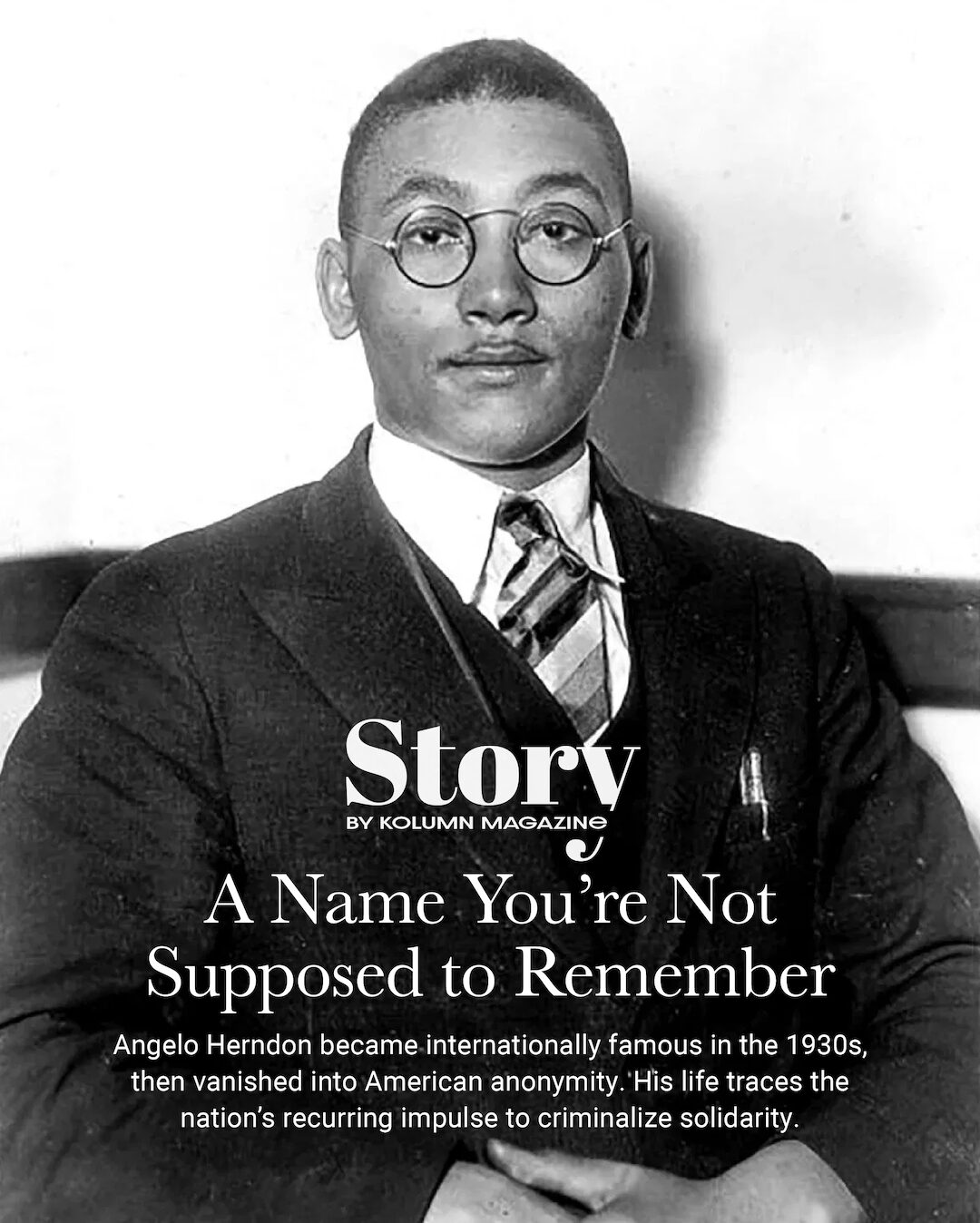
A Name You’re Not Supposed to Remember
Angelo Herndon became internationally famous in the 1930s, then vanished into American anonymity. His life traces the nation’s recurring impulse to criminalize solidarity.
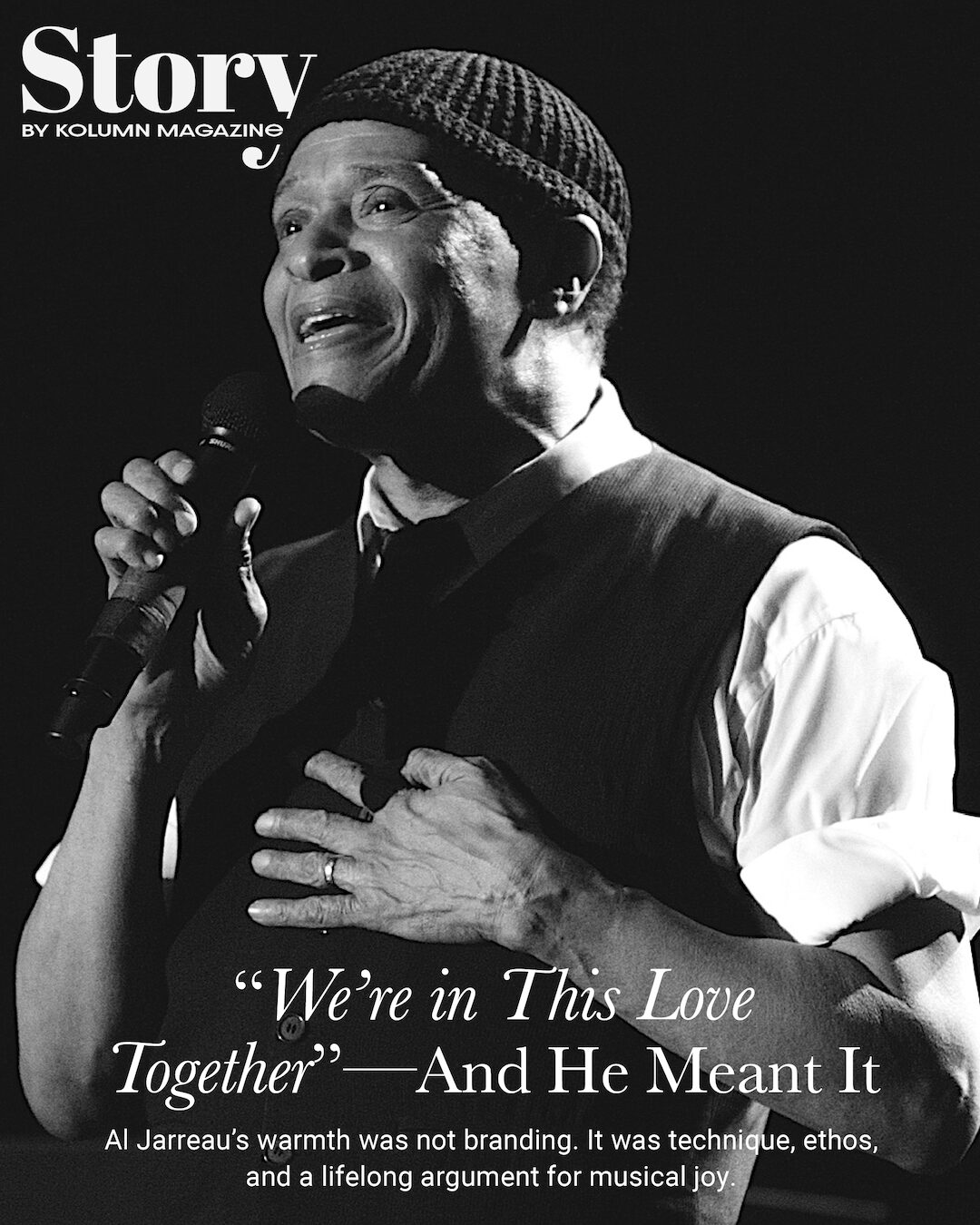
“We’re in This Love Together”—And He Meant It
Al Jarreau’s warmth was not branding. It was technique, ethos, and a lifelong argument for musical joy.
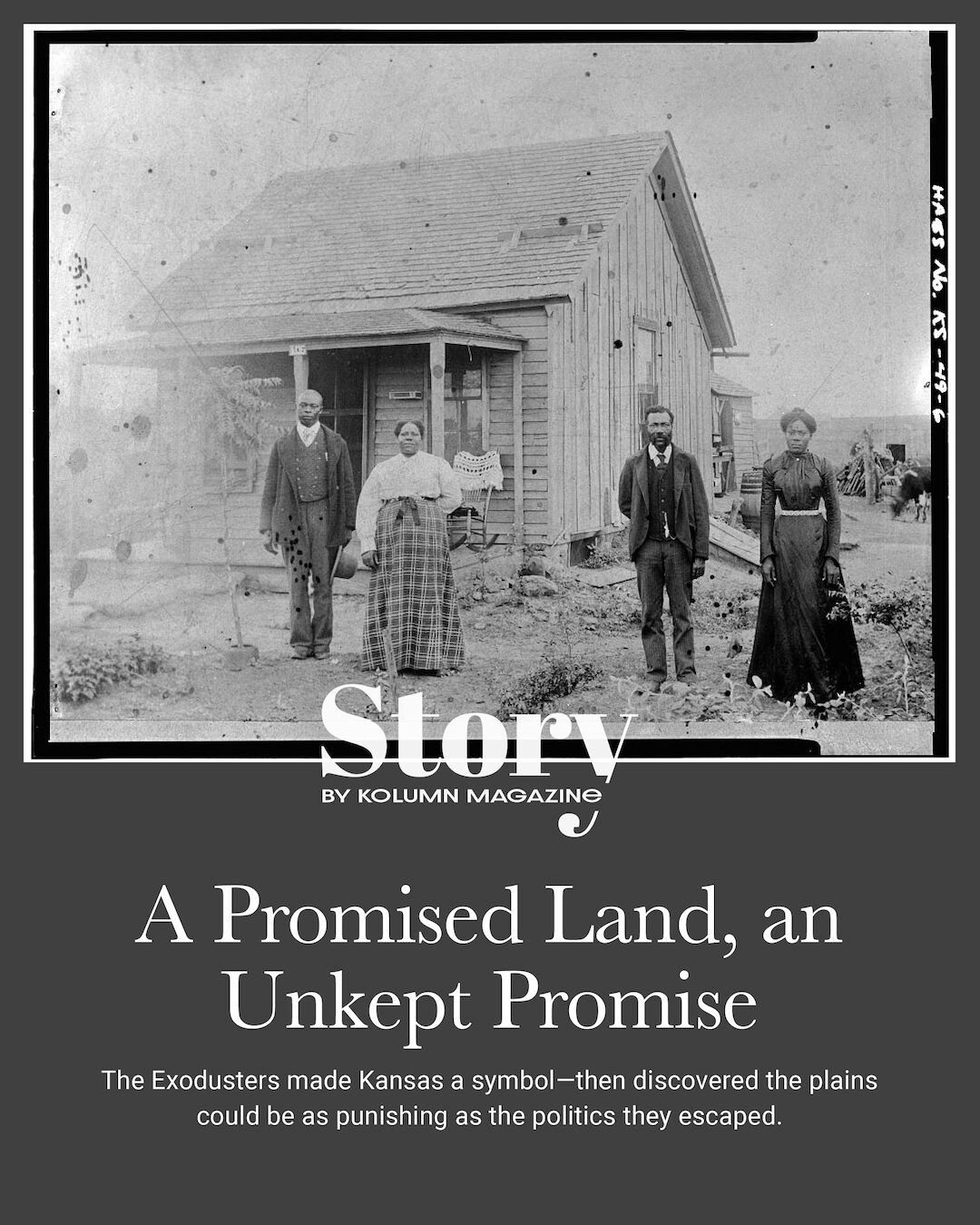
A Promised Land, an Unkept Promise
The Exodusters made Kansas a symbol—then discovered the plains could be as punishing as the politics they escaped.
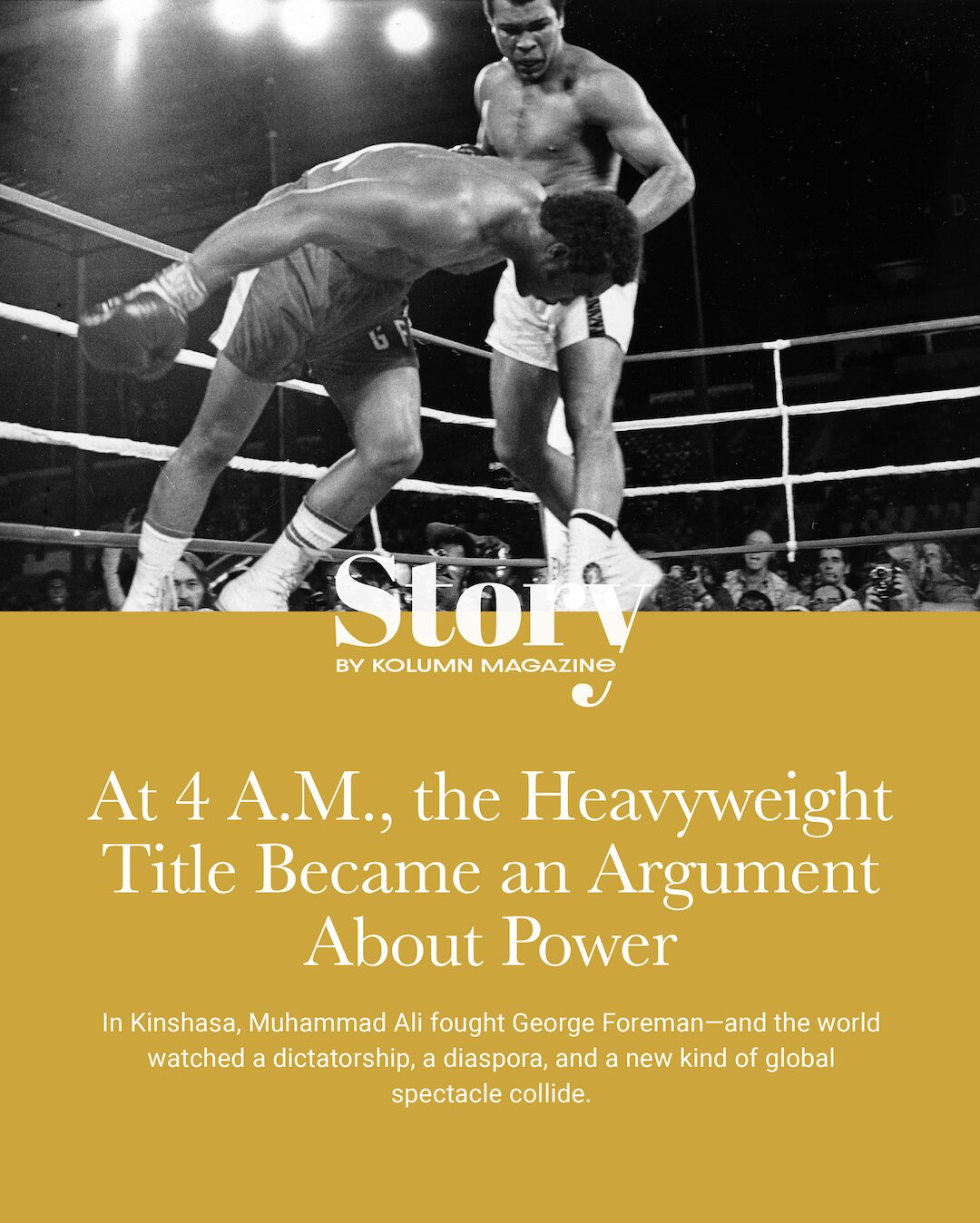
At 4 A.M., the Heavyweight Title Became an Argument About Power
In Kinshasa, Muhammad Ali fought George Foreman—and the world watched a dictatorship, a diaspora, and a new kind of global spectacle collide.
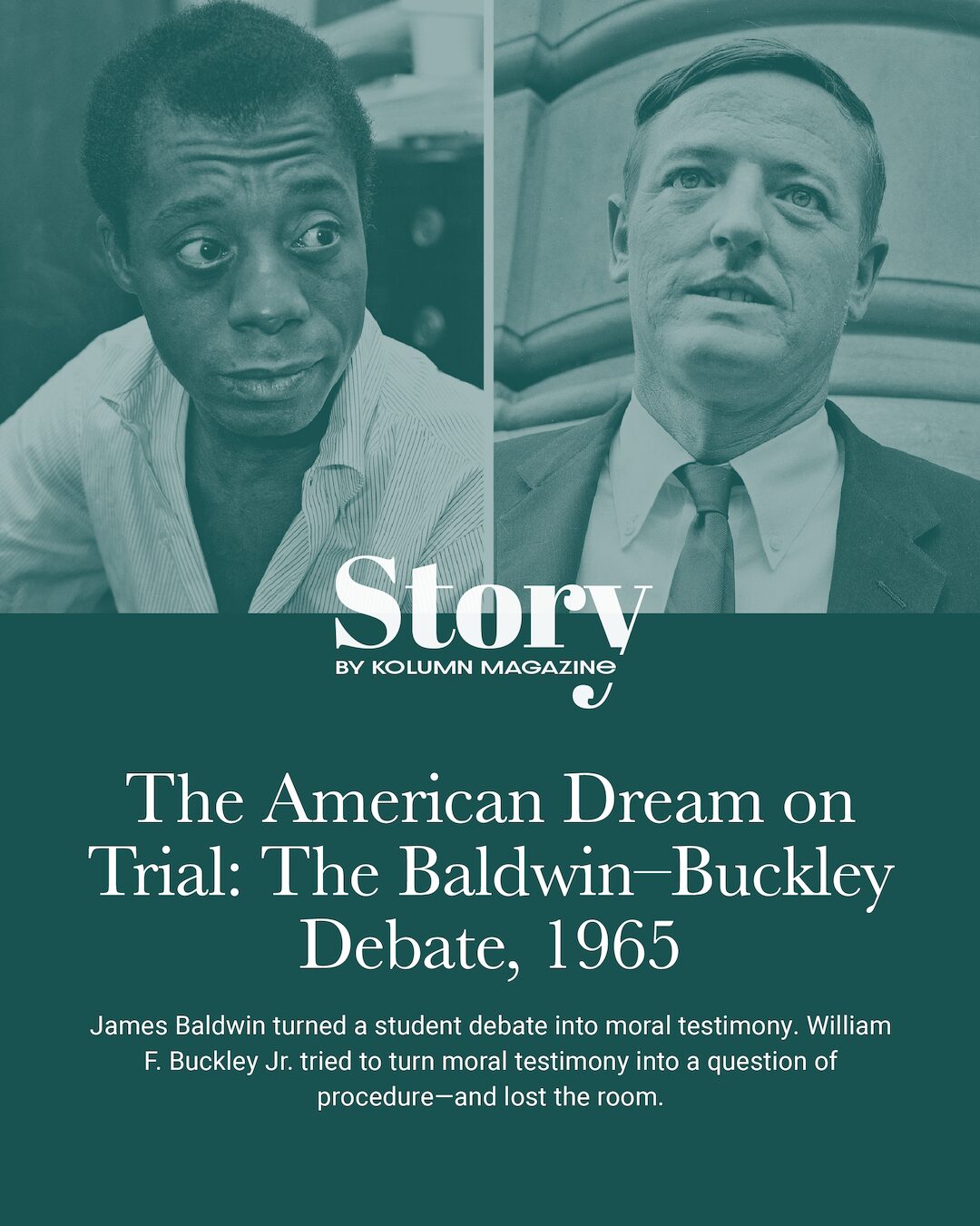
The American Dream on Trial: The Baldwin–Buckley Debate, 1965
James Baldwin turned a student debate into moral testimony. William F. Buckley Jr. tried to turn moral testimony into a question of procedure—and lost the room.
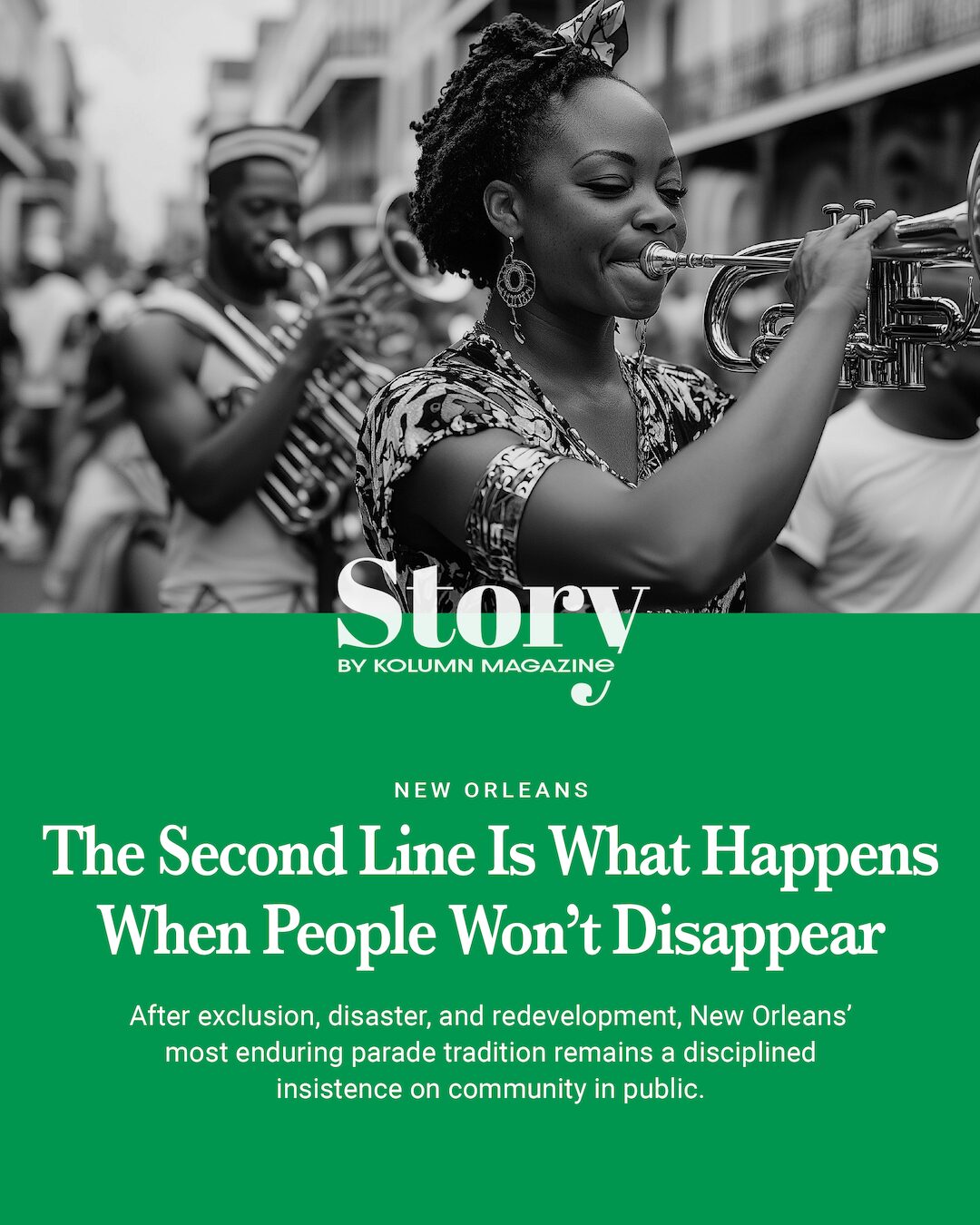
The Second Line Is What Happens When People Won’t Disappear
After exclusion, disaster, and redevelopment, New Orleans’ most enduring parade tradition remains a disciplined insistence on community in public.
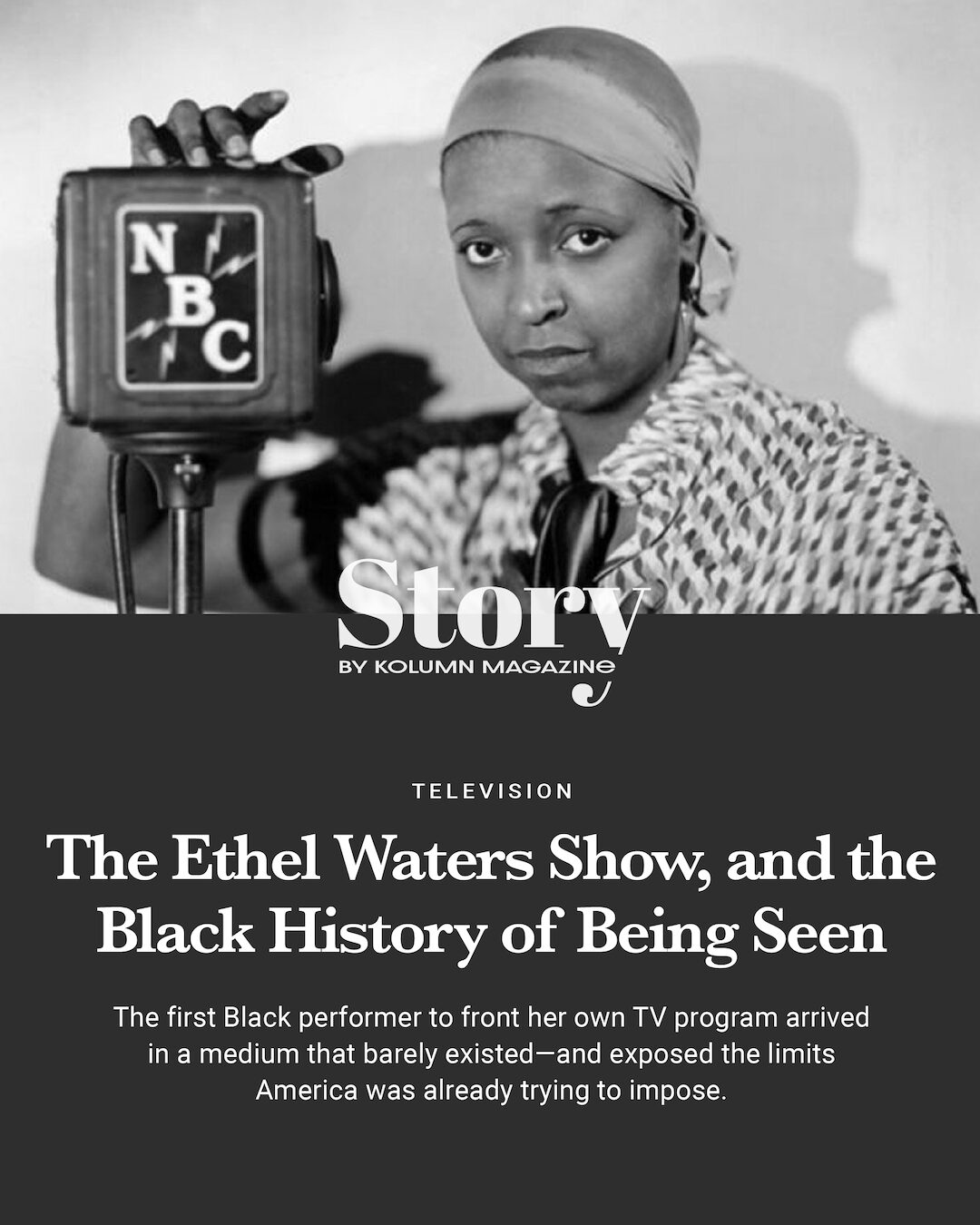
The Ethel Waters Show, and the Black History of Being Seen
The first Black performer to front her own TV program arrived in a medium that barely existed—and exposed the limits America was already trying to impose.
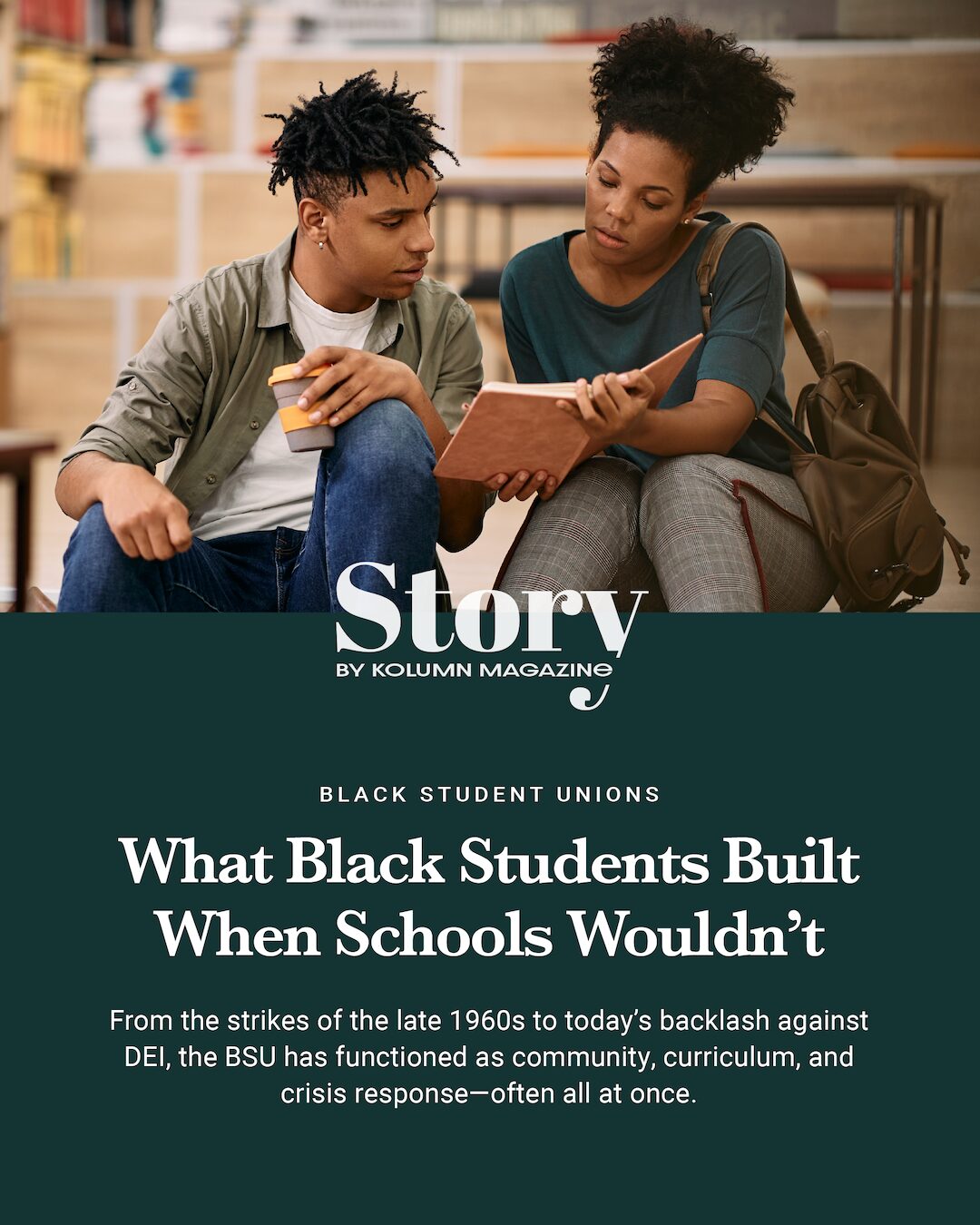
What Black Students Built When Schools Wouldn’t
From the strikes of the late 1960s to today’s backlash against DEI, the BSU has functioned as community, curriculum, and crisis response—often all at once.
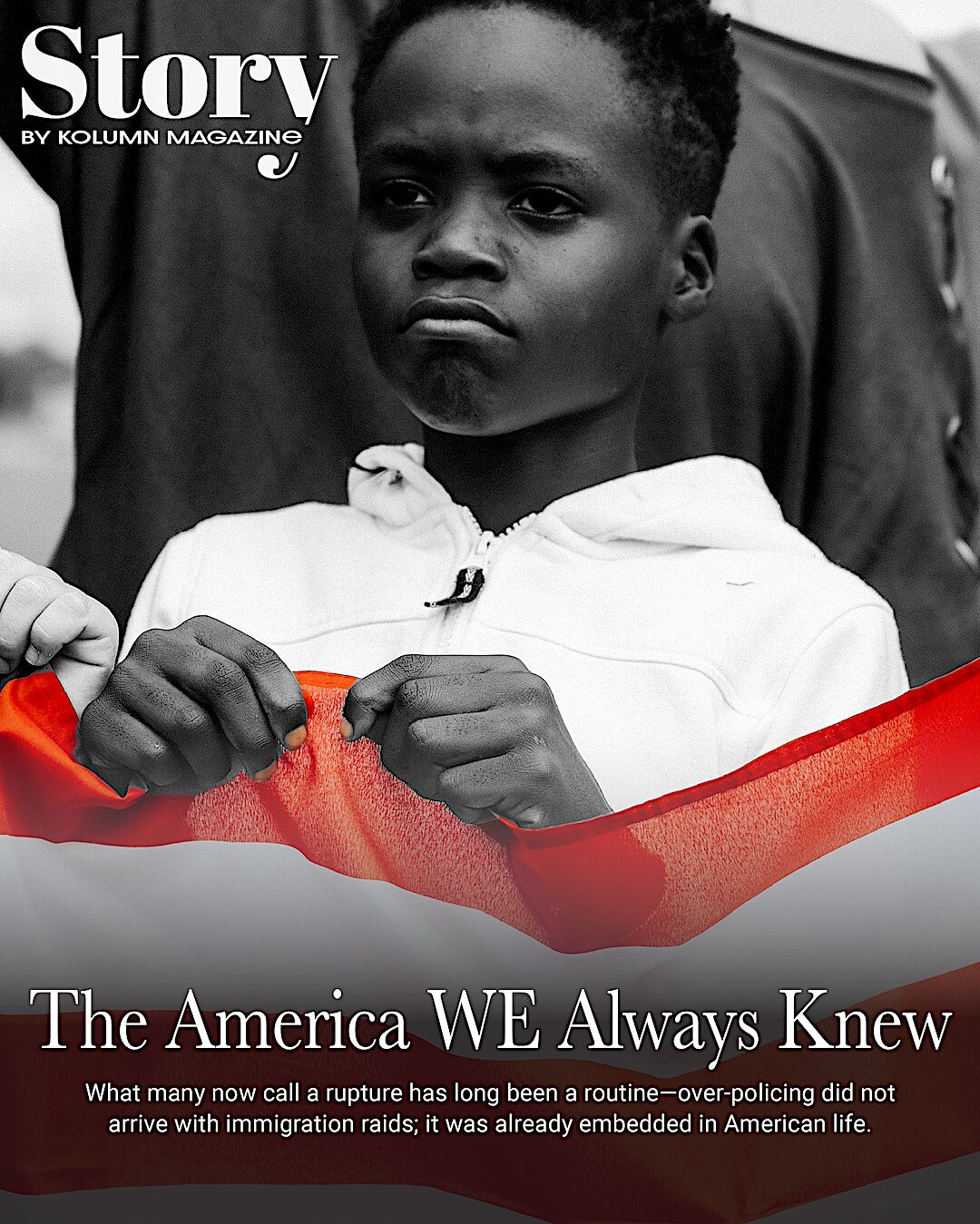
The America We Always Knew
What many now call a rupture has long been a routine—over-policing did not arrive with immigration raids; it was already embedded in American life.
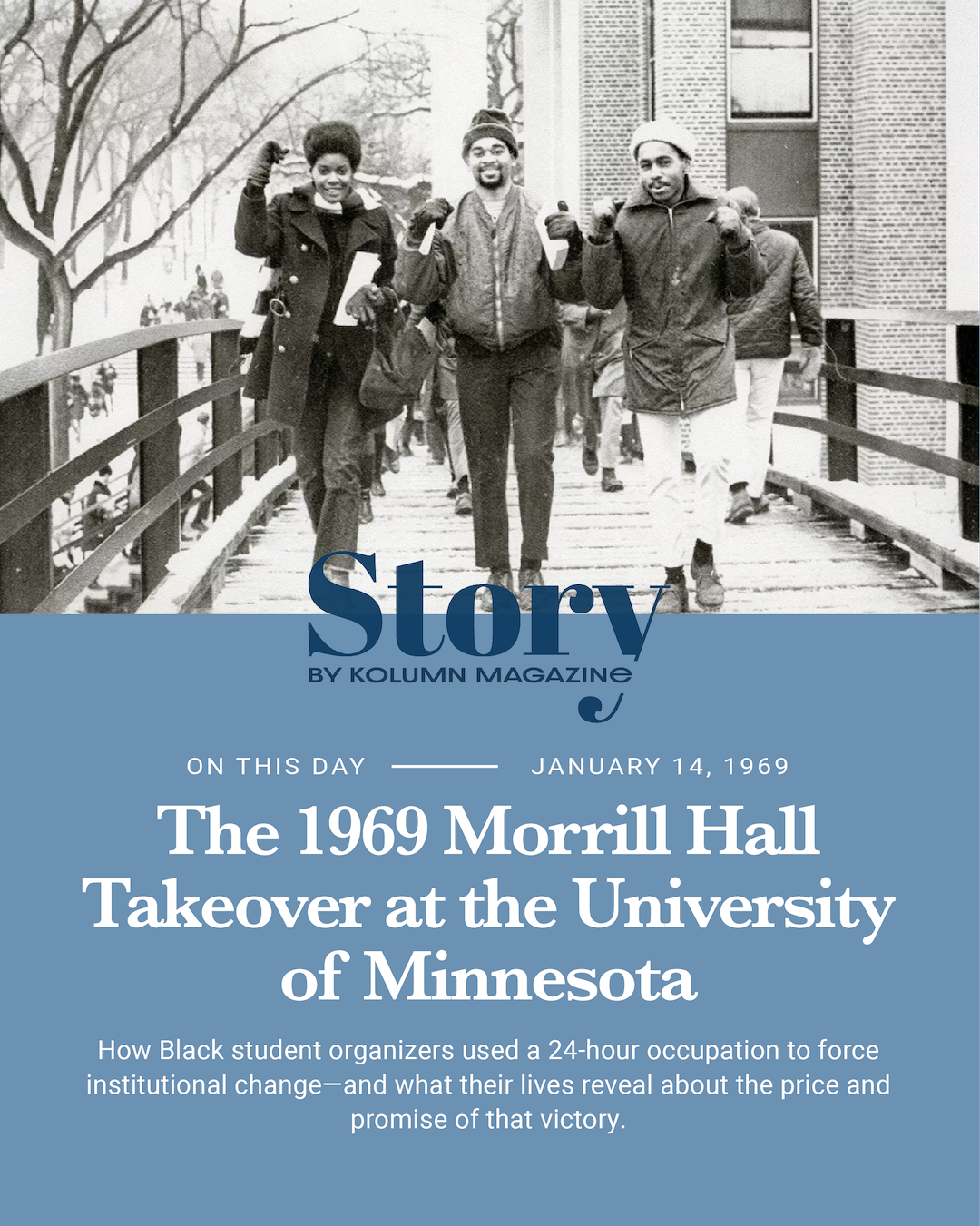
The 1969 Morrill Hall Takeover at the University of Minnesota
How Black student organizers used a 24-hour occupation to force institutional change—and what their lives reveal about the price and promise of that victory.