




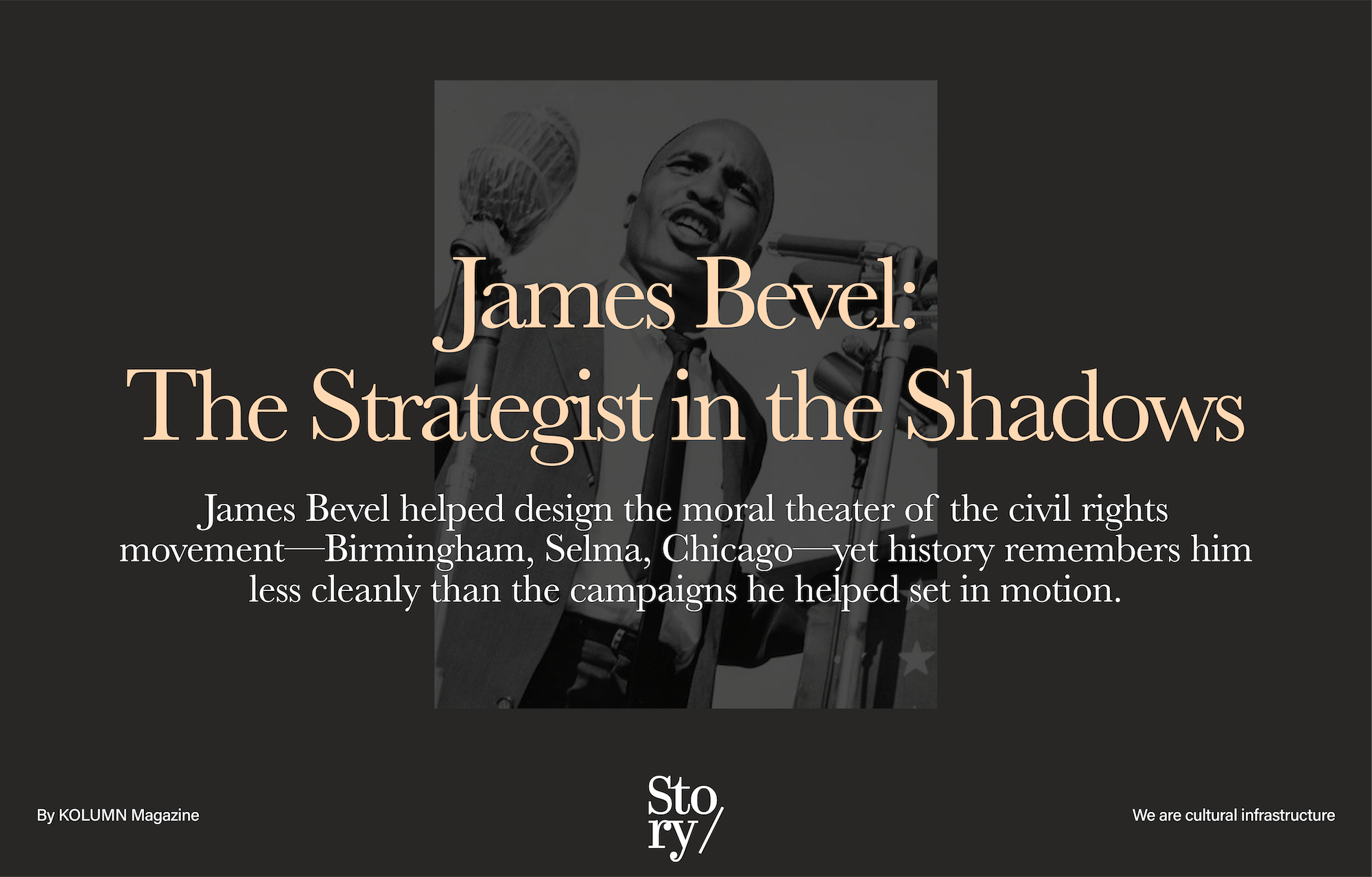
James Bevel did not simply join demonstrations. He helped imagine the kind of confrontation that could force the country to see itself.
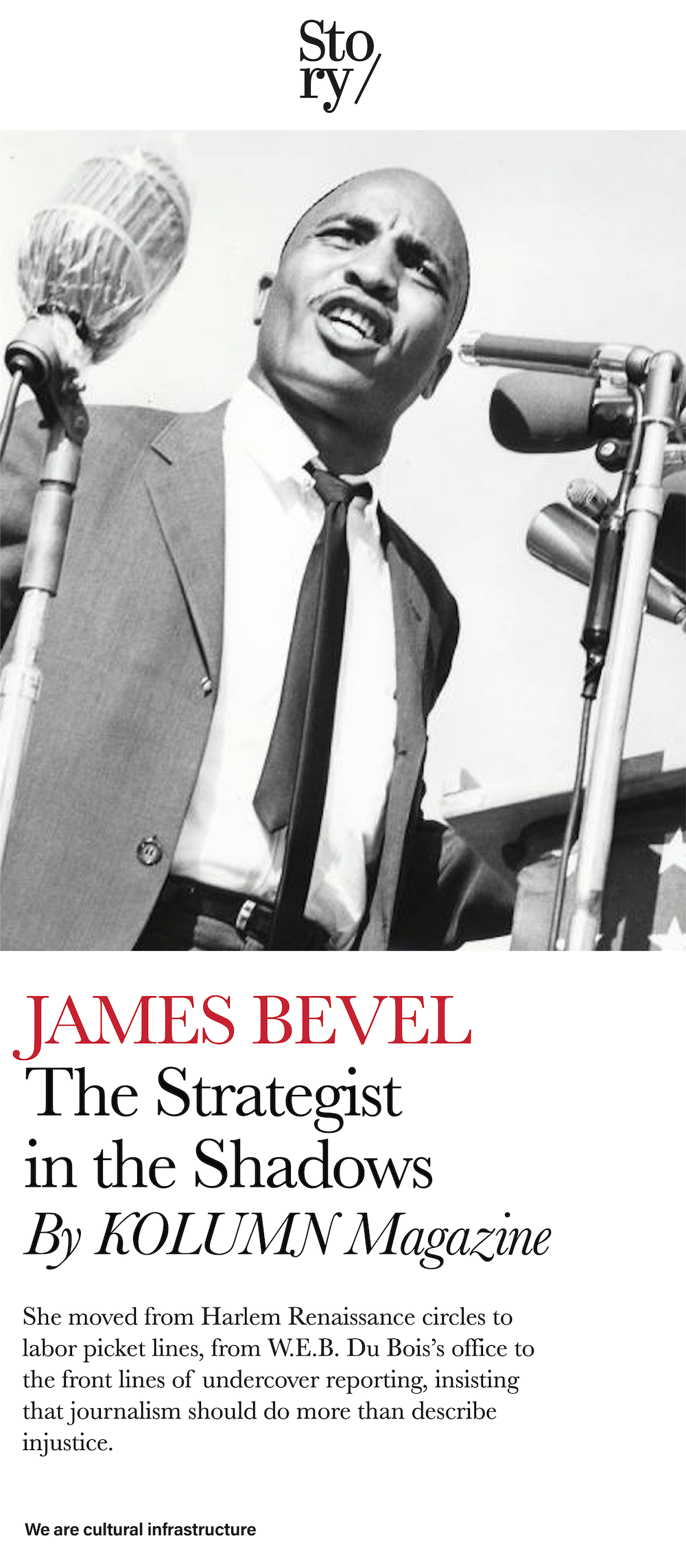
James Bevel did not simply join demonstrations. He helped imagine the kind of confrontation that could force the country to see itself.
By KOLUMN Magazine
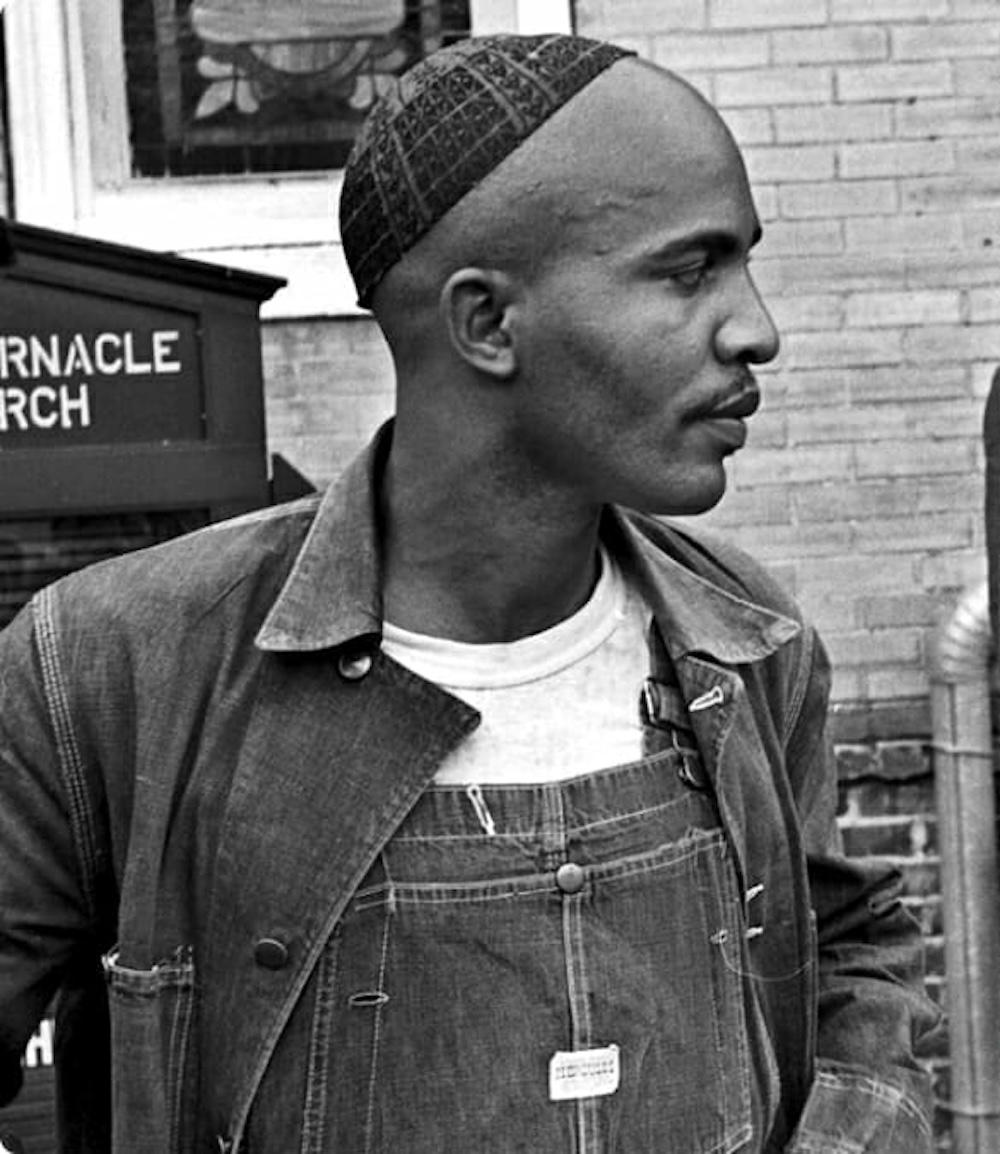
There are names in the civil rights movement that arrive already haloed. Martin Luther King Jr. is one. John Lewis is another. Diane Nash, James Lawson, Fannie Lou Hamer, Ella Baker—these names have, in recent years, gained some of the public weight long denied them. James Bevel has not. He remains, even now, one of the most consequential under-remembered tacticians of the modern freedom struggle: a minister from Mississippi who emerged from the Nashville student movement, helped shape the architecture of direct action, and played central roles in Birmingham, Selma, the March on Washington, Chicago, and the antiwar movement. The Martin Luther King Jr. Research and Education Institute credits him with initiating the Children’s Crusade in Birmingham and places him at the center of several major SCLC campaigns. SNCC Digital similarly situates him inside the movement’s core operational engine, not at its decorative edge.
To write about Bevel now, though, requires more than restoring a neglected strategist to his proper place in public memory. It requires resisting the temptations that often ruin historical writing: saint-making on one side, flattening on the other. Bevel’s life does not permit either. The record shows a man of extraordinary organizing intelligence, improvisational brilliance, and relentless appetite for confrontation. It also shows a later life marked by erratic politics, broken relationships, and a conviction for incest involving his daughter, a conviction that remained intact after litigation following his death. His significance is real. So is the damage that shadowed his final years. Any serious accounting has to hold both truths at once.
That difficulty is precisely why Bevel matters. History is comfortable with symbols. Bevel was never merely a symbol. He was an operator, an instigator, a tactician, a preacher of disciplined confrontation. He belonged to that wing of the movement that believed freedom was not only a moral appeal but a logistical challenge. You had to choose the battleground, train the people, absorb the blows, stage the contradiction, and make the nation watch itself. That sensibility runs through the most important campaigns of the 1960s, and Bevel’s fingerprints are on many of them.
Mississippi Made Him, but Nashville Sharpened Him
James Luther Bevel was born on October 19, 1936, in Itta Bena, Mississippi, into a large sharecropping family. SNCC Digital notes that he was one of seventeen children and grew up working on a cotton plantation, absorbing early the brutal normalcy of southern racial hierarchy. Britannica likewise places his origins in Mississippi and identifies his later role as pivotal to the early 1960s movement. Those facts matter not as sentimental background but as political formation. Men and women who came out of that world did not need lectures on the structure of white supremacy. They lived inside its choreography.
His road into the movement ran through religion, military service, and study. After a brief period in the Army, he enrolled at the American Baptist Theological Seminary in Nashville, where he encountered James Lawson’s nonviolence workshops. The Kennedy Library’s forum materials describe Lawson as training a generation of activists in Nashville, including Diane Nash, John Lewis, Marion Barry, and James Bevel. That Nashville laboratory was one of the crucial proving grounds of the movement. Nonviolence there was not a soft ethic or a vague disposition. It was drilled, argued, role-played, and refined until it became a tactical language.
This is one of the most important things to understand about Bevel: he was formed in a movement culture that treated preparation as seriously as conviction. In popular memory, the civil rights movement can appear almost mystical, as though brave people simply stepped forward and history bent in response. But the archival record says otherwise. Lawson taught discipline. Nashville students practiced how to absorb insults, blows, and arrest without surrendering the political purpose of the action. KOLUMN recently made a version of this point in “The Strategist in Plain Sight,” its piece on James Lawson, arguing that nonviolent direct action was not sainthood but leverage. That framework applies to Bevel with particular force. He was one of Lawson’s students most inclined to push that leverage to its dramatic limit.
Bevel participated in the Nashville sit-ins and the broader student movement orbit that would help birth SNCC. SNCC Digital places him among the activists who moved from the lunch-counter struggle into theater desegregation and the continuation of the Freedom Rides after violent attacks threatened to stop them. Diane Nash’s oral history also places Bevel in the inner circle of organizers whose personal and political lives were deeply entangled in the movement’s work. He married Nash in 1961, and together they became one of the movement’s formidable, if combustible, organizing partnerships.
The Field General of Birmingham
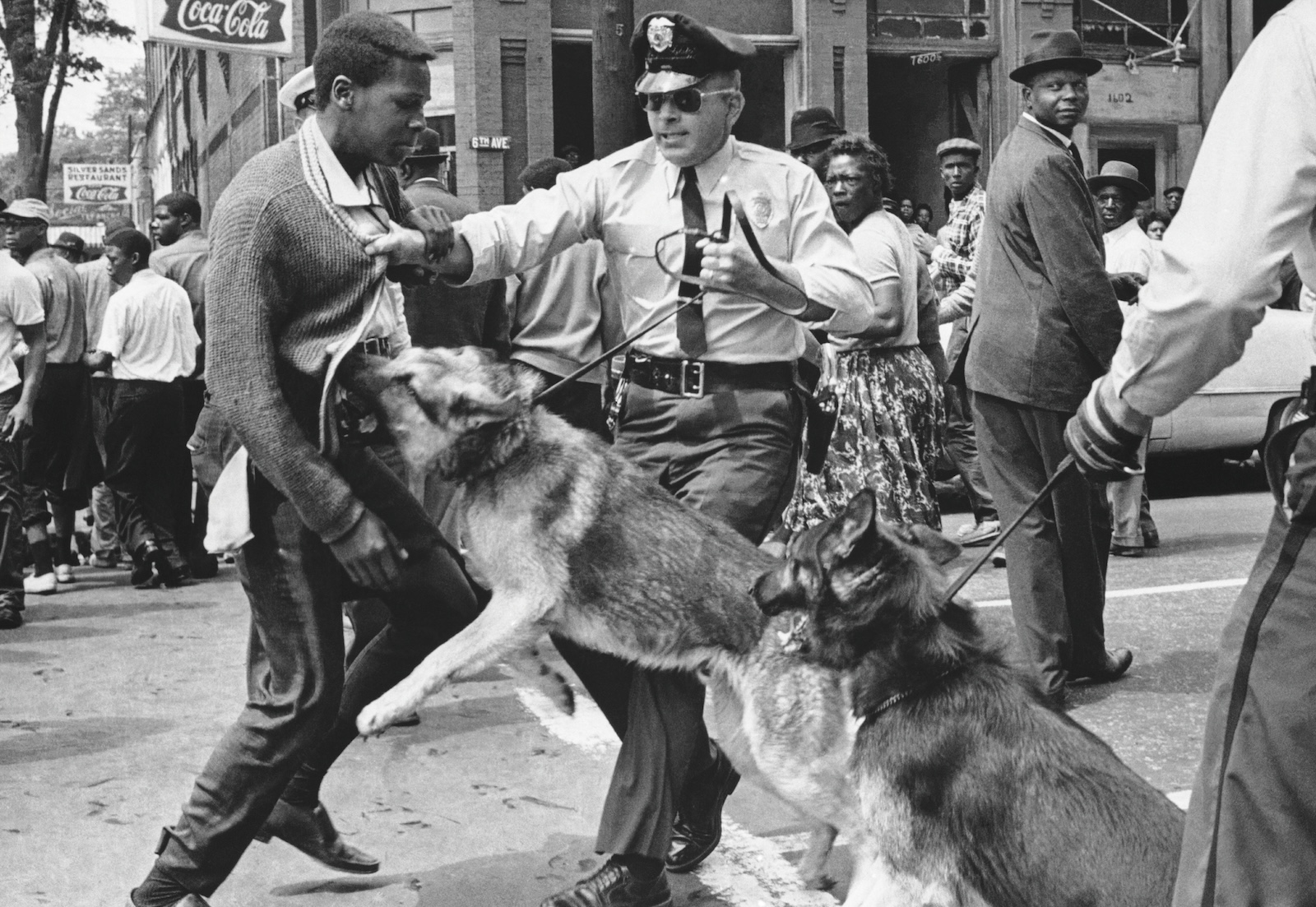
If Bevel has a single claim on national memory, it should be Birmingham. The Birmingham Campaign in 1963 was already a major local struggle before it became a national morality play. The King Institute notes that SCLC joined forces with the Alabama Christian Movement for Human Rights to attack the city’s segregation system through sustained direct action. But when adult participation began to falter under the pressure of arrests, injunctions, and fear, it was Bevel who argued that the movement needed the city’s young people. Stanford’s Bevel entry explicitly credits him with initiating the Children’s Crusade. SNCC Digital says that while King was jailed, Bevel organized what became known as that campaign and faced Bull Connor’s dogs and hoses.
This decision remains one of the most argued-over strategic turns of the movement. To recruit children into direct action was, and remains, morally explosive. But Bevel understood something both simple and devastating: Birmingham’s racial order depended on the public invisibility of its cruelty. Adults had jobs to lose, landlords to fear, and families to protect. Children and teenagers had a different social position. They could move in numbers. They could jam the jails. They could expose the system’s ugliness in images too stark for the nation to ignore. When schoolchildren met police dogs and fire hoses, segregation lost whatever euphemisms still protected it.
That is the Bevel method at its clearest: identify the pressure point, invent the action, shift the moral balance, force the overreaction. The Children’s Crusade was not spontaneous youthful idealism. It was strategy. And strategy, in the movement’s best moments, meant translating courage into public consequence. The images from Birmingham became national evidence. They helped transform regional brutality into a federal problem, and they intensified pressure for the civil rights legislation that John F. Kennedy would soon propose. The National Archives’ materials on the March on Washington remind us how rapidly 1963 became a season of converging escalations. Bevel was one of the people driving that tempo.
There is a reason later movement veterans and historians speak of Bevel not as an assistant but as a strategist. King was the movement’s unmatched moral voice. But campaigns need more than moral voices. They need people who can convert principle into sequence: where to go, who to train, what risk to escalate, when to absorb punishment, when to redirect. Birmingham established Bevel as one of those people. It also revealed his appetite for theatrical, high-risk organizing—the kind that could generate breakthrough or catastrophe, often from the same wager.
Selma, Where Grief Became Strategy
After the 16th Street Baptist Church bombing in Birmingham killed four girls in September 1963, Bevel and Diane Nash turned toward voting rights in Alabama. The King Institute’s chapter on Selma, taken from King’s autobiography, identifies SCLC’s Direct Action Department under Bevel as the force that decided to attack “the very heart of the political structure” through a campaign for voting rights in Alabama. SNCC Digital and other movement records place Bevel, Nash, and James Orange at the center of the Alabama Project that helped set the stage for Selma.
This matters because Selma is too often remembered as if it were inevitable—as if the march over the Edmund Pettus Bridge simply emerged from history’s momentum. It did not. It was built. KOLUMN’s recent “When the Bridge Became a Battlefield” underscores Bevel’s role in transforming the murder of Jimmie Lee Jackson into a strategic pivot. After Jackson was shot by Alabama state troopers in Marion and died days later, Bevel pressed for a march from Selma to Montgomery. The move was not merely symbolic mourning. It was a political design: bring the violence, the grievance, and the demand for voting rights onto a route the state would either have to permit or suppress in full public view.
That is exactly what happened. Bloody Sunday, the first attempted march on March 7, 1965, placed state power and Black citizenship in direct collision before television cameras. The nation watched peaceful marchers beaten, tear-gassed, and trampled at the bridge. John Lewis was there. Hosea Williams was there. Amelia Boynton was there. So was the strategic logic Bevel had been refining for years: force the contradiction into daylight; let power reveal itself; make the costs of federal inaction unbearable. Within days, the movement had turned a regional fight into a national crisis. President Lyndon Johnson soon addressed Congress to press for voting-rights legislation.
Bevel’s role in Selma is one reason some historians and activists have insisted that he belongs nearer the center of movement history than he usually appears in textbooks. He was not the only architect; Selma depended on local organizers, SNCC workers, clergy, ordinary residents, and a wide network of national support. But Bevel was among the people who understood how to translate outrage into action with a scale large enough to alter federal politics. In movement terms, that is not a supporting role. That is command work.
KOLUMN’s own recent run of civil-rights essays has been edging toward this broader correction. In “Selma’s First Architect,” about Bernard Lafayette, and “Before History Smoothed the Edges, There Was C.T. Vivian,” the magazine has pushed readers to see the movement not as a one-man drama but as a structure of tacticians, trainers, local leaders, and field operatives. Bevel fits inside that revision, though he complicates it more than most. To restore him historically is not to exalt him personally. It is to tell the truth about how movements actually work.
Chicago, the North, and the Problem of American Innocence
If Birmingham and Selma exposed the South, Chicago exposed the lie that racism was mainly southern. Stanford’s Bevel entry states that he moved to Chicago in 1965 to begin laying the groundwork for a northern campaign, and the Chicago Freedom Movement archive describes him as the SCLC field general who organized and led many of the movement’s major actions there. King’s own account of the Chicago Campaign makes clear that SCLC saw the city as a test case: could the methods of nonviolent direct action confront segregation where it wore the clothes of custom, contracts, and real estate rather than Jim Crow statute?
Chicago answered with its own kind of violence. There were no Bull Connor headlines quite like Birmingham’s, but there were slums, predatory landlords, segregated schools, and mobs defending white neighborhoods. Bevel worked on tenant organizing and open-housing demands, helping frame northern inequality as neither accidental nor benign. This was one of his recurring gifts: he could see the structural connection between moral witness and material conditions. Voting rights mattered. So did where people lived, whether they had decent schools, and whether the market itself had become an engine of racial containment.
Chicago also revealed the limits of the movement’s public legibility. Southern sheriffs with clubs were easier for liberal America to condemn than urban systems of property, zoning, finance, and white backlash in the North. Bevel’s politics were often sharper than the country’s appetite. In that sense he was not simply a movement insider. He was one of the people dragging the movement toward a broader indictment of American life. That broader indictment would help make his later antiwar work feel less like a detour than a continuation.
Beyond Civil Rights, Toward a Wider Crisis
In 1967, Bevel became national director of the Spring Mobilization Committee to End the War in Vietnam, according to Stanford and archival finding aids for the antiwar coalition. This period matters because it places him at one of the movement’s great turning points: the widening of Black freedom politics into a larger critique of militarism, poverty, and state violence. King’s break with the Johnson administration over Vietnam did not happen in isolation. Organizers around him, including Bevel, were pushing the movement into a more expansive moral register.
That Bevel could move from Birmingham to Selma to Chicago to antiwar mobilization tells us something essential about his political imagination. He did not see segregation as an isolated defect. He saw a system of domination that took different forms in different arenas—voting rights in Alabama, housing in Chicago, war abroad, poverty everywhere. This connective quality is often what distinguishes tacticians from mere event planners. Bevel understood that campaigns were chapters in one argument.
And yet even as his political horizon widened, his personal and organizational relationships frayed. The sources on his later career describe increasing conflict, erratic choices, and a post-1968 trajectory that moved away from the disciplined ecosystem that had once amplified his brilliance. The problem with movement genius is that it is not self-sustaining. It depends on comrades, institutions, accountability, and political grounding. Without those, improvisation can curdle into grandiosity. Bevel’s later life offers an unnerving case study in that transformation.
King, Bevel, and the Tension Between Voice and Tactics
One of the most revealing ways to think about Bevel is in relation to King. The public often remembers King as if he were the movement entire: the conscience, the strategist, the martyr, the whole thing. But campaigns of this scale are division-of-labor projects. King was the indispensable public theologian and national witness. Bevel was one of the movement’s principal engineers of disruption. The King Institute’s records repeatedly position him not on the periphery but inside the machinery of SCLC’s major offensives.
This does not diminish King. It clarifies him. Great leaders do not merely speak; they convene ecosystems of talent. What makes Bevel so important is that he represents a kind of political labor that democratic memory routinely under-values. He was not always the one at the microphone history chose to preserve. He was often the one asking a harder question beforehand: what action will make the microphone matter? In Birmingham, that meant youth mobilization. In Selma, it meant a march that could dramatize disenfranchisement before the world. In Chicago, it meant shifting the civil-rights struggle onto housing and urban inequality.
That is also why Bevel has remained difficult to package. He was too central to ignore, too mercurial to canonize, and too compromised in later life to commemorate without discomfort. The simpler the public memory, the more awkward he becomes inside it.
After the Canon: Politics, Rupture, and Decline
After King’s assassination in 1968, which SNCC Digital notes Bevel witnessed at the Lorraine Motel, his path became more fragmented. Stanford records that he left SCLC after King’s death and later involved himself with the Republican Party and the 1995 Million Man March. Whatever coherence defined the classic movement years became harder to find. The disciplined strategic radicalism of Nashville, Birmingham, and Selma gave way to a later life marked by ideological drift and reputation battles.
It is tempting, in writing about figures like Bevel, to split the life neatly in two: the heroic first act and the regrettable second. But that can become another form of evasion. The point is not to pretend the later life erases the earlier one. Nor is it to claim the earlier life redeems the later one. The point is to refuse the sentimental shortcuts that public memory loves. Bevel helped make history. He also harmed people. Those truths are not symmetrical, but neither can be wished away.
The Hardest Part of the Record
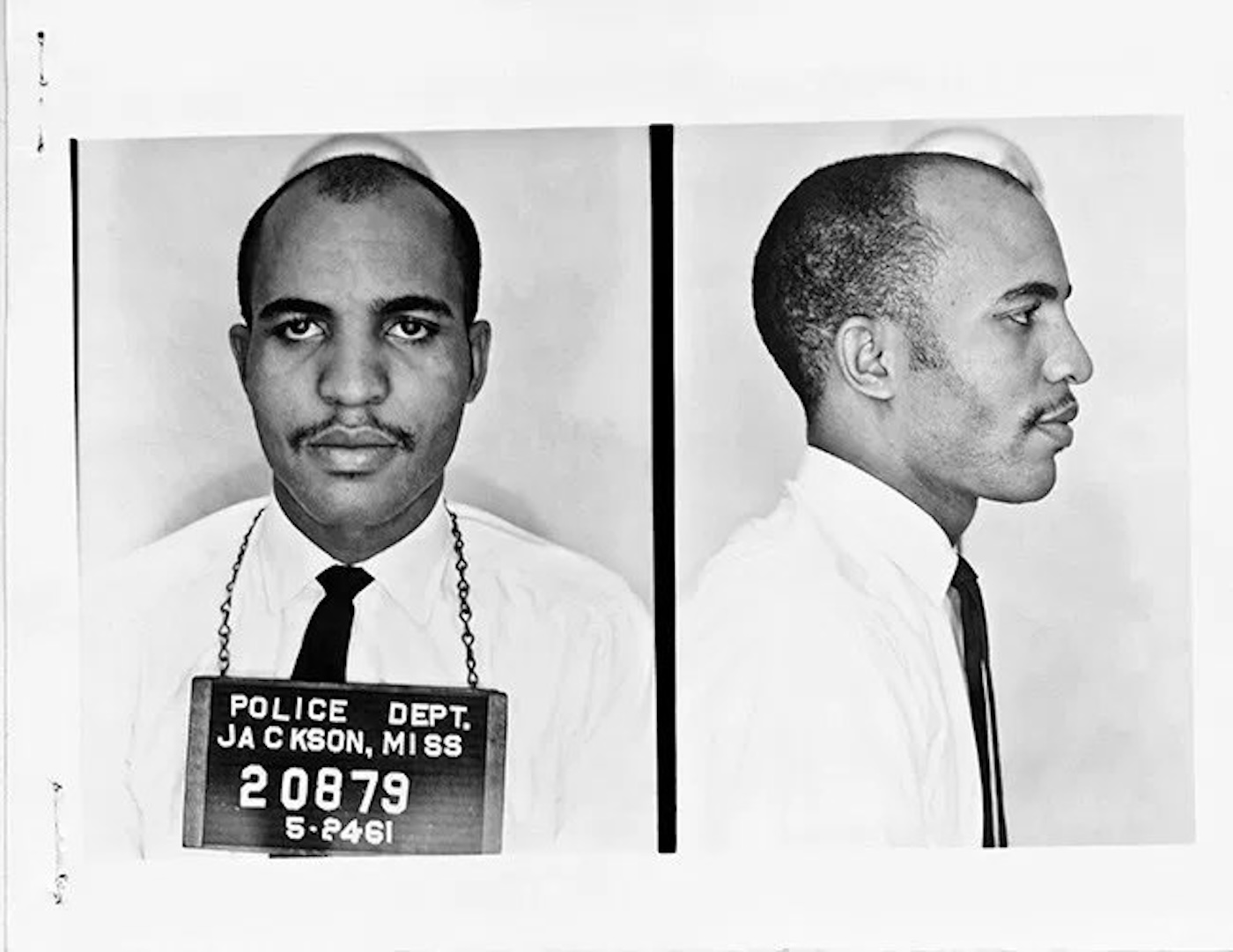
In 2008, Bevel was convicted in Virginia of incest involving his daughter and sentenced to 15 years in prison. Washington Post coverage documented the conviction and sentence, and later litigation before the Supreme Court of Virginia established that the conviction would remain in place after disputes over abatement following his death. He died of pancreatic cancer in December 2008 while his case was still in post-conviction legal motion.
There is no ethical version of this article that treats that as a footnote. It belongs in the body of the story because it belongs in the body of the record. Not because scandal is irresistible, but because historical honesty is nonnegotiable. Too often, writing about Black political heroes has been distorted either by hostile sensationalism or by defensive omission. Both approaches fail readers. More importantly, both fail the people harmed by silence. Bevel’s public significance does not disappear because of his conviction. But any account of his significance that dodges the conviction becomes morally unserious.
This is where contemporary readers, especially those committed to Black historical recovery, face a difficult but necessary discipline. Recovery is not public relations. Its task is not to produce usable saints. Its task is to tell the truth about lives, structures, campaigns, and consequences. That means allowing admiration for organizing brilliance to coexist with refusal to obscure personal violence. In Bevel’s case, perhaps more than in many others, the refusal to simplify is the only respectful method.
Why He Still Matters
So why insist on James Bevel now?
Because the contemporary language of movement strategy still bears his imprint, whether or not it names him. The idea that protest must be staged where contradiction is visible, that participants must be trained rather than merely inspired, that media exposure can convert local violence into national crisis, that youth are not just symbolic inheritors but active agents—these are all principles Bevel helped operationalize at scale. In a century full of marches, walkouts, encampments, and camera-conscious direct action, that lineage matters.
He also matters because his life warns against the lazy heroics of historical memory. The civil rights movement was not built by icons alone. It was built by organizers, tacticians, ministers, students, local mothers, legal workers, photographers, jail-fill volunteers, and ordinary people who knew that moral language without organization is sentiment. KOLUMN’s recent civil-rights essays have been strongest when they press on precisely this point: history is not a parade of singular giants, but an ecosystem of labor. Bevel belongs inside that ecosystem, centrally, even when his later life makes that inclusion uncomfortable.
And perhaps he matters because our current moment has its own confusions about leadership. We are good at viral charisma, less good at infrastructure. Good at reverence, less good at logistics. Good at symbolic memory, less good at studying how campaigns actually win. Bevel’s life, stripped of romance, forces those questions. What does it mean to build pressure rather than merely express outrage? What does it take to turn a city, a bridge, a neighborhood, or a nation into a site of unavoidable reckoning? What forms of discipline does moral witness require before it becomes political leverage? His answers were not always gentle, and they were not always right. But they were rarely unserious.
The Legacy, Without the Lie
James Bevel should not be remembered as a hidden saint, nor as a cautionary headline detached from the work he did. He should be remembered as one of the movement’s most gifted and volatile strategists: a man shaped by Mississippi terror, disciplined in Nashville, battle-tested in Birmingham, decisive in Selma, ambitious in Chicago, expansive in antiwar politics, and deeply compromised by the documented harms of his later life. That is not a tidy legacy. It is, however, a true one.
There is a tendency in American memory to let the most televisual parts of the civil rights movement stand in for the whole. King at the podium. Lewis on the bridge. Fire hoses in Birmingham. But every one of those moments was preceded by argument, planning, training, persuasion, and tactical imagination. James Bevel lived in that prelude. He helped make moments possible. He understood that justice in America often had to be staged before it could be acknowledged. That may be the clearest sentence one can write about his public life.
The more difficult sentence is the other one: public brilliance does not excuse private harm. It never has. It never should. The challenge of Bevel’s legacy is not deciding which sentence to keep. It is learning to say both without flinching.
And perhaps that is the most KOLUMN-worthy conclusion of all. History, when done honestly, is not about polishing names until they shine. It is about restoring texture where memory has gone flat. In that fuller light, James Bevel does not become easier to celebrate. He becomes harder to ignore. That is a different kind of significance, but it is significance all the same.
More great stories
Afro Sheen, Wall Street, and the Architecture of Black Possibility
July 6, 2026
No Comments
The Fire Inside the Fourth
July 5, 2026
No Comments