



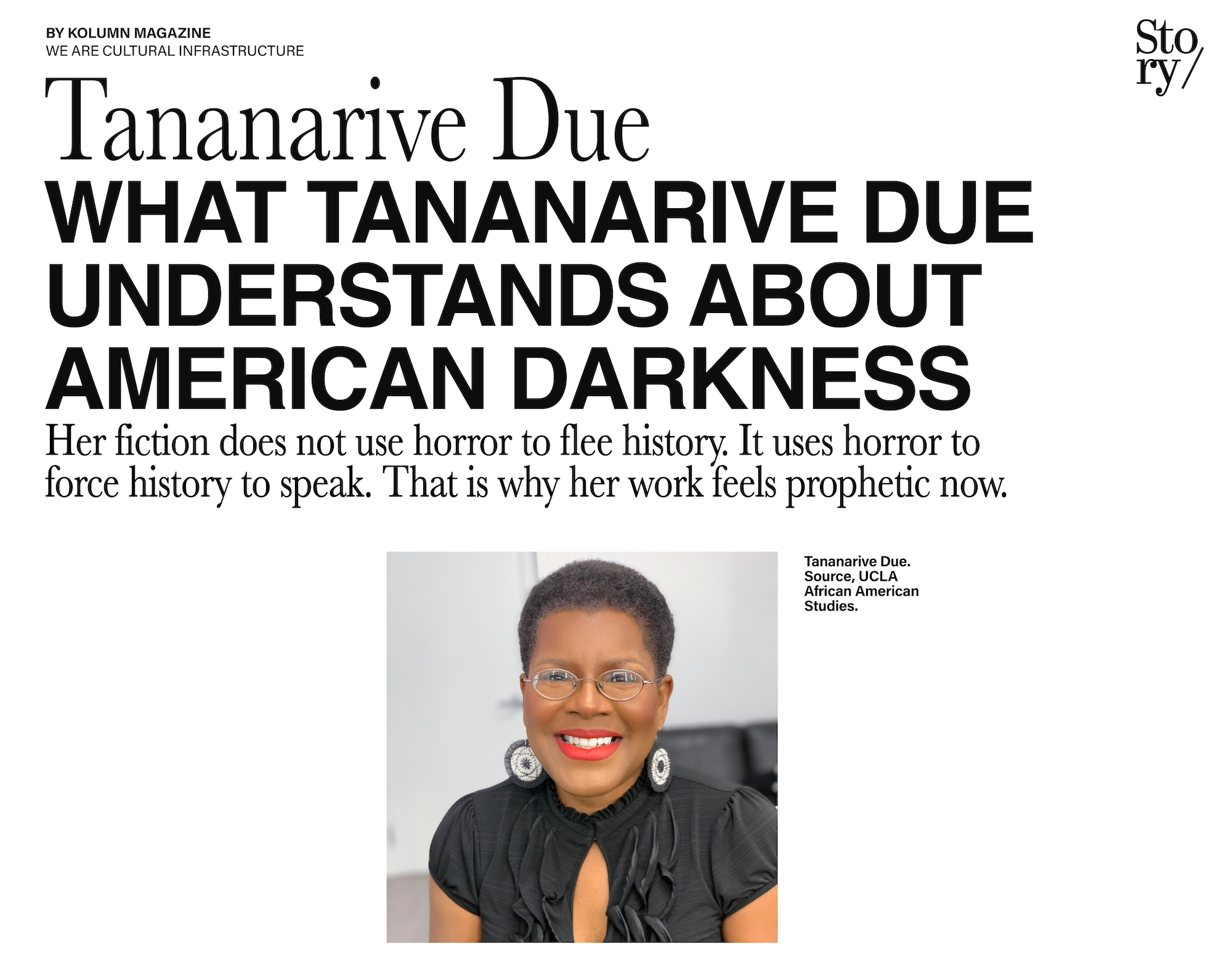
The supernatural is not an exit from history in Tananarive Due’s work. It is history, still speaking.
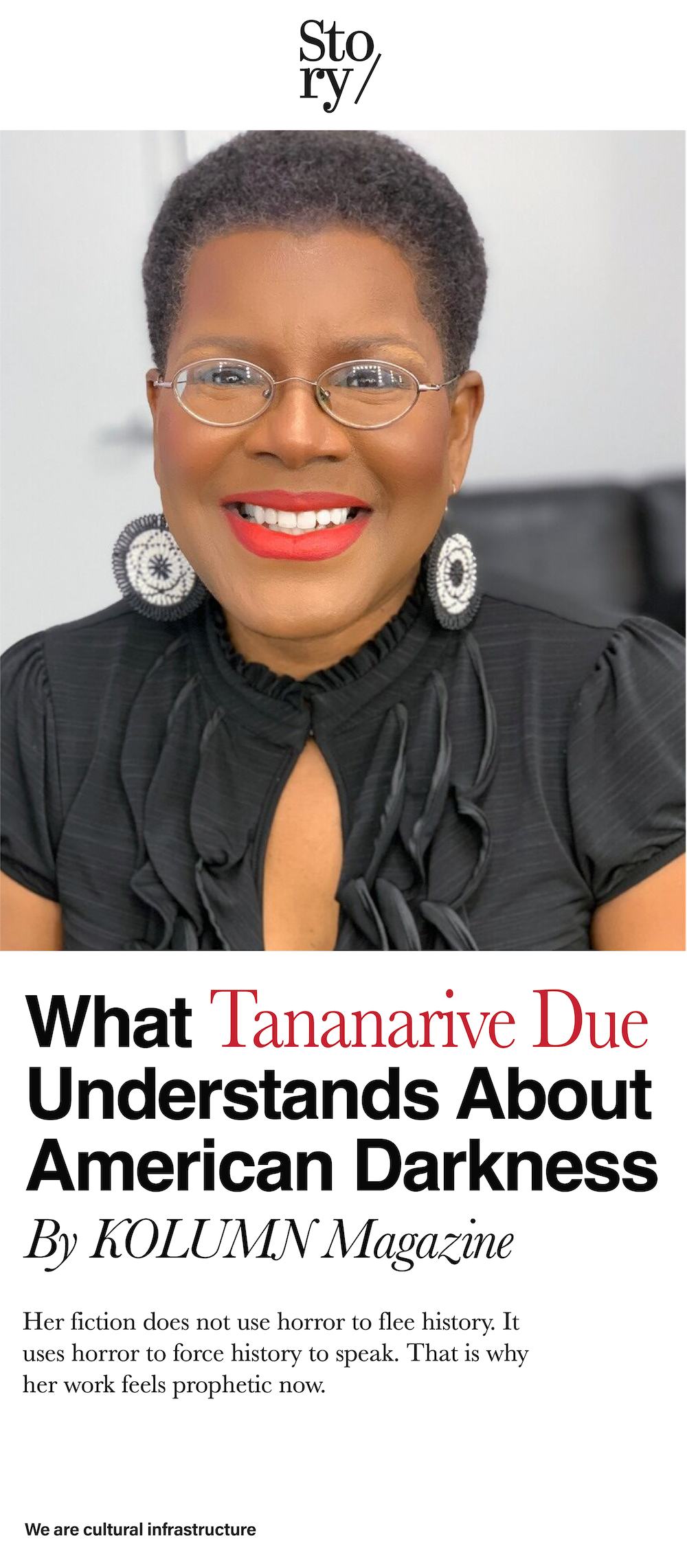
The supernatural is not an exit from history in Tananarive Due’s work. It is history, still speaking.
By KOLUMN Magazine
There are writers who arrive as specialists, and then there are writers who alter the vocabulary of an entire field. Tananarive Due belongs to the second category. Over the past three decades, she has built one of the most intellectually rigorous, emotionally unsettling, and formally elastic bodies of work in American letters: novels, short stories, memoir, screenwriting, criticism, documentary production, and teaching that together helped define what Black speculative fiction and Black horror now mean in public culture. She is not merely a successful horror novelist, though she is that. She is not only an award-winning literary figure, though that, too, is indisputable. She is one of the key architects of a Black horror renaissance that finally has the cultural visibility to look, from a distance, inevitable. Up close, it looks more like labor.
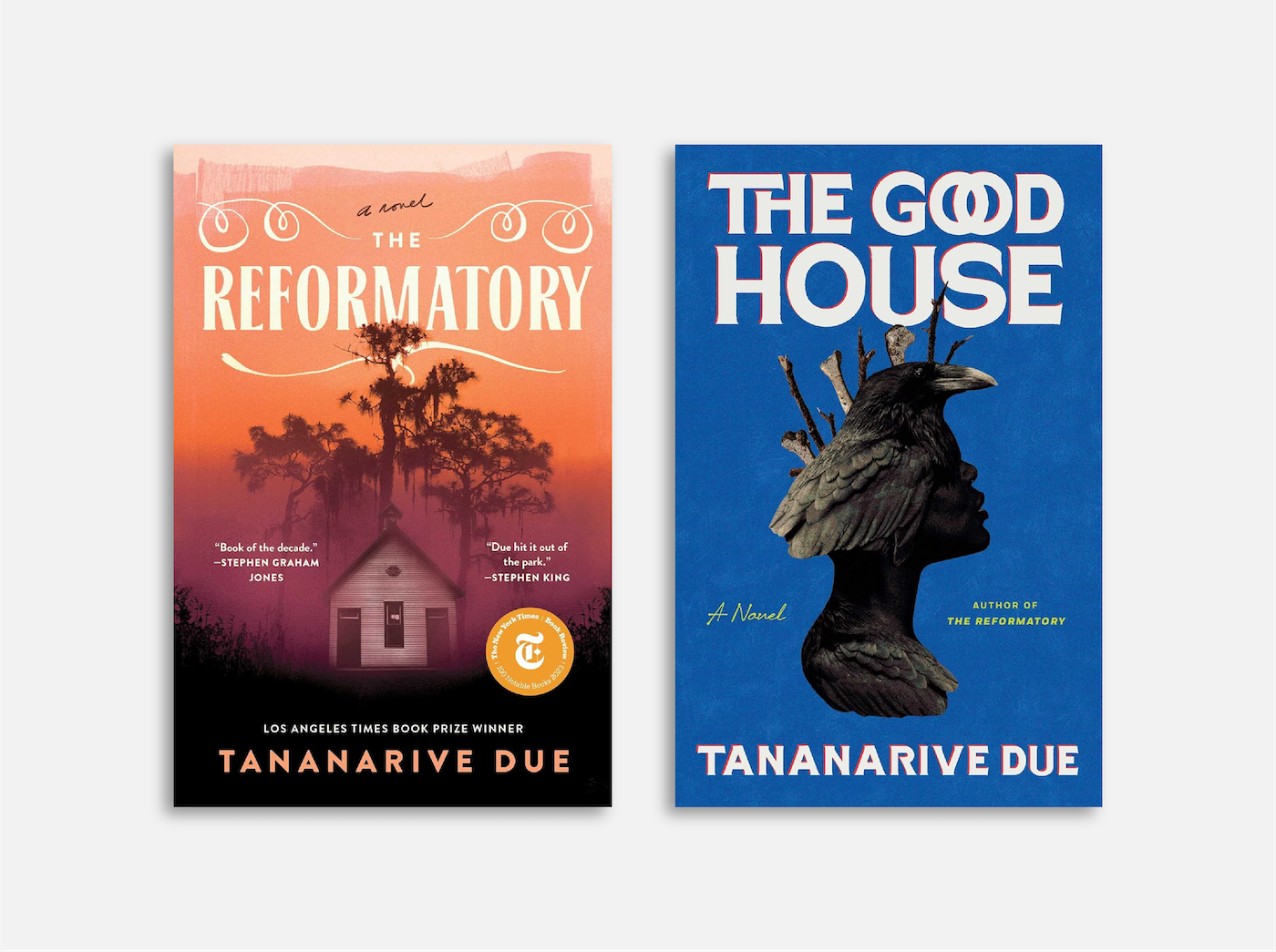
That labor has been recognized in increasingly public ways. Due teaches Black Horror and Afrofuturism at UCLA, served as an executive producer on Horror Noire: A History of Black Horror, and has seen her recent novel The Reformatory collect some of the most significant honors in genre literature, including the Los Angeles Times Book Prize, the Bram Stoker Award, and the Shirley Jackson Award. But awards, while useful, do not quite explain the force of her significance. Due matters because she has insisted, long before the market caught up, that Black life contains its own cosmologies of terror, wonder, ancestry, and futurity—and that these belong at the center of literature, not at its margins.
For KOLUMN, which has repeatedly returned to the question of how Black artists transform inherited memory into living form, Due presents a particularly revealing case. Like the Black cultural figures this magazine has recently considered across literature and visual art, she works in the space where history refuses to stay buried. But Due’s distinction is that she rarely treats haunting as metaphor alone. In her fiction, the ghost is often also a record. The monster is often also an institution. The supernatural is not escape from reality; it is reality under pressure, reality rendered visible by dread. That is why her work endures beyond trend cycles. She writes with the understanding that America does not simply produce trauma. It reproduces it, disguises it, markets it, denies it, and then acts surprised when it returns as a scream.
To understand Due’s literary imagination, it helps to begin where many of her deepest concerns begin: family. She was born in Tallahassee, Florida, to two towering civil-rights figures, Patricia Stephens Due and John Dorsey Due Jr. Her mother was a leading activist in the Tallahassee movement, one of the students who endured arrests and a 49-day jail-in after the 1960 sit-in movement; her father became a civil-rights lawyer whose work extended through Freedom Summer and other pivotal legal fights in the South. Their daughter grew up not on the periphery of movement history but inside its moral weather. Her later memoir with her mother, Freedom in the Family, reflects that inheritance directly, tracing not only the movement’s public struggle but its private emotional cost and familial afterlife.
This lineage matters because Due’s fiction has always been preoccupied with what gets passed down: bloodlines, burdens, memory, silence, unfinished business. In another writer’s hands, such material might become solemn realism or dutiful historical fiction. Due chose the speculative. That choice was not evasive. It was diagnostic. Horror gave her a form capacious enough to hold what conventional realism often struggles to express: intergenerational dread, spiritual residue, the sensation that the past is not over because the structure that produced it is not over. When she says horror feels familiar to Black audiences, she is not making a glib branding observation. She is describing a psychic and political condition in which the genre’s grammar—fear, threat, pursuit, survival—already resembles lived experience.
Due’s educational path also complicates the lazy assumption that horror is somehow less serious than other literary forms. She earned a journalism degree from Northwestern’s Medill School and later completed an M.A. in English literature at the University of Leeds, where she specialized in Nigerian literature. That dual formation—reportorial discipline on one hand, transnational literary study on the other—helps explain the unusual precision of her prose and the breadth of her conceptual frame. Even at her most uncanny, she writes like someone who understands evidence, context, and history’s stubborn materiality. The monsters in her books may be supernatural, but their settings, institutions, and emotional economies are painstakingly observed.
Before the larger literary establishment decided Black horror was having a moment, Due was already at work. She wrote while working as a journalist at the Miami Herald, and her 1995 debut novel, The Between, immediately announced a writer unwilling to separate psychological unease from racialized reality. She followed it with My Soul to Keep, the book that remains for many readers a gateway into her world: a seductive, philosophically charged reimagining of vampire mythology through an African and diasporic lens. Instead of recycling European Gothic conventions, Due turned immortality into a meditation on intimacy, secrecy, empire, and survival. She was not borrowing the genre. She was repossessing it.
That repossession is one of the keys to her place in American literature. For too long, Black writers working in speculative forms were either treated as anomalies or pressured to justify their genre choices in political terms more “acceptable” to mainstream literary culture. Due has spoken about the old suspicion that writing vampires, ghosts, or supernatural dread was somehow a misuse of talent—a suspicion that reveals how deeply racialized literary prestige has been. The implication, often unspoken, was that Black writers could write about race, or realism, or social struggle, but that fantasy and horror belonged elsewhere. Due’s career is, in part, a sustained rebuke to that provincialism.
And yet it would be too simple to say she merely inserted Black characters into existing horror forms. Her real achievement is larger. She altered the ontological assumptions of the genre itself. In Due’s fiction, Black people do not wander accidentally into horror. They inhabit a society already structured by horror. That means the supernatural is never just spectacle. It enters a field already charged by state violence, family fracture, racial erasure, and historical theft. The result is fiction that can move with astonishing fluency between domestic realism and metaphysical terror, between sensual immediacy and social allegory. It is one reason her books often feel at once intimate and civilizational.
Consider The Good House, one of her most beloved novels. On its face, it is a haunted-house story, but that description barely contains it. The book uses the architecture of horror to explore grief, community, inheritance, addiction, maternal failure, and the price of disbelieving what one’s lineage already knows. Due’s gift is that she can write terror without flattening character into function. Her protagonists are not genre pieces arranged for effect. They are complicated Black people whose class positions, family relationships, spiritual inheritances, and emotional evasions shape what the haunting means. That density is part of why readers do not merely consume her books. They live in them.
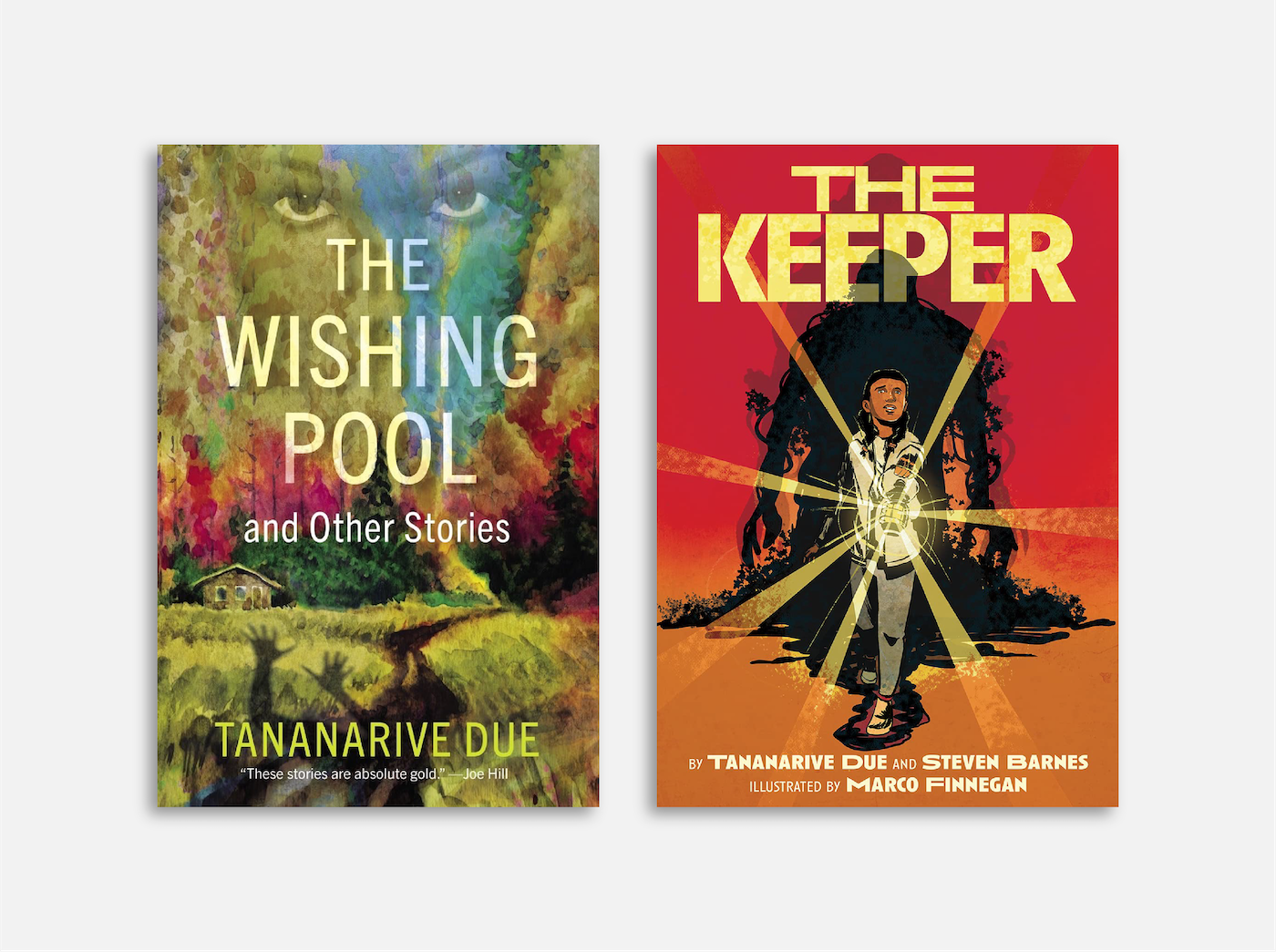
Her range is also too often underestimated. Due is a novelist of horror, yes, but also of historical recovery and Black feminist interiority. The Black Rose, her novel about Madam C.J. Walker built from research begun by Alex Haley, showed an early willingness to merge archival ambition with accessible narrative force. Freedom in the Family, co-authored with her mother, demonstrated that she could move outside fiction without surrendering dramatic power. The Tennyson Hardwick collaborations with Steven Barnes and Blair Underwood displayed genre dexterity of another kind. Her story collection Ghost Summer and later The Wishing Pool and Other Stories confirmed what close readers already knew: that her shorter work can deliver concentrated emotional devastation with the same confidence as her longer novels.
Still, if there is a single recent work that clarifies both Due’s literary stature and her historical method, it is The Reformatory. The novel is based in part on the notorious Dozier School for Boys in Florida, where her great-uncle Robert Stephens died in 1937 at age 15. Due has written and spoken about the grief surrounding that history, including her family’s encounter with the exhumation process that sought to recover the remains of boys buried there. What she did with that material is remarkable not simply because it is powerful, but because it avoids the false choice between historical seriousness and genre propulsion. The Reformatory is both a novel of Jim Crow terror and a supernatural reckoning. The ghosts are not decorative. They are witnesses.
That distinction is crucial. In weaker historical horror, atrocity becomes atmosphere. In Due’s hands, it becomes accusation. The Reformatory does not aestheticize racial violence into tasteful literary suffering. Nor does it treat the institution at its center as a generic symbol of evil. It restores specificity: place, family, regional history, legal vulnerability, the terror of being Black and young in a system that could disappear you and then misname your disappearance as discipline. The novel’s acclaim—including its recognition from the Los Angeles Times and the horror establishment alike—signals more than individual triumph. It suggests a broader critical willingness, finally, to meet Black genre work at the level of its craft and ambition.
But even that welcome should be narrated with caution. Paula L. Woods, writing in the Los Angeles Times, described Due as both a pioneer and a figure arriving in a moment when Black horror has new momentum. That pairing is telling. The “moment” did not simply appear. It was built by writers, critics, scholars, and filmmakers who kept insisting that the field existed even when publishing and Hollywood treated it as niche. Due has been one of the most important of those builders. To call her timely is true, but incomplete. She is also one of the reasons the time changed.
Her work beyond fiction makes that even clearer. As an executive producer on Shudder’s Horror Noire: A History of Black Horror and a visible public interpreter of the genre, Due has helped supply the discourse that allows audiences to understand Black horror as more than representation politics or marketing category. She frames it as lineage, critique, and survival technology. Her UCLA class, “The Sunken Place: Racism, Survival and the Black Horror Aesthetic,” which grew out of the aftershocks of Jordan Peele’s Get Out, became famous because it captured something the academy and popular culture were both suddenly ready to confront: horror has always been one of the languages through which Black people think publicly about danger, containment, possession, and resistance.
In that sense, Due is unusually important as both maker and theorist. Many writers can discuss their genre. Fewer help redefine its intellectual architecture. Due does. She has repeatedly argued against flattening Black horror into a single theme, even while acknowledging that racism remains one of its central realities. That tension matters. Her insistence that not all Black horror is “about race” is not a denial of racial history. It is a refusal of reduction. Black imaginative life is not exhausted by oppression, even when oppression shapes its conditions. Due’s oeuvre understands this with uncommon sophistication. Her work contains terror, desire, sensuality, humor, mourning, scholarship, devotion, and play. It contains Black life as abundance, not only as wound.
There is also a journalistic backbone to her writing that deserves more attention. Because she began in reporting, Due knows how systems operate: courts, schools, towns, families, media narratives, the quiet bureaucracies that distribute vulnerability. Even in speculative mode, she is acutely attentive to structures. That may be why her books carry a distinct feeling of plausibility, even when they are overtly supernatural. She understands that the unbelievable thing in America is often not the ghost but the alibi offered for the violence everyone saw. She understands how denial works. She understands the rhetoric by which institutions call cruelty order.
This is especially resonant now, in an era when American culture seems both obsessed with horror and frightened of history. Due’s work bridges those anxieties with unnerving precision. She does not write nostalgia, and she does not write despair as fashion. What she writes is consequence. The past in her fiction is rarely a closed chamber. It is a pressure system. It leaks, mutates, possesses, and returns. In that way, her books belong to a Black literary tradition that includes Toni Morrison and Octavia Butler without imitating either one. Like Morrison, she understands haunting as social text. Like Butler, she understands speculative form as an instrument for hard thinking. But Due’s sensibility is distinctly her own: sensual, grave, accessible, and deeply committed to dread as revelation.
The accessibility matters. It is one of the least glamorous and most consequential parts of her contribution. Due writes with intellectual seriousness, but she does not mistake opacity for depth. Her books invite readers in even when they are asking them to confront brutal material. That openness has helped expand the audience for Black speculative work across generations of readers who might have been trained to think genre fiction was somehow beneath them or not “for” them. When Ebony, Word In Black, The Root, the Washington Post, and other venues point readers toward her work, they are responding not only to quality but to reach. She can speak across constituencies without diluting the work’s complexity.
Her collaborations also complicate the solitary-genius myth that often distorts literary coverage. Due has worked with Steven Barnes across fiction and film, collaborated on projects tied to The Twilight Zone and the Horror Noire anthology, and remained visibly engaged in community-building around Black speculative arts. That collaborative habit is part of her legacy, too. She is not simply a writer with a career; she is a node in an ecosystem. Younger writers, scholars, and filmmakers regularly speak of her as a pathfinder, mentor, or legitimizing force. You can feel her influence not only in books that resemble hers, but in the broader confidence with which Black horror now names itself.
It is worth remembering how much resistance a career like this once faced. In American literary culture, Black writers have often been asked to prove either their seriousness or their racial authenticity, sometimes both at once. Genre fiction introduces another filter of suspicion. Due persisted anyway. She wrote the books. She taught the classes. She made the arguments. She stayed long enough to watch the field widen around work that was once treated as peripheral. That duration is part of the story. Influence is not only about brilliance. It is about endurance under conditions that do not readily reward your vision until, suddenly, they do.
And yet the best way to honor Due is not to embalm her as institution. It is to remain alert to the volatility of her art. Her fiction is alive because it retains surprise. She can move from historical excavation to domestic terror, from philosophical dread to folkloric unease, from page-turning suspense to lyrical grief, without losing tonal authority. Even in a moment when the culture seems hungry to canonize Black horror, Due resists simplification. She is not just a “queen of horror,” though such labels arrive with admiration. She is a literary strategist of fear, a historian of the submerged, a novelist of moral aftermath.
For KOLUMN readers, her significance may finally be this: Tananarive Due helps us understand that Black literature does not merely document what happened. It also imagines what still haunts us because what happened was never fully faced. In her work, the dead are not gone because the nation has not done the work required to let them rest. The child at the reformatory, the woman in the good house, the lover bound to an immortal secret, the family carrying movement history in its bloodstream—all are part of a larger Black archive of unfinished encounter. Due writes that archive with uncommon tenderness and ferocity.
That is why her career feels larger than any single book, even one as acclaimed as The Reformatory. It is the shape of a life’s work that matters: the refusal to segregate imagination from history, the insistence that genre can carry philosophical and political weight, the confidence to center Black spiritual and emotional worlds without apology, the scholarly clarity to name a tradition while actively expanding it. When future accounts of 21st-century American literature are written seriously, not trendily, Tananarive Due will not be a side note to someone else’s movement. She will be one of the writers who made the movement legible.
In the end, Due’s achievement is not that she has taught America to fear better, though she has. It is that she has taught readers to recognize what fear has always been trying to say. Horror, in her hands, is not a detour around truth. It is one of truth’s most exacting forms. She understands that for Black Americans, terror has never been purely imaginary. But neither has survival. Her work holds both facts at once. That doubleness—terror and survival, haunting and witness, grief and invention—is the signature of her art. And it is why Tananarive Due stands not only as a major Black horror writer, but as one of the essential American authors of her generation.
More great stories
Afro Sheen, Wall Street, and the Architecture of Black Possibility
July 6, 2026
No Comments
The Fire Inside the Fourth
July 5, 2026
No Comments