

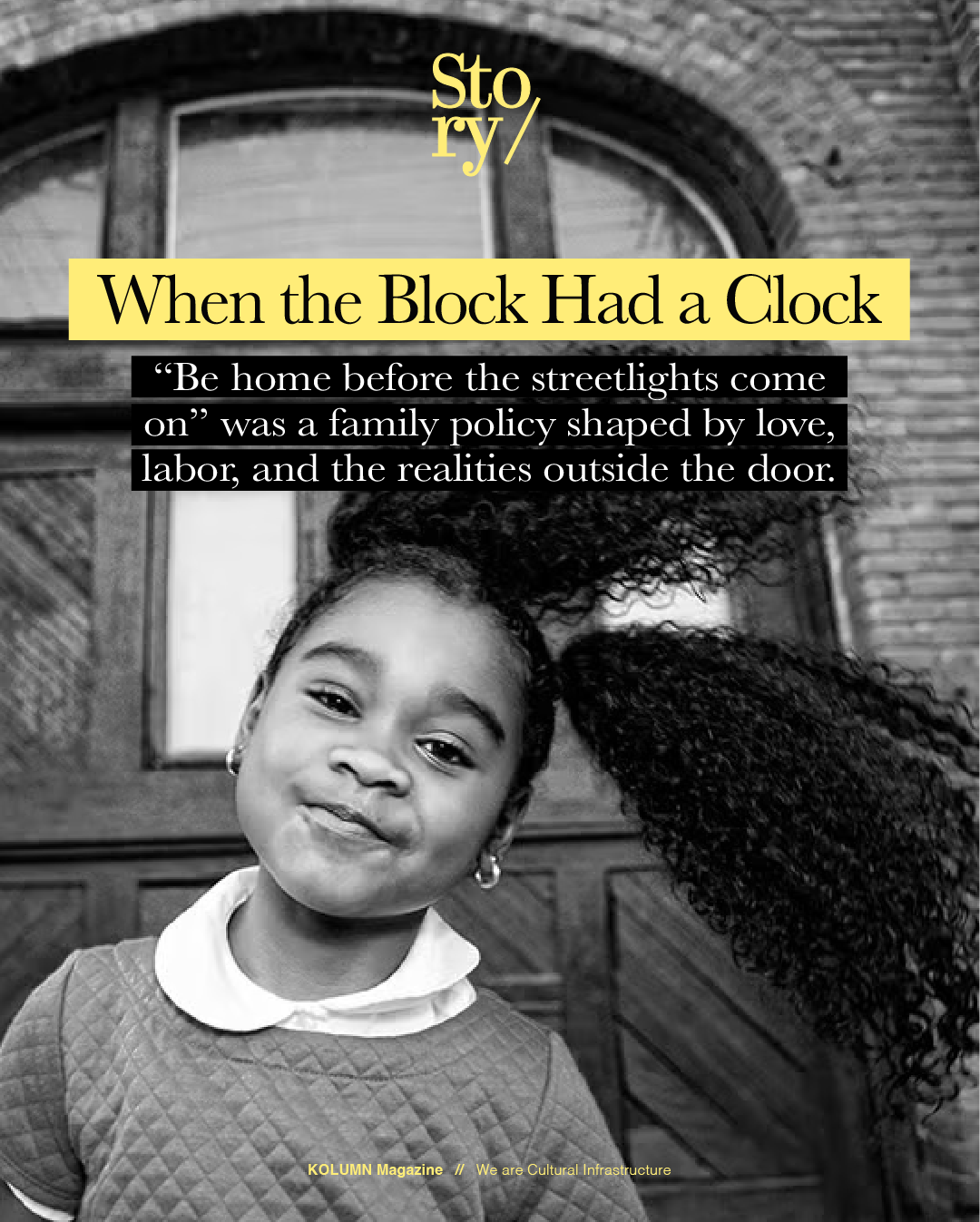
When the Block Had a Clock
“Be home before the streetlights come on” was a family policy shaped by love, labor, and the realities outside the door.
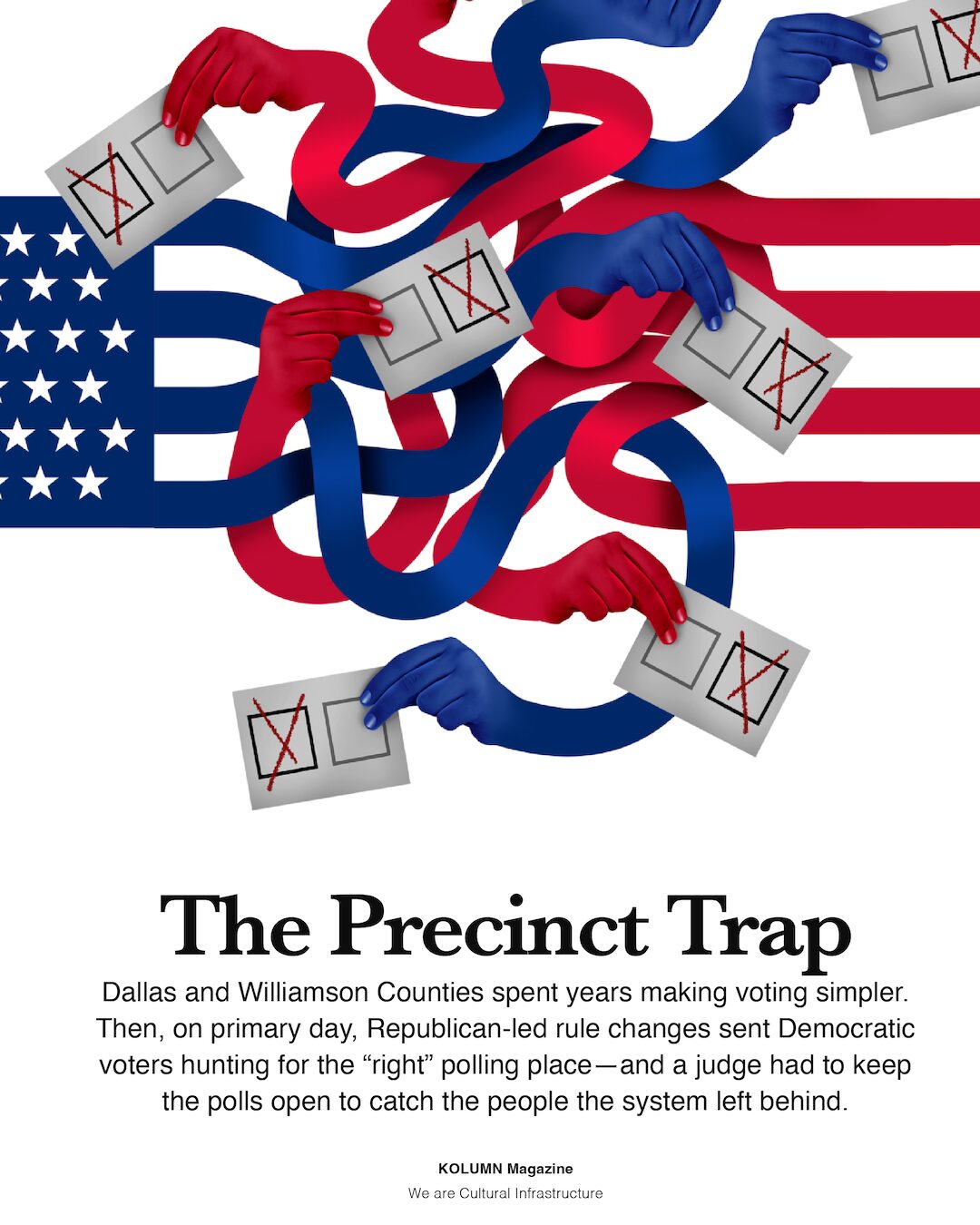
The Precinct Trap
Dallas and Williamson Counties spent years making voting simpler. Then, on primary day, Republican-led rule changes sent Democratic voters hunting for the “right” polling place
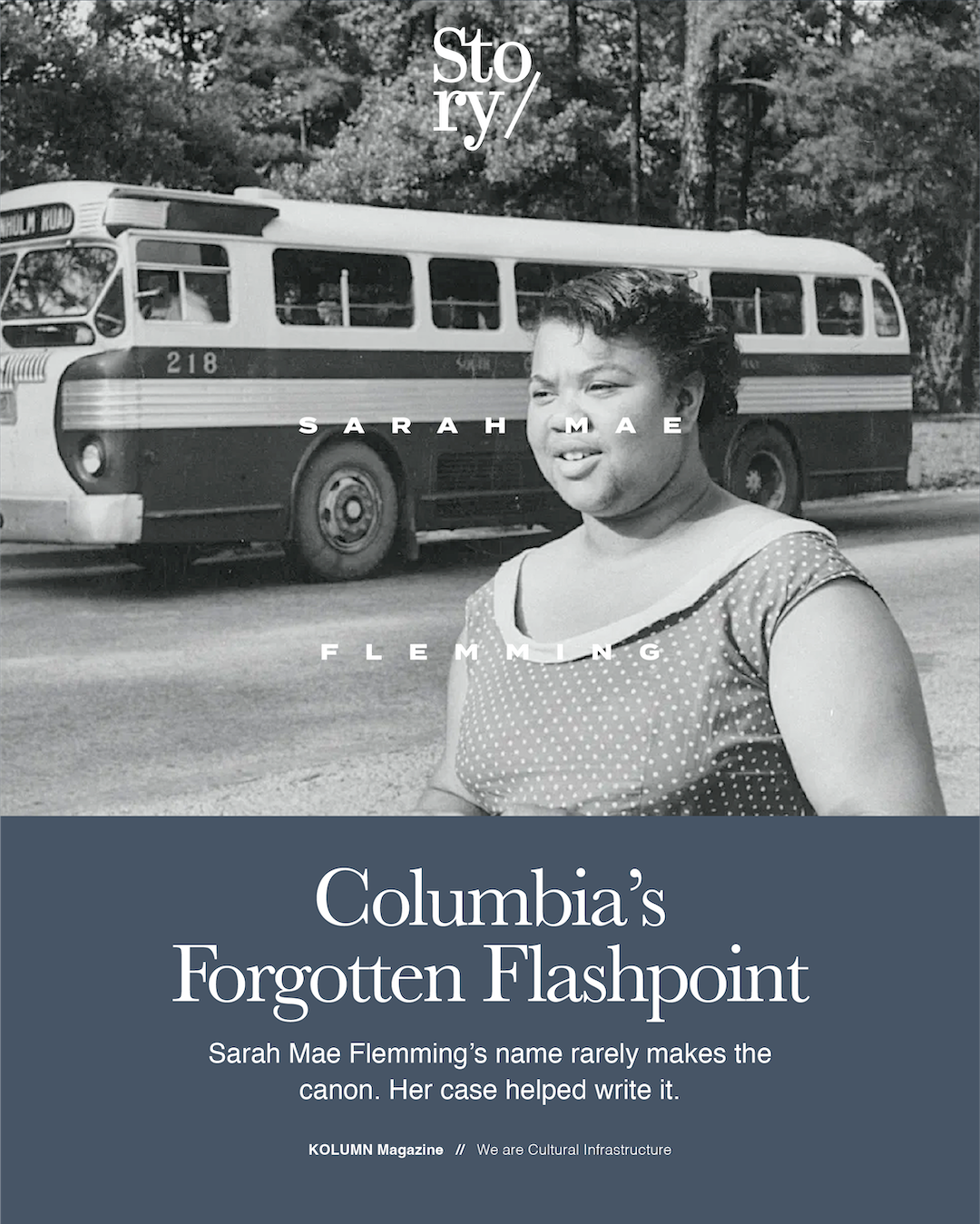
Columbia’s Forgotten Flashpoint
Sarah Mae Flemming’s name rarely makes the canon. Her case helped write it.
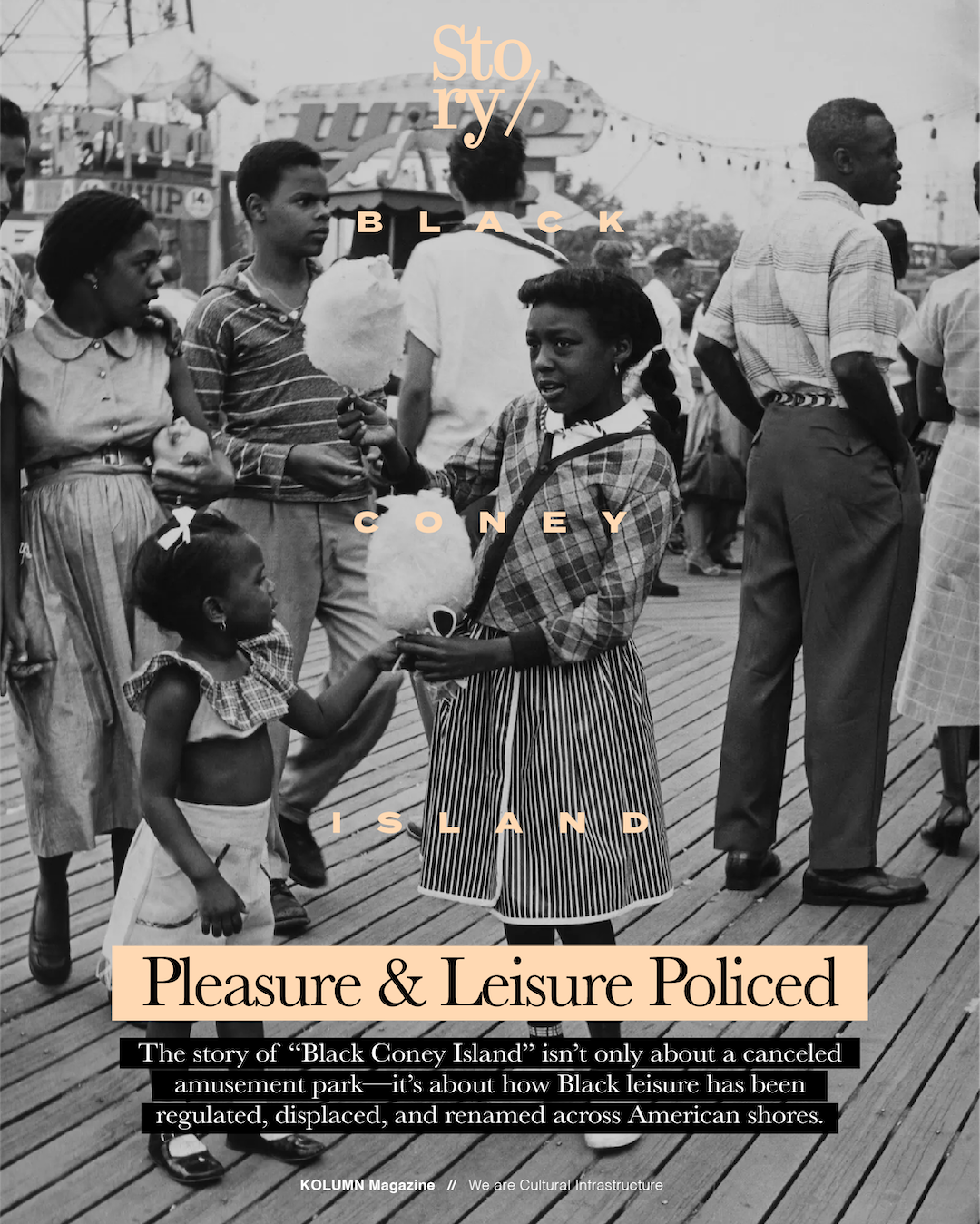
Pleasure and Leisure Policed
The story of “Black Coney Island” isn’t only about a canceled amusement park—it’s about how Black leisure has been regulated, displaced, and renamed across American shore
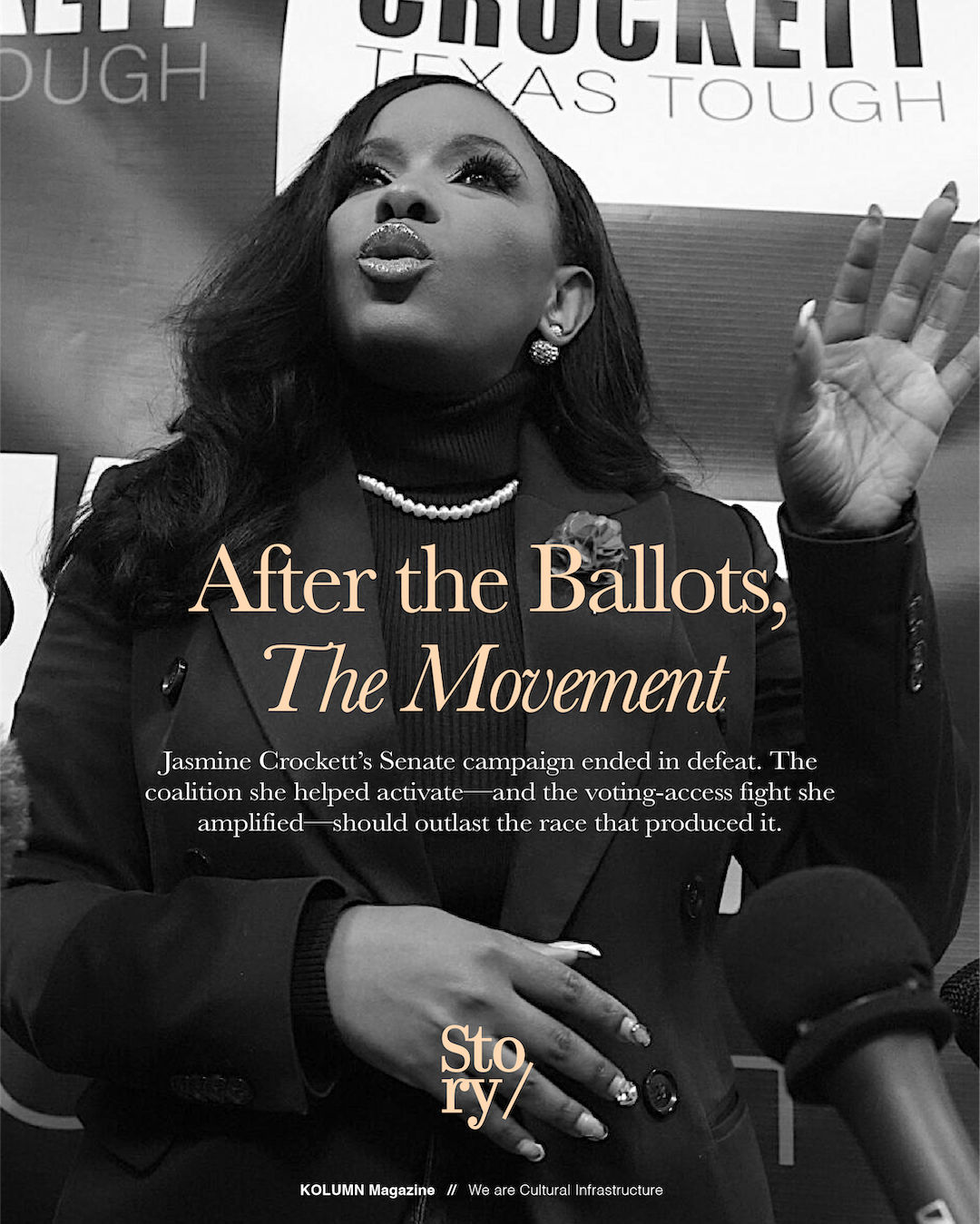
After the Ballots, the Movement
Jasmine Crockett’s Senate campaign ended in defeat. The coalition she helped activate—and the voting-access fight she amplified—should outlast the race that produced it.
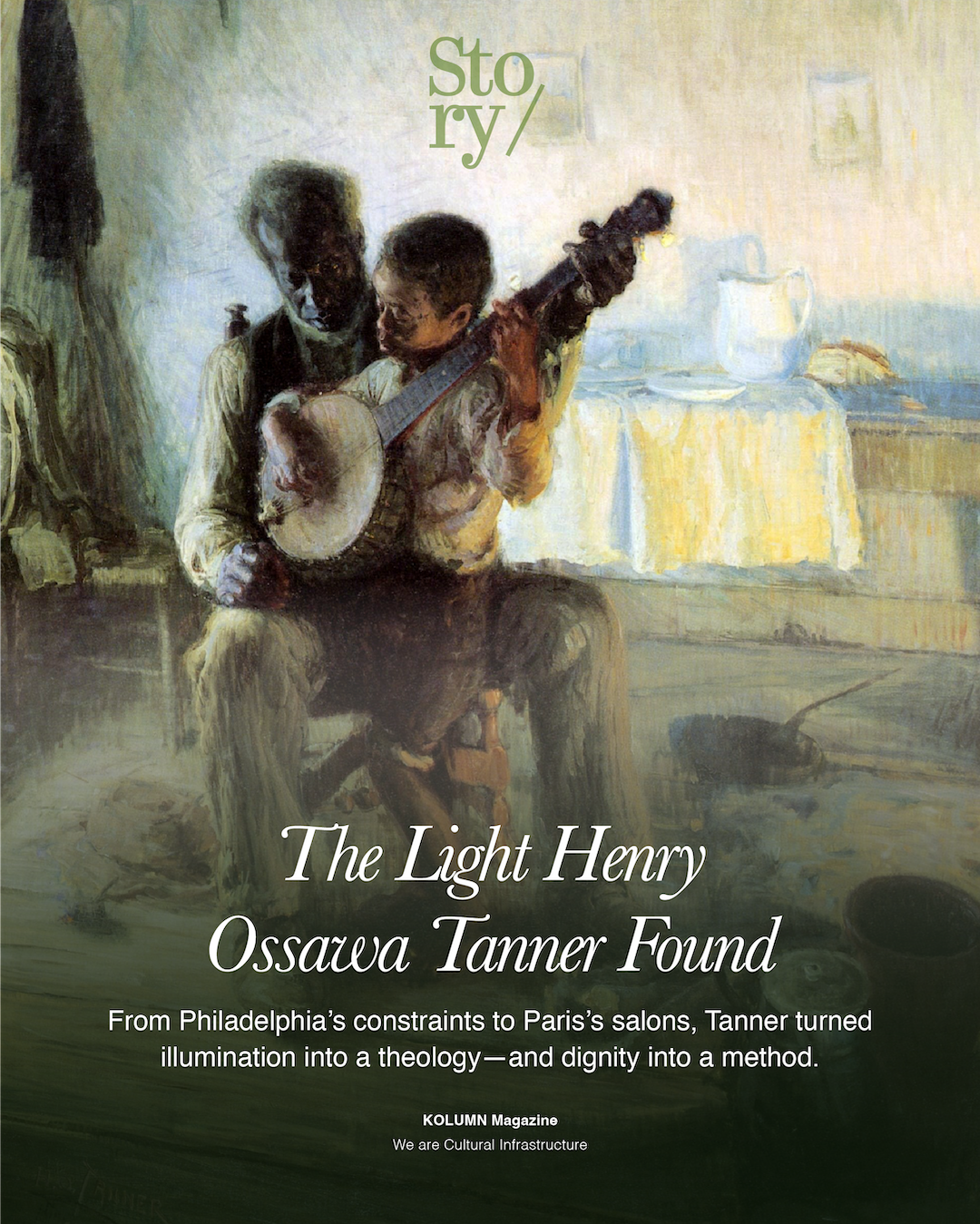
The Light Henry Ossawa Tanner Found
From Philadelphia’s constraints to Paris’s salons, Tanner turned illumination into a theology—and dignity into a method
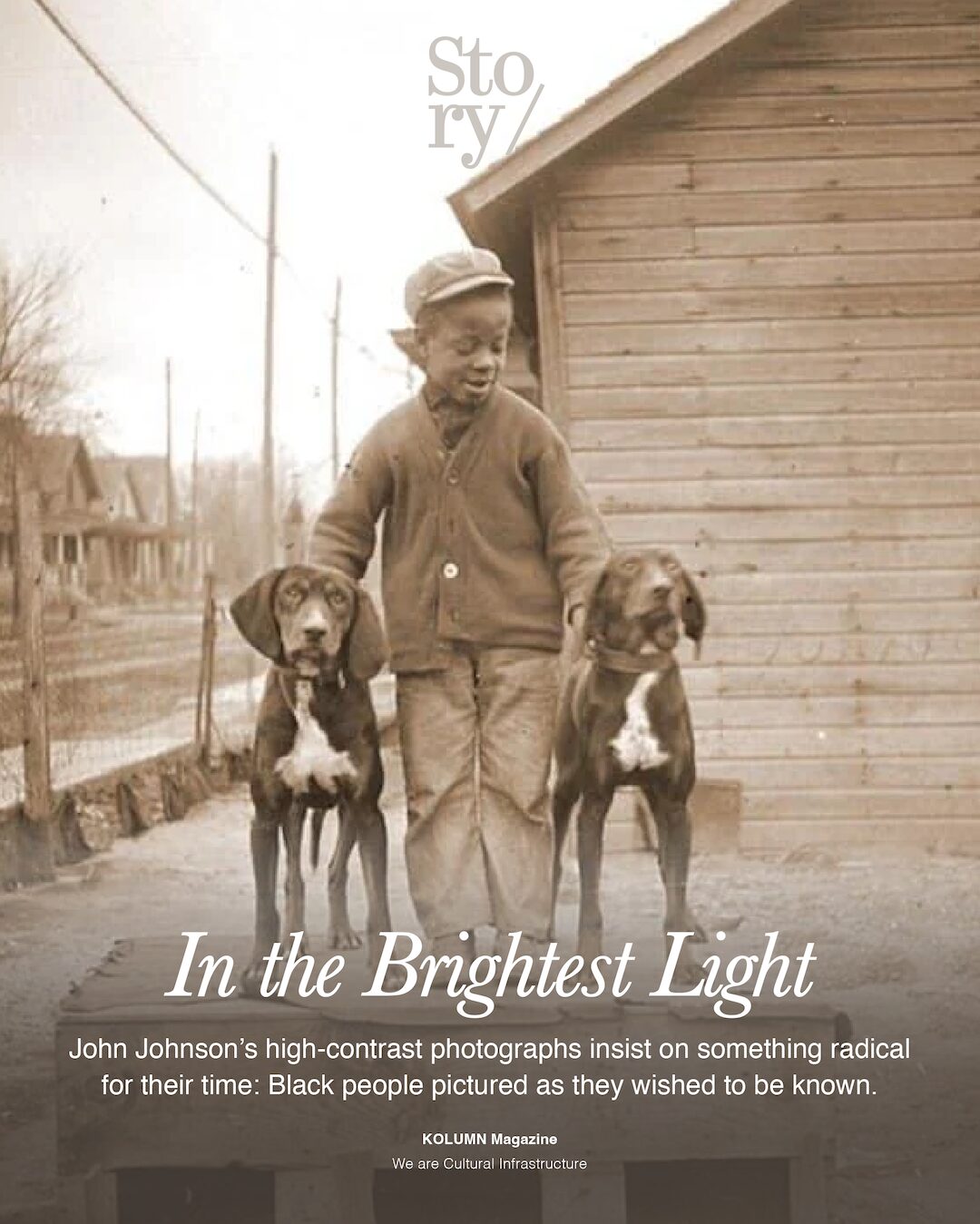
In the Brightest Light
John Johnson’s high-contrast photographs insist on something radical for their time: Black people pictured as they wished to be known.
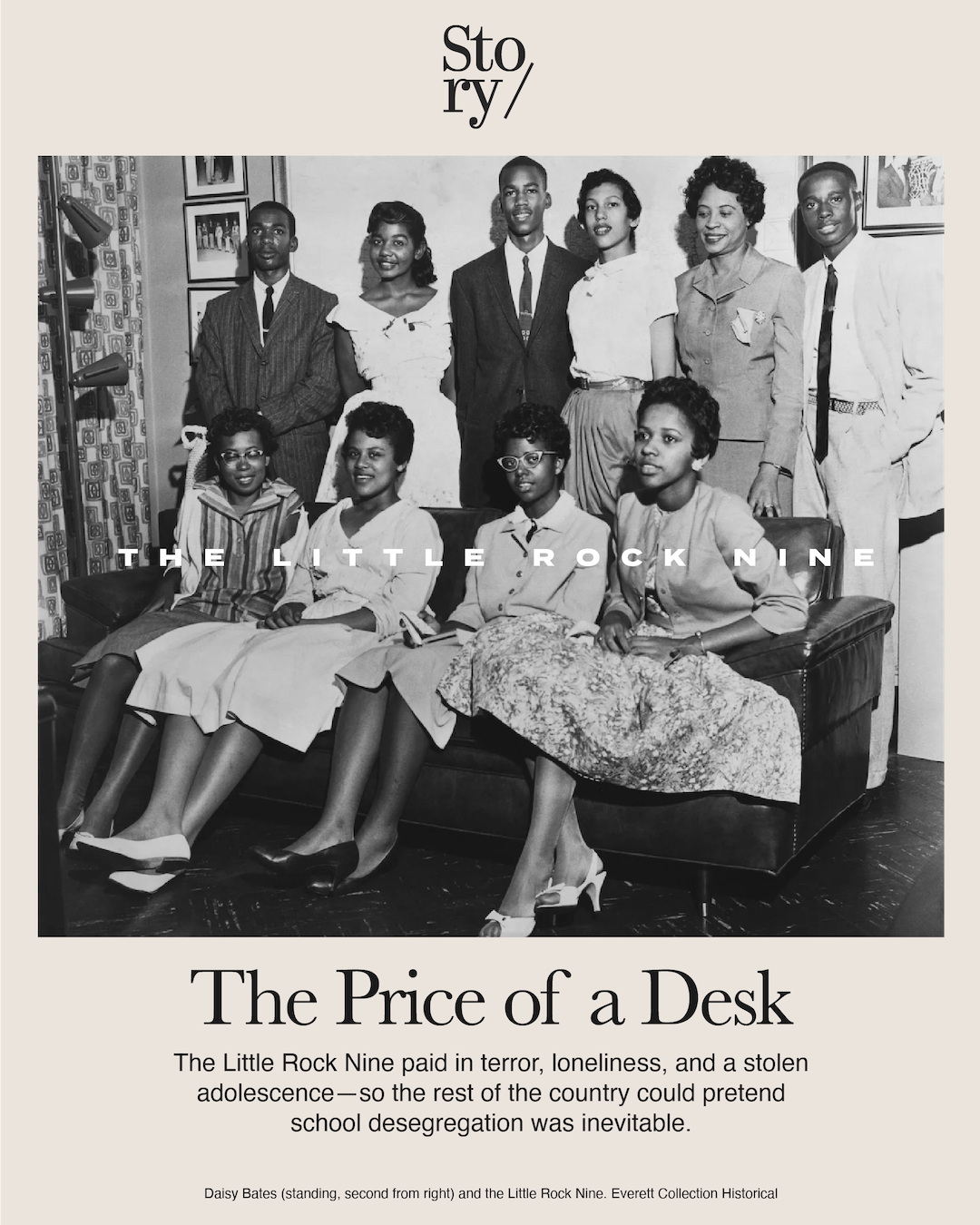
The Price of a Desk
The Little Rock Nine paid in terror, loneliness, and a stolen adolescence—so the rest of the country could pretend school desegregation was inevitable.
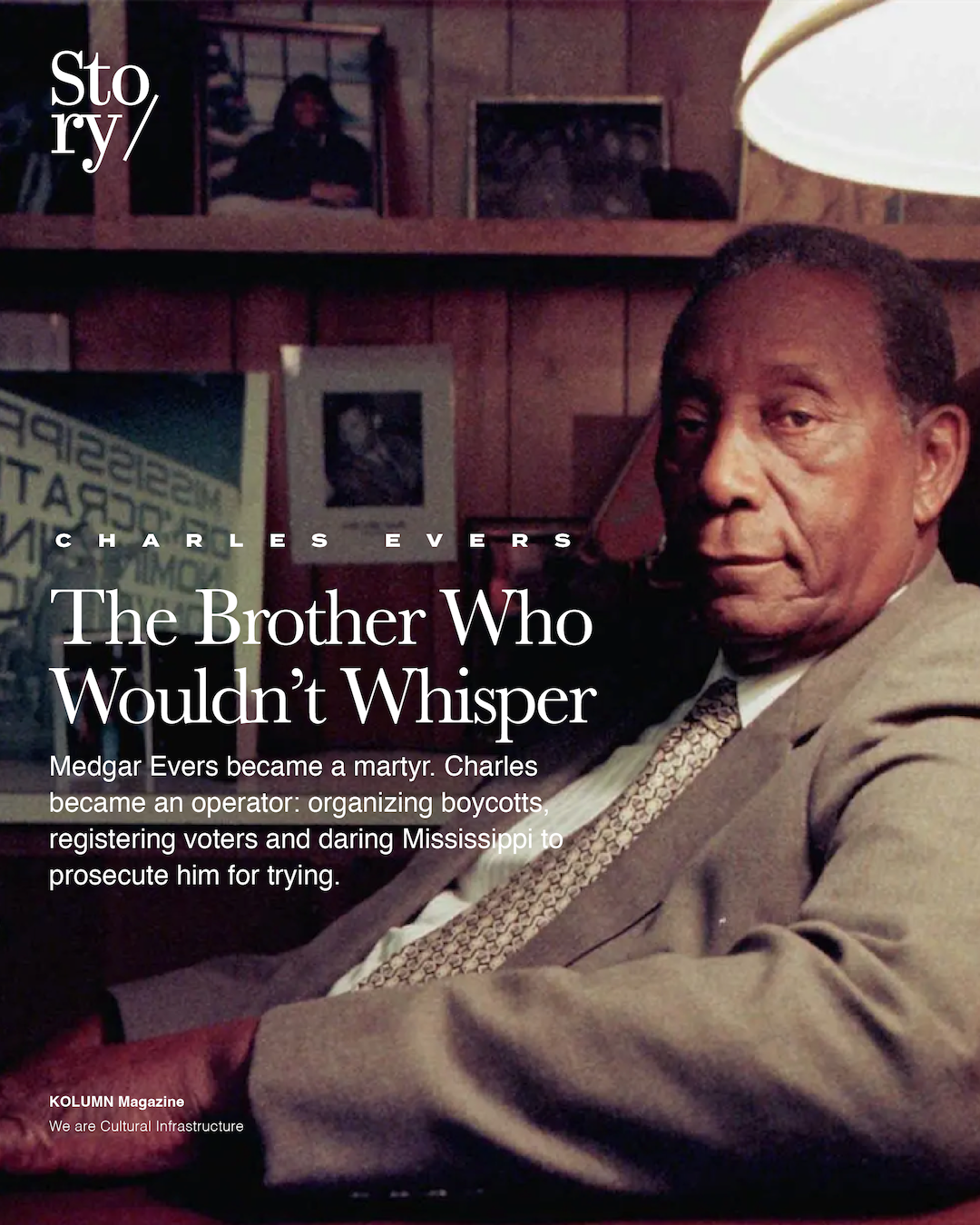
The Brother Who Wouldn’t Whisper
Medgar Evers became a martyr. Charles became an operator: organizing boycotts, registering voters and daring Mississippi to prosecute him for trying.
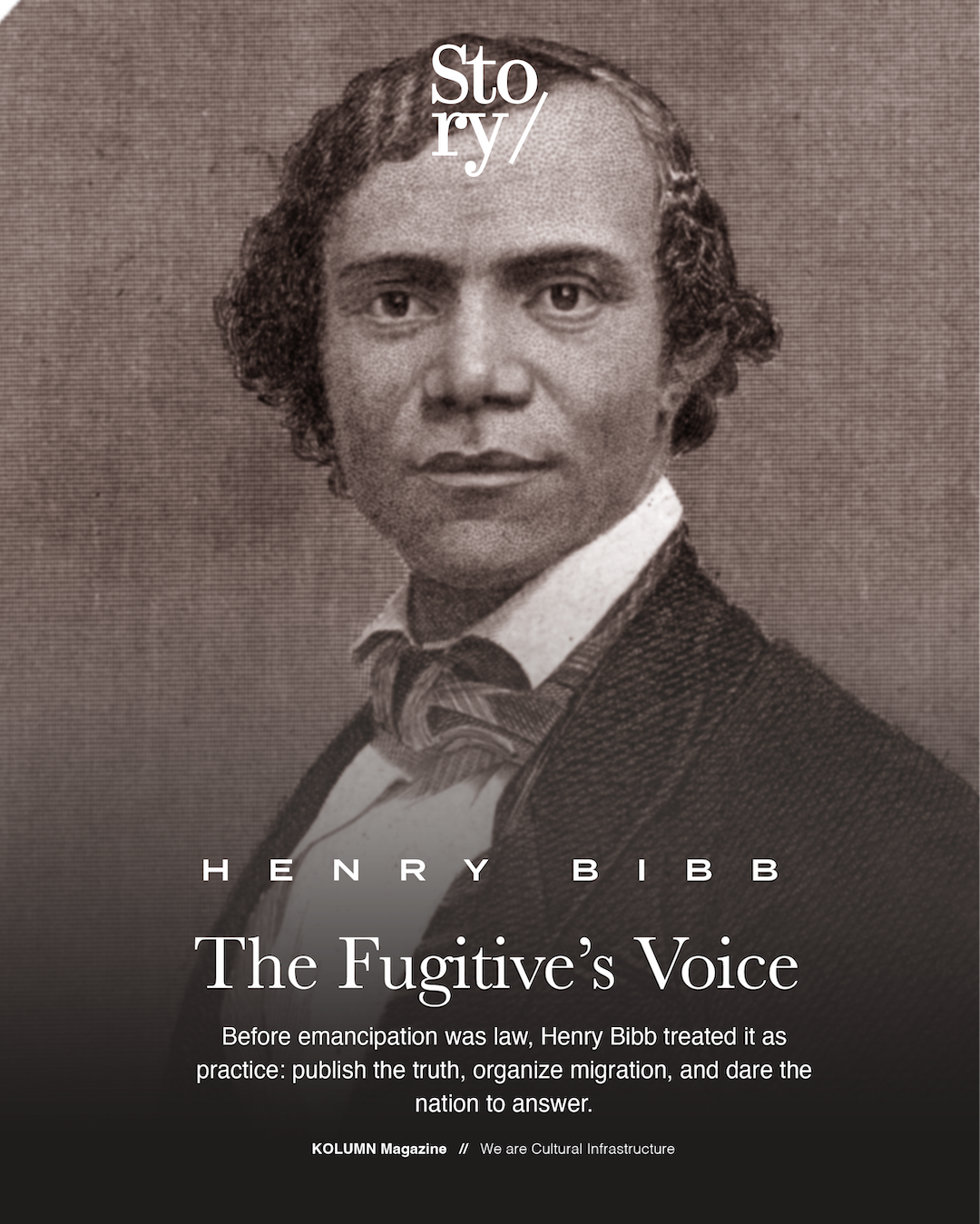
The Fugitive’s Voice
Before emancipation was law, Henry Bibb treated it as practice: publish the truth, organize migration, and dare the nation to answer.