

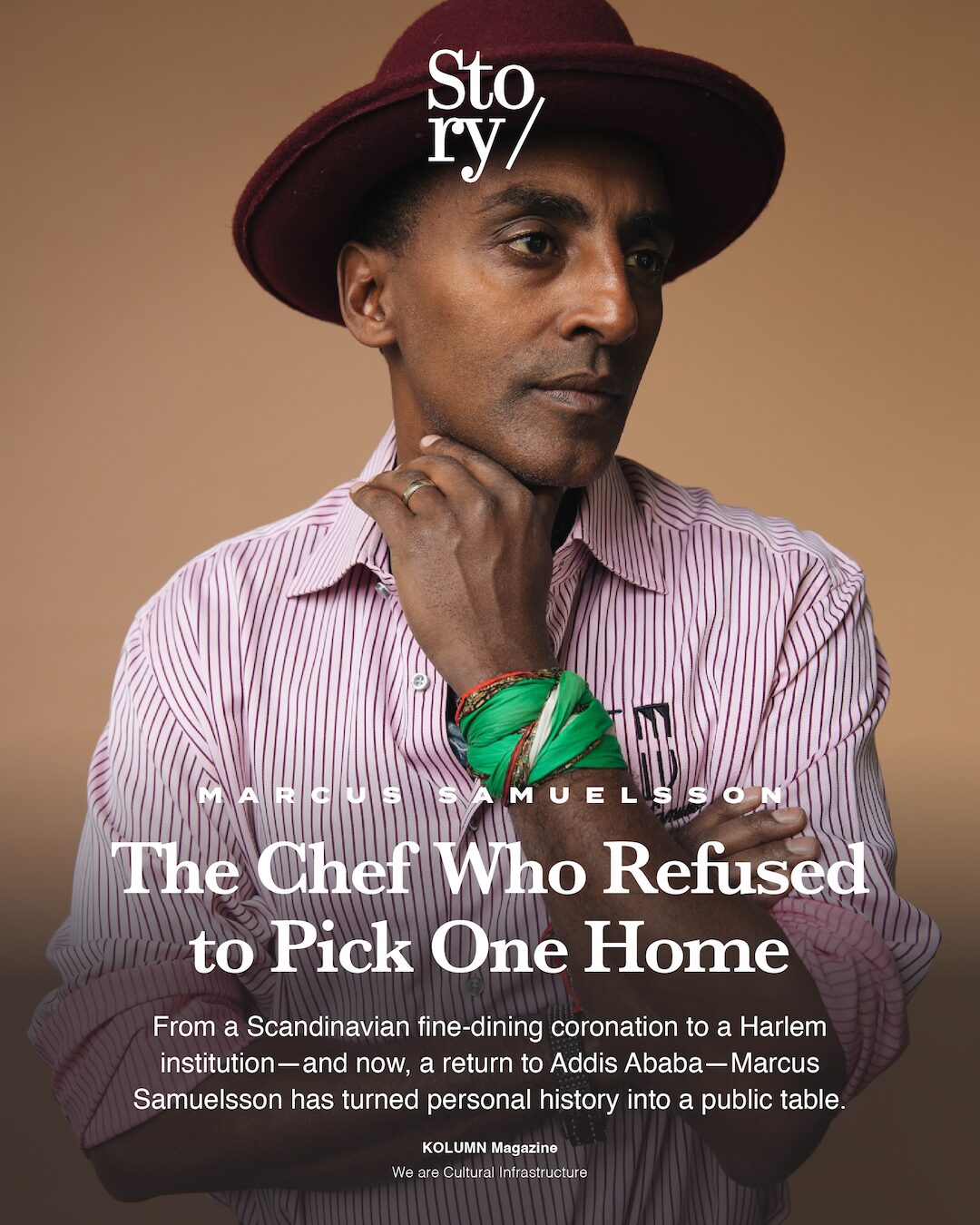
The Chef Who Refused to Pick One Home
From a Scandinavian fine-dining coronation to a Harlem institution—and now, a return to Addis Ababa—Marcus Samuelsson has turned personal history into a public table.
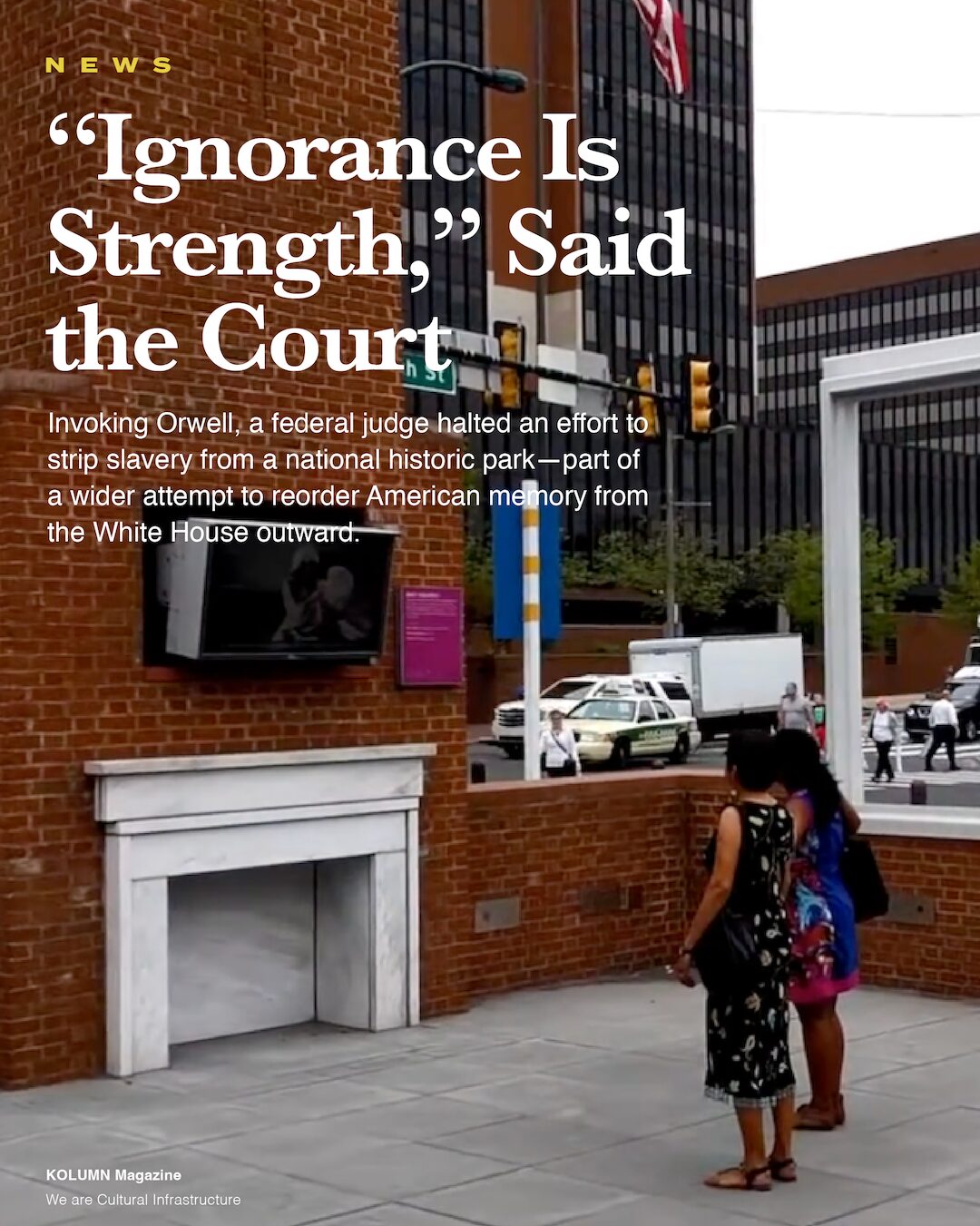
“Ignorance Is Strength,” Said the Court
Invoking Orwell, a federal judge halted an effort to strip slavery from a national historic park—part of a wider attempt to reorder American memory from the White House outward.
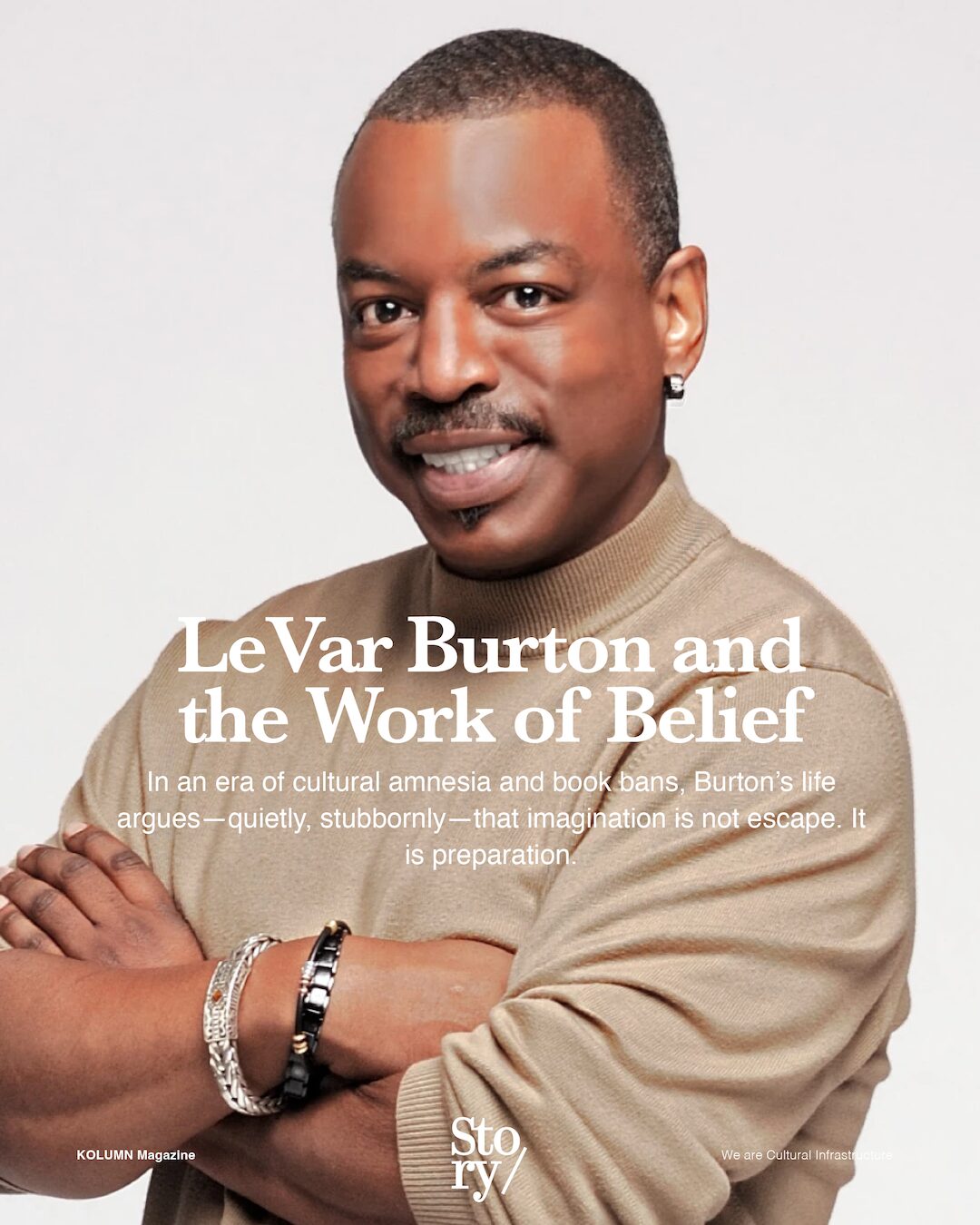
LeVar Burton and the Work of Belief
In an era of cultural amnesia and book bans, Burton’s life argues—quietly, stubbornly—that imagination is not escape. It is preparation.
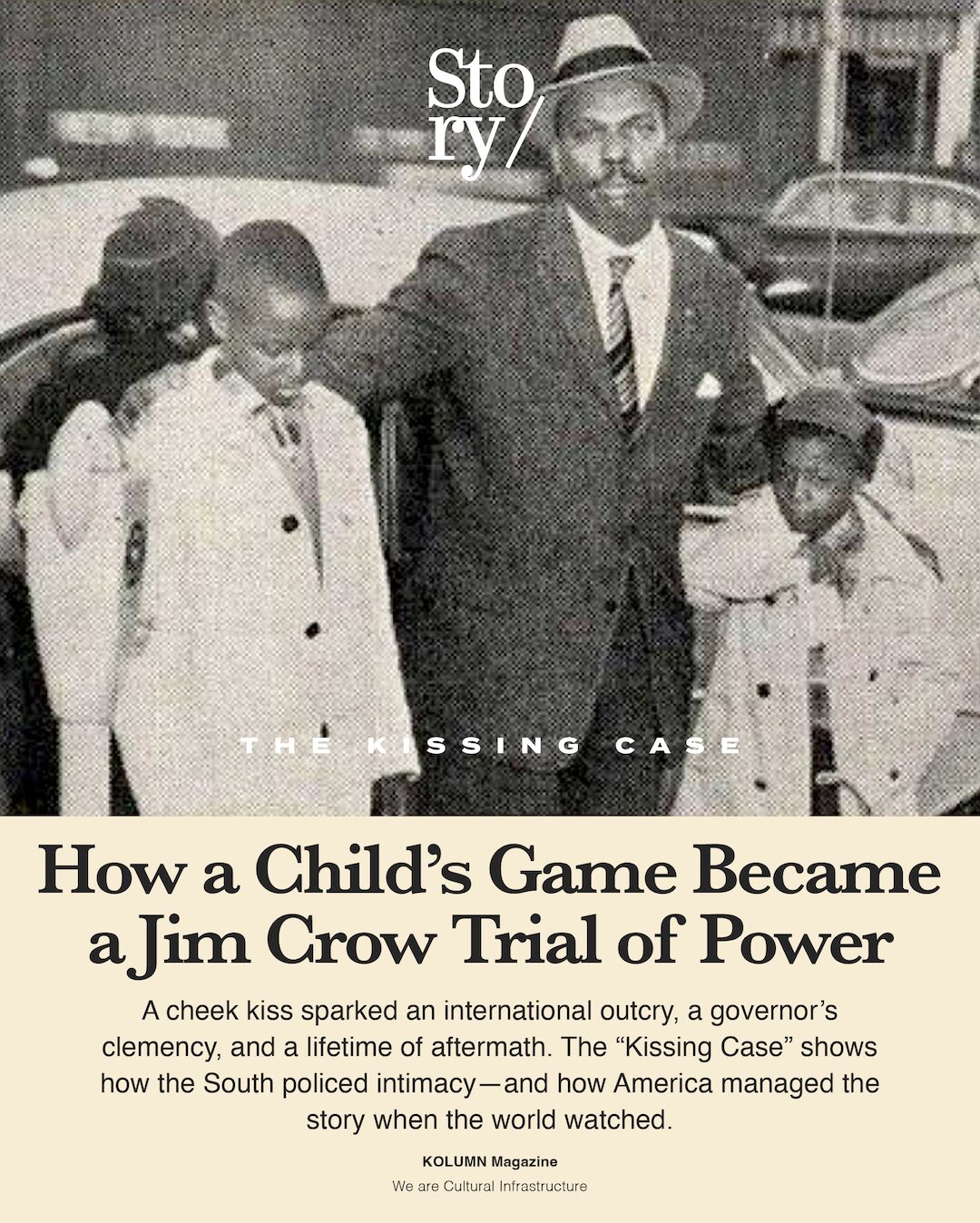
The Kissing Case: How a Child’s Game Became a Jim Crow Trial of Power
A cheek kiss sparked an international outcry, a governor’s clemency, and a lifetime of aftermath. The “Kissing Case” shows how the South policed intimacy—and how America ma
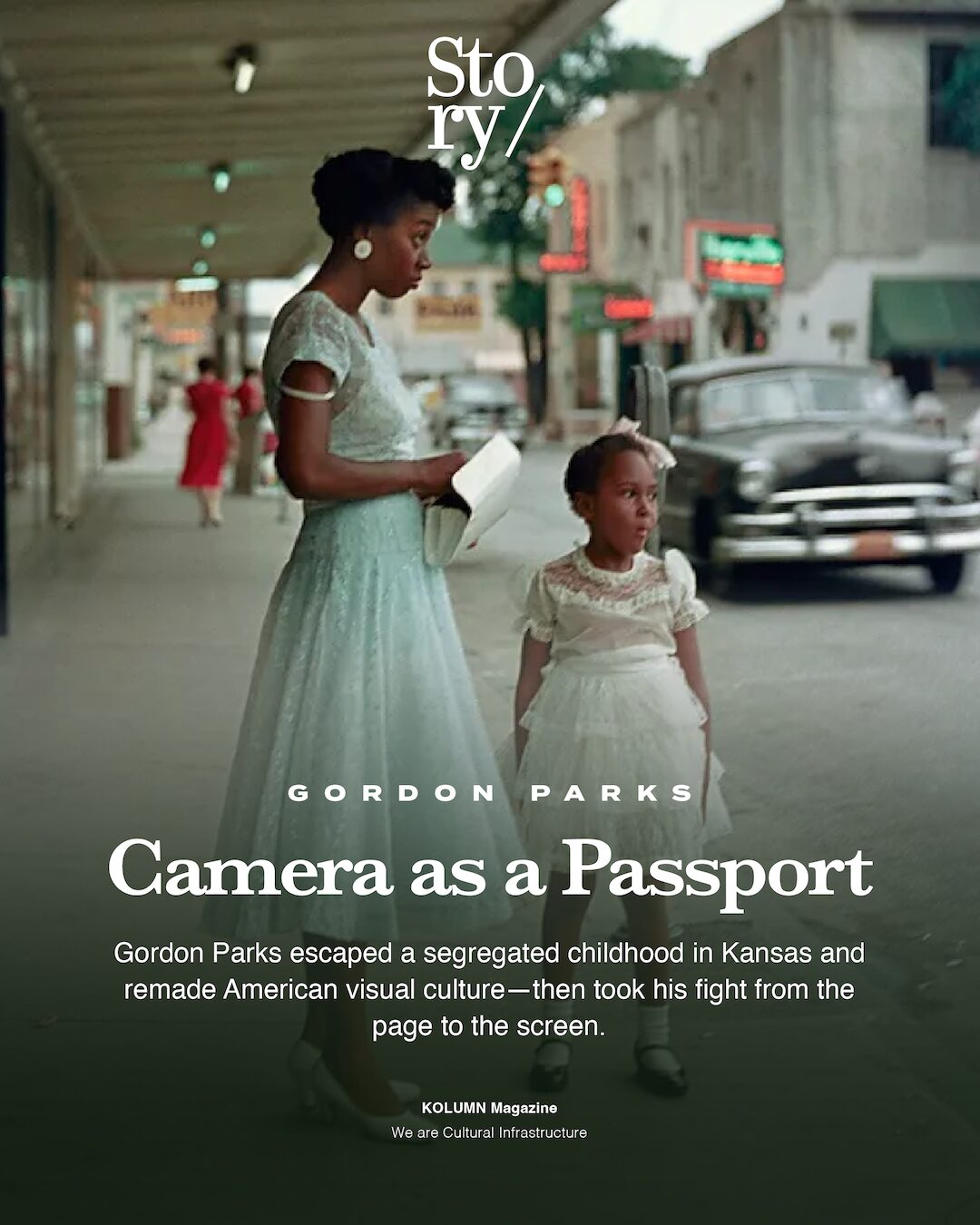
Camera as a Passport
Gordon Parks escaped a segregated childhood in Kansas and remade American visual culture—then took his fight from the page to the screen.
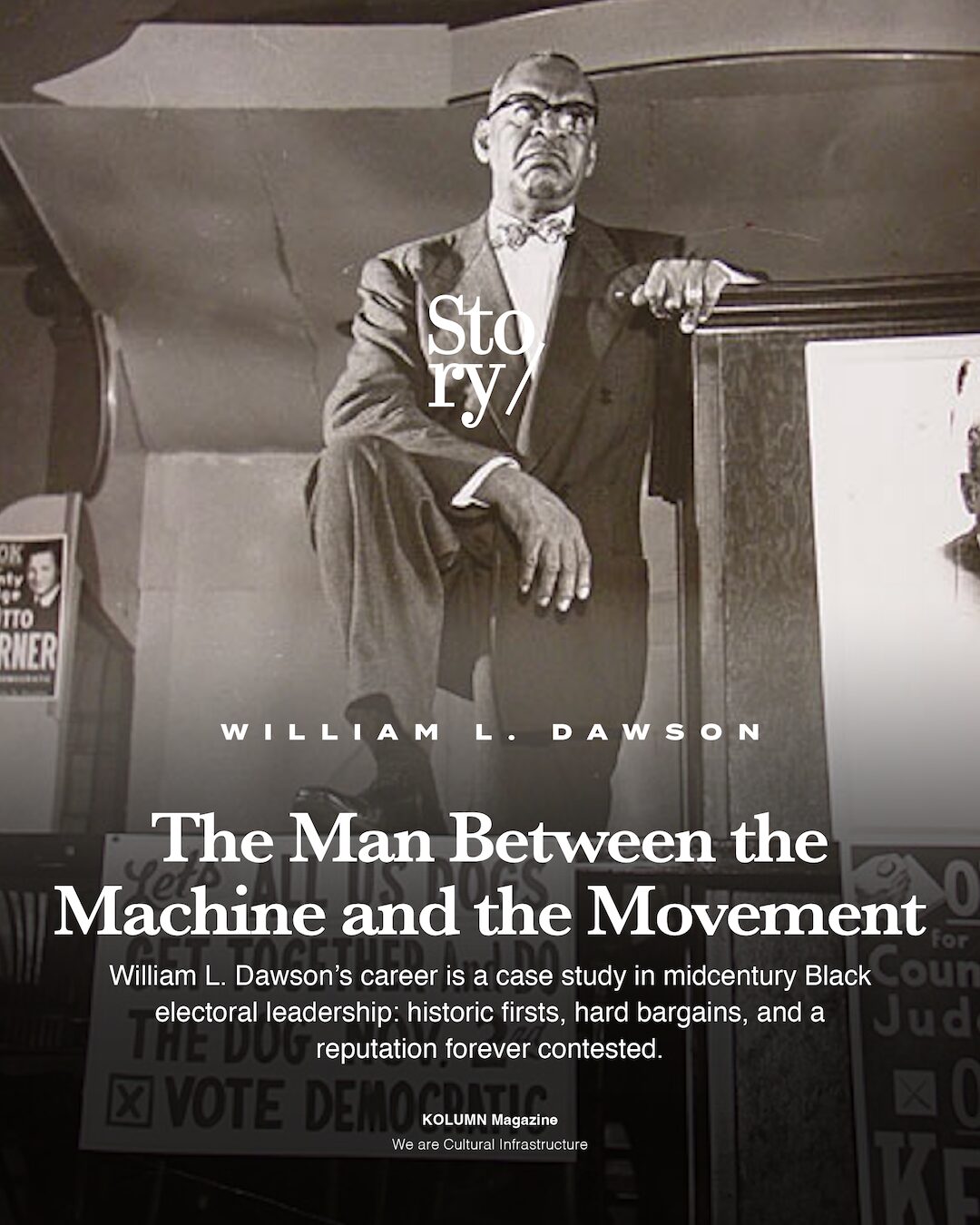
William L. Dawson: The Man Between the Machine and the Movement
William L. Dawson’s career is a case study in midcentury Black electoral leadership: historic firsts, hard bargains, and a reputation forever contested.
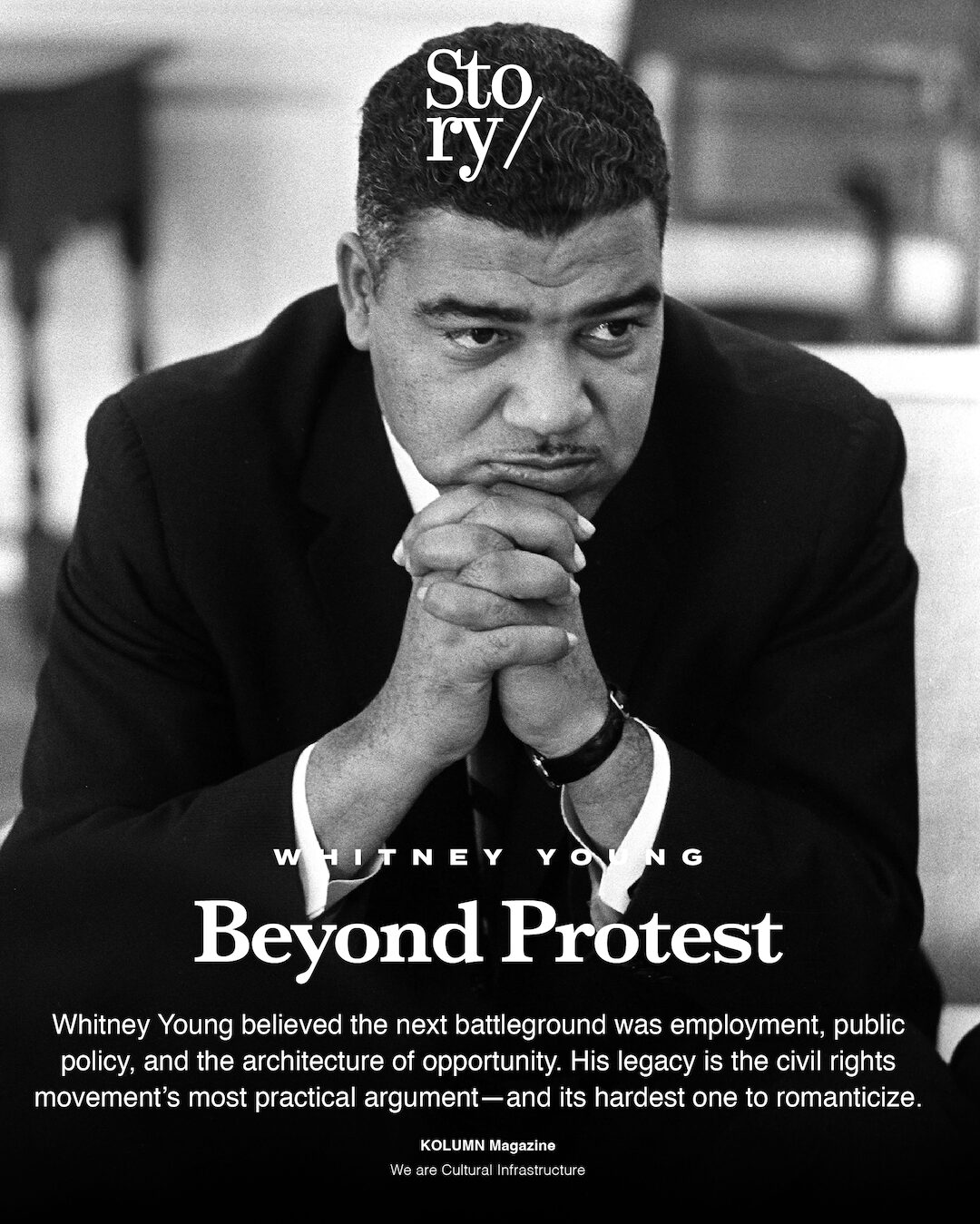
Whitney Young: Beyond Protest
Whitney Young believed the next battleground was employment, public policy, and the architecture of opportunity. His legacy is the civil rights movement’s most practical argument
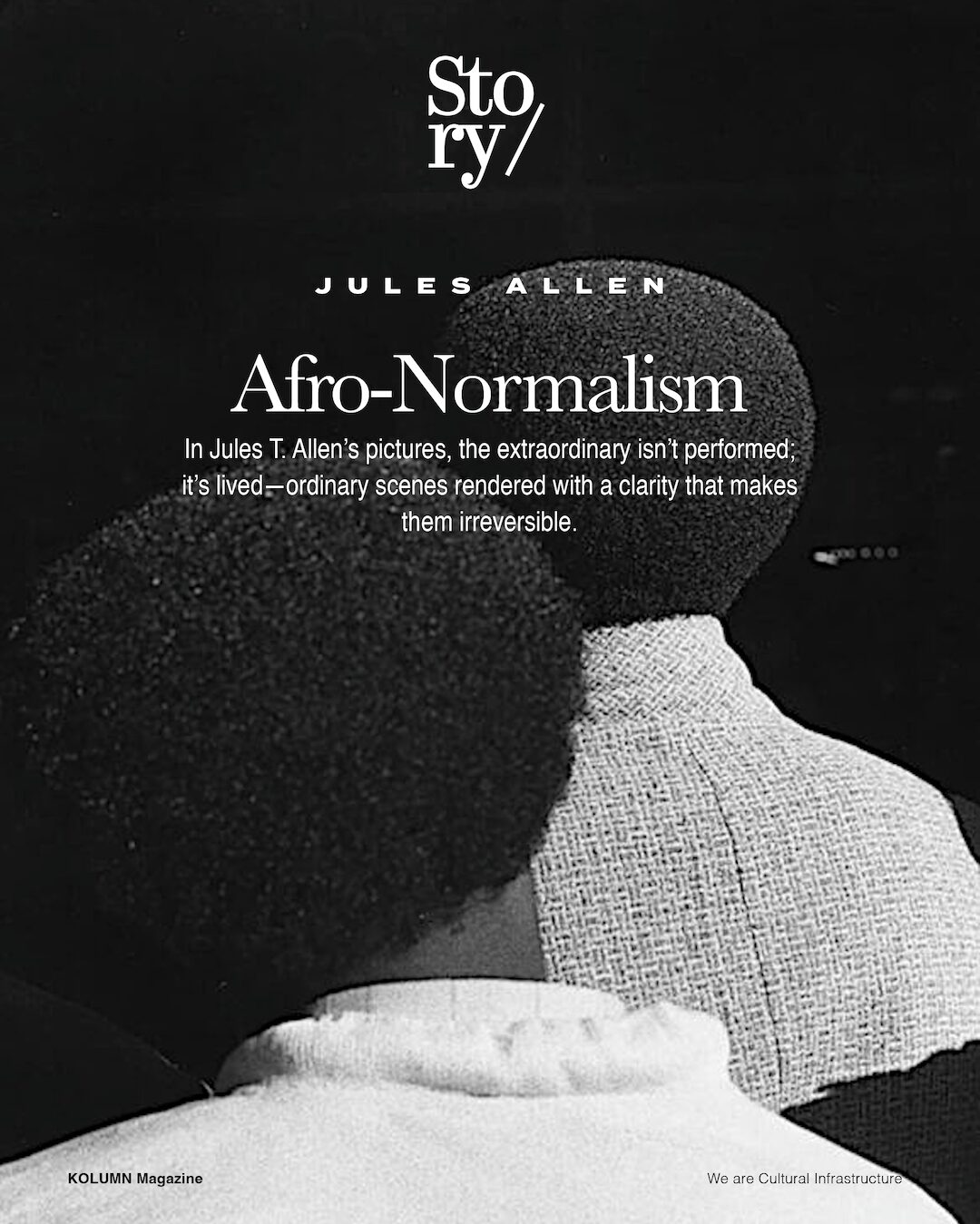
Afro-Normalism
In Jules T. Allen’s pictures, the extraordinary isn’t performed; it’s lived—ordinary scenes rendered with a clarity that makes them irreversible.
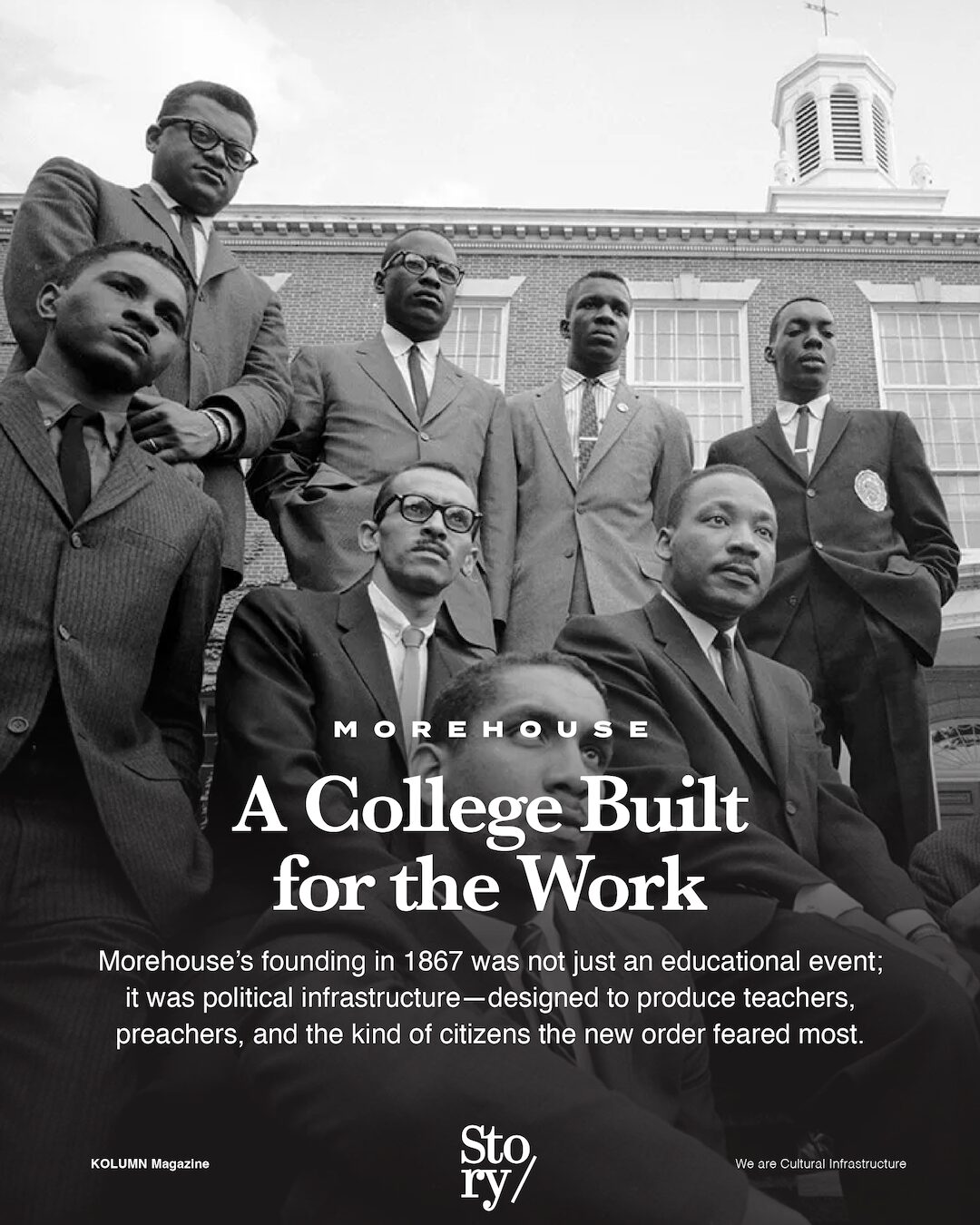
A College Built for the Work
Morehouse’s founding in 1867 was not just an educational event; it was political infrastructure—designed to produce teachers, preachers, and the kind of citizens the new order
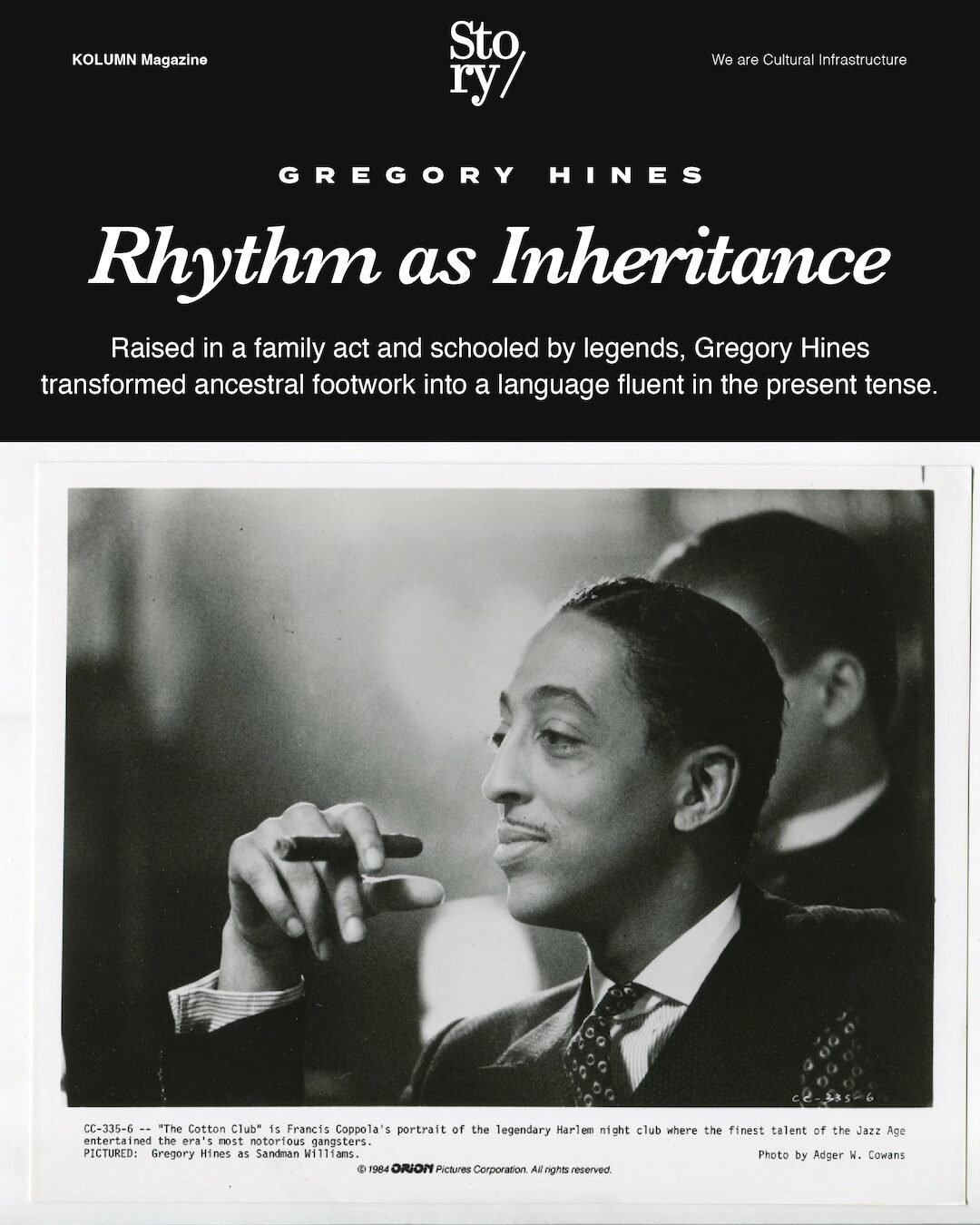
Gregory Hines: Rhythm as Inheritance
Raised in a family act and schooled by legends, Gregory Hines transformed ancestral footwork into a language fluent in the present tense.