

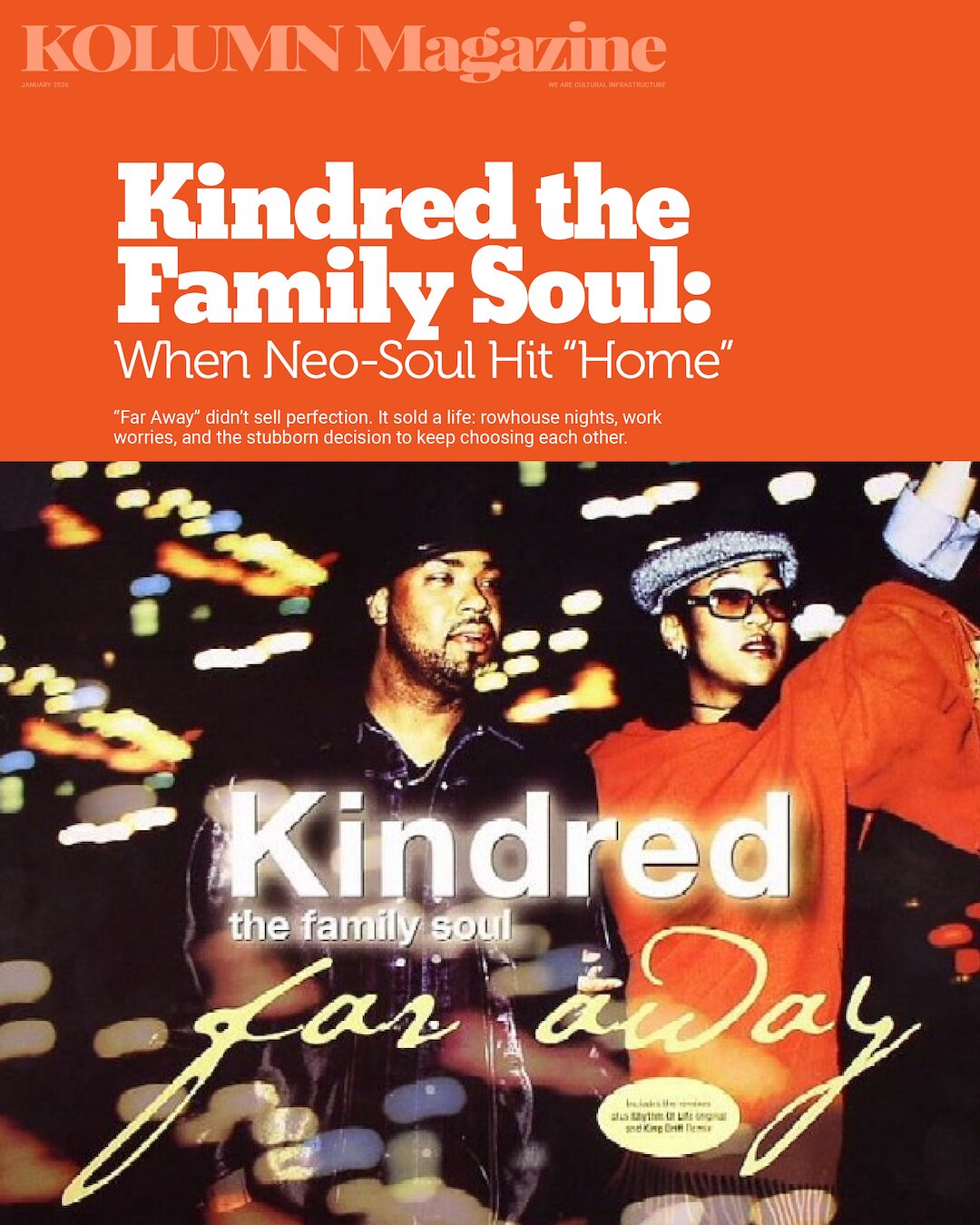
When Neo-Soul Hit “Home”
“Far Away” didn’t sell perfection. It sold a life: rowhouse nights, work worries, and the stubborn decision to keep choosing each other.
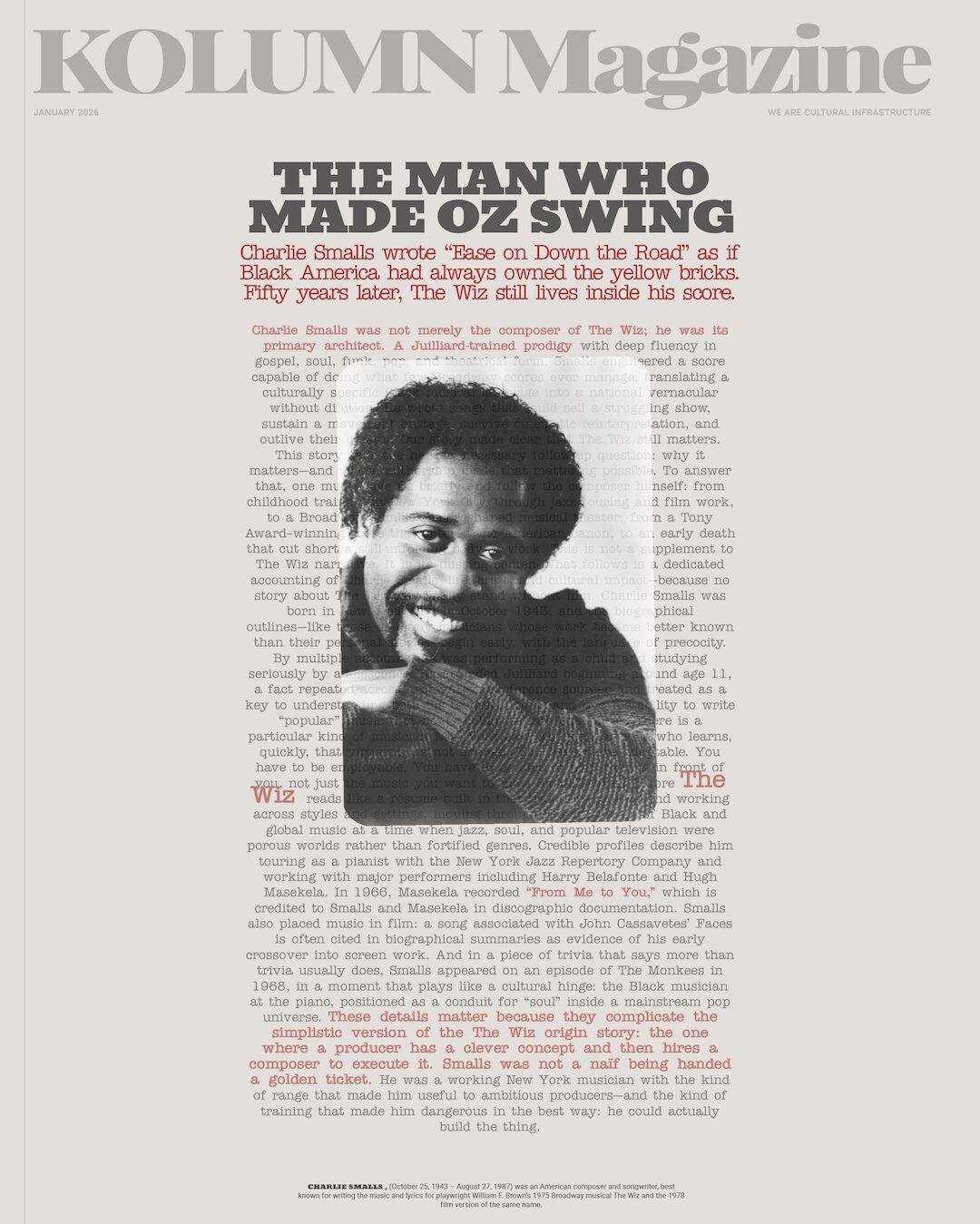
The Man Who Made Oz Swing
Charlie Smalls wrote “Ease on Down the Road” as if Black America had always owned the yellow bricks. Fifty years later, The Wiz still lives inside his score.
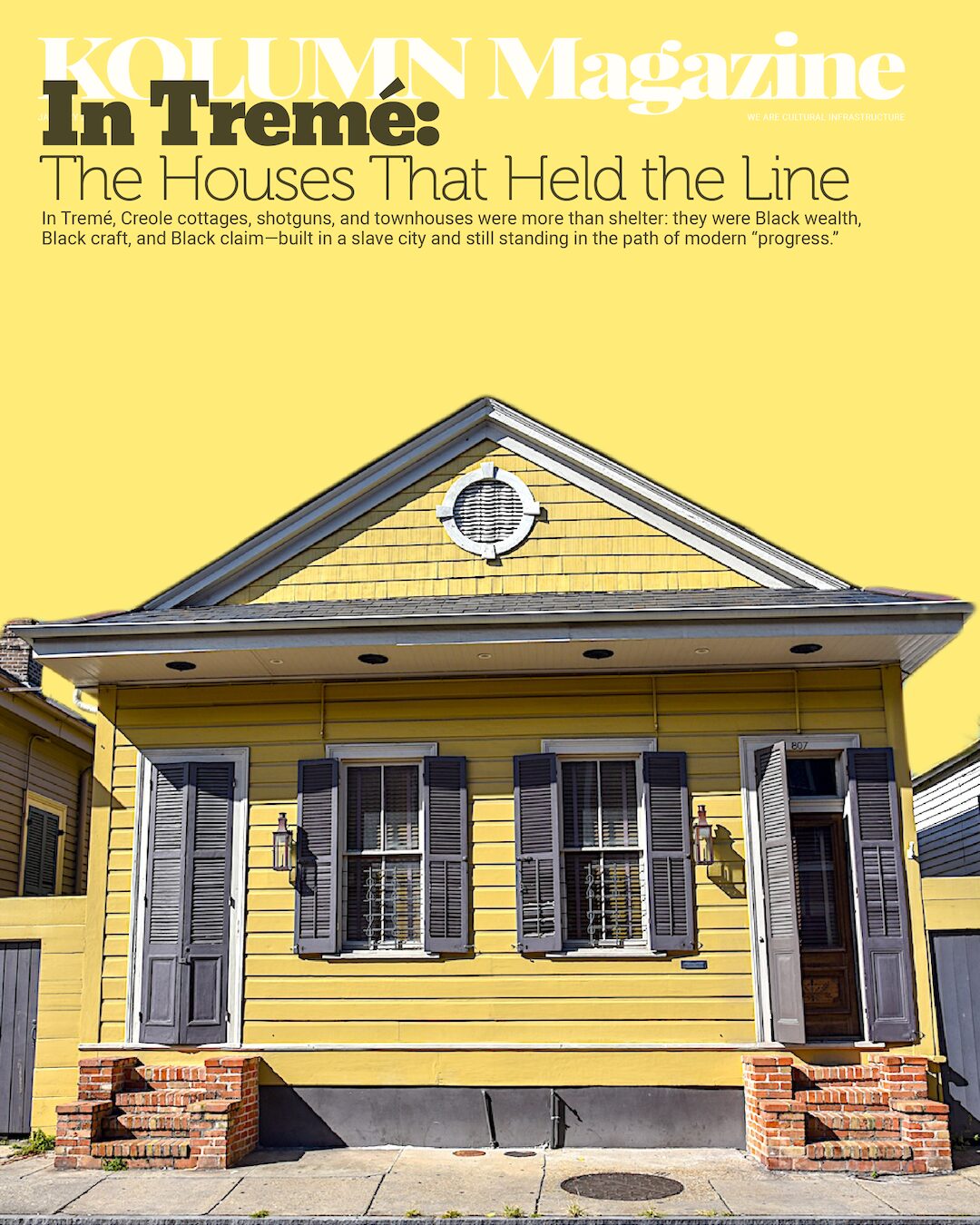
The Houses That Held the Line
In Tremé, Creole cottages, shotguns, and townhouses were more than shelter: they were Black wealth, Black craft, and Black claim—built in a slave city and still standing in the
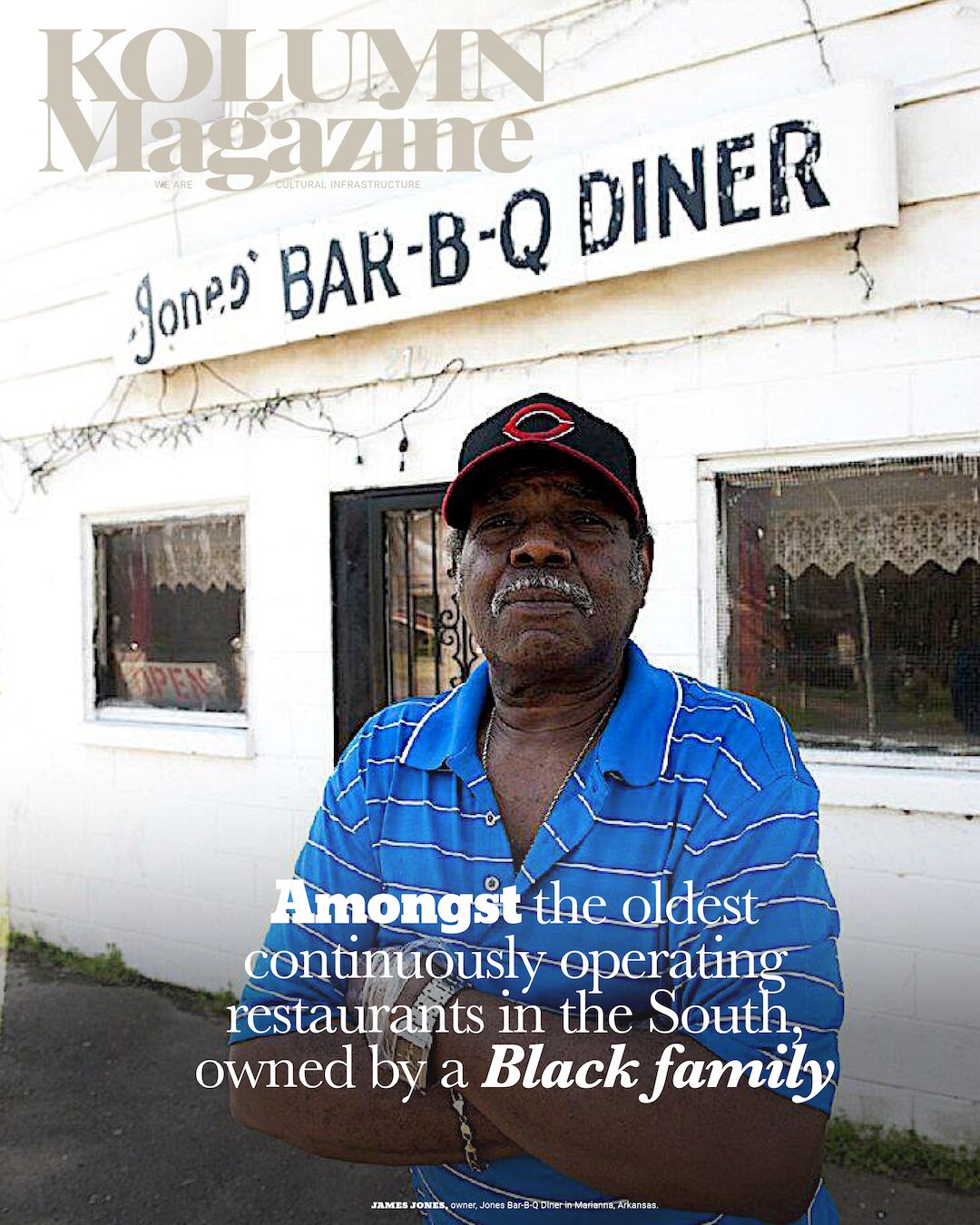
The Oldest Sandwich in the South
Walter Jones started selling barbecue from a porch. His descendants turned it into a living archive of Black work, taste, and endurance.
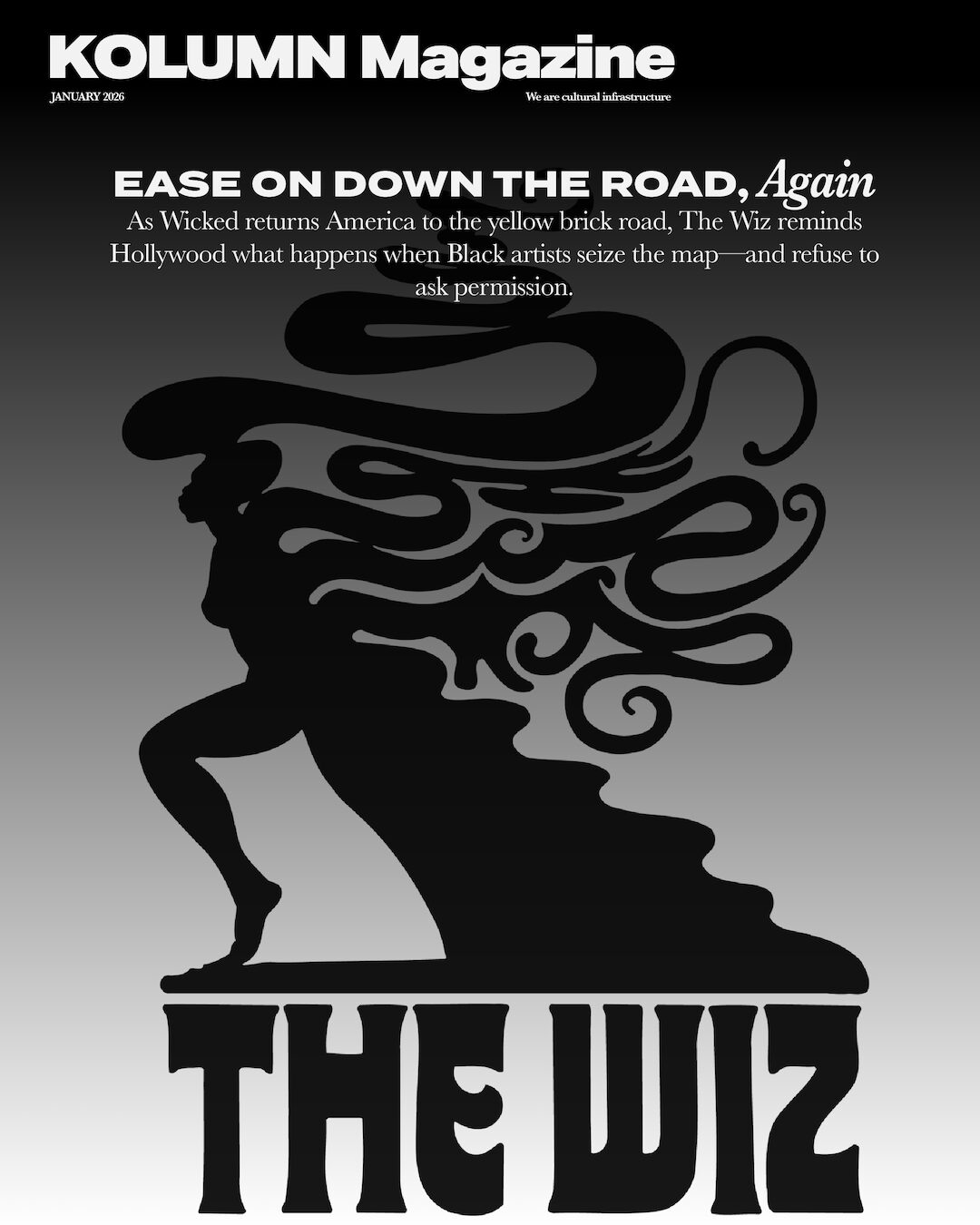
Ease On Down The Road, Again
As Wicked returns America to the yellow brick road, The Wiz reminds Hollywood what happens when Black artists seize the map—and refuse to ask permission.
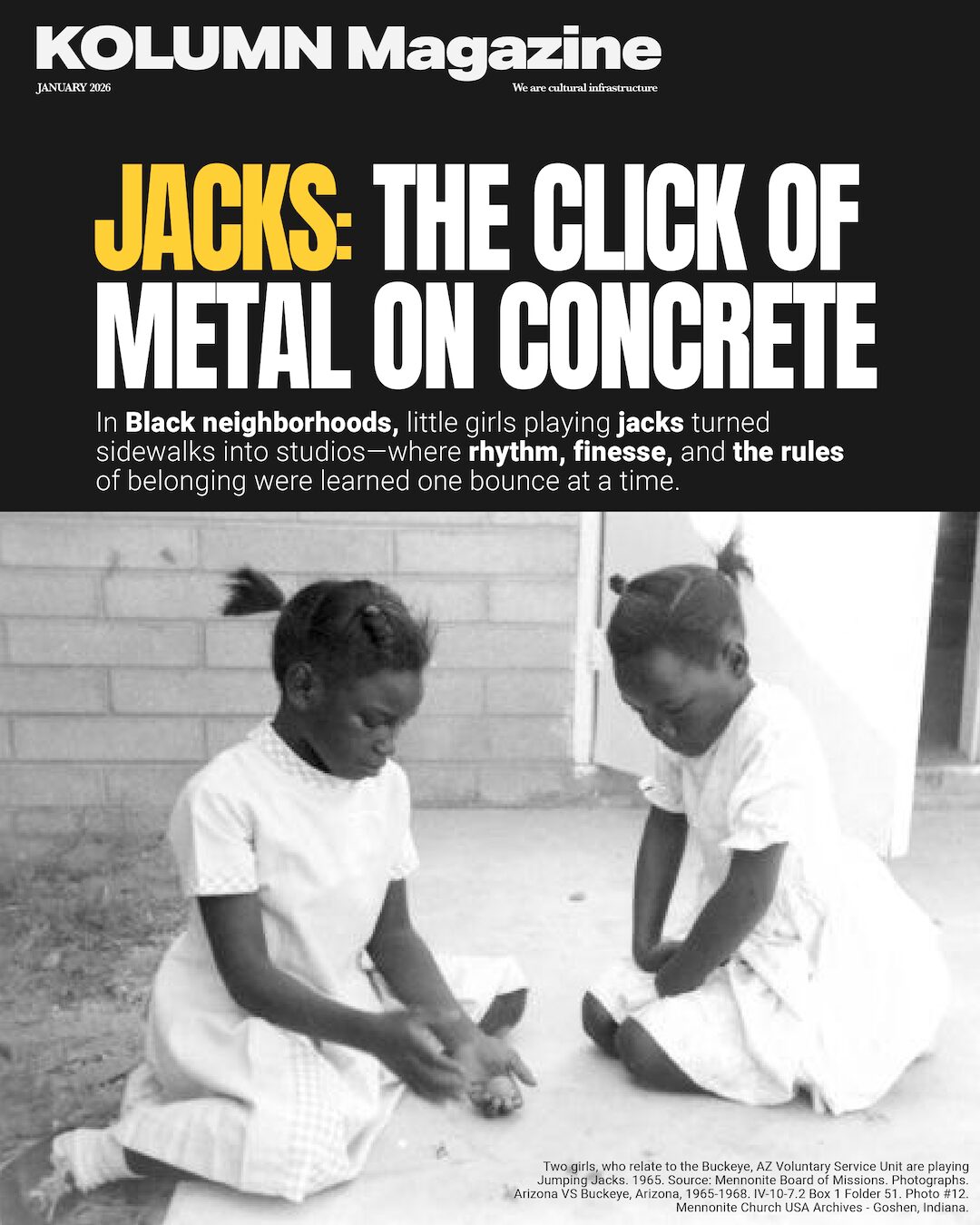
The Click of Metal on Concrete
In Black neighborhoods, little girls playing jacks turned sidewalks into studios—where rhythm, finesse, and the rules of belonging were learned one bounce at a time.
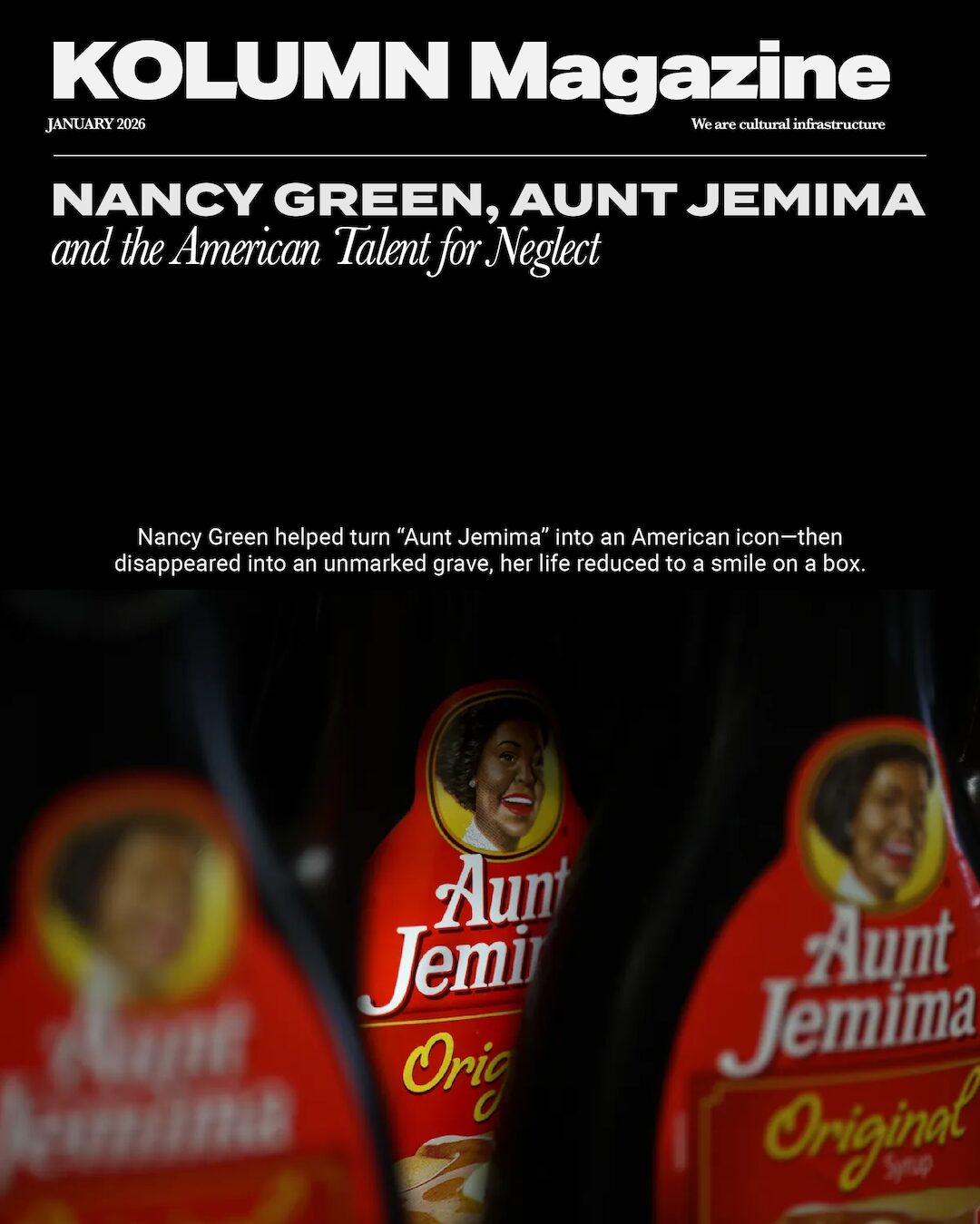
Nancy Green, Aunt Jemima, and the American Talent for Neglect
Nancy Green helped turn “Aunt Jemima” into an American icon—then disappeared into an unmarked grave, her life reduced to a smile on a box.
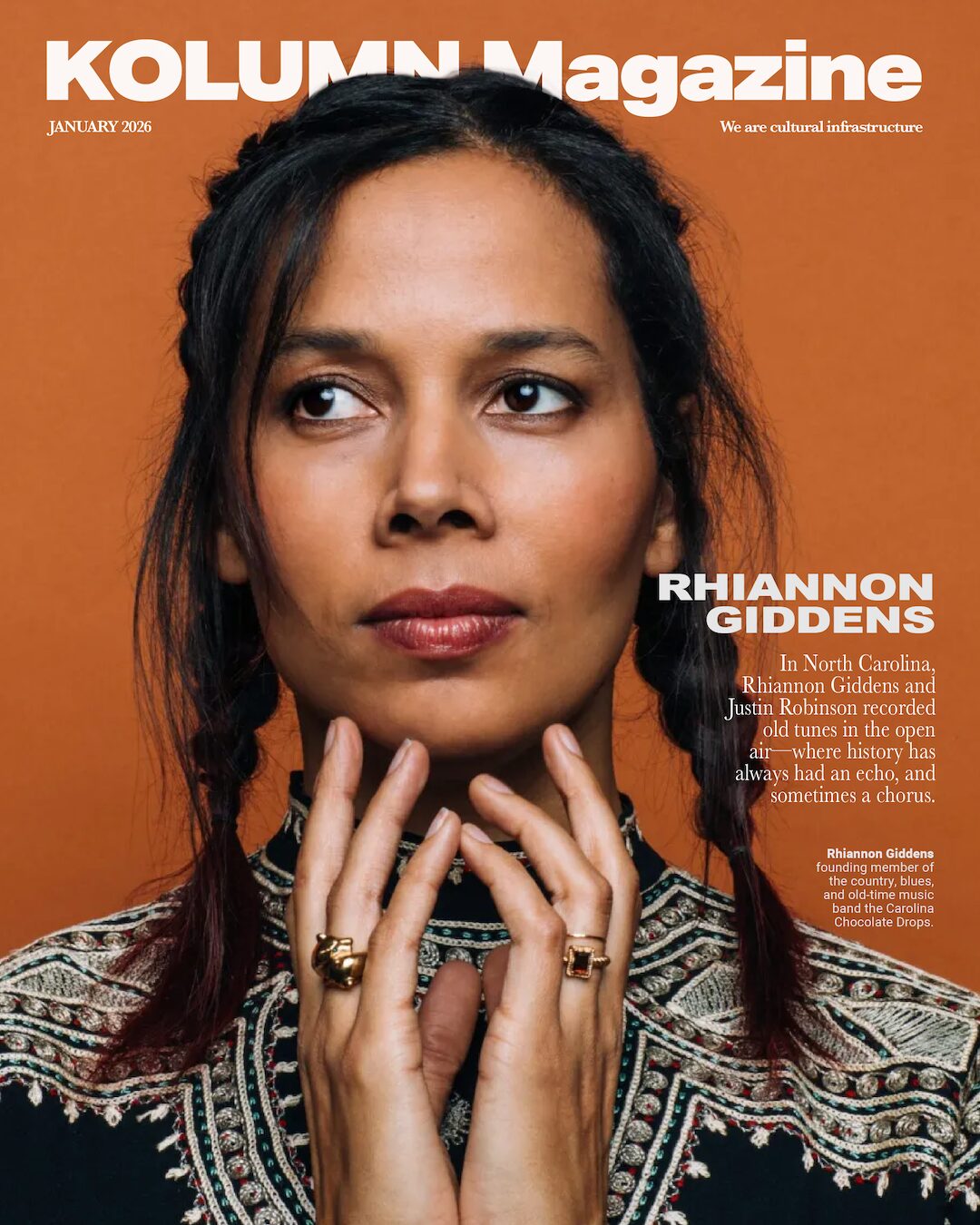
When the Cicadas Came Up Together
In North Carolina, Rhiannon Giddens and Justin Robinson recorded old tunes in the open air—where history has always had an echo, and sometimes a chorus.
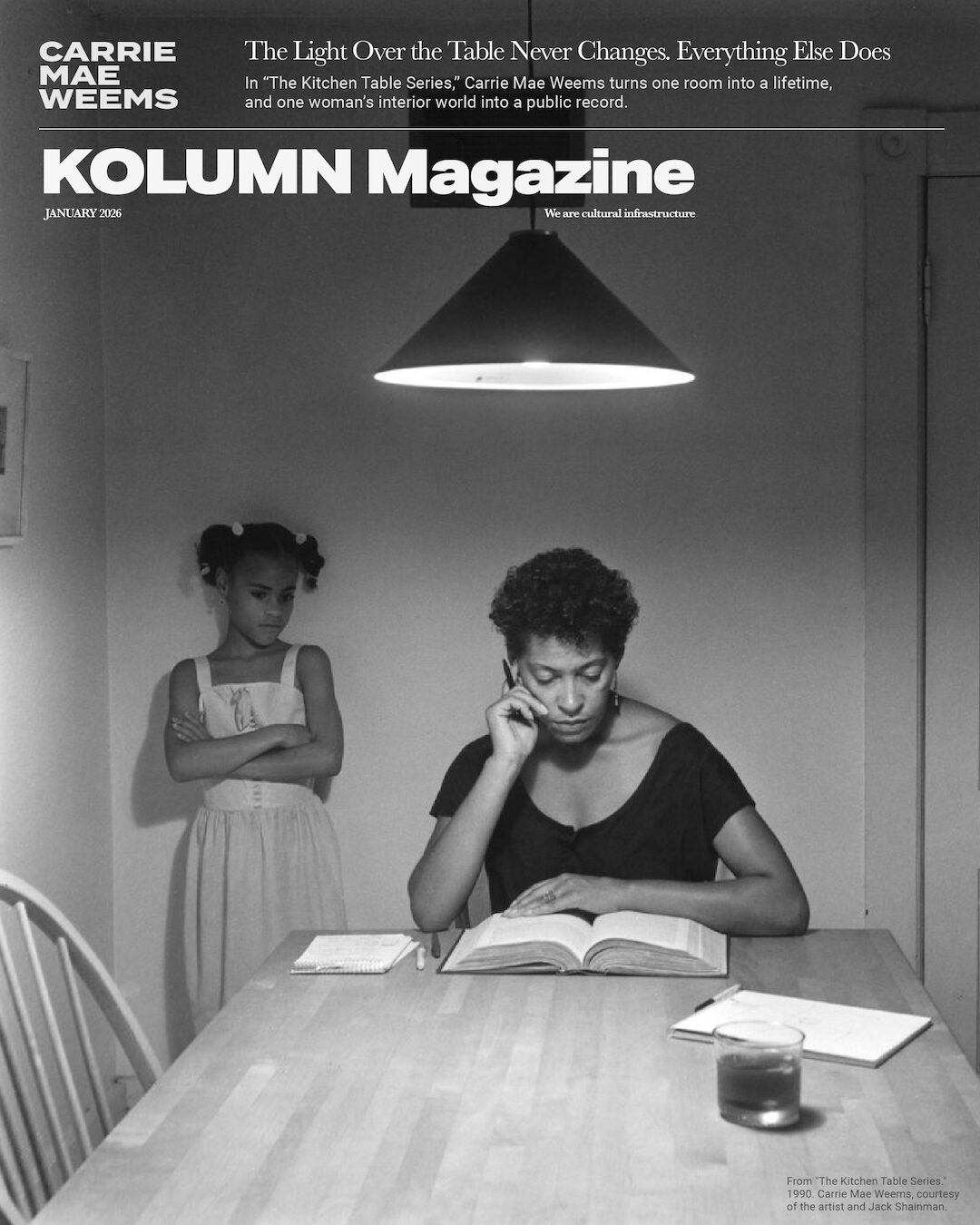
The Light Over the Table Never Changes. Everything Else Does.
In “The Kitchen Table Series,” Carrie Mae Weems turns one room into a lifetime, and one woman’s interior world into a public record.
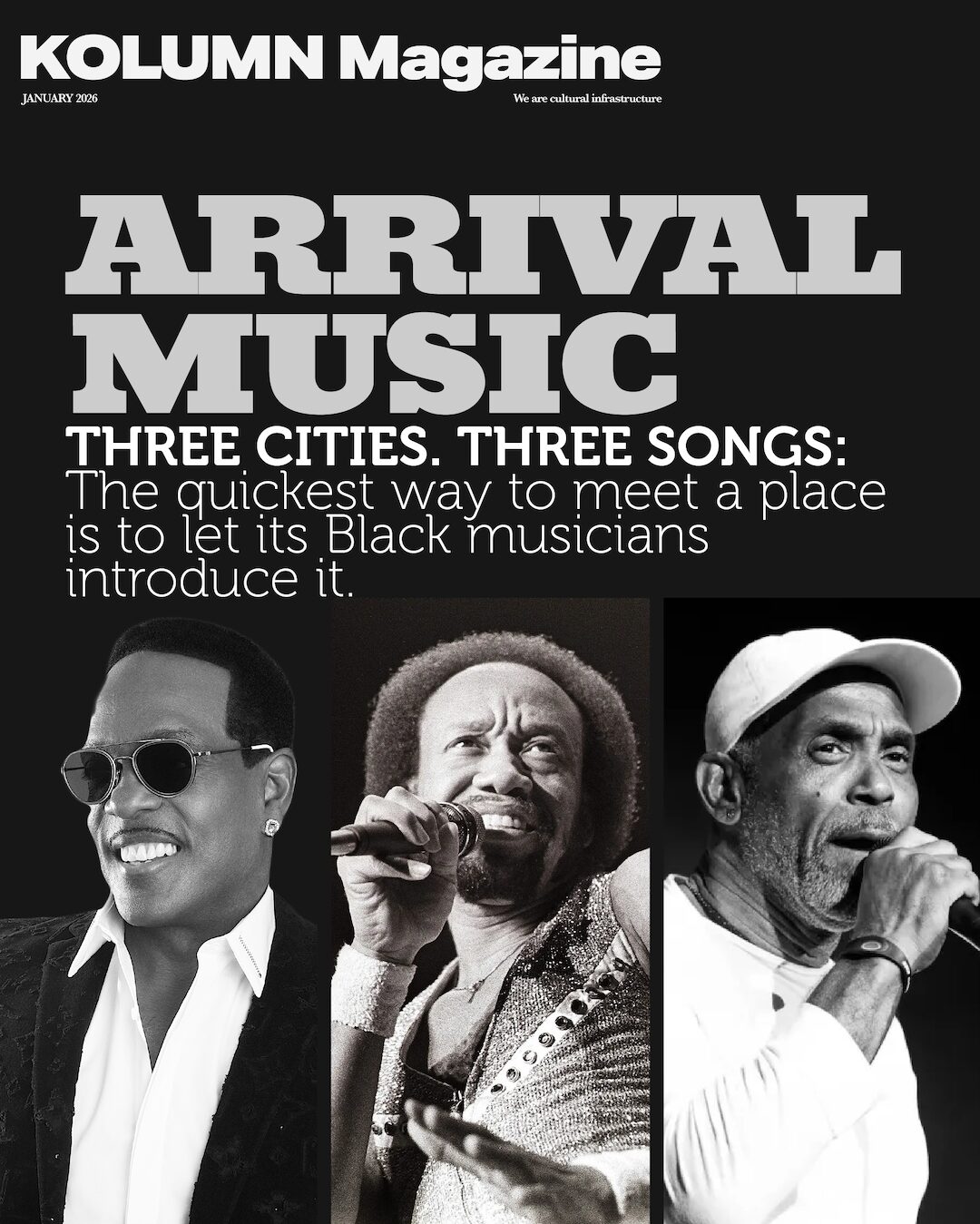
Arrival Music
Three cities. Three songs: The quickest way to meet a place is to let its Black musicians introduce it.