

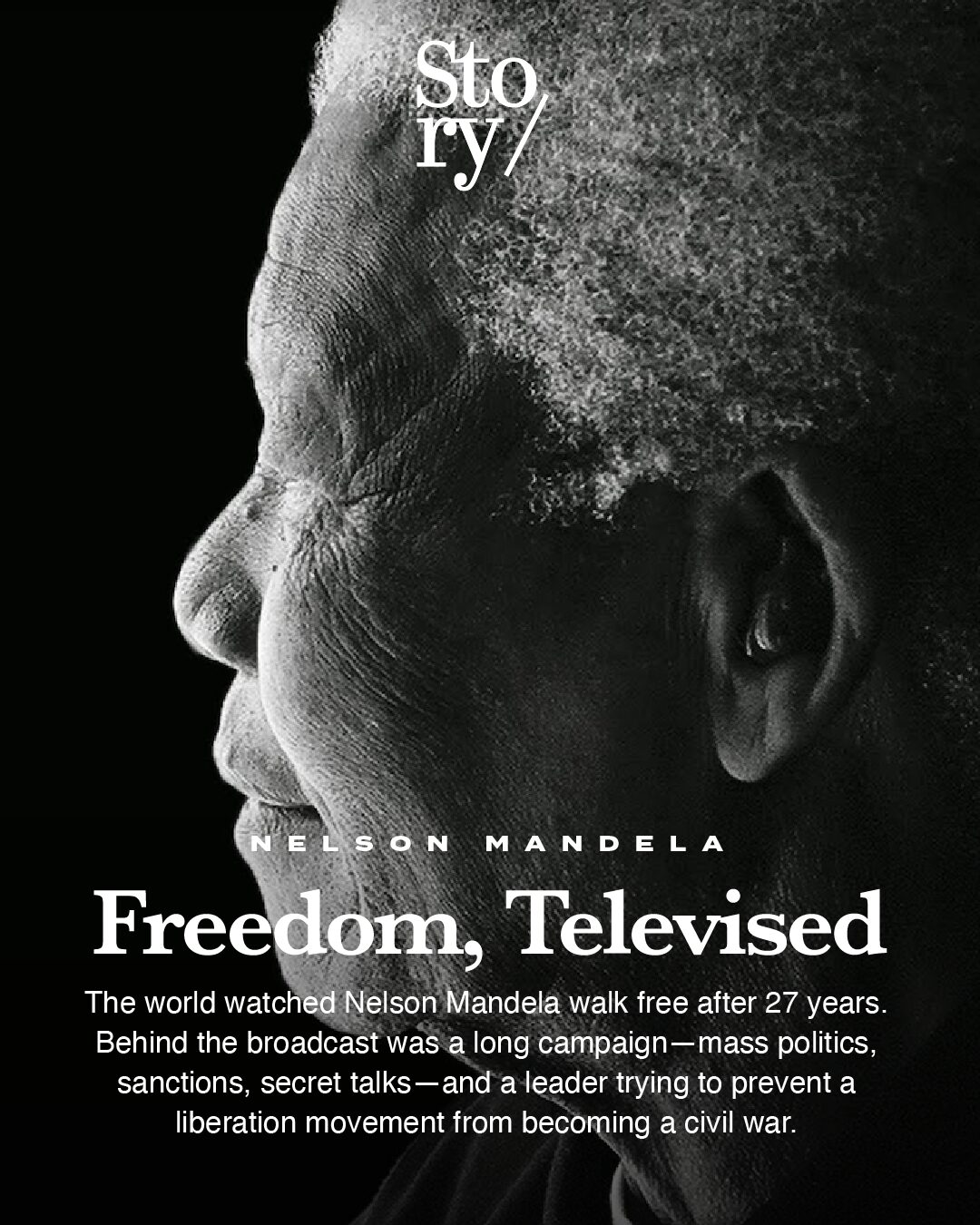
Nelson Mandela: Freedom, Televised
The world watched Nelson Mandela walk free after 27 years. Behind the broadcast was a long campaign—mass politics, sanctions, secret talks—and a leader trying to prevent a libe
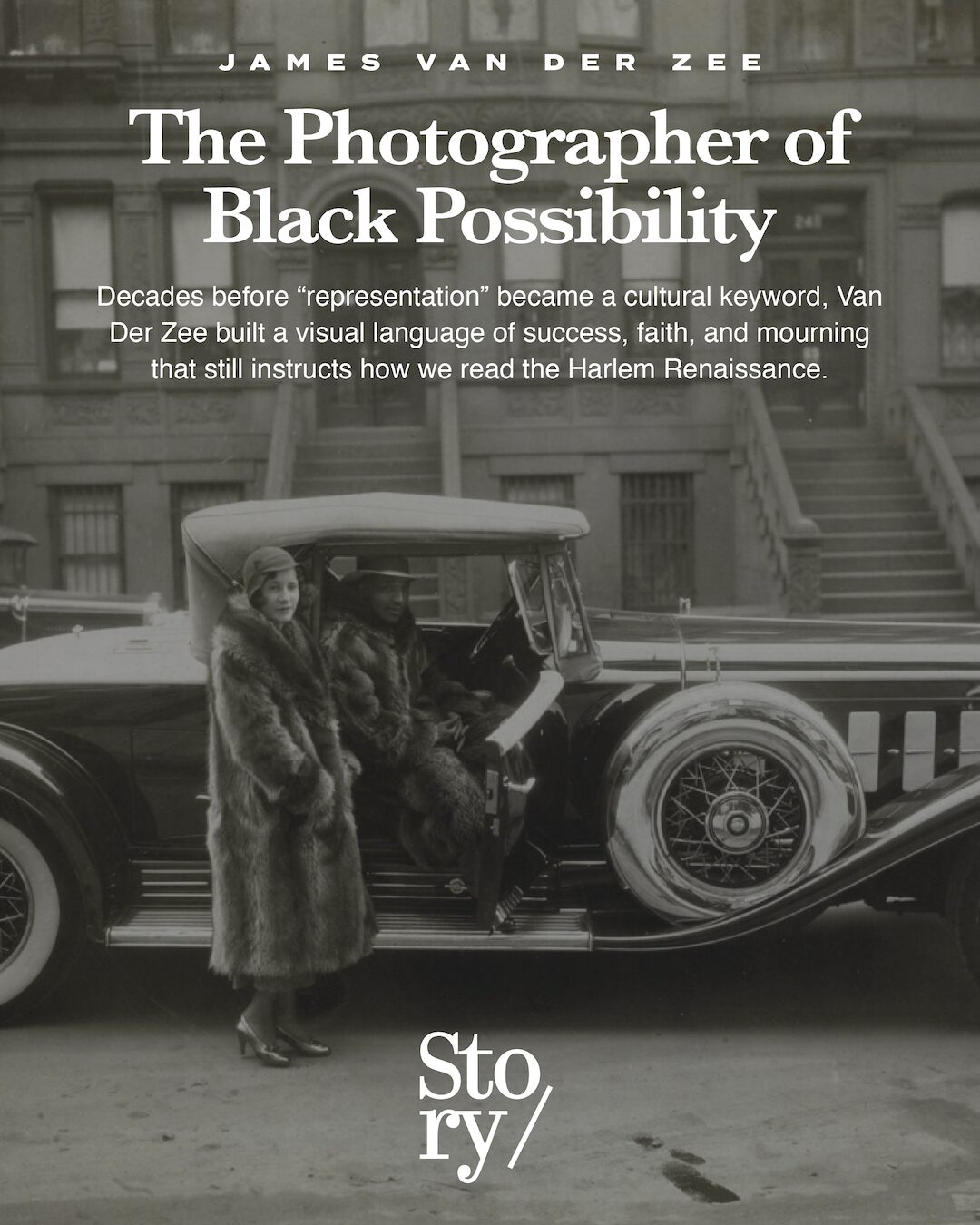
James Van Der Zee: The Photographer of Black Possibility
Decades before “representation” became a cultural keyword, Van Der Zee built a visual language of success, faith, and mourning that still instructs how we read the Harlem Renai
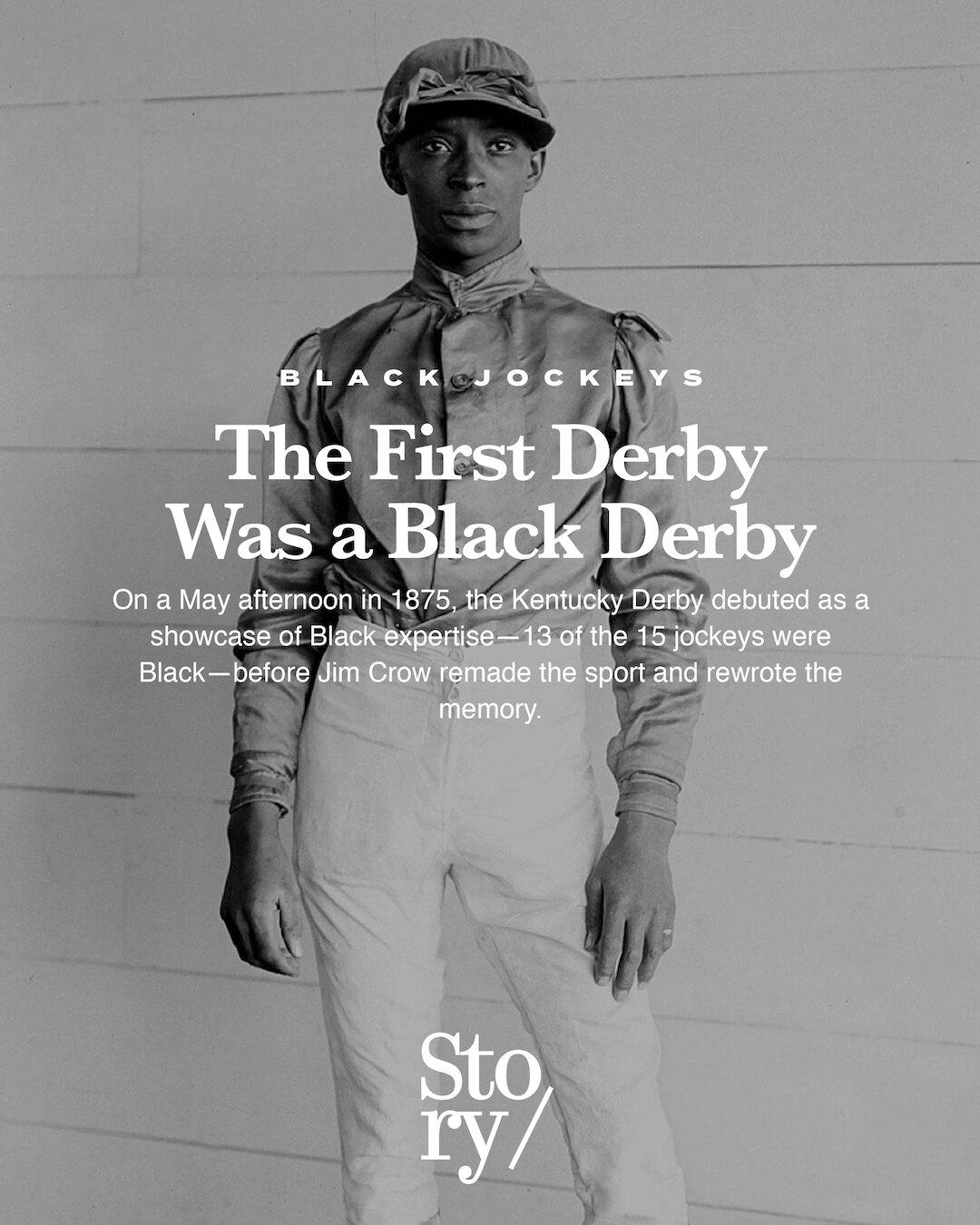
The First Derby Was a Black Derby
On a May afternoon in 1875, the Kentucky Derby debuted as a showcase of Black expertise—13 of the 15 jockeys were Black—before Jim Crow remade the sport and rewrote the memory.
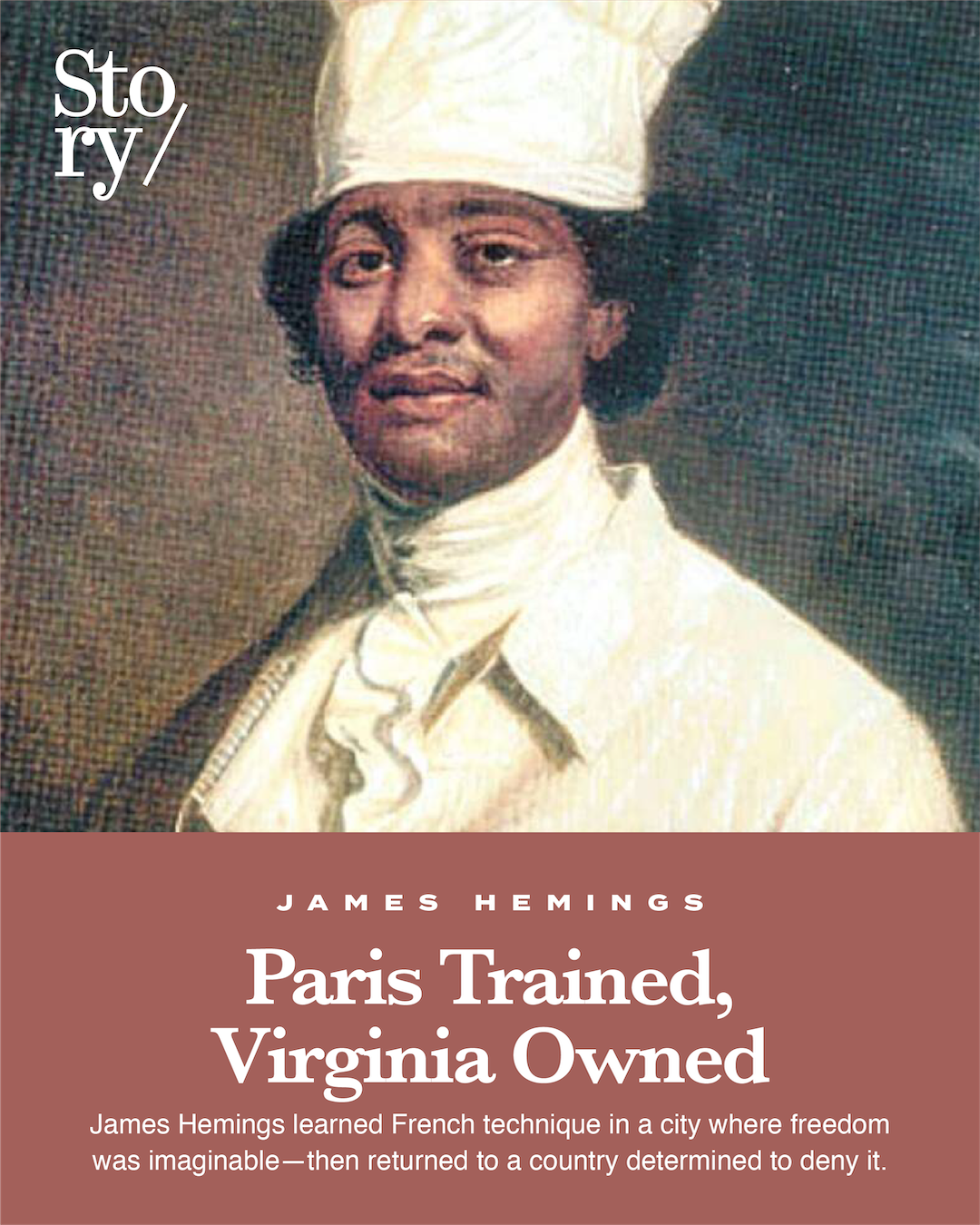
James Heming: Paris Trained, Virginia Owned
James Hemings learned French technique in a city where freedom was imaginable—then returned to a country determined to deny it.
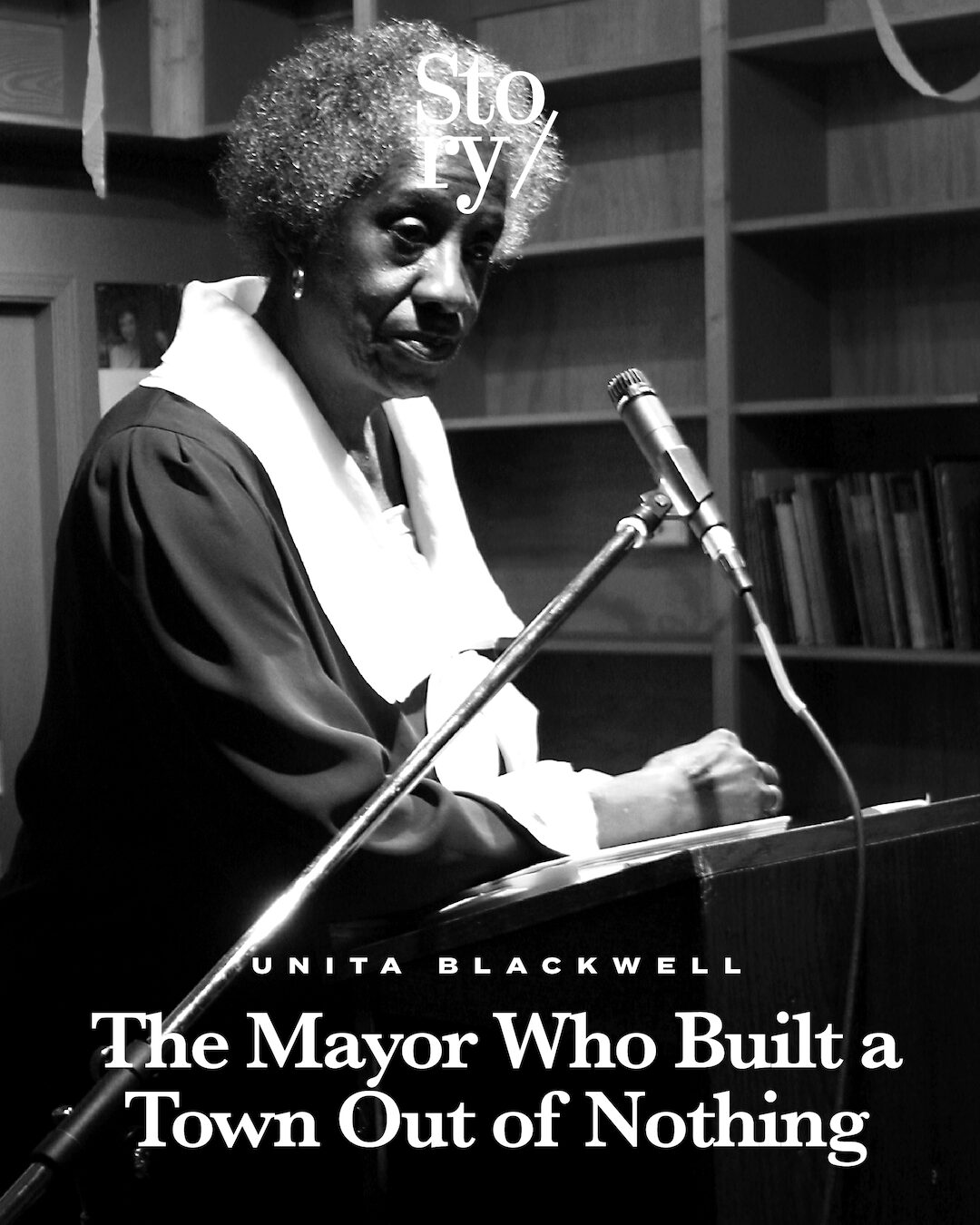
Unita Blackwell: The Mayor Who Built a Town Out of Nothing
In Mayersville, Mississippi, Unita Blackwell turned civil-rights grit into running water, paved roads, and a new idea of what power could look like in America’s rural Black South
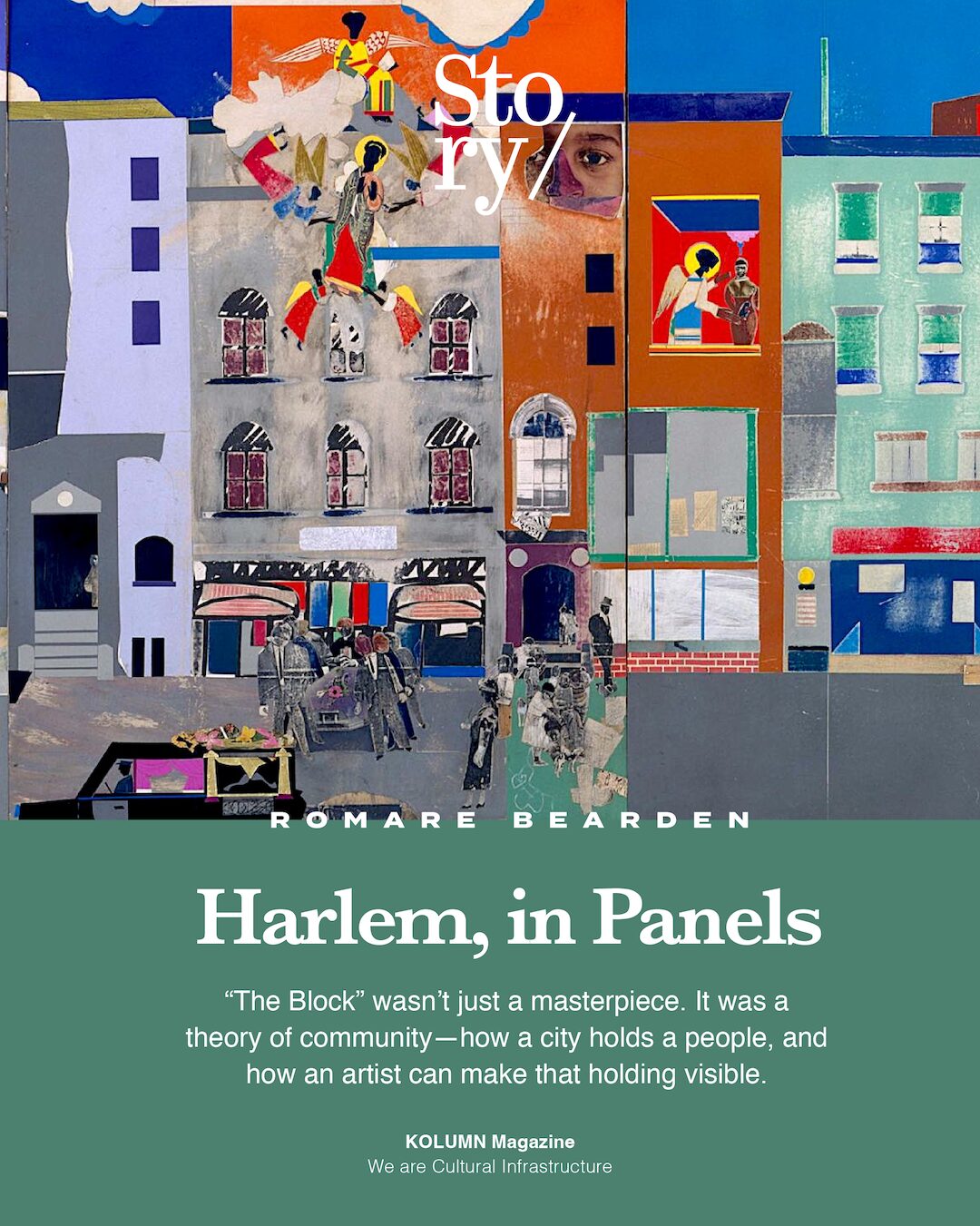
Romare Bearden: Harlem, In Panels
“The Block” wasn’t just a masterpiece. It was a theory of community—how a city holds a people, and how an artist can make that holding visible.
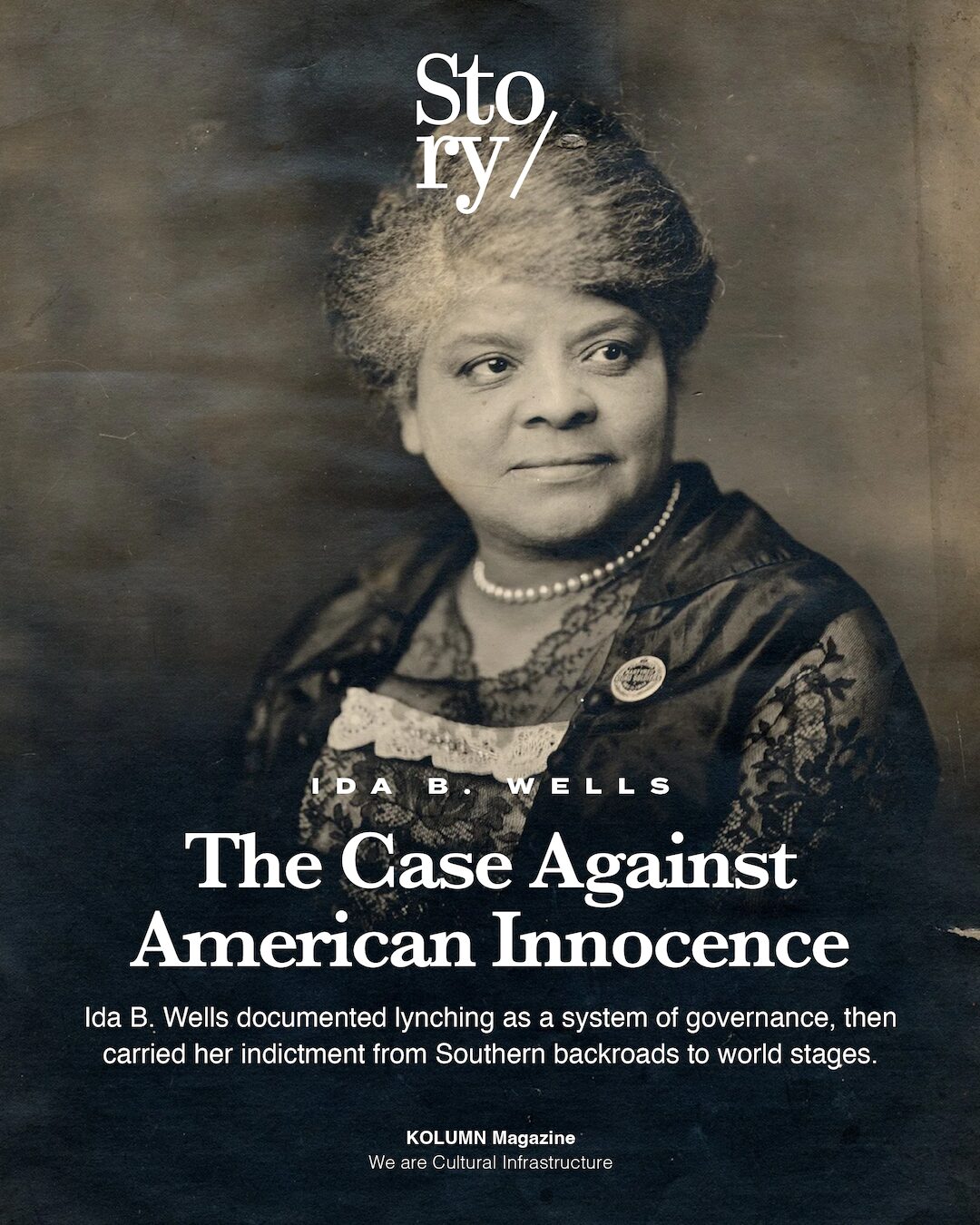
Ida B. Wells: The Case Against American Innocence
Ida B. Wells documented lynching as a system of governance, then carried her indictment from Southern backroads to world stages.
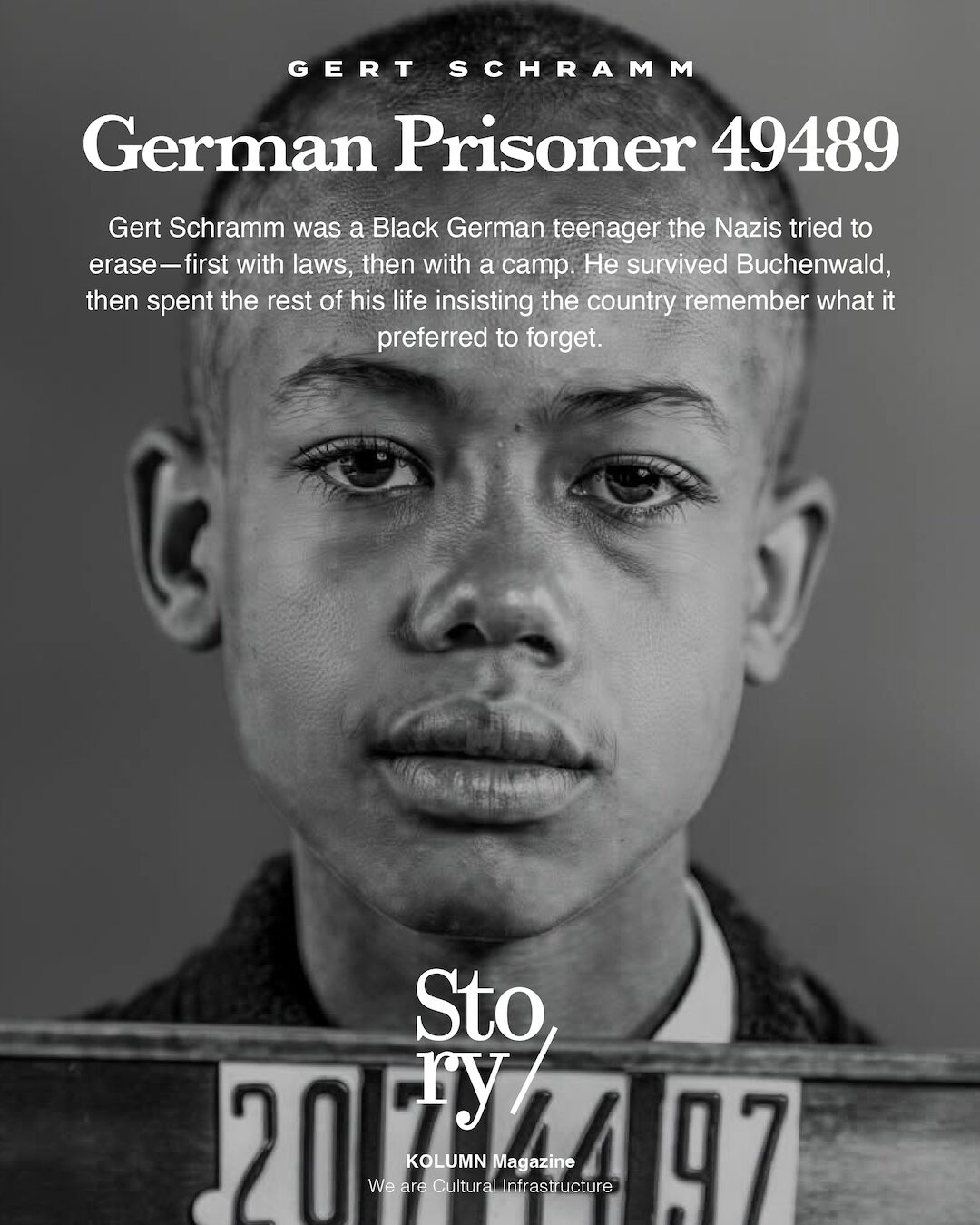
German Prisoner 49489
Gert Schramm was a Black German teenager the Nazis tried to erase—first with laws, then with a camp. He survived Buchenwald, then spent the rest of his life insisting the country
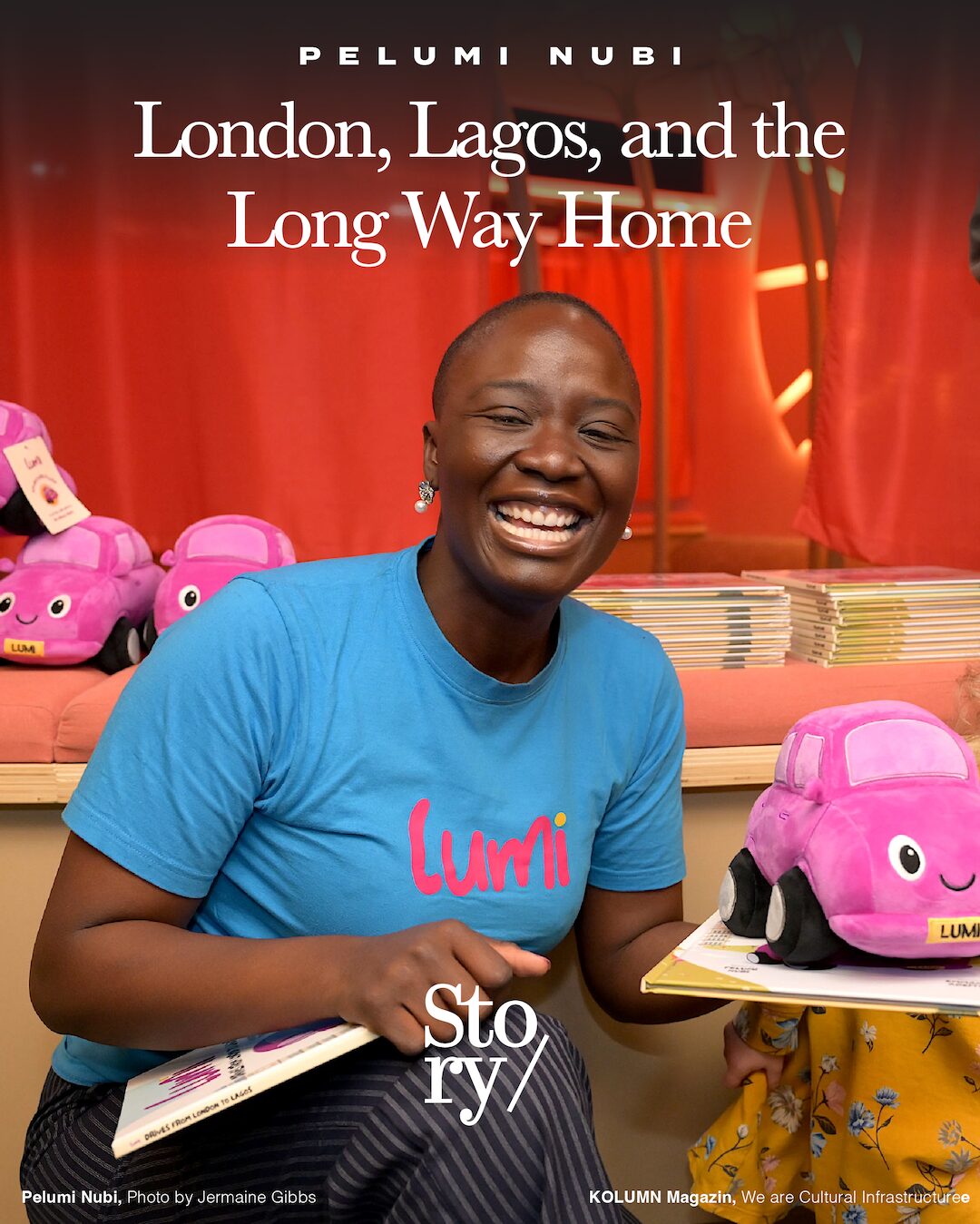
Pelumi Nubi: London, Lagos, and the Long Way Home
Seventy-plus days, a small car, and a big idea: that the distance between diaspora and origin can be measured in miles, yes—but also in courage.
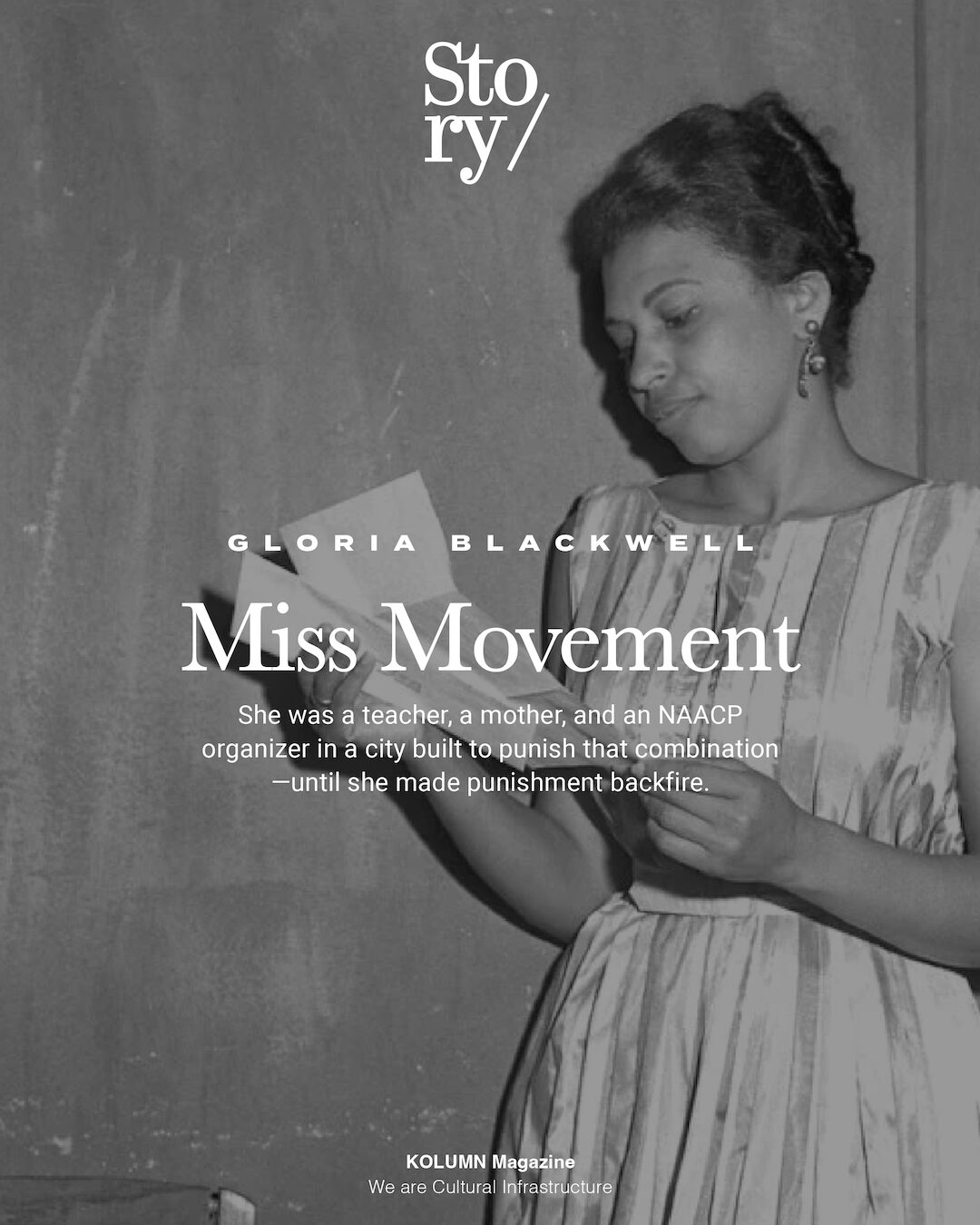
Gloria Blackwell: Miss Movement
She was a teacher, a mother, and an NAACP organizer in a city built to punish that combination—until she made punishment backfire.