



The Tougaloo Nine did not choose a library because it was a soft target. They chose it because segregation there looked exactly as foolish as it was.
The Tougaloo Nine did not choose a library because it was a soft target. They chose it because segregation there looked exactly as foolish as it was.
By KOLUMN Magazine
There is something especially revealing about a society that criminalizes reading. Not rioting. Not vandalism. Not even trespassing in the ordinary sense. Reading. That is what makes the story of the Tougaloo Nine feel so sharp, even now. On March 27, 1961, nine Black students from Tougaloo College walked into the whites-only Jackson Municipal Library in Mississippi, requested books unavailable at the city’s Black branch, sat down, and began to read. For that, they were arrested.
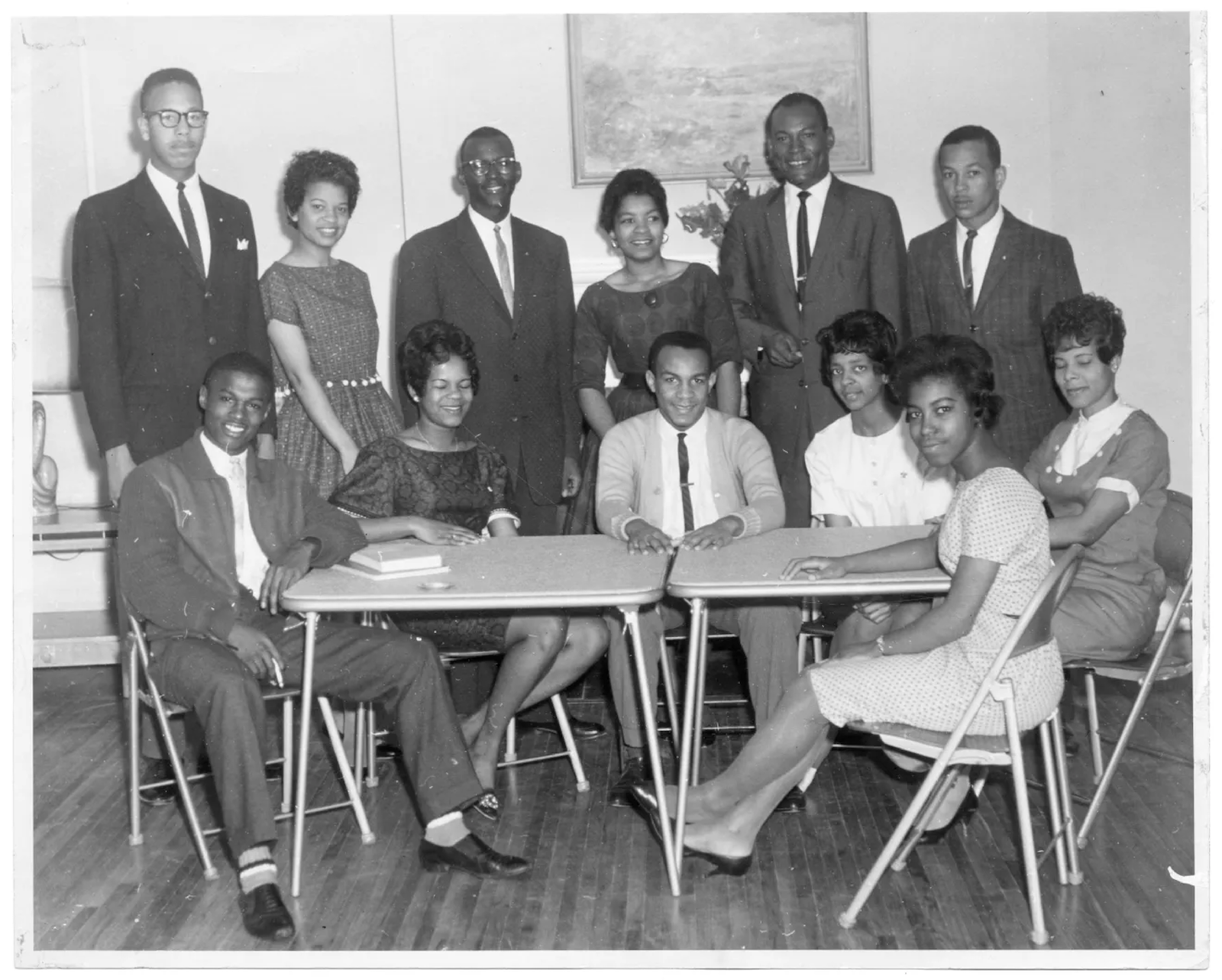
The act itself was modest by design. There were no grand speeches inside the building, no dramatic confrontation initiated by the students, no chaos. The point was the contrast. On one side stood a group of neatly dressed students trained in nonviolent protest; on the other stood a Jim Crow order so brittle that nine young people with library cards and class assignments could be treated as a civic threat. That contrast is the heart of the Tougaloo Nine’s significance. Their protest condensed the logic of segregation into a single absurd image: a state so committed to white supremacy that it would mobilize police power to stop Black citizens from consulting books in a tax-supported public institution.
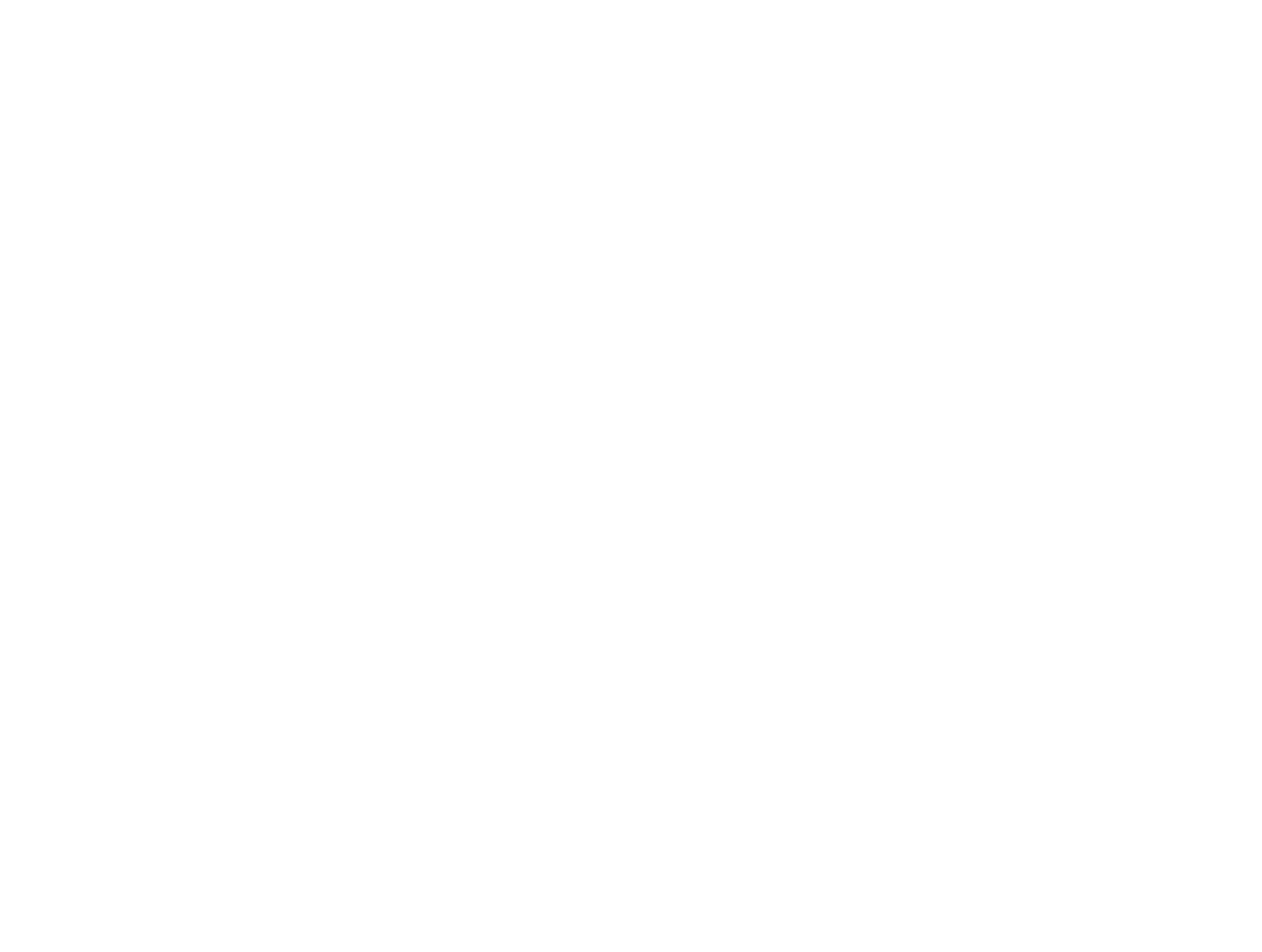
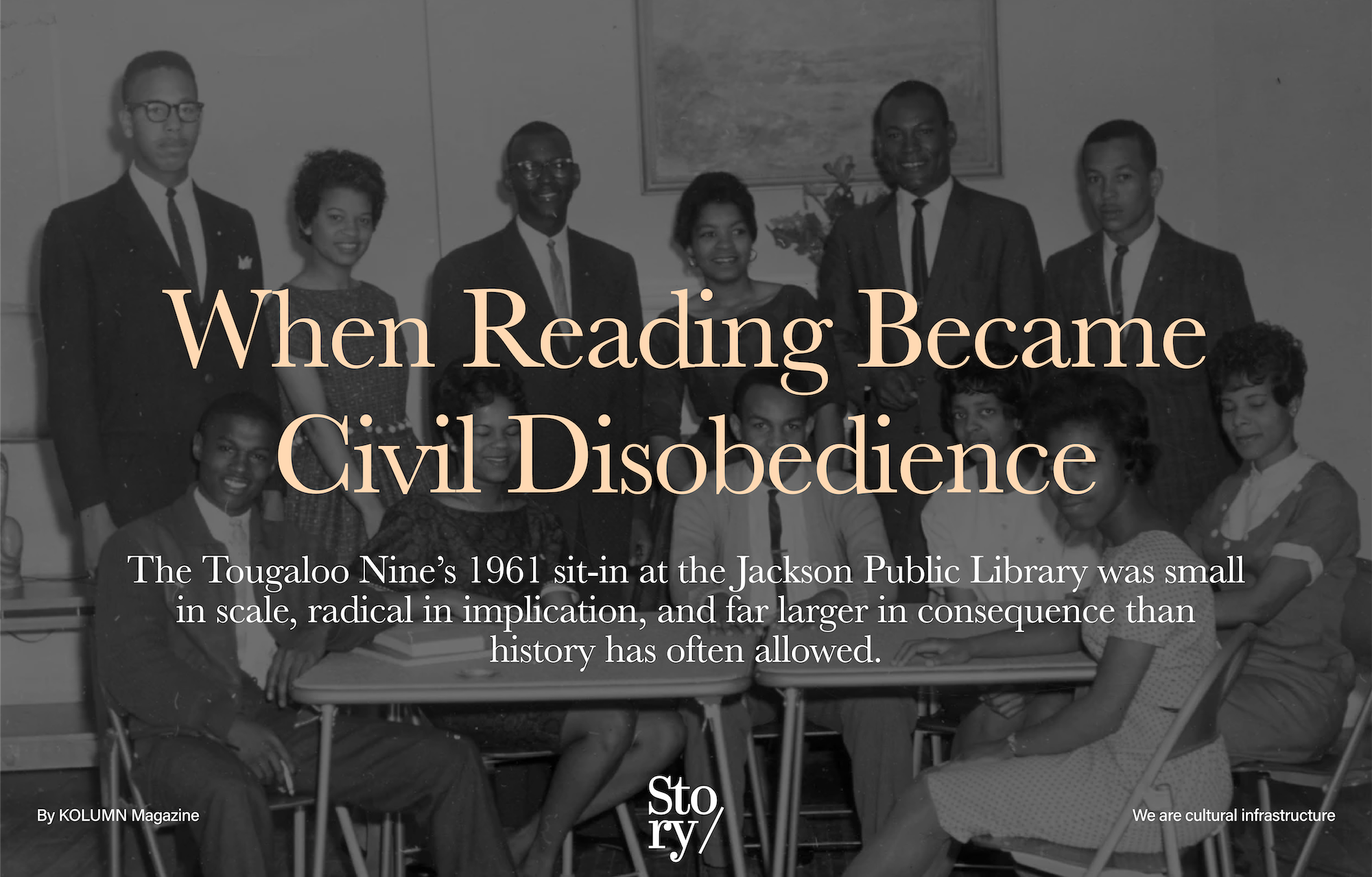
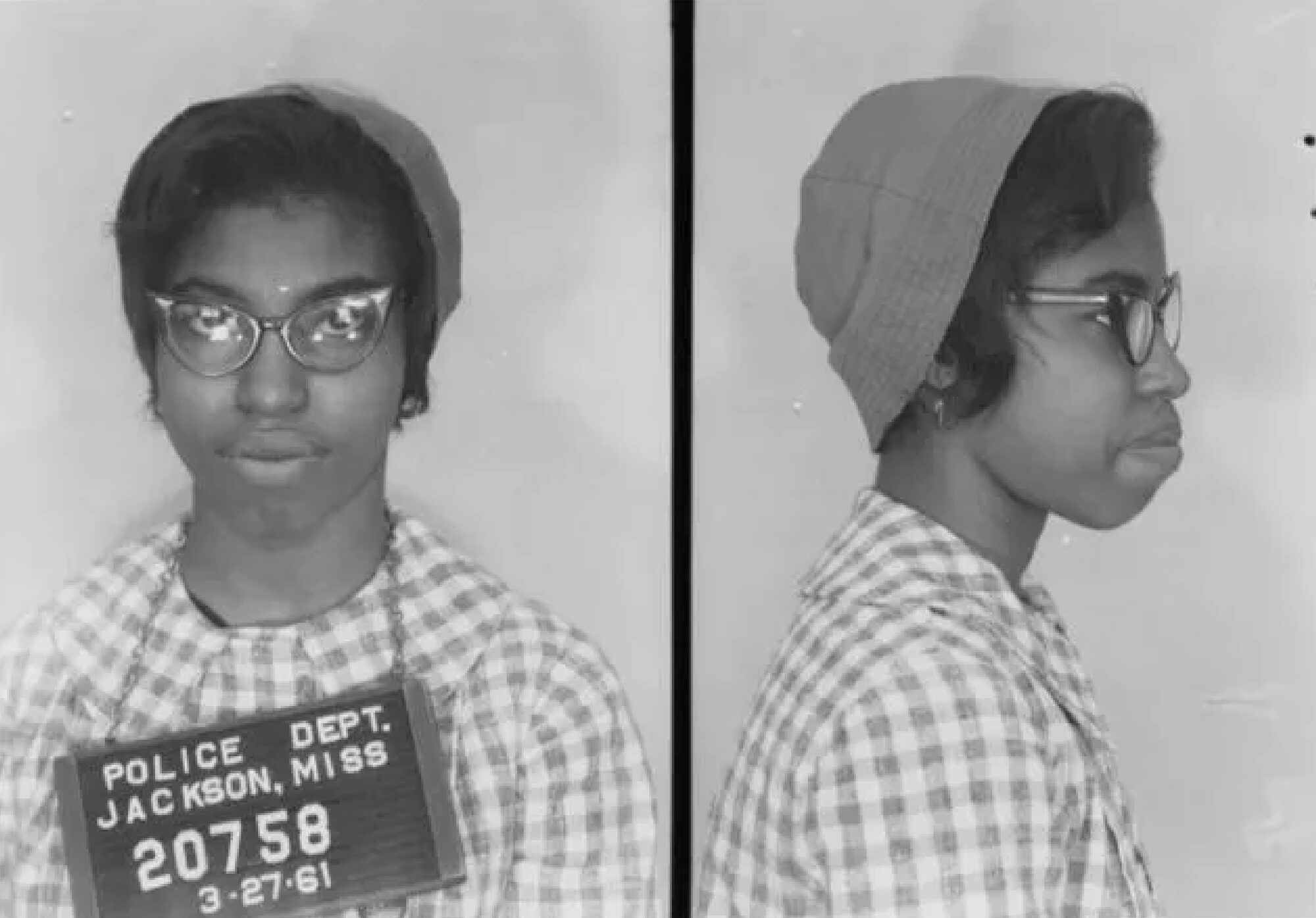
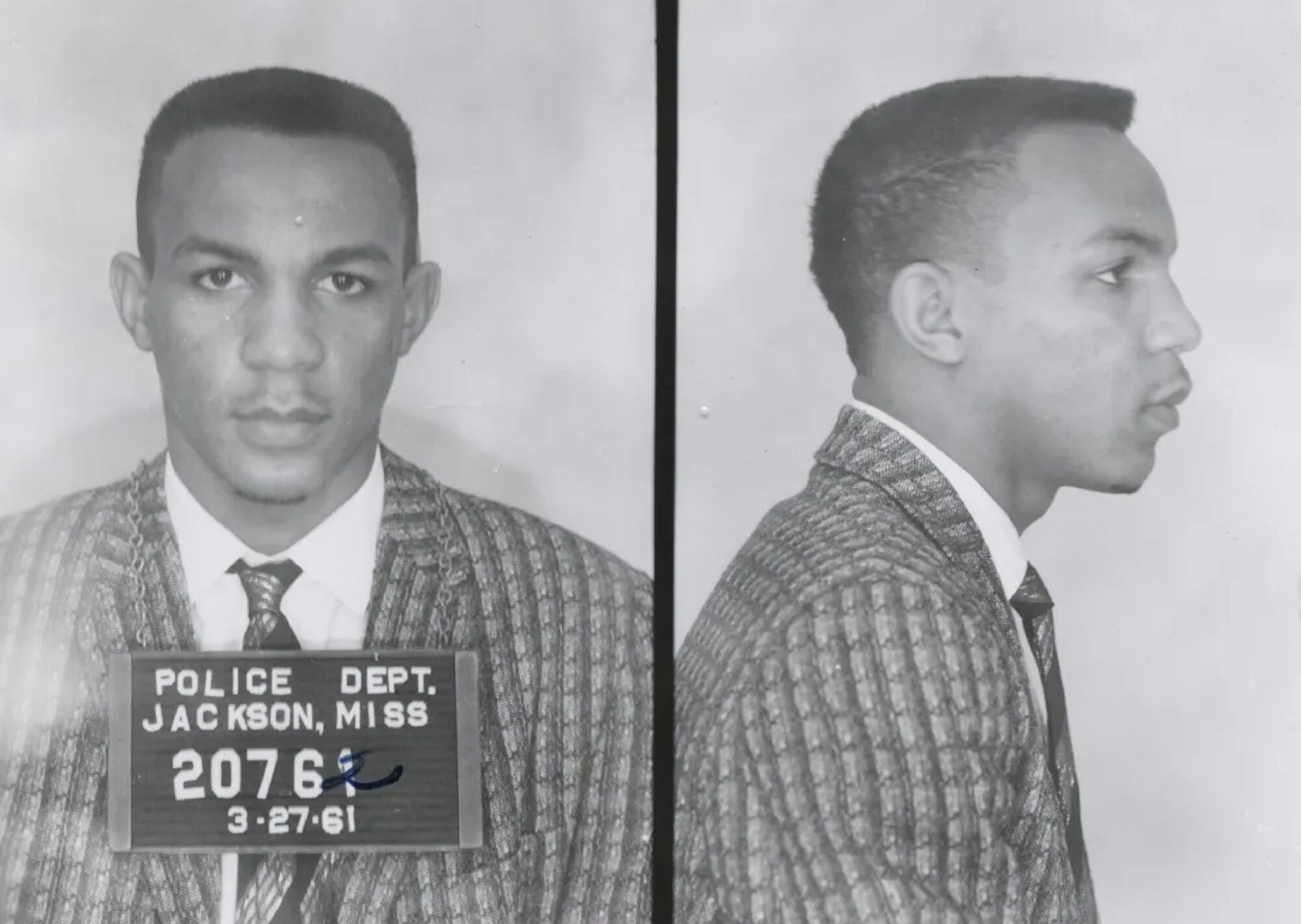
The nine students were Meredith Coleman Anding Jr., James Cleo “Sammy” Bradford, Alfred Lee Cook, Geraldine Edwards, Janice Jackson, Joseph Jackson Jr., Albert Earl Lassiter, Evelyn Pierce, and Ethel Sawyer. They were members of the NAACP Youth Council and students at Tougaloo College, the small historically Black college just north of Jackson that would become one of the most important organizing centers in Mississippi’s freedom struggle. Their names deserve to be said in full because part of the injustice of this history is not only what happened to them in 1961, but how often they have been left out of the national shorthand of the civil-rights era.
If the better-known dramas of the movement often center lunch counters, buses, courthouses, and schools, the Tougaloo Nine remind us that the civil-rights struggle also turned on access to knowledge itself. Libraries in the Jim Crow South were never neutral spaces. They were public institutions that mirrored the racial order around them, often with separate branches, unequal collections, and formal or informal rules limiting Black access. In Jackson, the main library was reserved for whites, while Black patrons were shunted to the George Washington Carver Library, where holdings were inferior and needed materials often unavailable. The students understood that inequality intimately because it interfered with their actual education. Their protest was not abstract. It was about books they needed, books they were denied, and a citizenship they were expected to finance but not fully enjoy.
Why Mississippi, and why a library?
To understand the Tougaloo Nine, it helps to understand Mississippi in 1961. This was not simply another southern state slow-walking integration. Mississippi was, in many ways, the most organized stronghold of Massive Resistance. White political power in the state did not just rely on custom and violence; it was buttressed by institutions, including the Mississippi State Sovereignty Commission, a state-funded agency created in the wake of Brown v. Board of Education and dedicated in practice to protecting segregation by surveilling, intimidating, and undermining civil-rights activists and their allies. As the Washington Post has noted, the commission worked alongside white-owned newspapers in Jackson to circulate propaganda and blunt the growing movement.
That political climate shaped strategic choices. Medgar Evers, the NAACP’s first field secretary in Mississippi, knew that conventional sit-ins at lunch counters carried enormous danger in a state where white reprisals could be swift and lethal. He also knew something else: a public library was a public institution. It was funded by tax dollars, including Black tax dollars. That distinction mattered. A challenge to segregation at a public library was not only morally potent; it was legally and politically useful. It exposed the state’s hypocrisy in unusually clean lines. Here was a taxpayer-supported civic resource, supposedly for the public good, yet withheld from part of the public by law and terror.
The decision also reflected a broader truth about the civil-rights movement that is sometimes lost beneath its iconography. Activists did not pick targets randomly. They chose sites that clarified contradictions. A segregated bus exposed the contradiction between mobility and caste. A segregated lunch counter exposed the contradiction between commerce and citizenship. A segregated library exposed the contradiction between democracy and knowledge. Mississippi insisted it was preserving order. The Tougaloo Nine showed that what it was preserving, in fact, was an architecture of exclusion so total that even information had been racially assigned.
Tougaloo College was the right campus for such a challenge. By the early 1960s, Tougaloo had become a crucial site of civil-rights organizing in Mississippi. The college offered a rare space where Black students, sympathetic faculty, clergy, and national movement figures could think strategically and act collectively. Tougaloo’s own institutional history describes the campus in the 1960s as a place where “classrooms” became “workshops for democracy” and dormitories served as safe houses for activists. That is not just celebratory language. It captures the fact that Tougaloo operated as far more than a college; it was an incubator of disciplined dissent.
The students were also not improvising. They were trained for nonviolence and coached on how to withstand verbal abuse, threats, and the possibility of arrest. Geraldine Edwards Hollis later recalled the need to prepare “mentally, physically, and even emotionally” for whatever came next. That preparation matters because it pushes back against the lazy myth that civil-rights breakthroughs were spontaneous eruptions of bravery alone. Bravery was part of it, obviously. But so were planning, rehearsal, internal discipline, and organizational support. The Tougaloo Nine were courageous, yes. They were also methodical.
The choreography of the read-in
The protest began with a quiet piece of research. Before entering the white library, the students first went to the George Washington Carver Library, the branch designated for Black residents, and requested specific books they already knew were not there. That step was strategic. It established the material inequality at the center of the action. They were not simply testing custom; they were documenting deprivation. Once that was done, they went to the main Jackson library, looked through the card catalog, requested the books, and sat down to read.
The students’ appearance was part of the argument. Like many direct-action protesters of the era, they dressed carefully and carried themselves with studied calm. They did not want any ambiguity about who was behaving reasonably. In a political culture eager to paint Black protest as disorder, respectability was used as tactical armor. It did not guarantee safety, but it narrowed the propaganda available to segregationists. Even so, once the students sat down, the library staff called police. Joseph Jackson Jr. later recalled the pause as white staff confronted the sight of nine Black students at the counter. Then came the familiar ultimatum: leave or be arrested. The students stayed.
One of the enduring details of the episode is that when police sought a leader, Evelyn Pierce reportedly replied, “There’s no leader.” Whether understood literally or strategically, the line captures a deeper ethos. The movement in Mississippi certainly had organizers, mentors, and tacticians, among them Medgar Evers. But the action itself resisted the white-state impulse to isolate a mastermind and reduce collective agency to a single instigator. The Nine were acting together, and they were punished together.
Their arrest generated one of the most indelible images of the civil-rights era in Mississippi: a young Black man seated with a book while white policemen stand nearby, the state literally looming over a reader. The Library of Congress identifies the photograph as probably depicting the Tougaloo Nine sit-in, with the seated reader possibly James “Sammy” Bradford. It is a remarkable historical document because it says everything without requiring much captioning. It is about policing, but also about fear—fear of education, fear of shared public space, fear of Black self-possession.
The Tougaloo Nine did not choose a library because it was a soft target. They chose it because segregation there looked exactly as foolish as it was.
The students were jailed for roughly thirty-two hours and charged with breach of the peace. That charge, like so many public-order charges used during Jim Crow, inverted reality. The “peace” being protected was the peace of white domination, not the peace of a functioning democracy. The students had not threatened anyone. Their offense was to sit within a white-defined space and insist, without drama, on the rights that came with citizenship. Mississippi called that a disturbance because Mississippi had built its peace on exclusion.
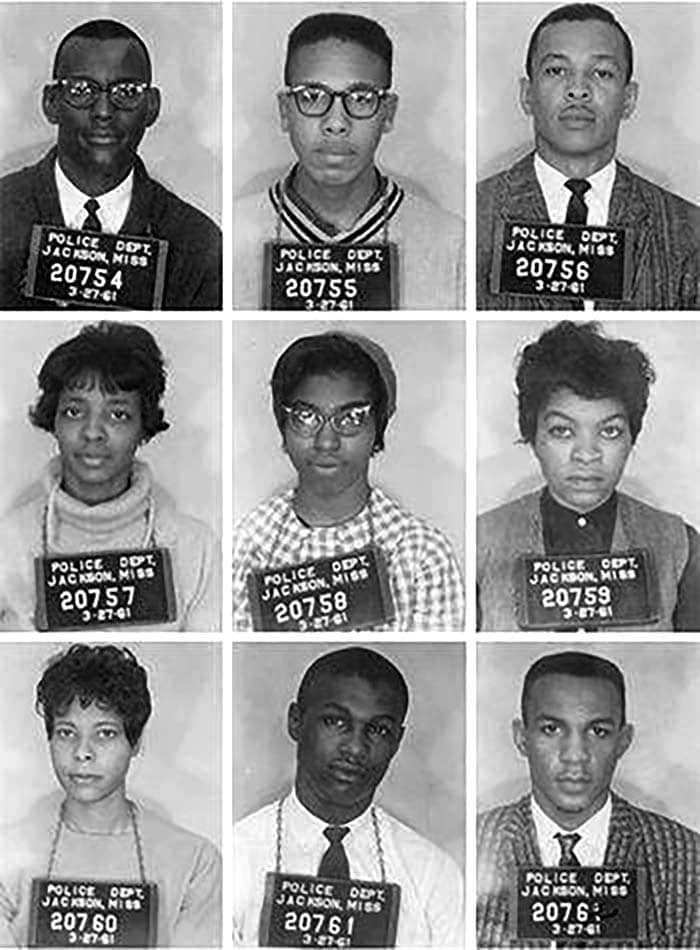
What happened outside the library mattered just as much
The story of the Tougaloo Nine does not end at the arrest. In some ways, the arrest was only the opening act. What followed in Jackson revealed just how combustible the moment had become. The same day, students at Jackson State organized a prayer vigil in support of the Nine. Hundreds gathered. The vigil was broken up by authorities, and student leaders, including Joyce and Dorie Ladner, faced punishment. The next day, more student demonstrations followed, and police responded with clubs, dogs, and force.
At the courthouse, where supporters turned out for the Nine, police again attacked Black bystanders. Reports from movement archives and later retellings describe women and children beaten, ministers bitten by police dogs, and Medgar Evers himself assaulted. One account cited by the Clio history entry notes that several people were pistol-whipped, while an elderly man had his arm broken. The violence mattered not only because it was brutal, but because it clarified the state’s answer to Black civic participation: even silent reading, once backed by organized solidarity, would be met with force.
This is where the Tougaloo Nine become more than a library story. Their action triggered a chain reaction. What had begun as a contained “read-in” widened into mass protest, campus unrest, public meetings, boycotts, legal challenges, and a sharpened local movement. The Washington Post has argued that the arrests “set in motion” a larger confrontation between Mississippi’s white supremacist power structure and Tougaloo College. That is exactly right. The read-in was not an isolated footnote; it was catalytic.
Myrlie Evers later described the sit-in as “the change of tide in Mississippi.” That line may sound sweeping, but it gets at a real shift. Mississippi had seen legal challenges and organizing before 1961. What the Tougaloo Nine demonstrated was that students in the state were willing to launch direct-action protest in public institutions despite the obvious risks. That set a precedent. It helped make further demonstrations thinkable. It also helped establish Tougaloo as a site where such action could be planned, defended, and remembered.
A small protest with oversized consequences
The Tougaloo Nine were convicted, fined $100 each, and given suspended thirty-day jail terms, with probation conditioned on avoiding further demonstrations. Even in the sentencing, you can see the state trying to criminalize not just an act but a disposition. The students were not merely being punished for what they had done; they were being warned against what they might yet do. Civil disobedience had made them legible to the authorities, and Mississippi wanted that lesson to travel.
But the movement had its own way of making lessons travel. In the wake of the sentencing and police violence, local organizing intensified. Boycotts followed. Mass meetings drew large crowds. The read-in also helped propel legal strategy. In January 1962, NAACP attorneys filed a class-action lawsuit challenging segregation in the Jackson public library system. Although the Tougaloo Nine themselves were not named as plaintiffs, the suit grew directly out of their action and the public exposure it created. Later accounts indicate that while the judicial outcome was somewhat convoluted, the signal was unmistakable: formal segregation in public libraries was increasingly untenable. Jackson’s library system desegregated quietly soon afterward.
That quietness is worth dwelling on. There was no triumphant municipal confession. No dramatic local conversion. The libraries did not desegregate because white power suddenly discovered justice. They desegregated because a combination of protest, bad publicity, legal pressure, and broader civil-rights momentum made the old arrangement harder to defend. In that sense, the Tougaloo Nine illustrate how many victories in the freedom struggle actually happened: not by moral enlightenment descending from above, but by sustained pressure making injustice too costly to preserve in public view.
The consequences rippled beyond Mississippi. Accounts of the Tougaloo Nine’s protest and its aftermath fed debates within the American Library Association, which in 1962 adopted a membership policy opening participation regardless of race, religion, or personal belief. Several southern state chapters withdrew in response. That outcome did not desegregate libraries by itself, but it showed that the Jackson protest had reached the professional conscience of American librarianship. The library world could no longer plausibly pretend that segregation in its own institutions was someone else’s problem.
Why they are less famous than they should be
One of the hardest facts about the Tougaloo Nine is that they are not better known. Their story has periodically surfaced—in library history circles, Mississippi commemorations, local news, and now more prominently in national outlets—but it has never fully entered the pantheon occupied by the Little Rock Nine, the Freedom Riders, the Greensboro Four, or the Friendship Nine. That relative obscurity is not because their action lacked significance. It has more to do with how public memory works: it favors certain geographies, certain images, certain institutions, and certain kinds of conflict.
A library sit-in is easier to underrate than a school integration crisis or a bus boycott. It can sound quiet, even genteel, unless one understands the stakes. The problem is that “quiet” has often been mistaken for “minor.” In fact, the Tougaloo Nine’s action was radical precisely because it was quiet. It made no concessions to the idea that citizenship had to be theatrically earned. The students did not ask to be heroic. They asked to use a public institution as members of the public. That directness left segregation fewer excuses.
There is also the matter of Mississippi exceptionalism. National memory tends to compress Mississippi’s civil-rights history into a few grim chapters—Medgar Evers’s assassination, the Freedom Summer murders, James Meredith at Ole Miss, Fannie Lou Hamer’s testimony, the terror around voter registration. Those events deserve the attention they receive. But they can also crowd out stories that do not fit the most familiar template of spectacle and martyrdom. The Tougaloo Nine were participants in the same ecosystem of courage and repression. Their action belongs in that canon, not on the sidelines of it.
Meredith Anding Jr., who died in 2021 at age 79, reportedly felt that the group should have received more recognition for its place in Mississippi civil-rights history. His son told the Associated Press that the Tougaloo Nine believed their role had been undervalued. It is hard to argue with that. Historical neglect is not always malicious; sometimes it is just the cumulative result of who gets taught, who gets filmed, who gets institutionally commemorated, and which episodes are judged easy to narrate. Still, neglect has consequences. It distorts the movement by making it seem narrower than it was.
The Tougaloo Nine are a reminder that civil-rights history was not only made in the loudest places. It was also made in reading rooms, on campuses, in court hallways, and in the disciplined decisions of people history almost let slip away.
Tougaloo College as movement ground
You cannot really tell the story of the Tougaloo Nine without telling the story of Tougaloo itself. The college was not simply where the students happened to be enrolled. It was a political culture, a training ground, and a refuge. Tougaloo’s archives and historical materials make clear that the 1961 library sit-in was part of a continuum. Students and faculty there would be involved in later actions against segregated businesses, a 1963 Woolworth sit-in, protests at the Mississippi State Fair, and attempts to integrate churches and public spaces in Jackson. Tougaloo, in other words, was not a one-moment institution. It was a sustained challenge to Mississippi’s racial order.
That helps explain another important dimension of the Tougaloo Nine story: the reaction of the college administration. In much of the South, students who engaged in direct action risked expulsion not only from white authorities but from Black institutions anxious about survival. Tougaloo’s leaders, by contrast, did not expel the Nine after their arrest. Sources from Tougaloo and the Smithsonian both emphasize that the students were allowed to return to class. That may sound like the bare minimum. In Mississippi in 1961, it was not. It signaled institutional courage of its own.
Tougaloo’s support mattered because segregationists understood the college as dangerous. The Mississippi State Sovereignty Commission and allied white elites saw Black colleges that tolerated or encouraged protest as incubators of disorder. Tougaloo’s willingness to shelter, educate, and stand by students made it especially threatening to the state. The Washington Post frames the period from 1961 to 1964 as a sustained clash between white supremacist power and this small Black Christian college. That framing underscores a larger truth: institutions can participate in movements, not just individuals. Tougaloo did.
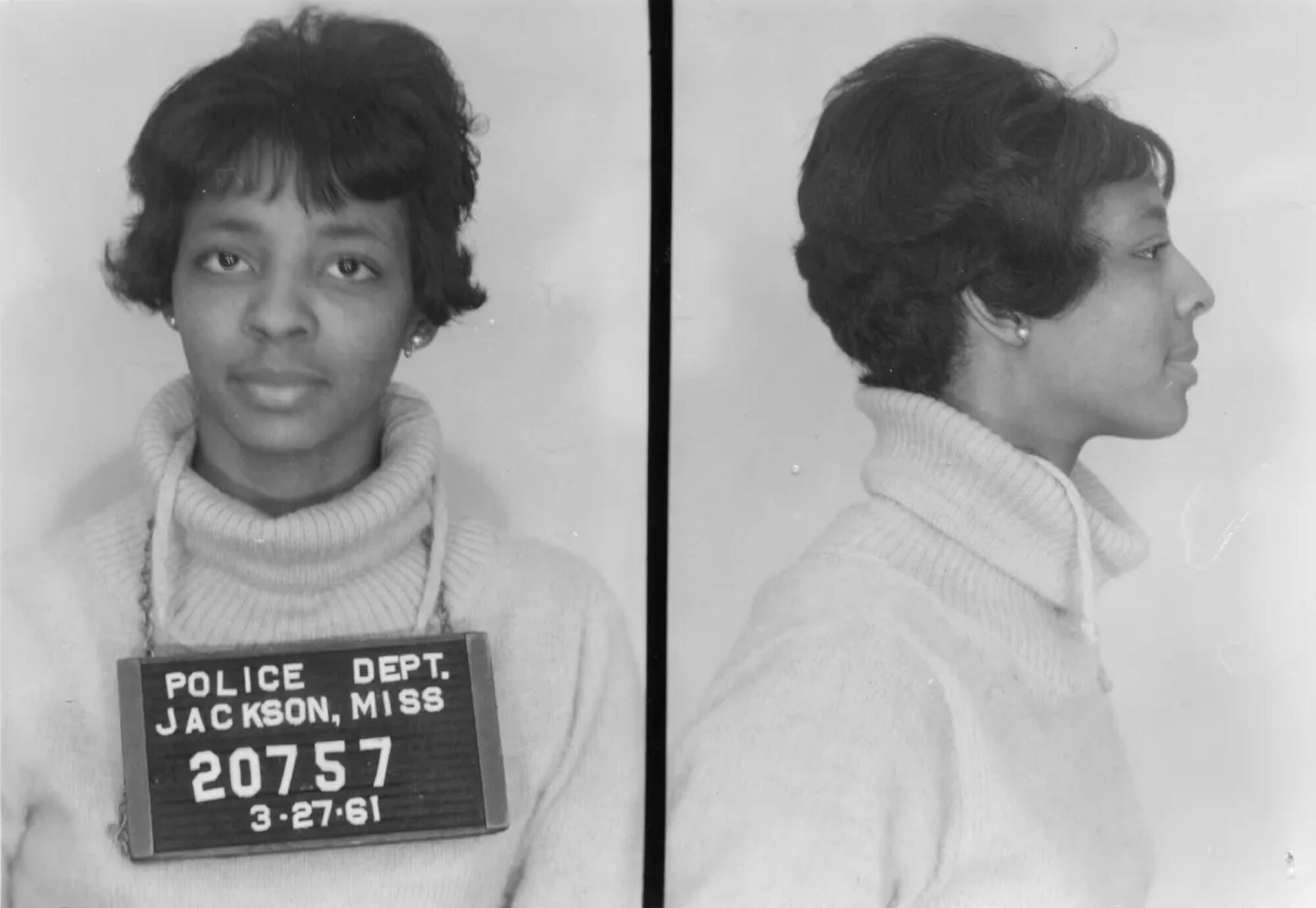
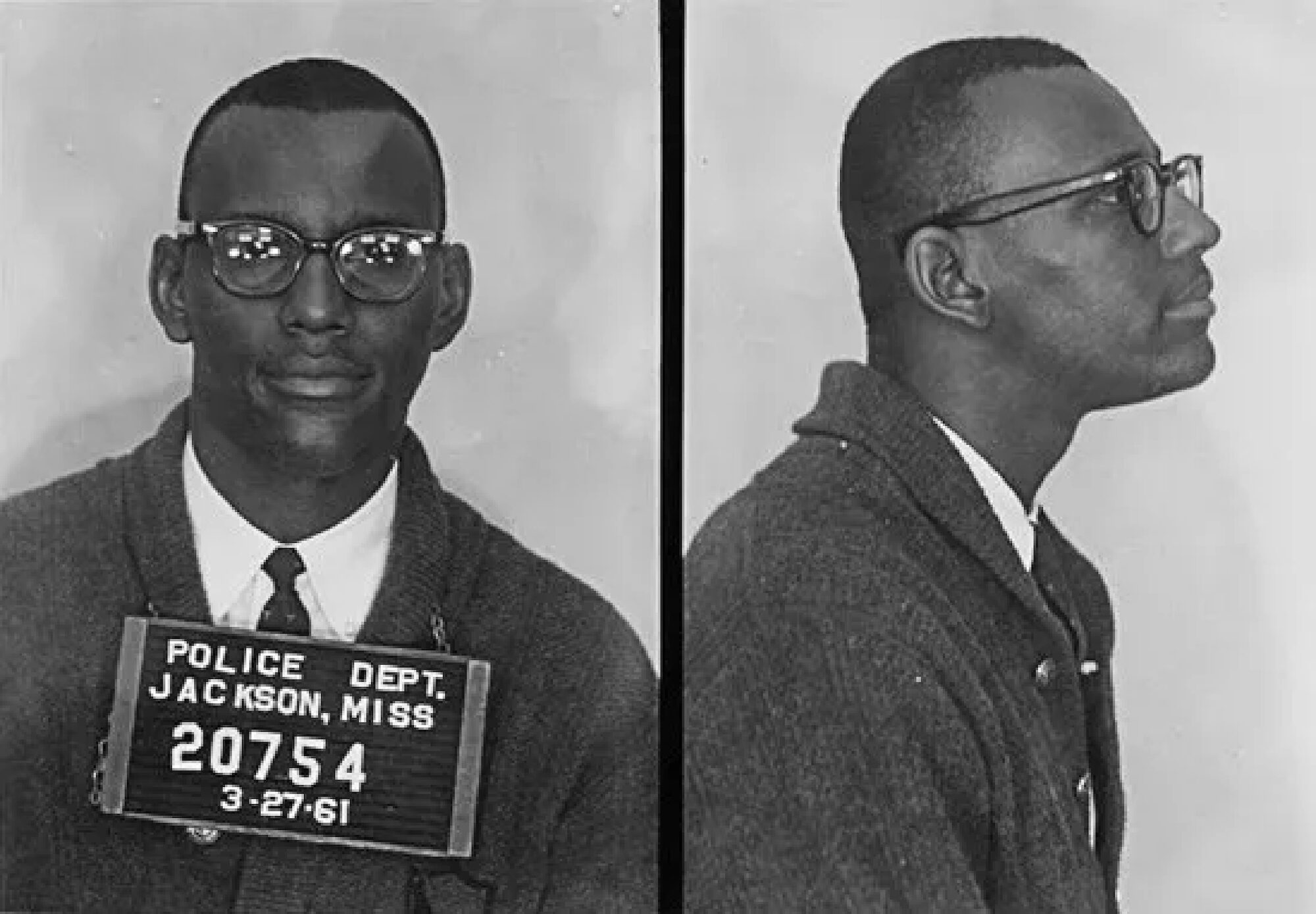
The politics of knowledge
The Tougaloo Nine matter for another reason that feels especially contemporary: they force us to think seriously about access to information as a civil right. It is easy to romanticize libraries as inherently democratic places. The history says otherwise. Libraries are public institutions, but “public” has often been an exclusionary term, defined by those with power. During Jim Crow, library segregation was both symbolic and practical. It conveyed that Black readers were lesser citizens, and it denied them the same materials, the same study conditions, and the same legitimacy as learners.
The Tougaloo Nine exposed that contradiction with remarkable economy. They did not have to argue at length about educational inequity because the premise was self-evident: the city maintained a Black branch with fewer or different materials, then criminalized Black students who tried to consult the books they needed elsewhere. If you want to understand how segregation reproduced itself, start there. Segregation was not just about separating bodies in space. It was about rationing tools of advancement—books, records, facilities, credentials, and the dignity that comes from being treated as someone whose intellectual life matters.
That is why the read-in resonates beyond 1961. Any democracy that claims to value education should be embarrassed by the memory of people being arrested for using a library. And any institution that congratulates itself on openness should be willing to ask how openness is actually structured. Who has access? Who is surveilled? Who is treated as belonging, and who must first justify their presence? The Tougaloo Nine do not offer easy analogies, but they do offer a durable framework: public institutions are only as democratic as the people they are willing to serve without humiliation.
Memory, commemoration, and the work of repair
In recent years, the Tougaloo Nine have received more public recognition. A Mississippi Freedom Trail marker commemorating the Jackson Municipal Library sit-in was dedicated in 2017. Tougaloo has held annual read-ins around the anniversary of the protest. In 2021, the college announced honorary doctorates for the surviving members. The Mississippi Department of Archives and History has also featured the group in its “Scenes from Mississippi History” series, while journalists and historians have continued to recover the episode for broader audiences.
These acts of commemoration matter, but they should not be confused with completion. There is a difference between honoring a story and fully integrating it into the national narrative. The Tougaloo Nine are still too often treated as a local curiosity, a Mississippi anecdote, or a library-history sidebar. They deserve better than that. Their protest belongs in any serious account of student activism, direct action, and the long struggle to democratize public institutions in the South.
Commemoration is also a kind of argument about what a place chooses to remember. A marker outside an old library does more than note the past; it reframes the building. What was once a site of exclusion becomes, at least potentially, a site of truth-telling. That is not redemption by itself. But it does mean the landscape no longer belongs exclusively to the people who built the old order. The students who were once escorted out by police are now part of the official civic map.
The larger lesson
The Tougaloo Nine were not famous when they walked into the Jackson library, and fame was not the point. They were students. They had assignments. They were trained, organized, and willing to take a risk for a principle that now sounds almost embarrassingly straightforward: a public library should be public. Their genius was to show that this simple proposition, honestly applied, threatened the whole scaffolding of Jim Crow. If Black students could claim books, they could claim space. If they could claim space, they could claim authority. If they could claim authority, then Mississippi’s racial order was already beginning to crack.
The civil-rights movement is sometimes remembered through its biggest moral dramas, the moments that seemed to split history in two. The Tougaloo Nine remind us that history also moves through smaller doors. Through choices that seem modest until you see the machinery assembled against them. Through the quiet insistence that citizenship must mean something in the places where daily life actually happens. A bus seat. A lunch stool. A ballot. A library table.
And that may be the deepest significance of the Tougaloo Nine. They made visible what segregation was really afraid of. Not just mingling. Not just integration as a legal abstraction. It was afraid of Black thought, Black study, Black aspiration unpoliced. It was afraid of what happens when people denied full access to public life decide, together, to behave as though they already belong there. The Nine did exactly that. They sat down, opened books, and read. Mississippi answered with handcuffs. History, eventually, answered otherwise.
Saying their names, keeping the record straight
Because public memory has a habit of thinning out around lesser-taught histories, it is worth ending where this story began: with the people themselves. Meredith Coleman Anding Jr. James Cleo Bradford. Alfred Lee Cook. Geraldine Edwards. Janice Jackson. Joseph Jackson Jr. Albert Earl Lassiter. Evelyn Pierce. Ethel Sawyer. On March 27, 1961, they carried out what Mississippi Encyclopedia describes as the first student sit-in against segregation at a public institution in Mississippi. It helped spur protests, legal action, library desegregation, and a broader escalation of youth-led civil-rights activism in the state.
That is not a marginal achievement. That is American history.
More great stories
Afro Sheen, Wall Street, and the Architecture of Black Possibility
July 6, 2026
No Comments
The Fire Inside the Fourth
July 5, 2026
No Comments