



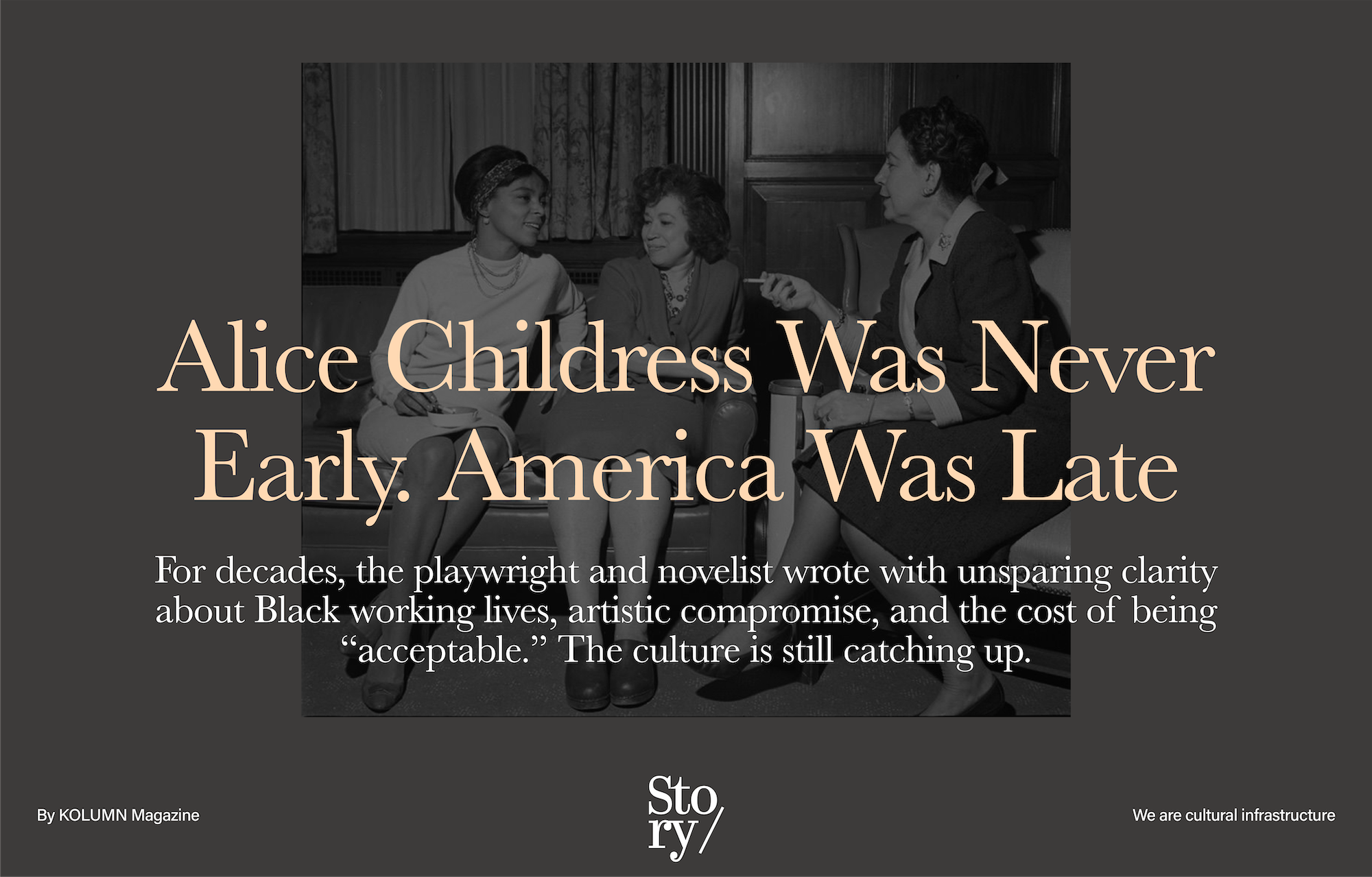
Childress did not write from the margins because she lacked access to the center. She wrote from the margins because she knew the center was lying about the country.
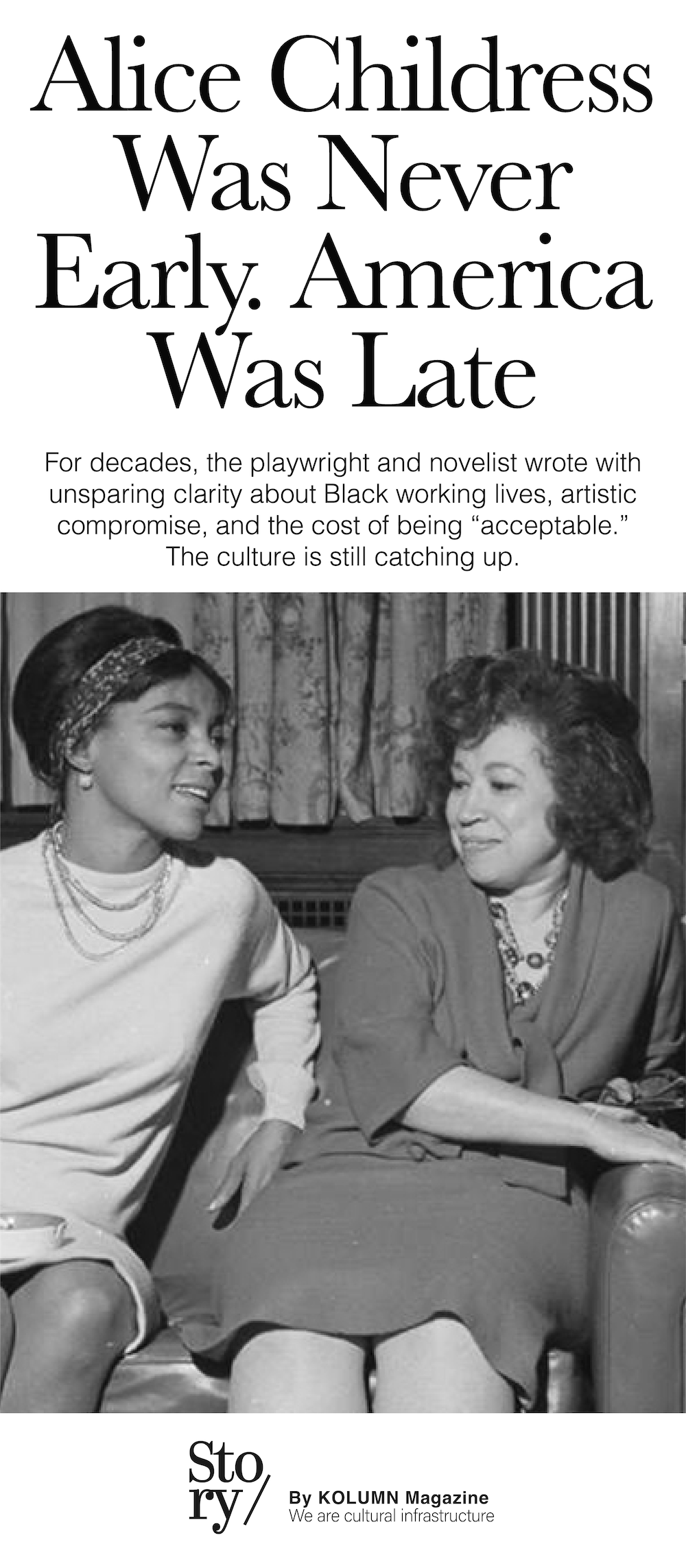
Childress did not write from the margins because she lacked access to the center. She wrote from the margins because she knew the center was lying about the country.
By KOLUMN Magazine
There are writers whose reputations arrive on time, and there are writers whose reputations have to fight their way back from neglect. Alice Childress belongs firmly in the second group. That is part of what makes her story so clarifying, and a little infuriating. She was not marginal because her work was minor. She was marginal because she kept writing with a precision that American cultural institutions, especially mid-century ones, found difficult to absorb. She wrote about Black life without softening it for white approval. She wrote about women without decorating their anger. She wrote about labor, humiliation, artistic compromise, class tension, addiction, and survival without pretending that “representation” by itself was liberation. Long before the language of intersectionality entered the mainstream, Childress was already dramatizing the point.
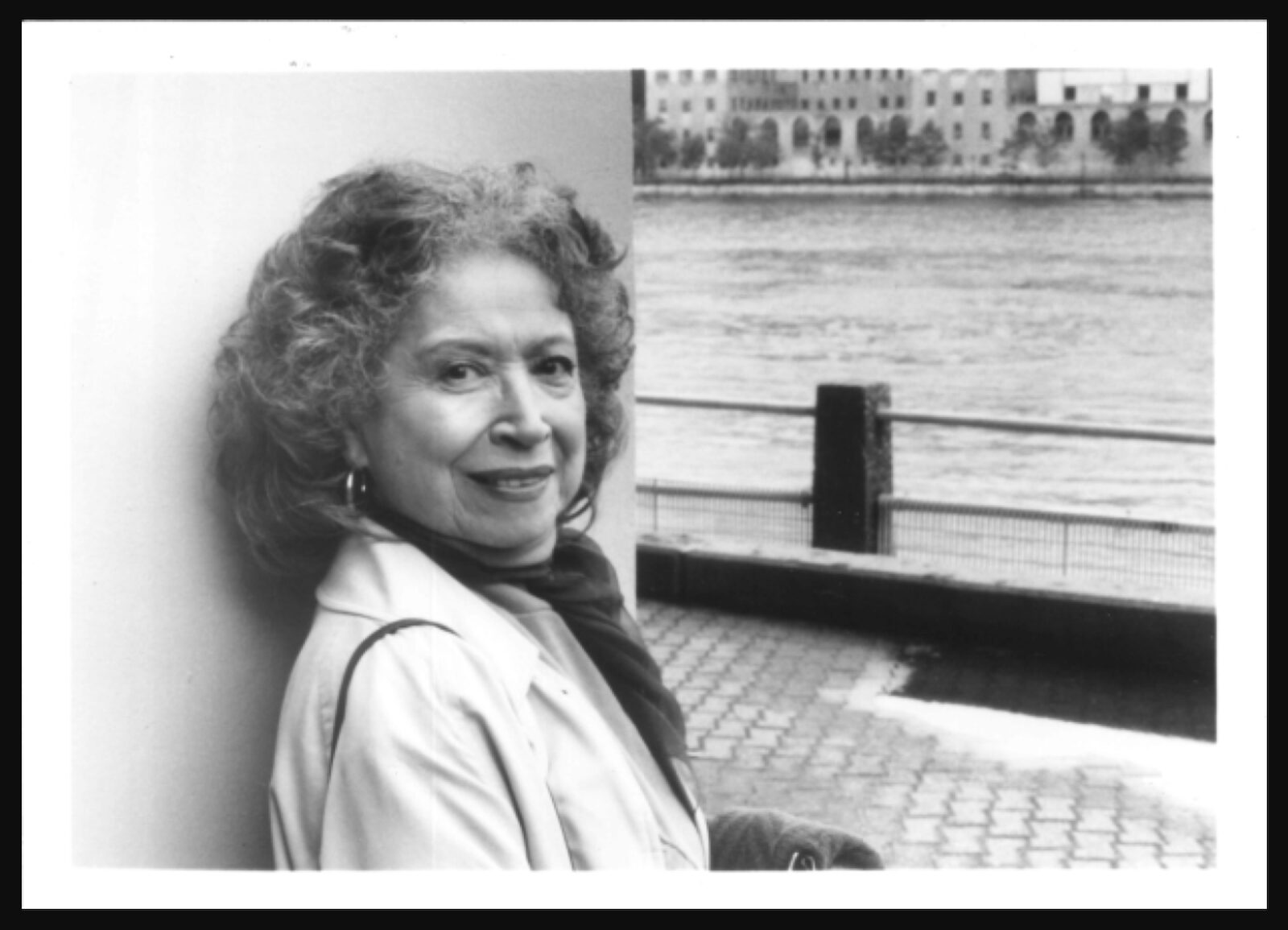
Born in Charleston, South Carolina, in 1916, and raised largely in Harlem by her maternal grandmother after her parents separated, Childress came of age in a world where formal education was limited but observation was not. Roundabout Theatre’s historical notes and the New York Public Library’s Schomburg Center archive both emphasize how central her grandmother, Eliza White, was to her formation as a reader, writer, and serious watcher of people. That detail matters because Childress’s work never reads as though it came from abstraction. It came from listening. It came from neighborhood speech, family memory, women’s labor, and the intimate politics of being underestimated.
She would later describe her artistic mission in terms that remain one of the best keys to her entire body of work: she was interested in “the have-nots in a have society,” and in the supposedly ordinary people whose inner lives were anything but ordinary. The Schomburg finding aid describes her abiding focus on those “who come in second, or not at all,” which may be the most concise summary of her literary and theatrical world.
That sentence may sound dramatic, but her career makes it hard to say it more mildly. Again and again, Childress produced work that exposed not only overt racism, but also the softer, more respectable forms: liberal paternalism, commercial caution, the demand that Black artists explain themselves while remaining agreeable. Her plays and novels do not merely protest exclusion. They anatomize the machinery that produces it.
The actress before the author
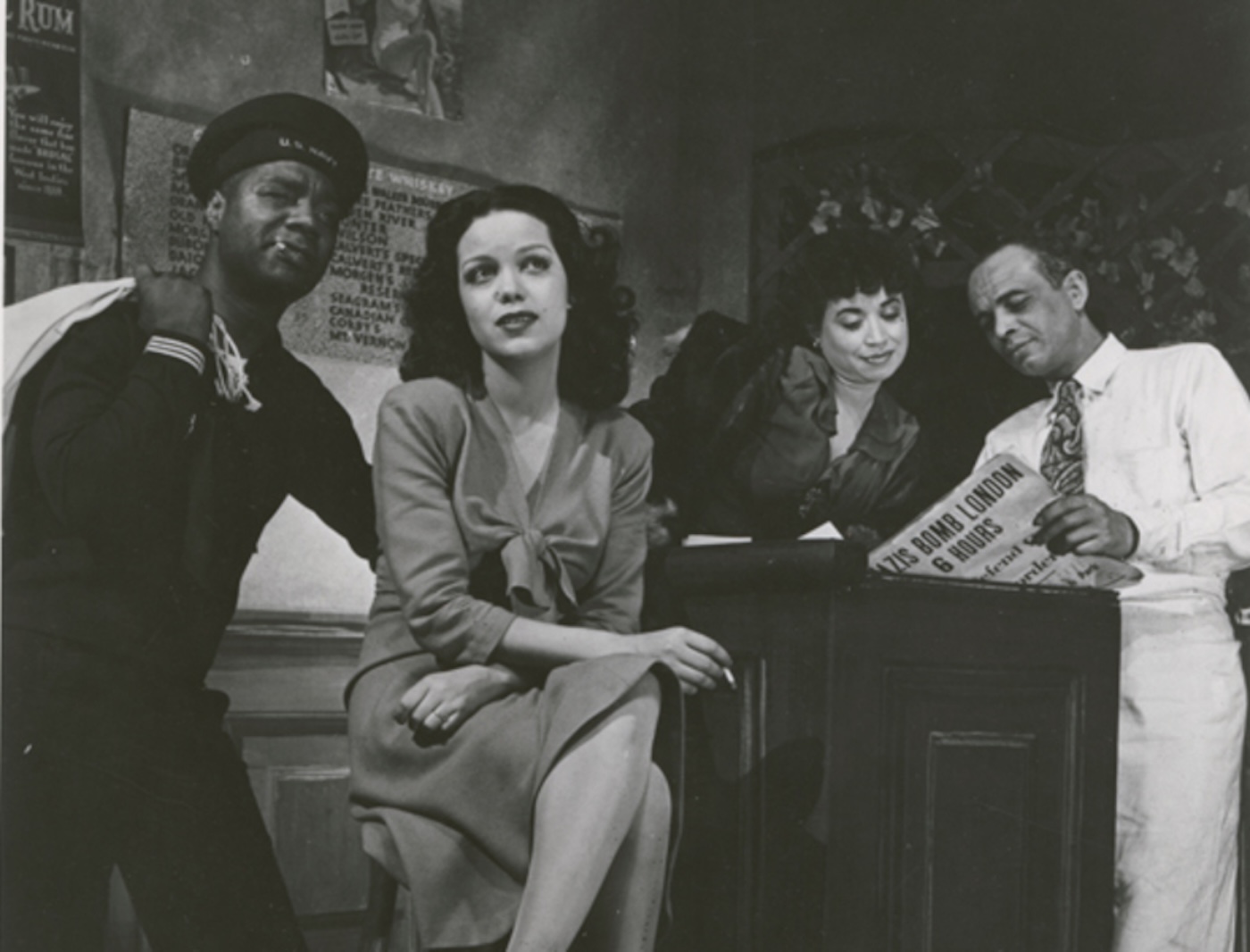
One of the most useful ways to understand Childress is to begin not with her books, but with her acting. She was a founding member of the American Negro Theatre, the important Black theater institution that helped nurture a generation of artists when mainstream American stages offered them little more than tokenism or stereotype. The Schomburg archive and Roundabout’s study materials place her in that milieu in the late 1930s and 1940s, acting in productions including Anna Lucasta, the American Negro Theatre hit that transferred to Broadway. That early experience gave Childress more than a résumé. It gave her an insider’s view of how performance, race, ego, and commerce collided.
That is why her later plays about theater feel so lived-in. Childress knew rehearsal rooms from the inside. She knew what it meant for Black performers to be praised and constrained in the same breath. She knew the difference between employment and artistic freedom. She knew how often Black actors were expected to be grateful for humiliating opportunities. When her best-known theatrical work returns to the problem of how Black performers are managed, patronized, and disciplined, it is not theoretical. It is reportage sharpened into drama.
Before she became canonized, if that process is even complete now, Childress was already doing something many playwrights never manage: converting industry knowledge into art without losing emotional complexity. She did not simply “speak truth to power.” She understood the habits of power, its euphemisms, its little bargains, its insistence that compromise is maturity. That understanding is one reason her work has aged so well. Institutions change their language faster than they change their instincts. Childress wrote about instincts.
Writing Black women beyond stereotype
Childress began writing plays in the late 1940s, including Florence in 1949. That first play already contained themes that would define her career: Black women’s self-possession, the false choices imposed by racism, and the refusal to accept domestic service as destiny simply because the culture says it is practical. Roundabout notes that she wrote because the roles and stories she wanted did not exist in the forms being offered to her. That origin story matters. Childress did not move into writing as a fallback. She moved into writing as a corrective.
Her 1956 book Like One of the Family remains one of the clearest examples of that corrective instinct. First published through Paul Robeson’s newspaper Freedom and later collected in book form, it centers Mildred, a Black domestic worker whose conversations expose the condescension, hypocrisy, and racial intimacy of white households that want Black labor while denying Black equality. Beacon Press calls it a “wry, incisive portrait” of working women in Harlem; that is true, but it almost understates the achievement. Mildred is funny, strategic, alert, and morally unseduced by the sentimentality of employers who claim a maid is “part of the family” while preserving the hierarchy that makes such language insulting in the first place.
What Childress grasped so well was that domestic labor is not only economic. It is theatrical. Employers perform benevolence; workers perform deference, or selectively refuse to. In Mildred’s voice, Childress captured the everyday dramaturgy of race and class. She understood that one of the engines of American inequality is the expectation that the exploited will also provide emotional reassurance. If the book still feels sharp, that is because the arrangement it depicts has not entirely disappeared. It has just learned more corporate vocabulary.
“Childress had a rare gift: she could make dignity sound conversational.”
That may be the most underestimated thing about her style. She was not grandiose. She did not need to be. Her dialogue is strongest when it sounds like somebody who has already figured the room out before anyone else realizes there is a room to figure. That skill made her especially formidable in writing Black women, because she refused both sentimentality and flattening strength. Her women are vulnerable, proud, funny, suspicious, desirous, tactical, and tired—often all in the same scene.
Trouble in Mind and the Broadway that flinched
If Childress’s legacy rests on several major works, Trouble in Mind is the unavoidable centerpiece. The play premiered off-Broadway in 1955 at the Greenwich Mews Theatre and ran for 91 performances. It is set in a rehearsal room where a group of actors prepares a supposedly progressive Broadway-bound play about Southern racism. The premise is devastating because it allows Childress to put liberal theater culture on trial using its own self-image as evidence. A white director congratulates himself for confronting racism while asking Black actors to submit, yet again, to its clichés.
The play’s central character, Wiletta Mayer, is a veteran Black actress who has spent years navigating humiliating roles and shallow praise. In Wiletta, Childress created not just a character but a structure of feeling: the exhaustion of being experienced enough to understand the insult and economically vulnerable enough to be punished for naming it. Guardian critic Arifa Akbar, writing about the National Theatre revival, described the rehearsal room as a battleground and the play as a still-pertinent unpicking of American racism. NPR likewise stressed how prescient the 1955 work felt in its delayed Broadway moment. Both reactions underscore what Childress already knew: racism in the arts is not merely a topic artists stage. It is a system that shapes the stage itself.
The history of the play is nearly as famous as the play now. After the successful off-Broadway run, a Broadway transfer was planned, but producers demanded changes, especially to the ending, to make the work less unsettling for white audiences. Roundabout’s production history and Pittsburgh Public Theater’s later summary both document the long pressure campaign to alter the play and Childress’s eventual refusal to keep sanding down its edges. The result was that the Broadway transfer collapsed. What would have been a landmark became, instead, one of American theater’s clearest examples of institutional cowardice.
That collapse tells you almost everything you need to know about how American culture manages dissenting Black art. Institutions are often happy to applaud “important” work as long as its importance arrives in the right emotional register. Once it stops consoling the audience, or once it exposes liberal self-regard as part of the problem, the conversation shifts from merit to marketability. Childress saw that game early and paid a price for refusing it.
When Trouble in Mind finally reached Broadway in 2021, more than six decades after it was first supposed to, the production was widely understood as both an artistic event and a historical correction. NPR called the premiere overdue; Playbill marked it as a first Broadway appearance more than 65 years late. The lateness matters. It is tempting to narrate that production as a triumph of progress, but Childress’s own career suggests a sharper reading: the play did not suddenly become great in 2021. Broadway finally became unable to keep pretending it wasn’t.
Wedding Band and the national fear of intimacy
If Trouble in Mind exposes racism in performance culture, Wedding Band cuts into another national wound: interracial love, and the legal and social violence arranged around it. Set in South Carolina in 1918, the play follows Julia, a Black seamstress, and Herman, her white partner, whose long relationship remains trapped by anti-miscegenation law and by a broader system of public hatred. Concord Theatricals describes it as an unforgettable drama about prejudice and ignorance in early twentieth-century America, first presented by the New York Shakespeare Festival at the Public Theater in 1972, though Childress had written it earlier and struggled for years to get it staged in New York.
That struggle was not incidental. It was the point. Wedding Band was difficult for gatekeepers because it refused the fantasy that American racial cruelty was a Southern relic already disappearing into history. By writing about 1918 from the vantage point of the 1960s, Childress drew an implicit line between eras and asked how much had really changed for Black women. Secondary but credible historical accounts note that when a television adaptation aired on ABC in 1974, some Southern affiliates refused to carry it, fearing backlash. Even after Loving v. Virginia, the country remained eager to congratulate itself legally while panicking culturally.
What makes Wedding Band especially powerful is that it is not merely an issue play about law. It is a play about atmosphere: gossip, surveillance, illness, shame, dependency, longing. Childress understood that racism is sustained not only by statutes but by neighbors, family scripts, and ordinary cowardice. Julia is not a symbol. She is a woman forced to calculate survival inside a social structure determined to make her love look criminal, embarrassing, or impossible.
This is one reason Childress remains such a writer for the present. She never let structural critique flatten individual psychology. Her characters are not pamphlets. They feel hunger, jealousy, vanity, erotic attachment, and hope. She kept insisting, in form as well as content, that Black political writing could also be emotionally intricate. In fact, for her, intricacy was part of the politics. The stereotype is simple; the person is not.
Wine in the Wilderness and the war inside the Black world
Then there is Wine in the Wilderness, one of Childress’s most incisive works and one of the clearest examples of her interest in intra-Black conflict, especially around class and gender. Originally written for television and first aired in 1969 on WGBH’s On Being Black, the play unfolds against the backdrop of the 1964 Harlem riot. An artist searching for a model for the final panel of his triptych on Black womanhood believes he has found the “wrong” kind of woman in Tomorrow Marie, only to discover that his own assumptions are the real subject on trial.
“Alice Childress understood that being seen is not the same thing as being known.”
The premise sounds tidy on paper, but Childress makes it jagged. The play is not only about sexism from Black men toward Black women, though it is certainly about that. It is also about respectability politics, middle-class distance, the eroticization of suffering, and the temptation to turn living people into usable symbols. Tomorrow Marie refuses symbol status. That refusal is the play’s engine. Childress asks who gets to define the “real” Black woman, who benefits from those definitions, and how often the women most discussed are the least heard.
What feels especially contemporary is the play’s hostility to curation masquerading as solidarity. Bill, the artist, wants authenticity he can arrange aesthetically. That impulse has not vanished; it has merely migrated into newer industries and newer language. Childress saw how easily political seriousness can become another form of consumption. She also saw how frequently Black women were expected to absorb the projections of everybody around them and call it recognition.
That insight runs through her work with almost painful consistency. In her plays, visibility can be another trap. A role can be visible and degrading. A woman can be admired and misread. A child can be noticed only once he is already in crisis. Childress’s art keeps asking a blunt question: what kinds of seeing does America reward, and what kinds does it avoid because they would demand change?
The novelist of children the culture preferred not to imagine
For many readers, especially outside theater, Childress’s name is attached most immediately to A Hero Ain’t Nothin’ but a Sandwich, the 1973 novel that became a landmark in young adult literature. The book centers Benjie, a thirteen-year-old Harlem boy dealing with addiction, family fracture, and a social world far less interested in saving children than in moralizing about them. The American Library Association records the book’s Coretta Scott King Honor in 1974, and bibliographic and critical sources identify it as one of Childress’s most important literary successes.
The book’s formal intelligence still deserves more attention than it gets. Childress tells the story through multiple voices rather than through a single moral authority. That choice matters because it prevents easy diagnosis. Benjie is not reduced to cautionary example. He is made legible through the adults, peers, systems, and absences around him. Childress was too serious a writer to imagine addiction as either individual vice or sentimental tragedy alone. She treated it as a social crisis experienced intimately.
Predictably, the book also provoked censorship fights. In Board of Education v. Pico, the Supreme Court case arising from a Long Island school board’s removal of books, A Hero Ain’t Nothin’ But a Sandwich was one of the targeted titles. Cornell’s Legal Information Institute records the case and the listing of Childress’s novel among the challenged books; the opinion also notes objections from board members, including to the book’s treatment of George Washington as a slaveholder. In other words, Childress once again ran into the American habit of calling realism “obscenity” or “anti-Americanism” when the reality in question embarrasses national myth.
This part of her legacy should not be treated as a side note. It reveals how fully Childress understood that children, especially Black children, are often denied serious literature because adults want fantasy control. She did not write down to young readers. She wrote toward them with moral seriousness. That remains radical. A culture happy to expose children to violence in life often becomes suddenly protective when literature tells the truth about that violence. Childress refused that hypocrisy.
She later adapted the novel for film, extending the same thematic concerns into another medium. Even there, the pattern held: Childress kept moving between forms, but the forms did not domesticate her. Playwright, novelist, actress, screenwriter—she was never only one thing, which may be another reason canon-making institutions had trouble placing her. She exceeded the category that might have made her easier to market.
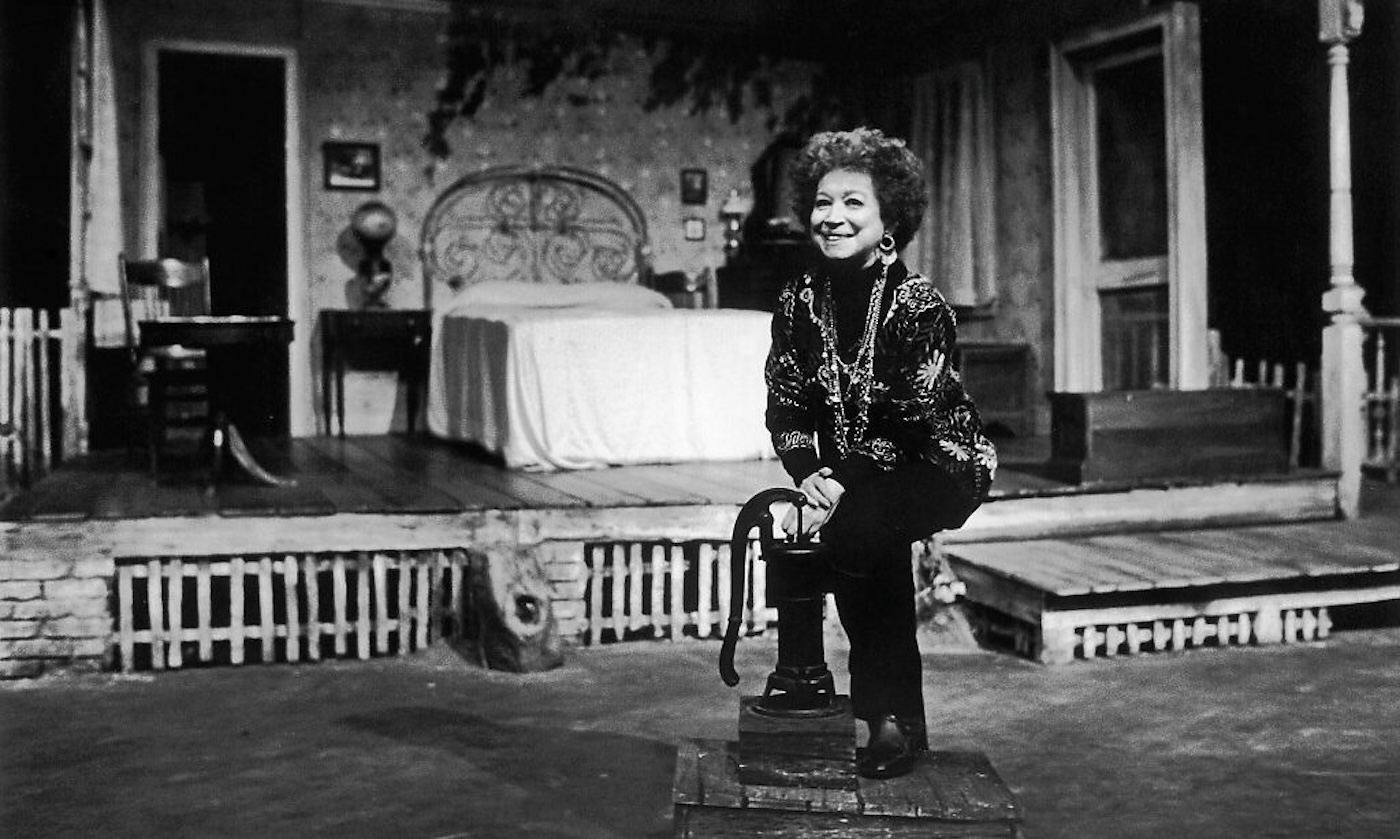
Why did a writer this important become “rediscovered”?
The easiest answer is racism. The fuller answer is racism plus genre, plus gender, plus the longstanding tendency of American literary culture to separate “serious” art from work that is accessible, theatrical, popular, or politically explicit. Childress violated too many quiet rules at once. She wrote plays and novels. She wrote for adults and for young people. She wrote dialogue that sounded alive rather than decorously literary. She cared about working-class Black women, Black actors, Black children, and Black people arguing among themselves. She was never interested in proving sophistication by distancing herself from the lives she represented.
There is also the matter of refusal. Childress did not just make challenging art; she resisted the processes that would have made that art easier to sell. The history of Trouble in Mind alone tells you that. So does the production history of Wedding Band. American culture often likes its dissent after it has been seasoned by time, safely detached from the people who had to bear the consequences of uttering it. Childress’s “rediscovery” says as much about contemporary institutions cleaning up their historical omissions as it does about sudden renewed interest in her work.
Still, the revival is real. The 2021 Broadway production of Trouble in Mind, renewed interest in Wedding Band, and major contemporary productions of Wine in the Wilderness have all helped move Childress back into public conversation. That matters not just for her reputation, but for the shape of the canon itself. Once Childress is restored to view, the standard story of American theater changes. It becomes harder to say that Black women arrived late to formal experimentation, social critique, or metatheatrical brilliance. They were there. Institutions were not looking, or were looking selectively.
What Alice Childress means now
So what, exactly, is Alice Childress’s significance? First, she is one of the essential dramatists of twentieth-century America, not merely an important “Black playwright” in a niche category. Her work interrogates race, yes, but also labor, performance, ideology, gender, and the economics of culture itself. She belongs in any serious account of modern American theater because she understood the stage as both art form and workplace, as both symbolic arena and site of disciplined behavior.
Second, she is one of the major chroniclers of Black ordinary life. That phrase, “ordinary life,” should not be mistaken for modesty of scope. Childress recognized what many institutions still struggle to accept: ordinary Black life contains enough contradiction, beauty, bitterness, and philosophical heft to sustain the highest forms of literature. She did not need spectacle to generate stakes. A maid talking back, an actress refusing humiliation, a woman confronting the terms on which she is loved, a boy trying not to disappear—these were already national subjects.
Third, she remains newly relevant because the pressures she dramatized have not gone away. The language has changed. The memo lines have improved. But the questions persist. Who gets asked to represent a group? Who gets rewarded for smoothing over conflict? How do institutions congratulate themselves for inclusion while policing the terms of speech? What happens when a Black woman refuses the role assigned to her—whether that role is servant, symbol, muse, or grateful beneficiary? Childress kept writing those questions before the culture had stable slogans for them.
And finally, Childress matters because she was right about art. Not in the narrow sense that her plays “predicted” us, though in some ways they did. She was right in the deeper sense that she trusted complexity over flattery. She trusted contradiction over doctrine. She trusted voices that polite culture had learned to hear only as noise. She understood that the people who “come in second, or not at all” are not supporting characters in the American story. They are the story.
Alice Childress died in 1994, long before the late Broadway honors, the renewed scholarly enthusiasm, and the current public appetite for restoration. But even that timeline says something bracing. She did not need the revival to validate the work. The work had already done its job. It had already named the humiliations, exposed the frauds, dignified the overlooked, and sharpened the language available to people still trying to survive the same structures.
The best way to honor her now is not merely to call her overlooked, or groundbreaking, or ahead of her time, though she was all three. It is to read and stage her without apology, and to let her alter the scale by which American literature and theater are judged. Once you do that, Childress stops looking like a recovered exception. She starts looking like what she was all along: a central American writer whom the culture was trained not to see.
More great stories

Afro Sheen, Wall Street, and the Architecture of Black Possibility
July 6, 2026
No Comments
The Fire Inside the Fourth
July 5, 2026
No Comments