

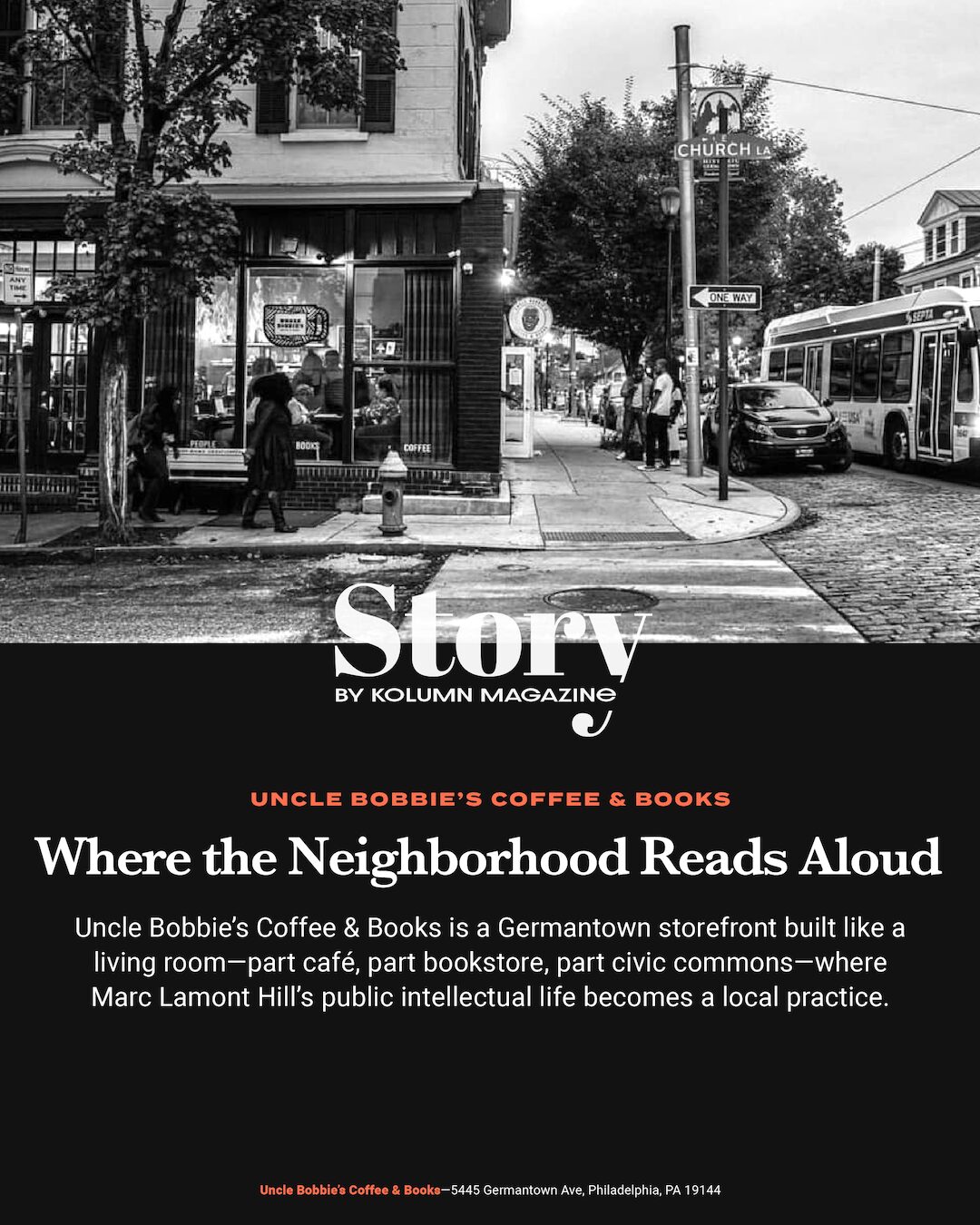
Where the Neighborhood Reads Aloud
Uncle Bobbie’s Coffee & Books is a Germantown storefront built like a living room—part café, part bookstore, part civic commons—where Marc Lamont Hill’s public intellectua
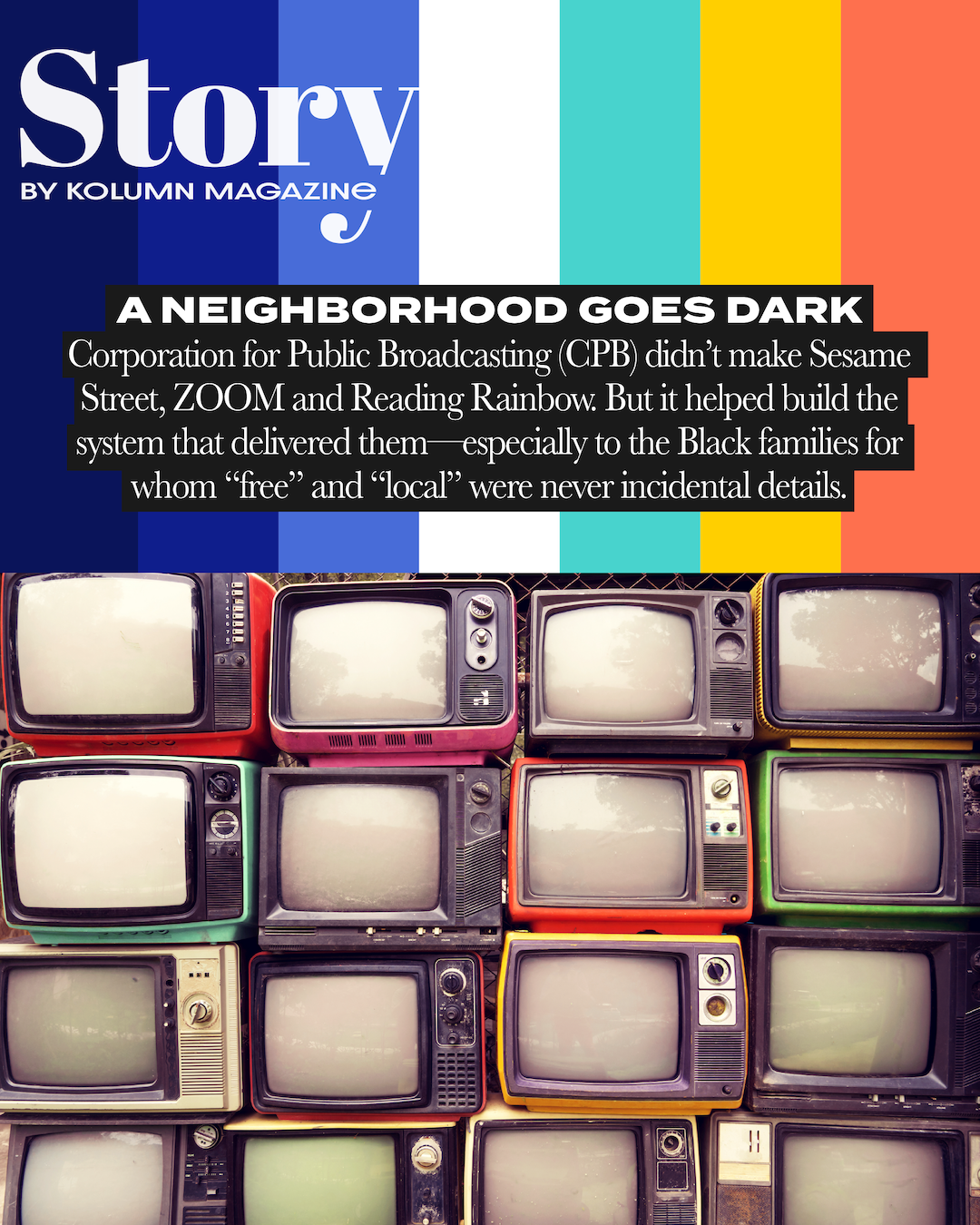
A Neighborhood Goes Dark
Corporation for Public Broadcasting (CPB) didn’t make Sesame Street, ZOOM and Reading Rainbow. But it helped build the system that delivered them—especially to the Black famili
The New Vigilantes
They claim to protect the nation while violating it: the rising reports of ICE impersonation—and what Black and brown communities know about counterfeit authority.
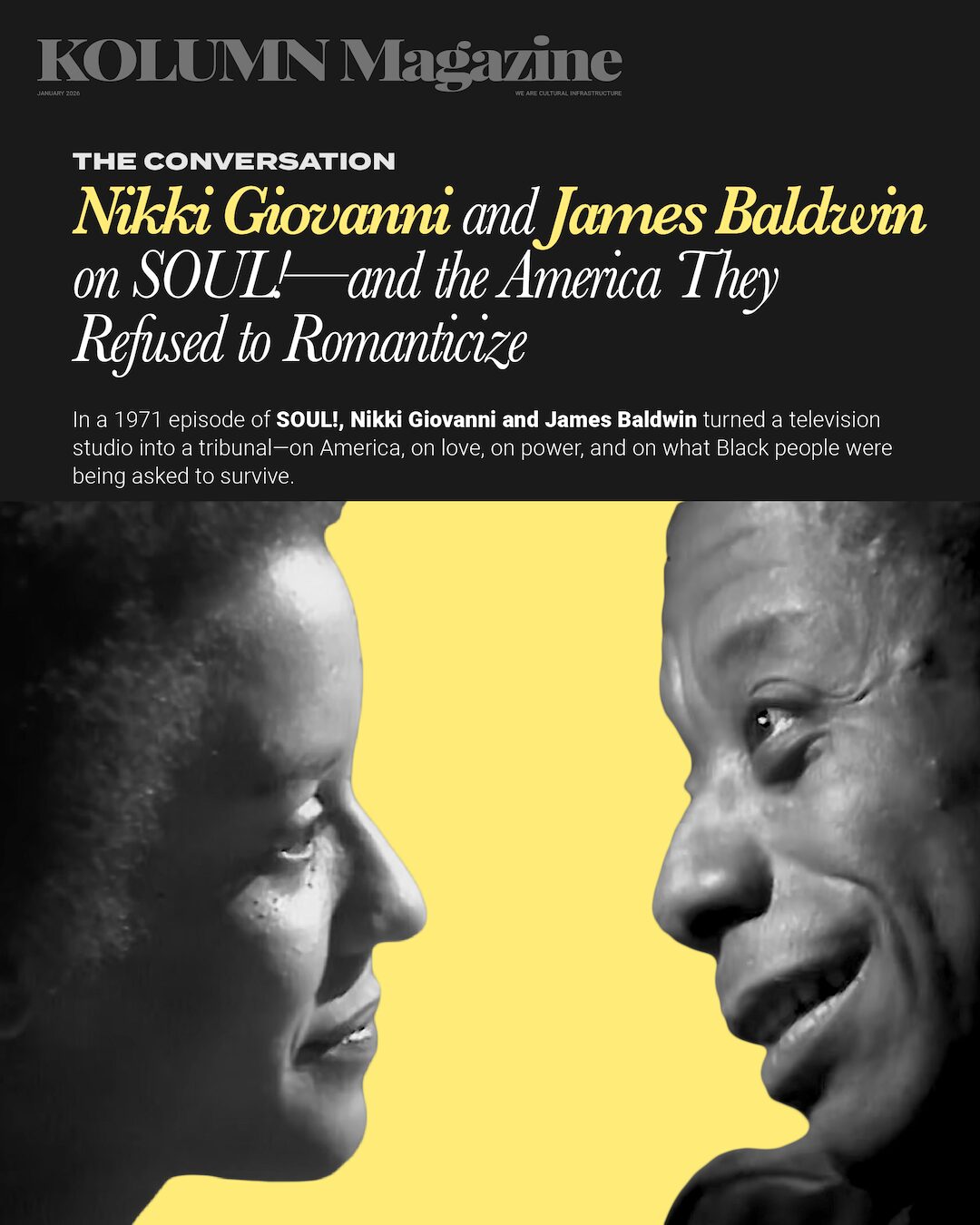
The London Conversation: Nikki Giovanni and James Baldwin on SOUL!—and the America They Refused to Romanticize
In a 1971 episode of SOUL!, Nikki Giovanni and James Baldwin turned a television studio into a tribunal—on America, on love, on power, and on what Black people were being asked t
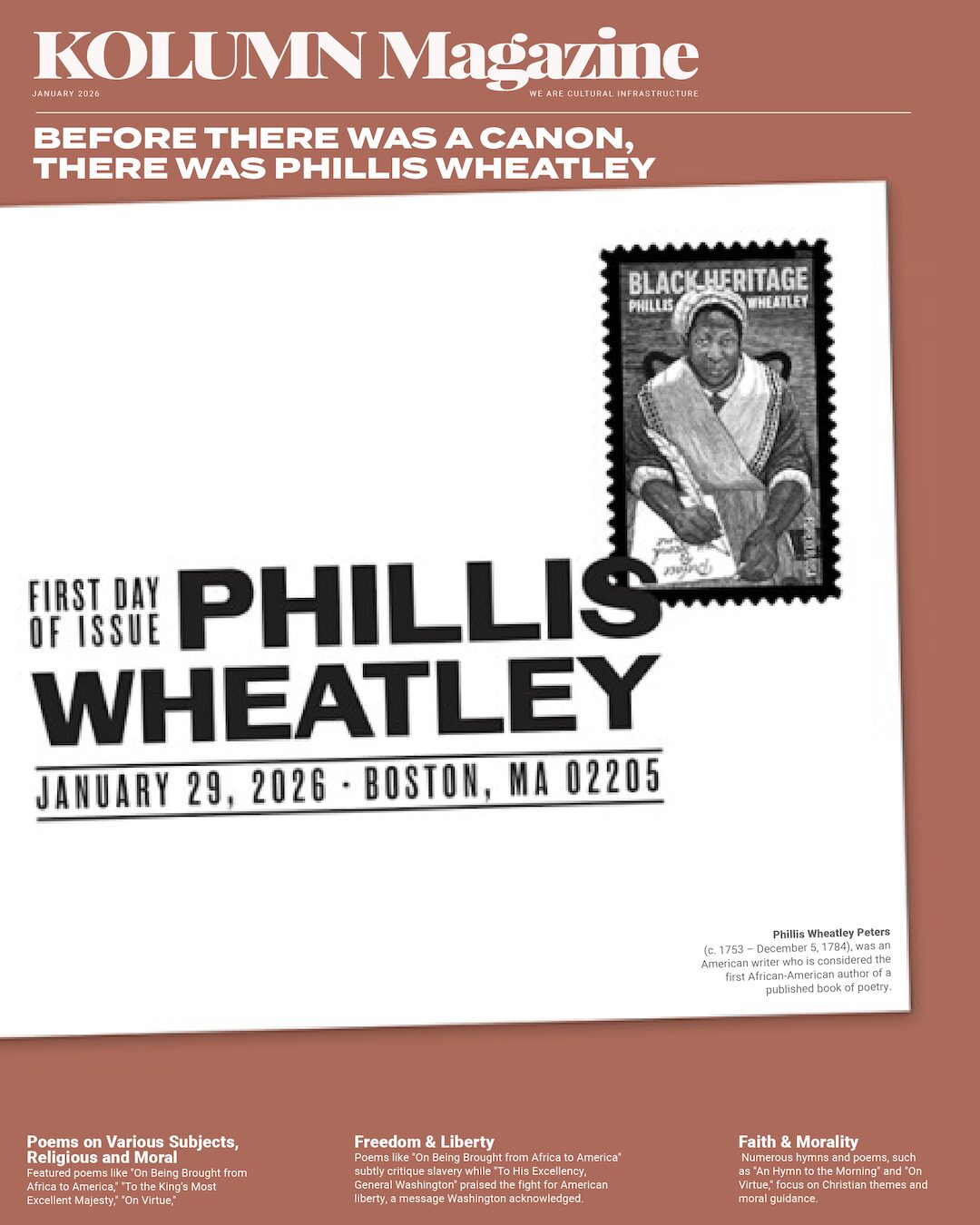
Before There Was a Canon, There Was Phillis Wheatley
Her poems didn’t just begin a tradition—they complicated it.
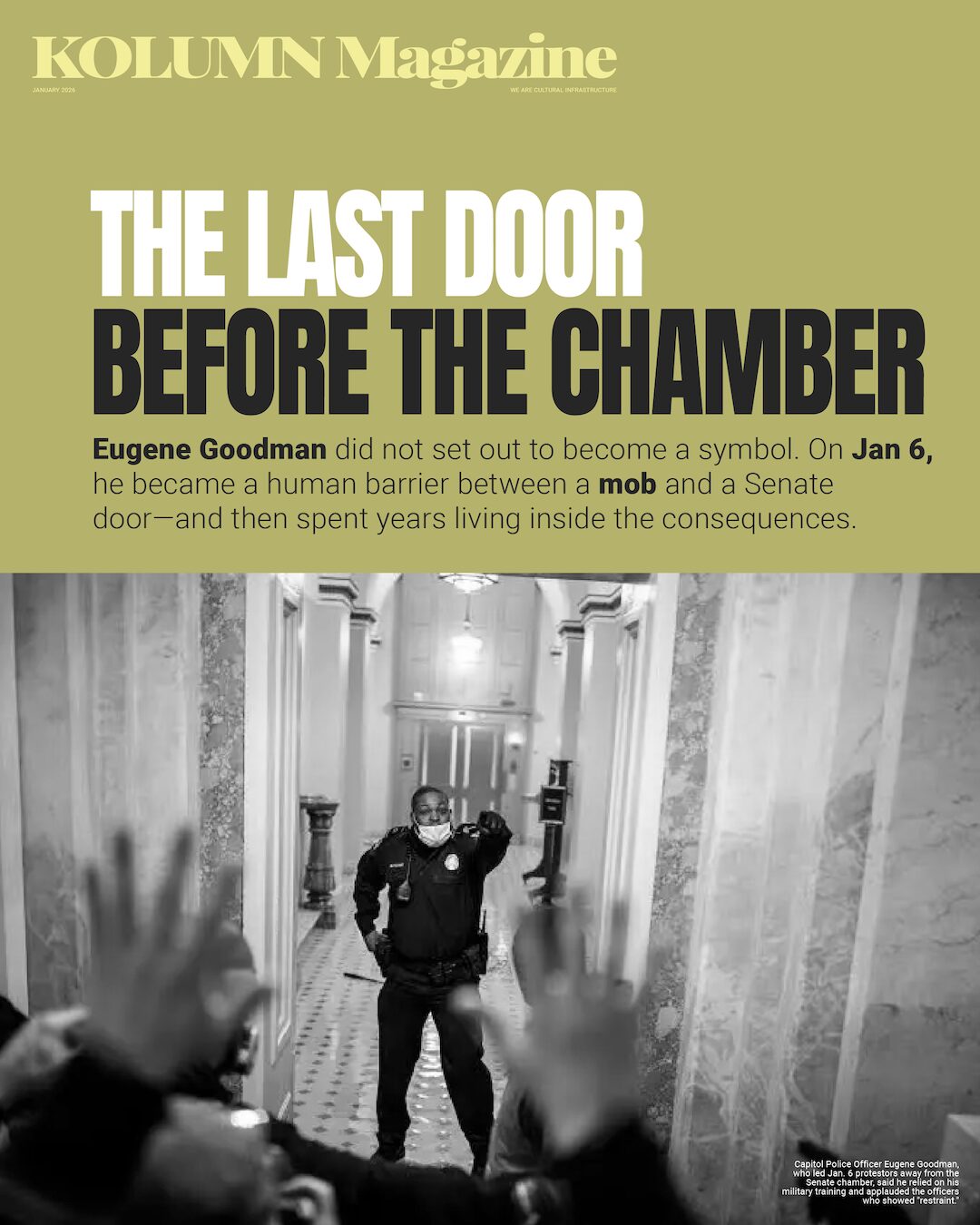
The Last Door Before the Chamber
Eugene Goodman did not set out to become a symbol. On January 6, he became a human barrier between a mob and a Senate door—and then spent years living inside the consequences.
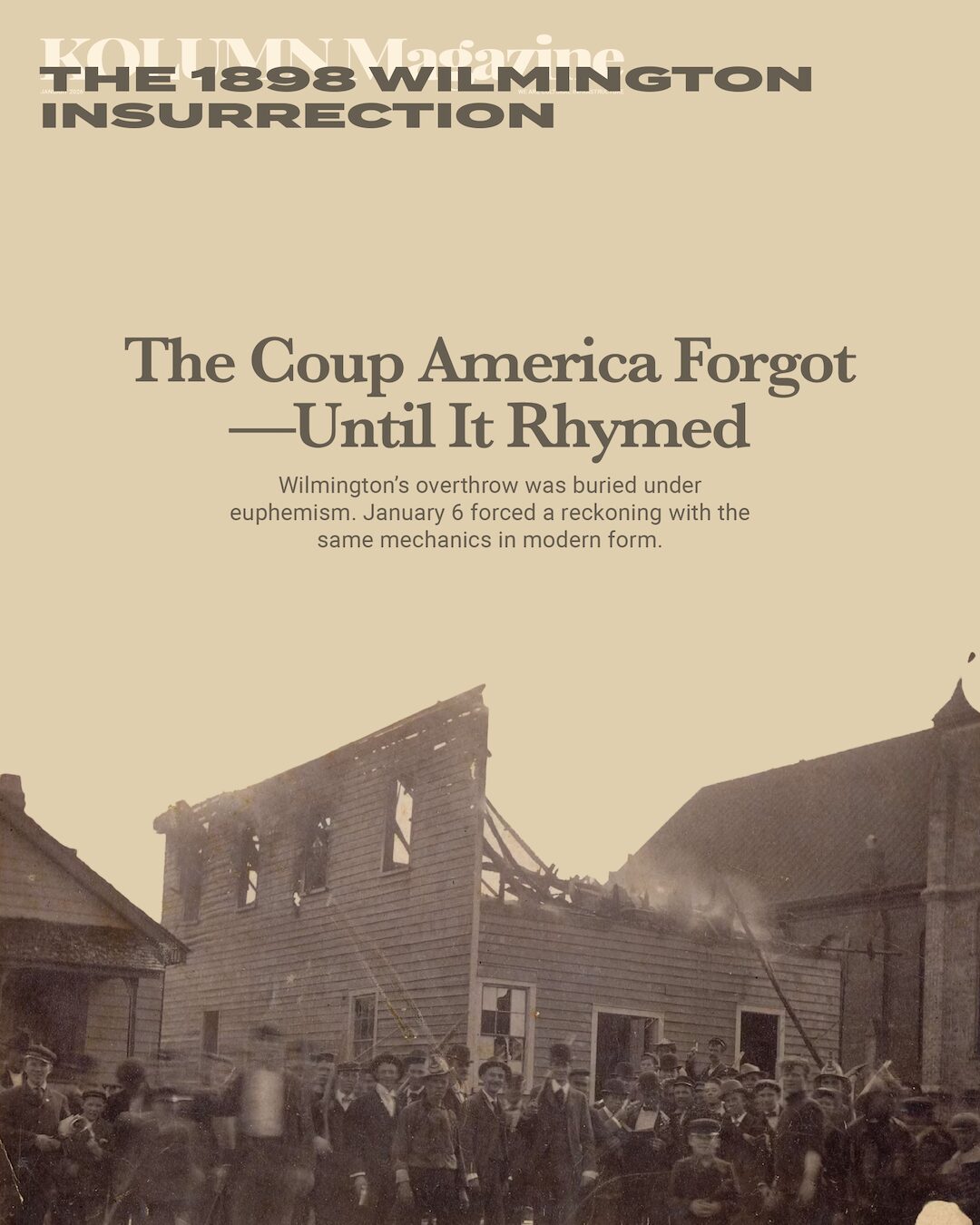
The Coup America Forgot—Until It Rhymed
Wilmington’s overthrow was buried under euphemism. January 6 forced a reckoning with the same mechanics in modern form.
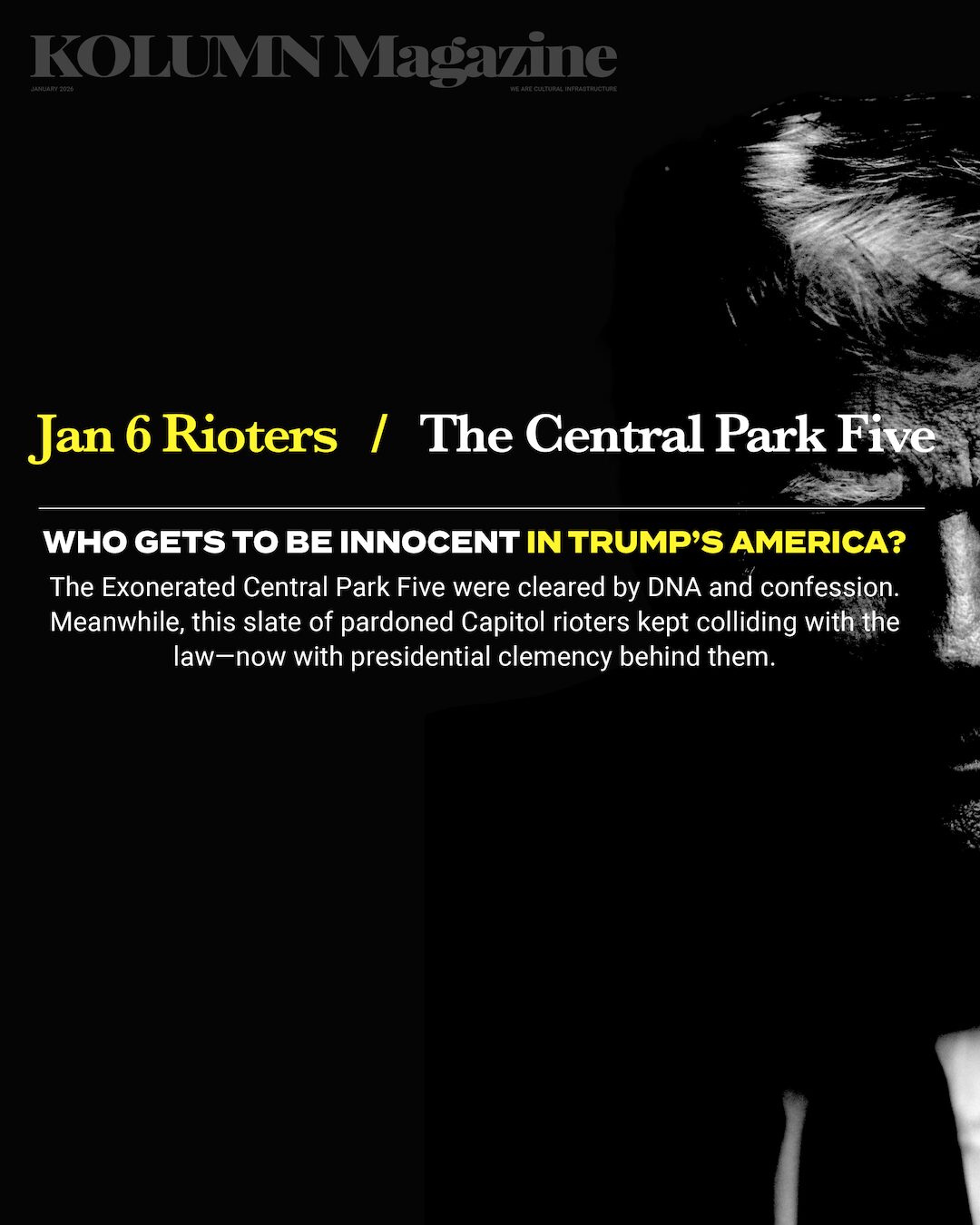
Who Gets to Be Innocent in Trump’s America?
The Exonerated Central Park Five were cleared by DNA and confession. Meanwhile, this slate of pardoned Capitol rioters kept colliding with the law—now with presidential clemency
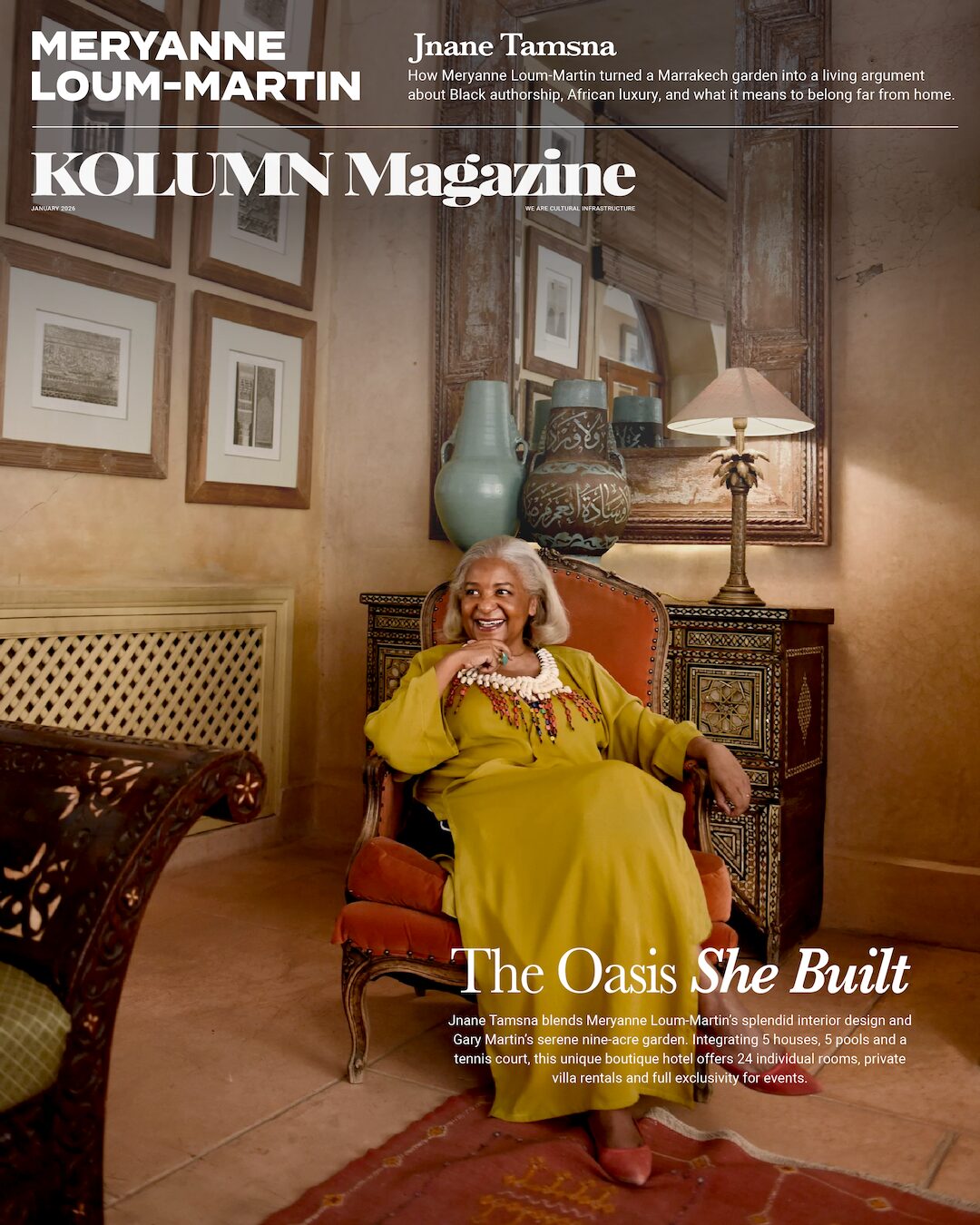
The Oasis She Built
How Meryanne Loum-Martin turned a Marrakech garden into a living argument about Black authorship, African luxury, and what it means to belong far from home.