

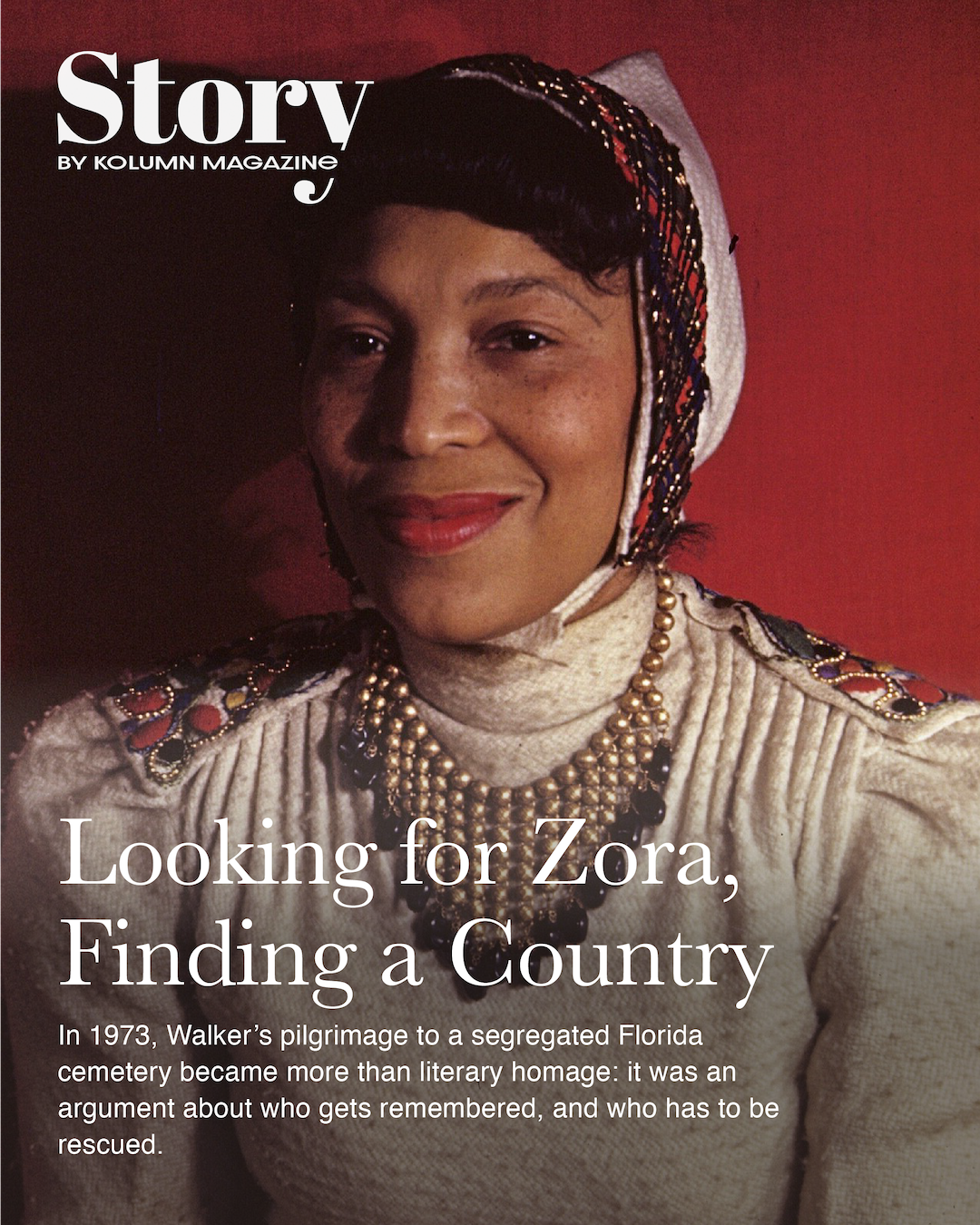
Looking for Zora, Finding a Country
In 1973, Walker’s pilgrimage to a segregated Florida cemetery became more than literary homage: it was an argument about who gets remembered, and who has to be rescued.
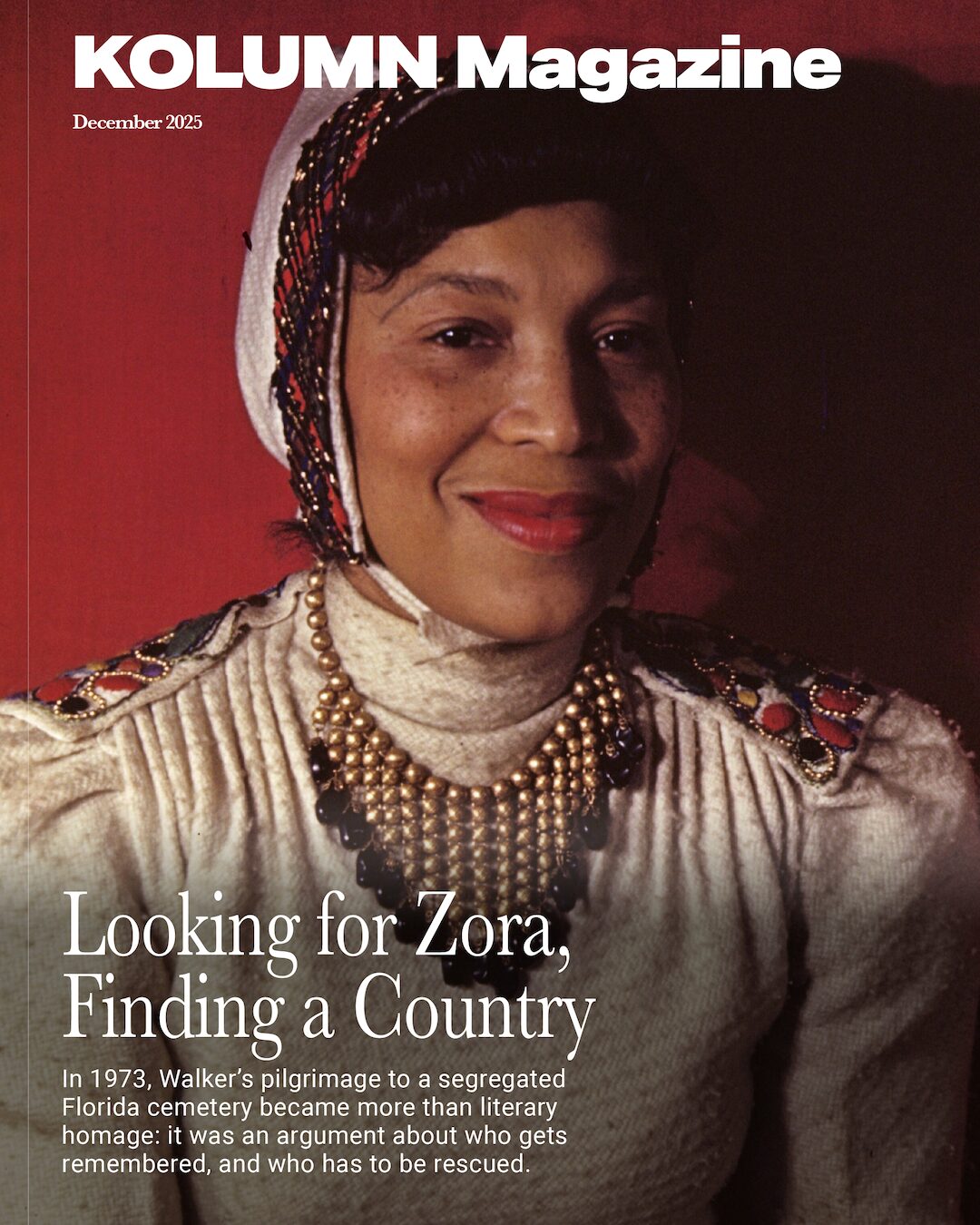
Looking for Zora, Finding a Country
In 1973, Walker’s pilgrimage to a segregated Florida cemetery became more than literary homage: it was an argument about who gets remembered, and who has to be rescued.
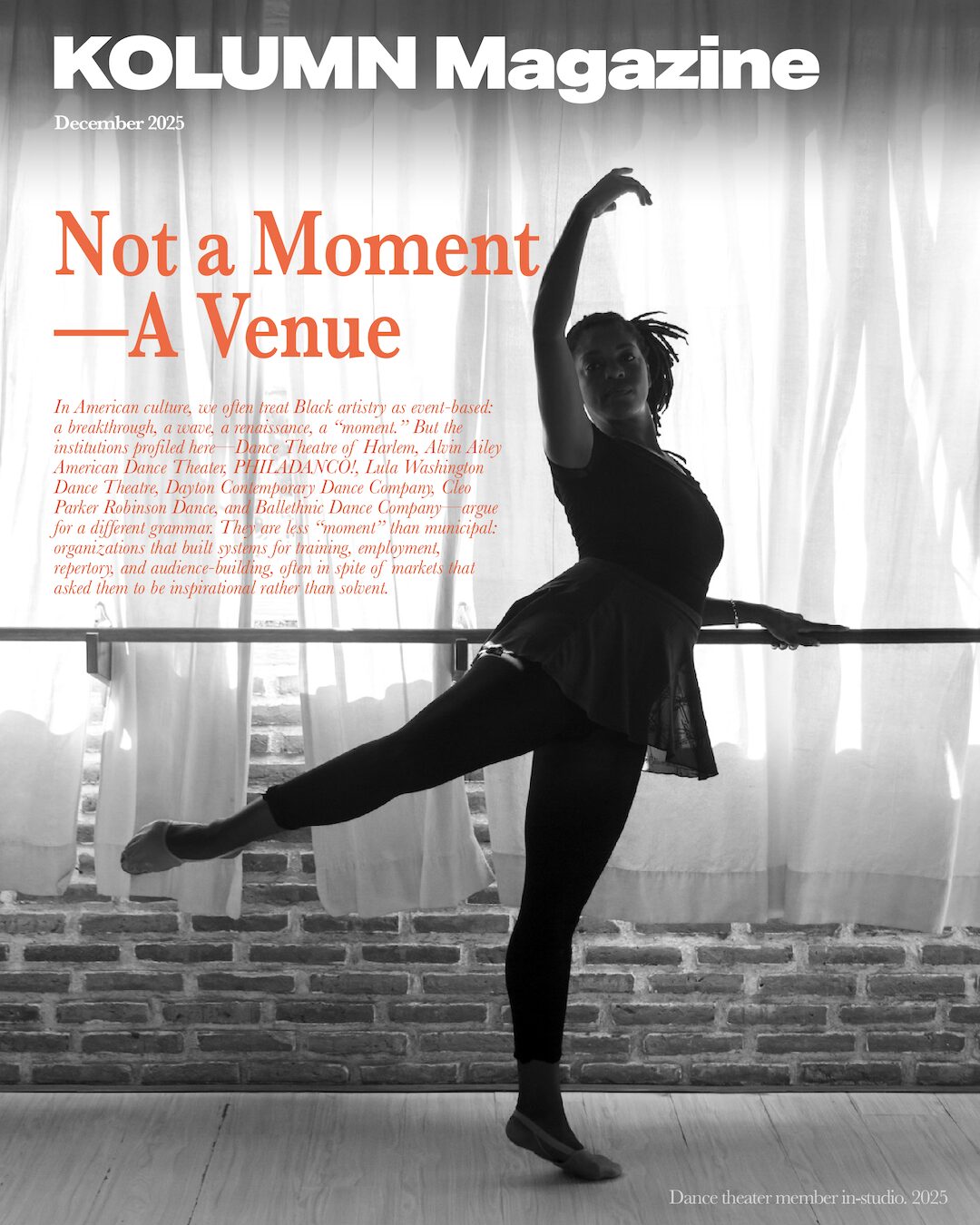
Not a Moment—A Venue
How Black-led dance theaters became civic spaces: archives, classrooms, sanctuaries, and stages for the African diaspora.
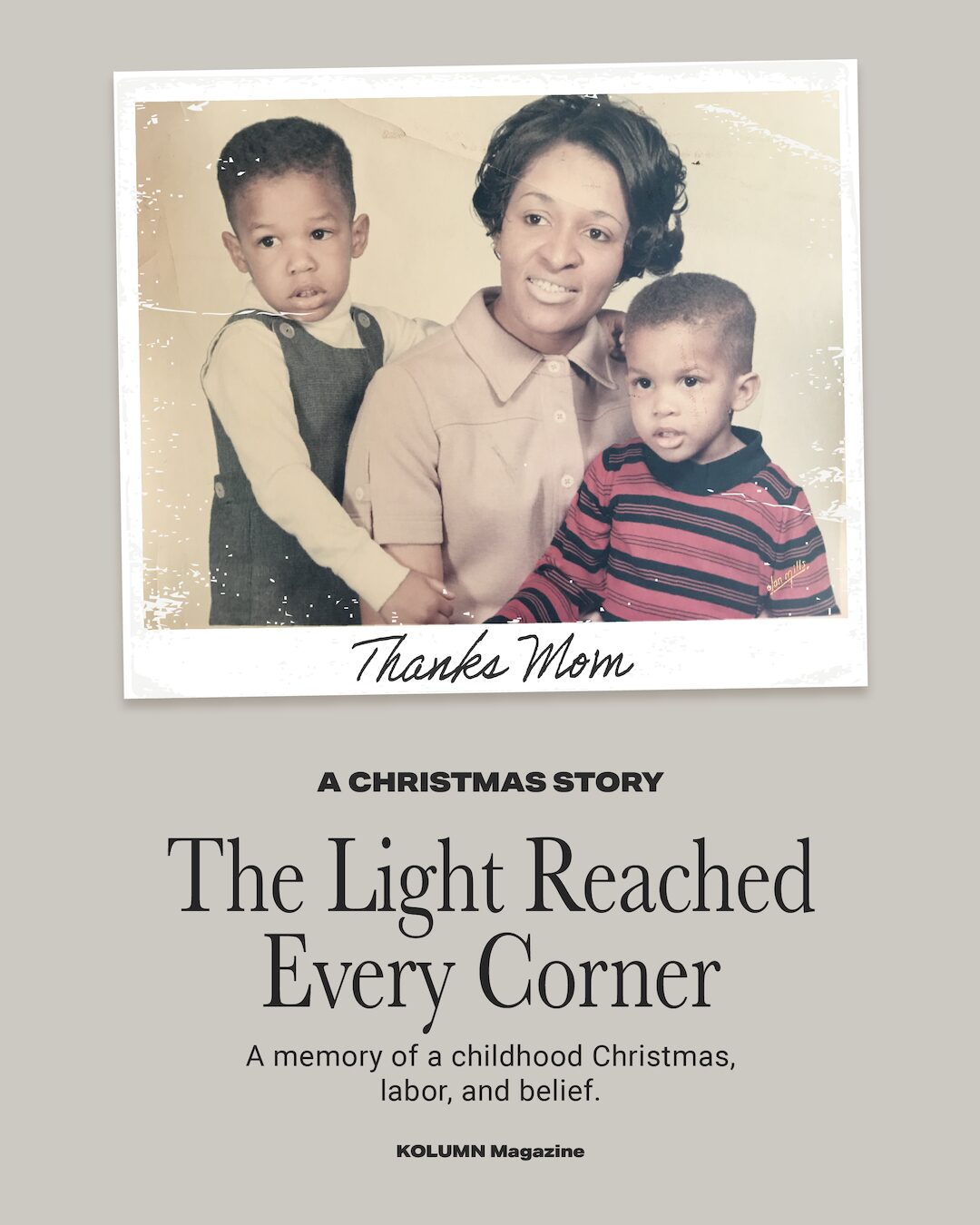
The Light Reached Every Corner
A memory of a childhood Christmas, labor, and belief.
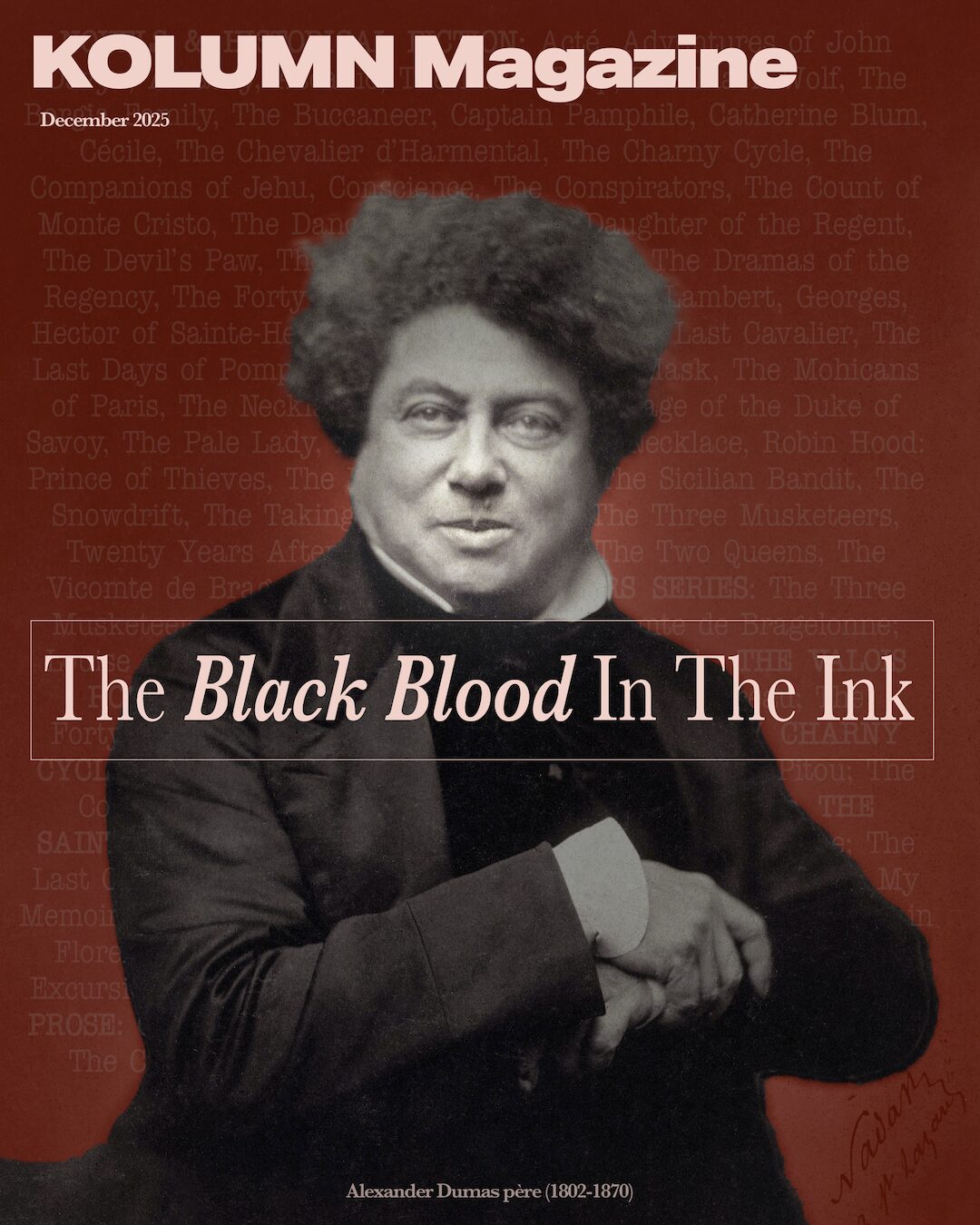
The Black Blood In The Ink
Alexandre Dumas wrote France’s favorite legends. His Haitian inheritance—carried through a father born in Saint-Domingue—shadowed his fame, sharpened his appetite for liberty
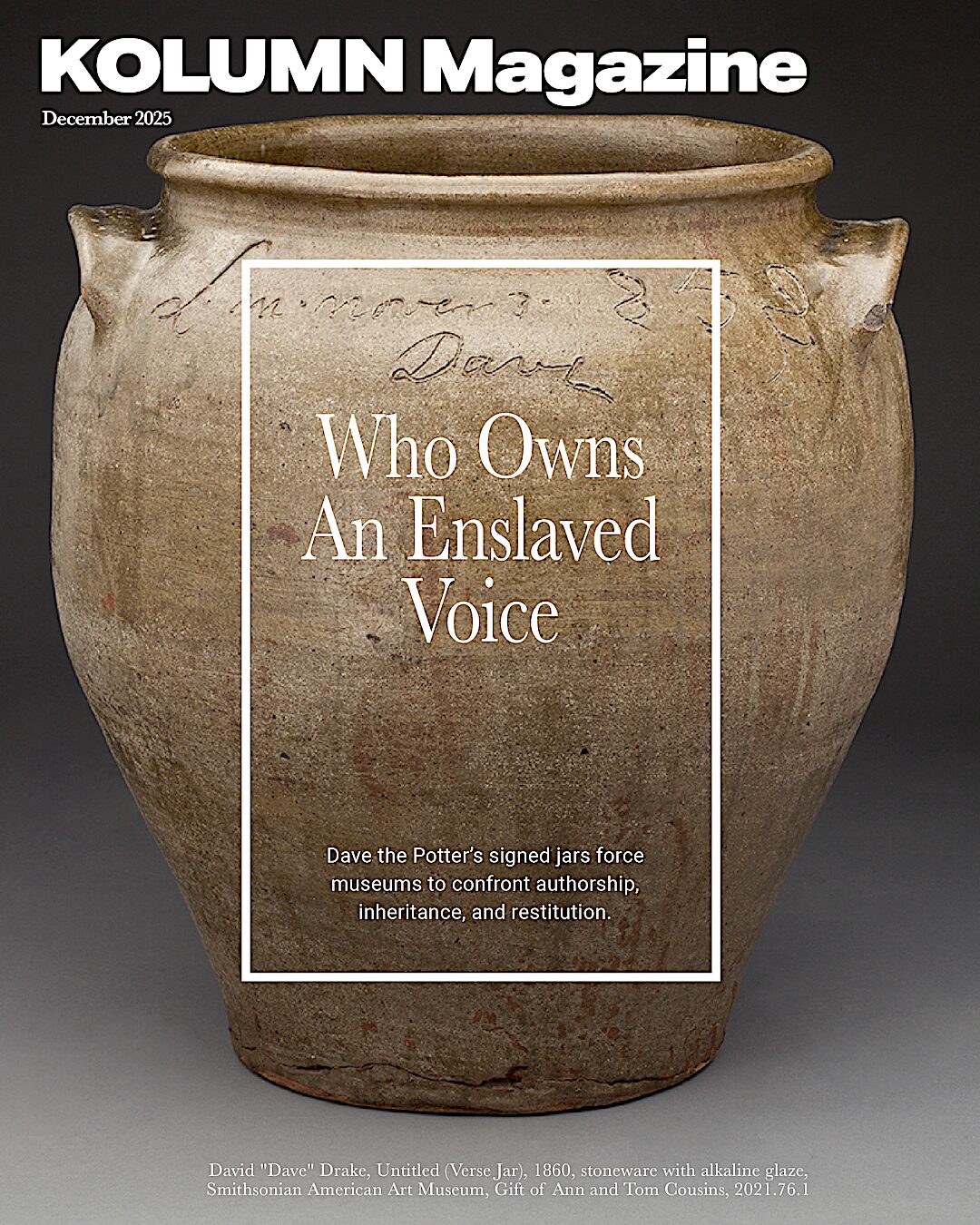
Who Owns An Enslaved Voice
Dave the Potter’s signed jars force museums to confront authorship, inheritance, and restitution.
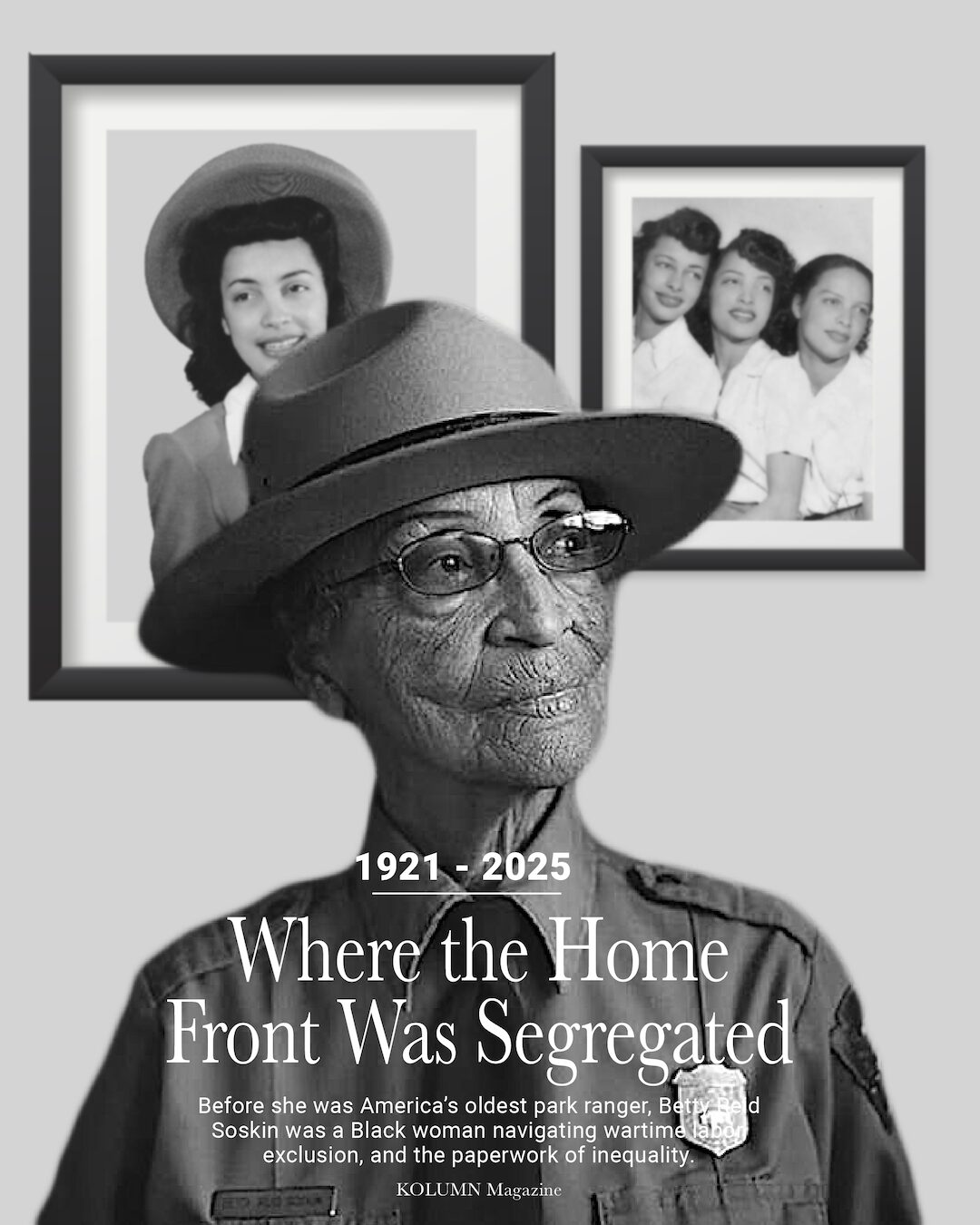
Where the Home Front Was Segregated
Before she was America’s oldest park ranger, Betty Reid Soskin was a Black woman navigating wartime labor, exclusion, and the paperwork of inequality.
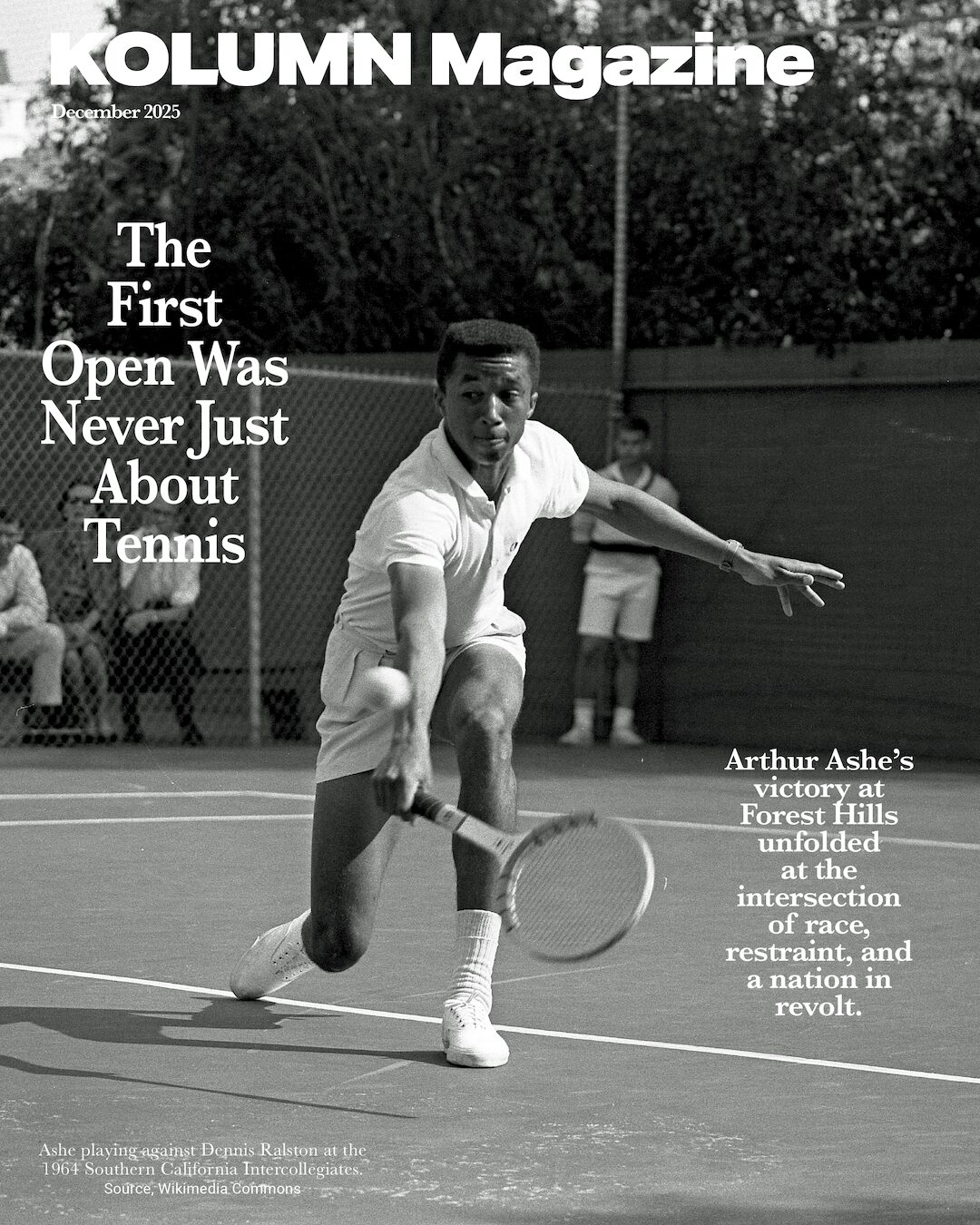
The First Open Was Never Just About Tennis
Arthur Ashe’s victory at Forest Hills unfolded at the intersection of race, restraint, and a nation in revolt.
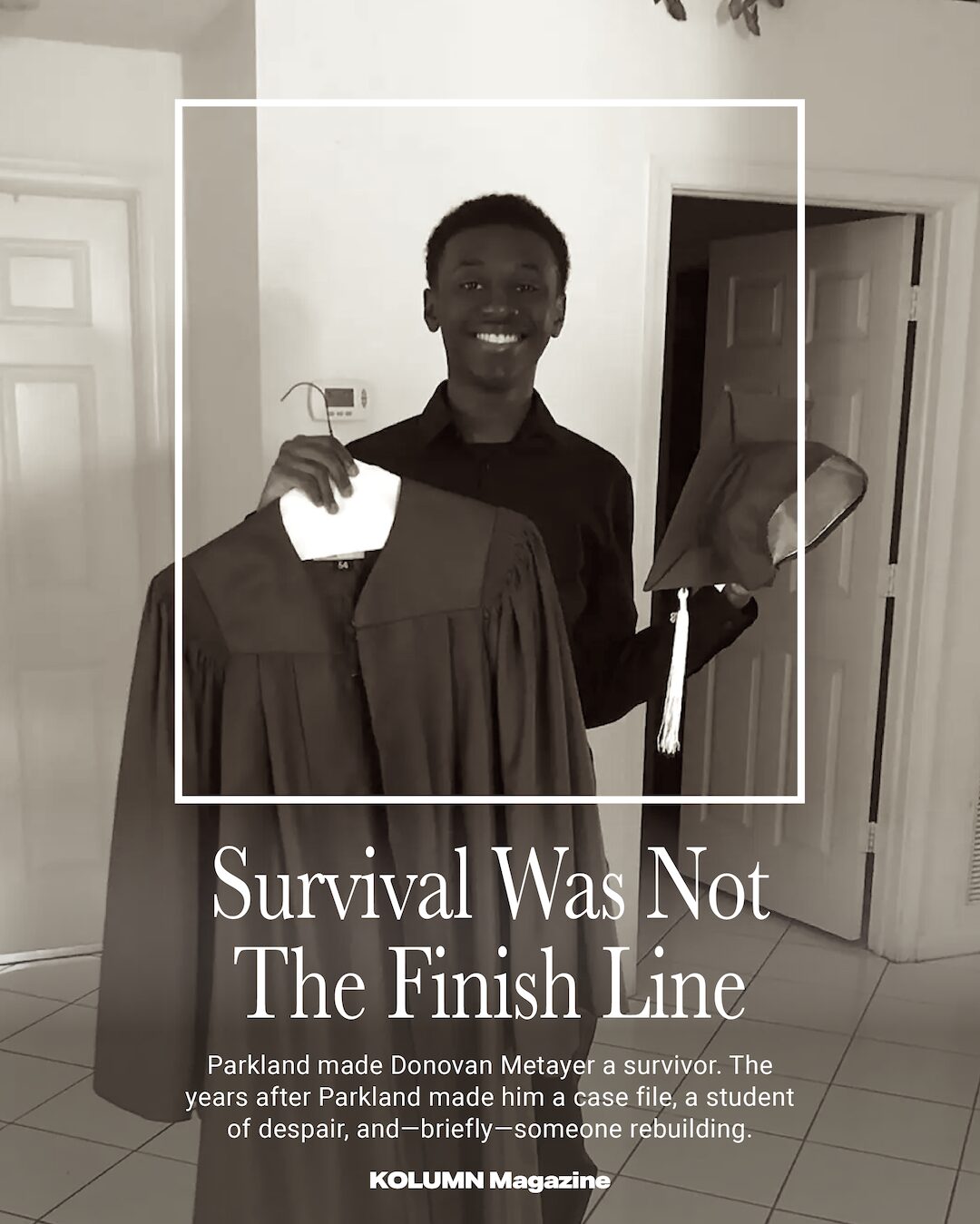
Survival Was Not the Finish Line
Parkland made Donovan Metayer a survivor. The years after Parkland made him a case file, a student of despair, and—briefly—someone rebuilding.