

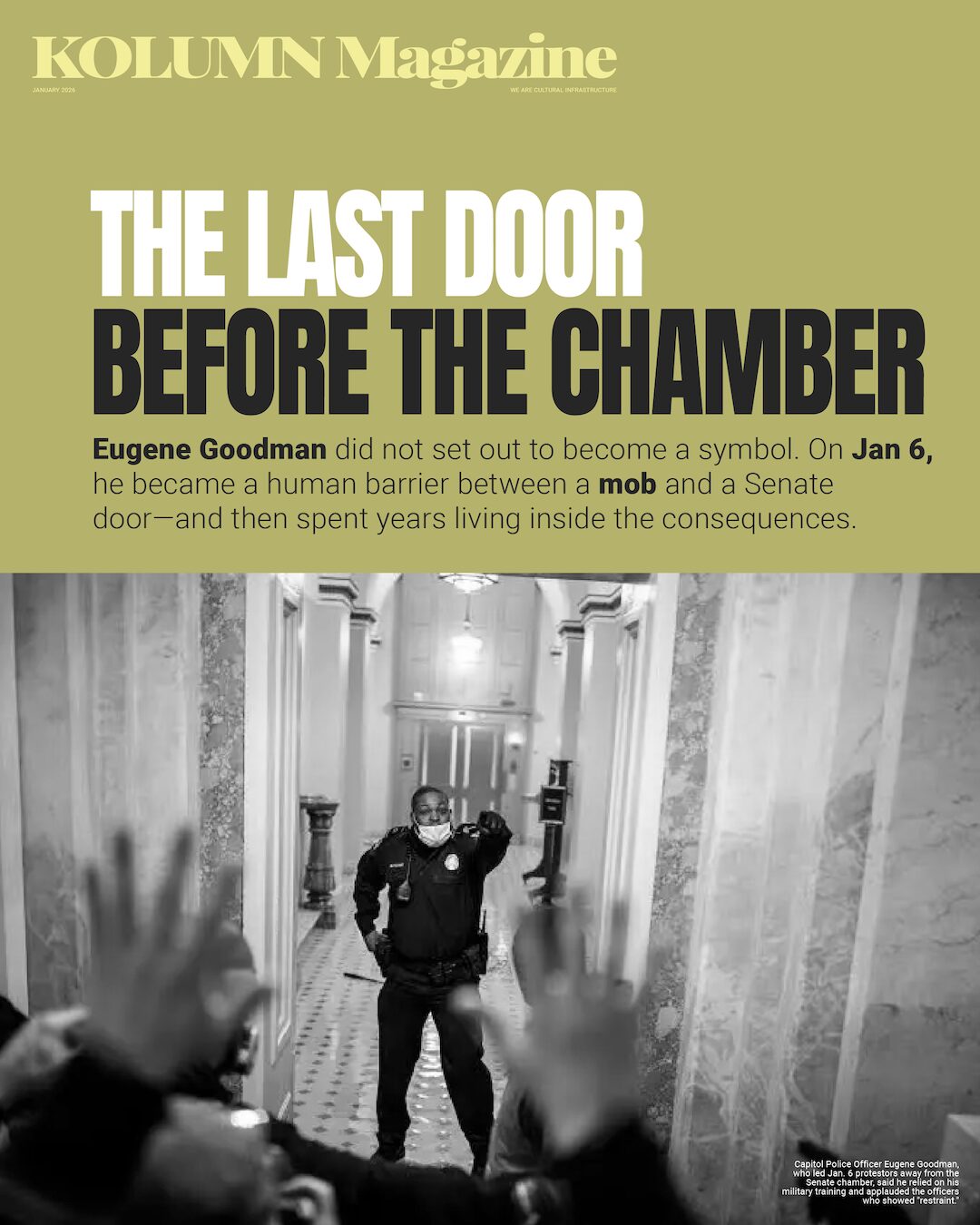
The Last Door Before the Chamber
Eugene Goodman did not set out to become a symbol. On January 6, he became a human barrier between a mob and a Senate door—and then spent years living inside the consequences.
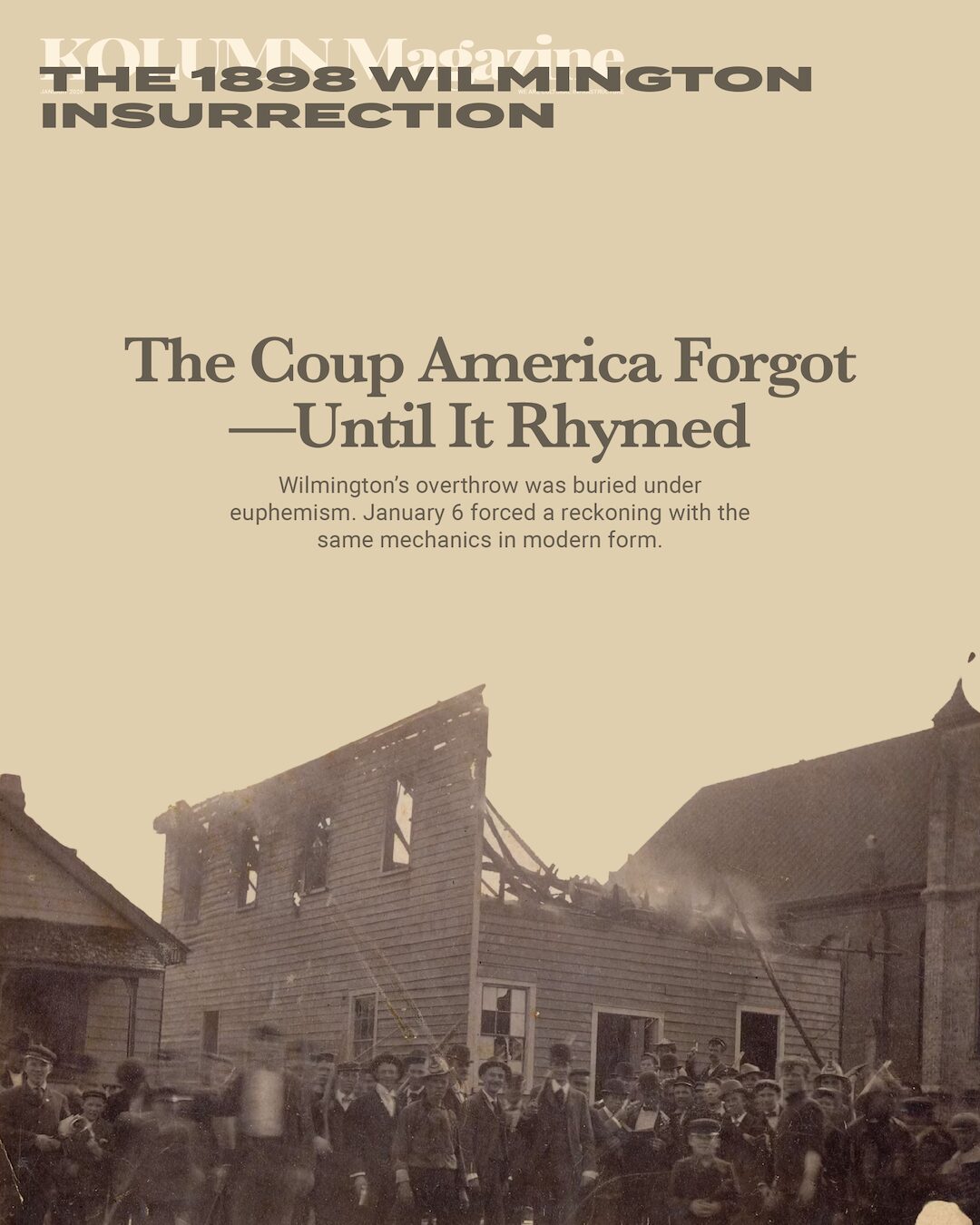
The Coup America Forgot—Until It Rhymed
Wilmington’s overthrow was buried under euphemism. January 6 forced a reckoning with the same mechanics in modern form.
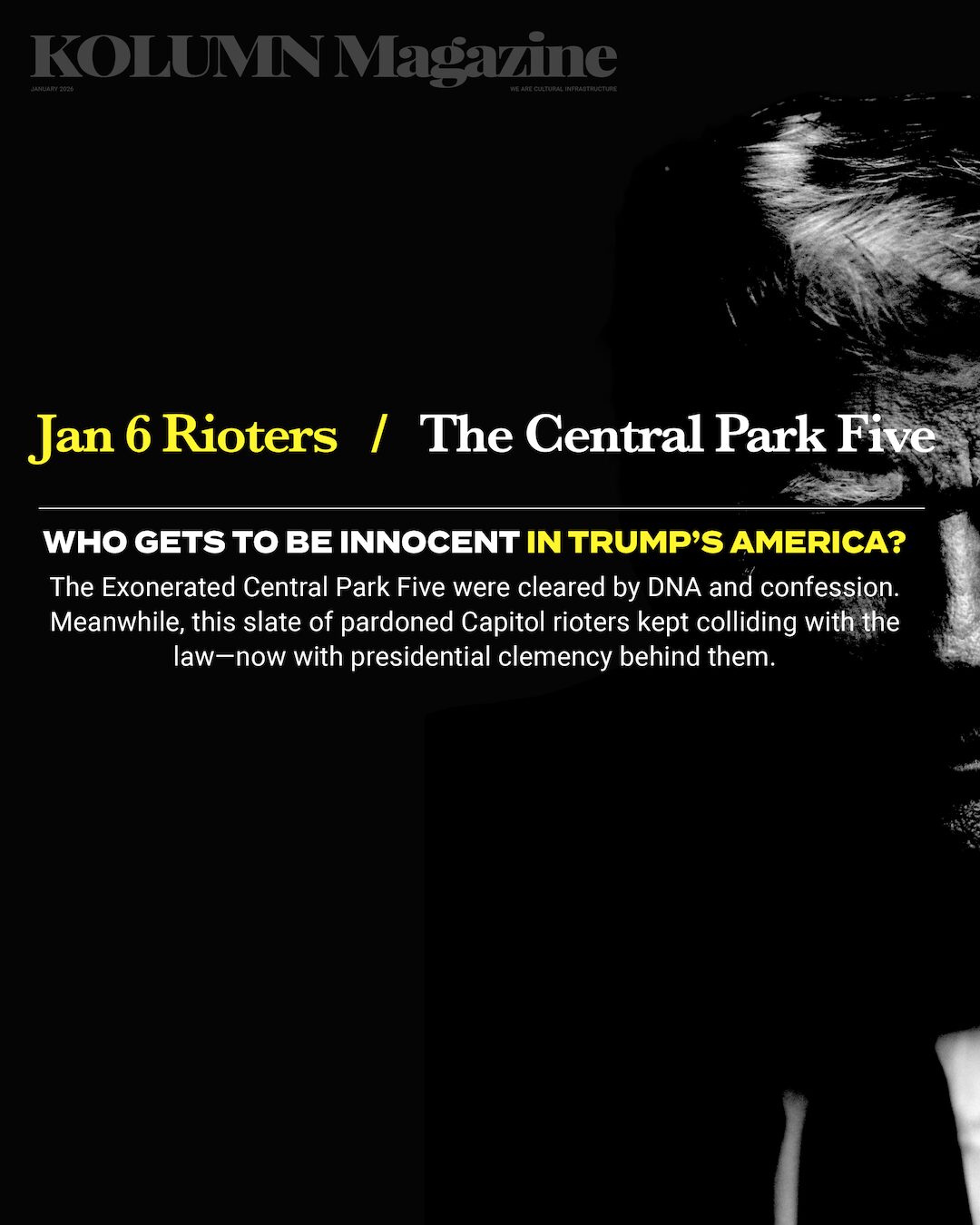
Who Gets to Be Innocent in Trump’s America?
The Exonerated Central Park Five were cleared by DNA and confession. Meanwhile, this slate of pardoned Capitol rioters kept colliding with the law—now with presidential clemency
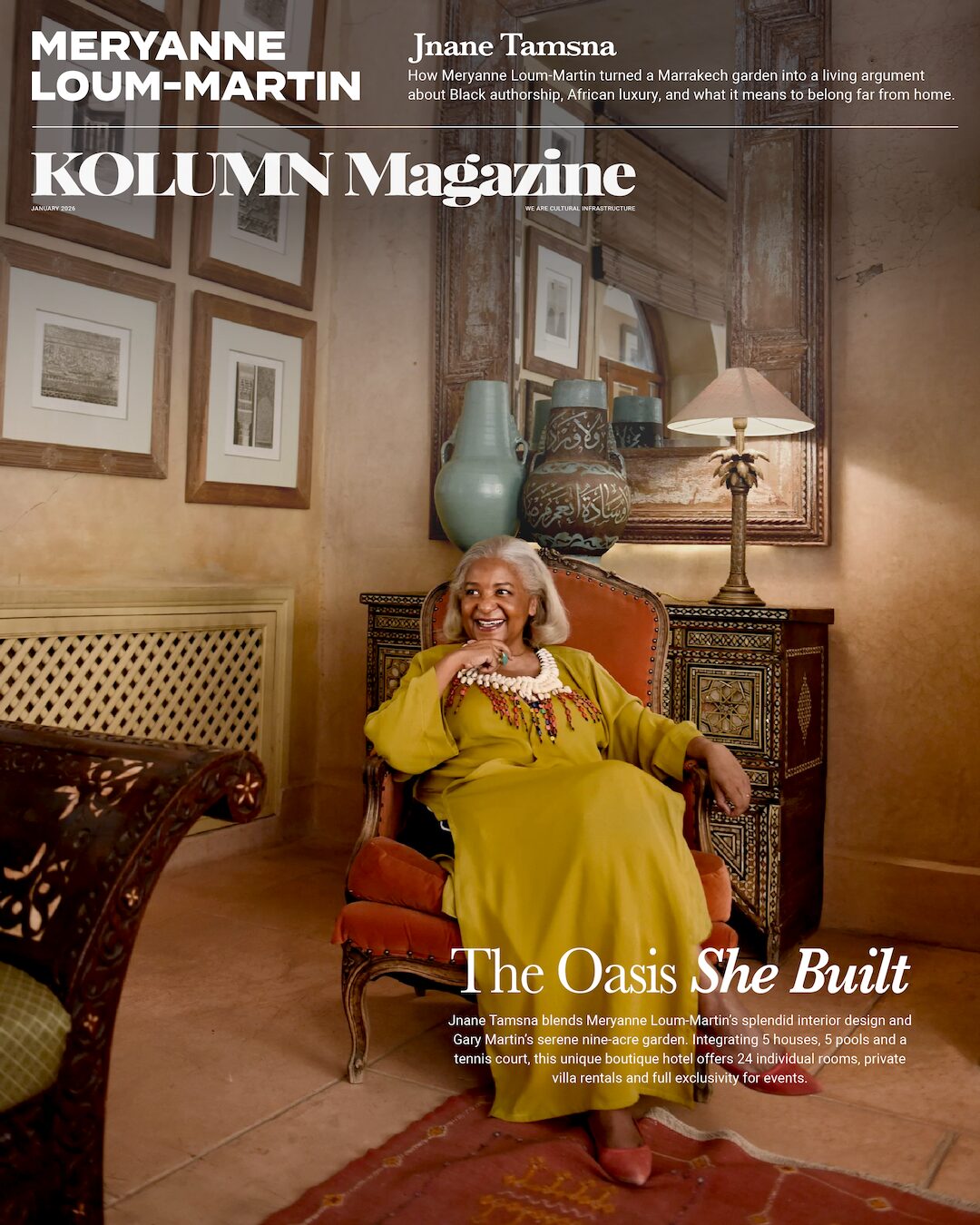
The Oasis She Built
How Meryanne Loum-Martin turned a Marrakech garden into a living argument about Black authorship, African luxury, and what it means to belong far from home.
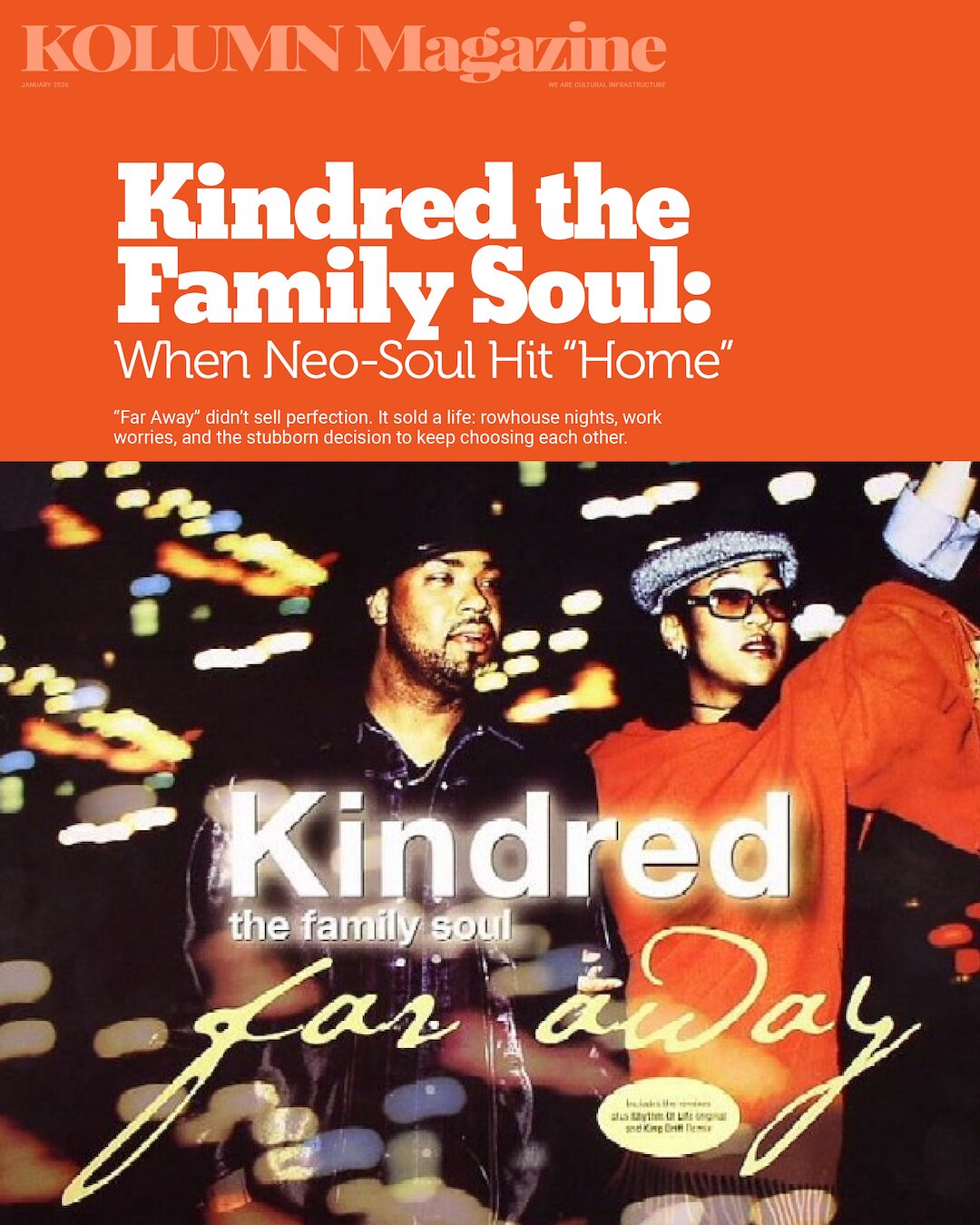
When Neo-Soul Hit “Home”
“Far Away” didn’t sell perfection. It sold a life: rowhouse nights, work worries, and the stubborn decision to keep choosing each other.
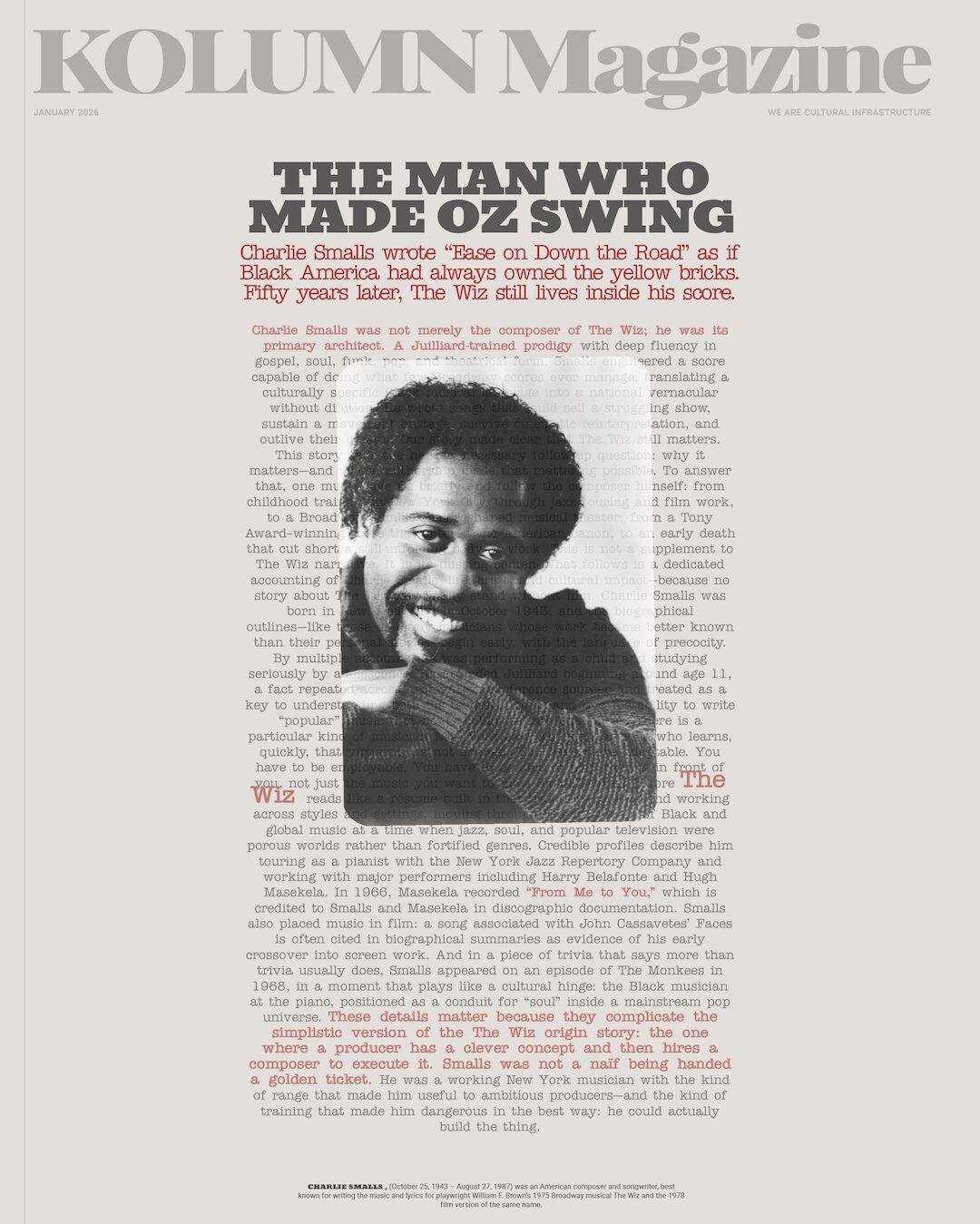
The Man Who Made Oz Swing
Charlie Smalls wrote “Ease on Down the Road” as if Black America had always owned the yellow bricks. Fifty years later, The Wiz still lives inside his score.
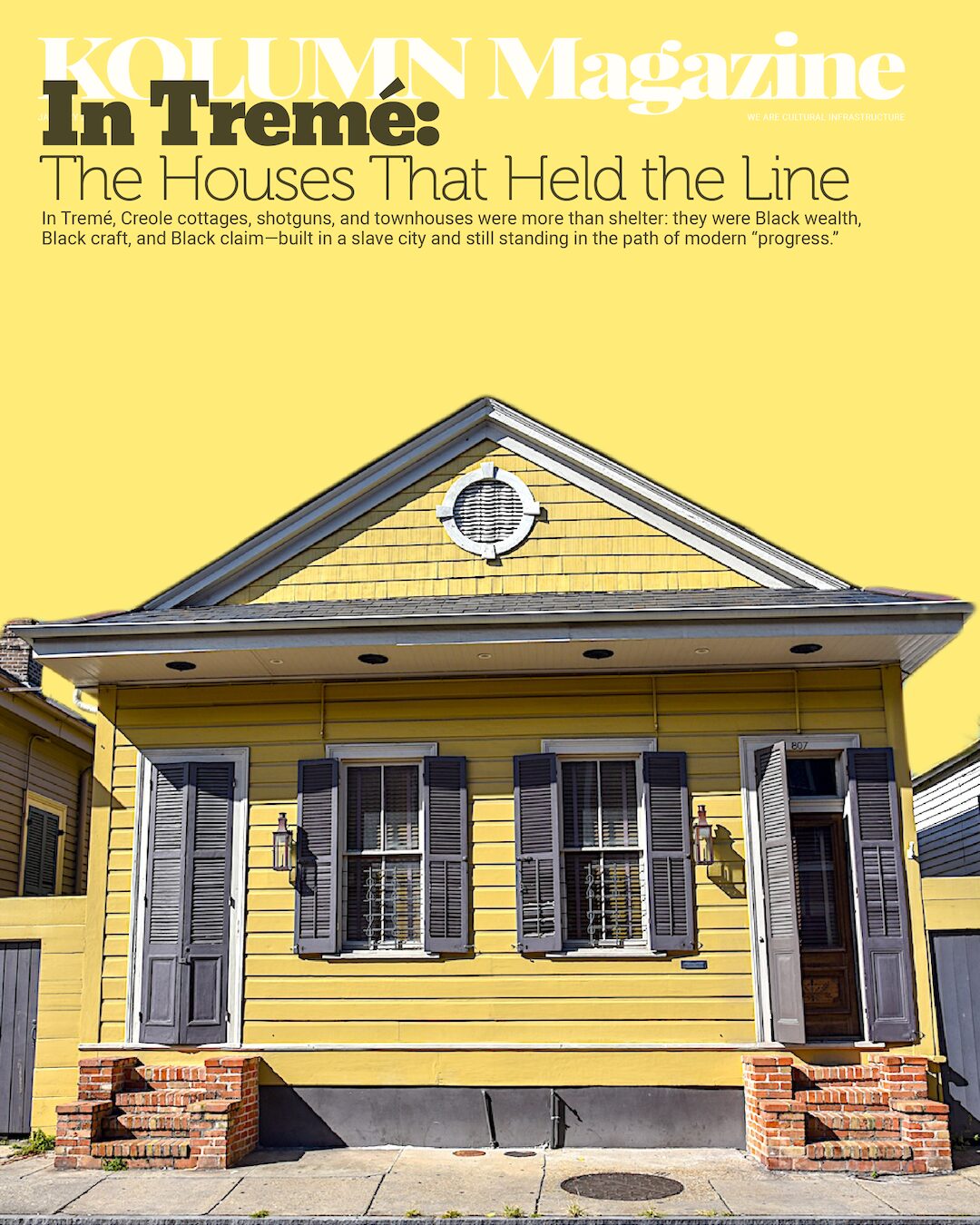
The Houses That Held the Line
In Tremé, Creole cottages, shotguns, and townhouses were more than shelter: they were Black wealth, Black craft, and Black claim—built in a slave city and still standing in the
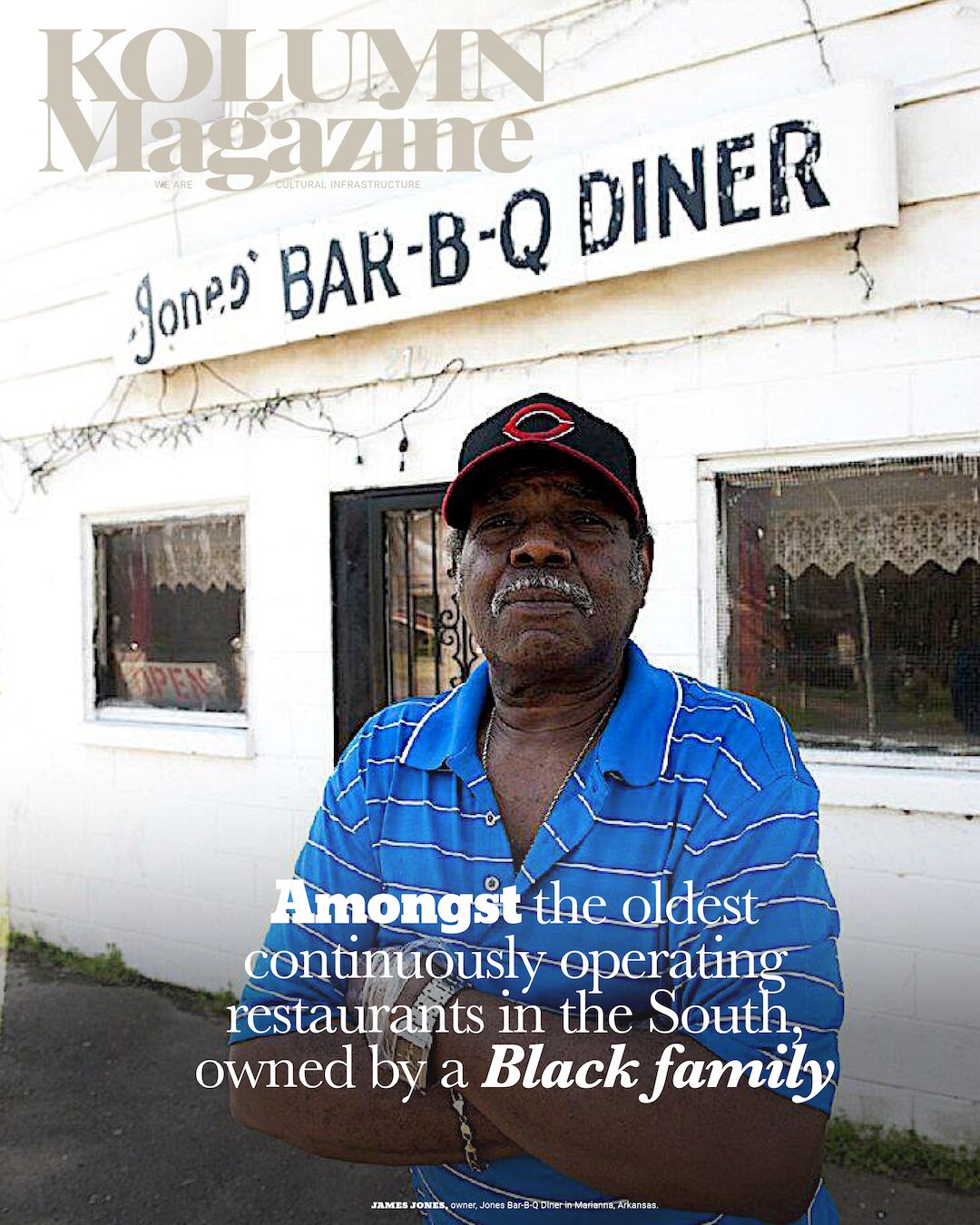
The Oldest Sandwich in the South
Walter Jones started selling barbecue from a porch. His descendants turned it into a living archive of Black work, taste, and endurance.
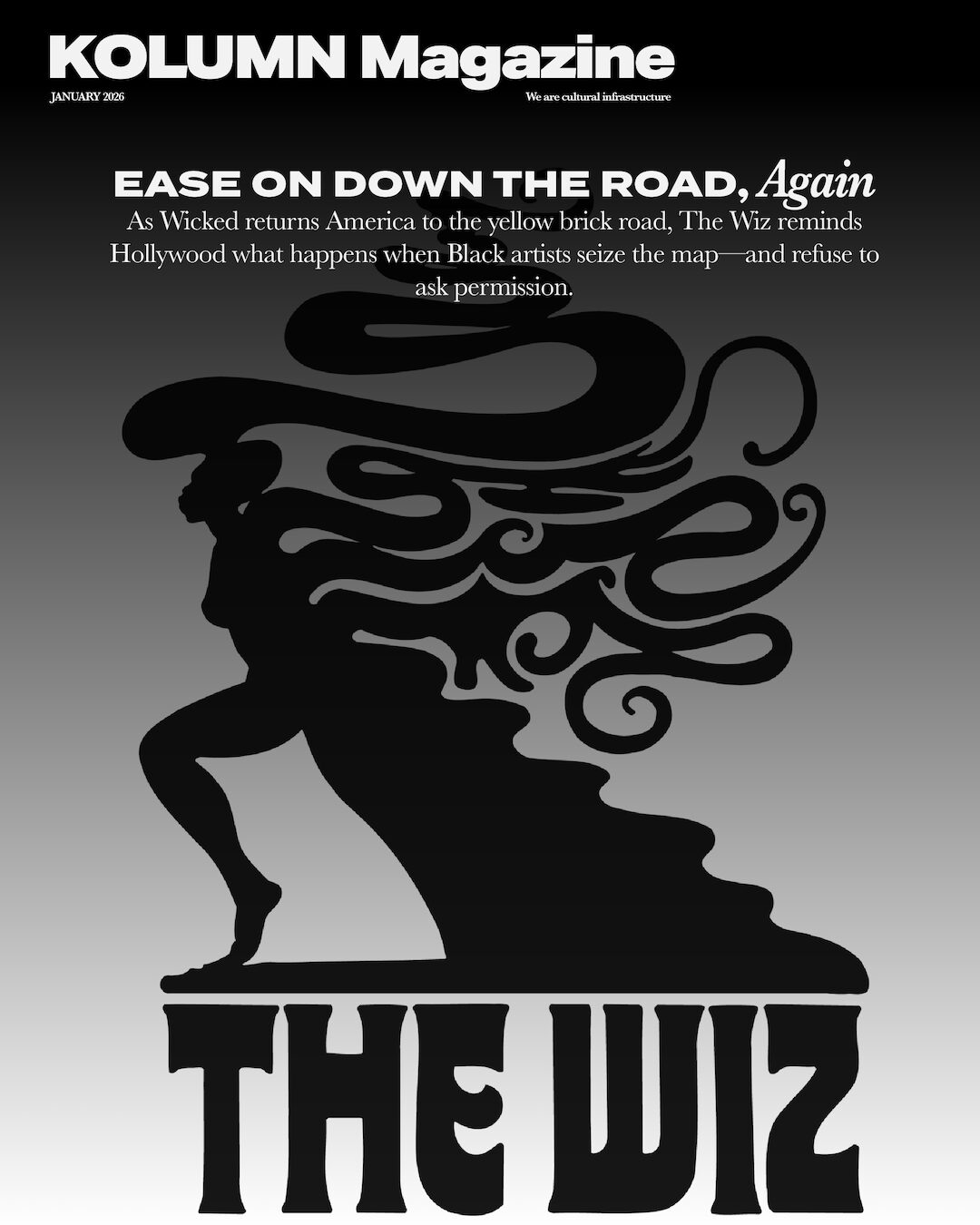
Ease On Down The Road, Again
As Wicked returns America to the yellow brick road, The Wiz reminds Hollywood what happens when Black artists seize the map—and refuse to ask permission.
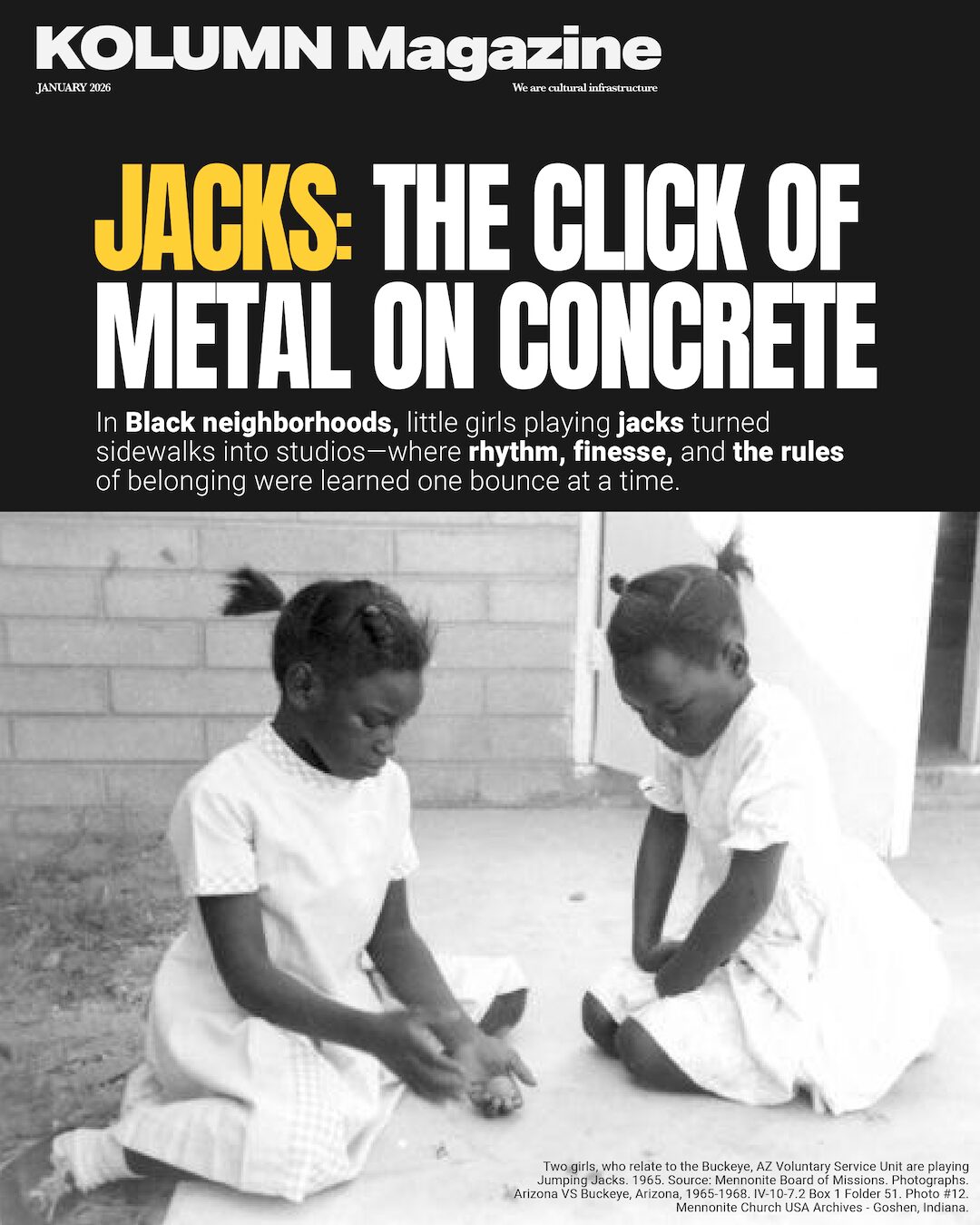
The Click of Metal on Concrete
In Black neighborhoods, little girls playing jacks turned sidewalks into studios—where rhythm, finesse, and the rules of belonging were learned one bounce at a time.