





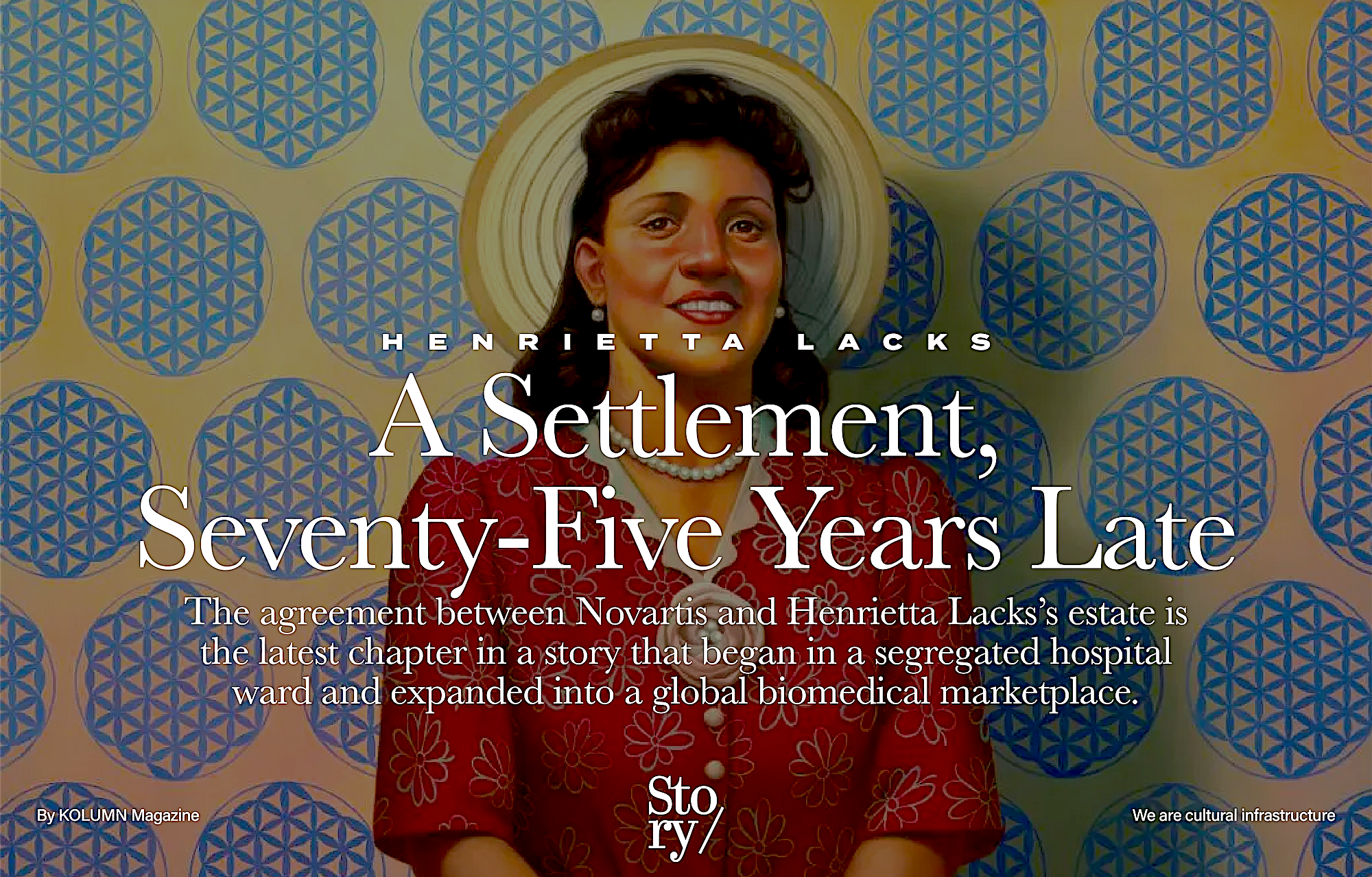
A story that insist that scientific history has to answer to the human being it began with.

A story that insist that scientific history has to answer to the human being it began with.
By KOLUMN Magazine
The story of Henrietta Lacks is one of those American stories that somehow manages to feel both foundational and unfinished. Foundational because modern medicine, as we know it, is hard to imagine without HeLa cells, the immortal cell line derived from her cervical tumor in 1951. Unfinished because the basic injustice at the center of that story never really went away. Her cells traveled the world. They helped unlock major scientific advances. They powered labs, patents, products, and profits. And for decades, her family got almost nothing except shock, confusion, and the burden of learning that a private violation had become public scientific fact.
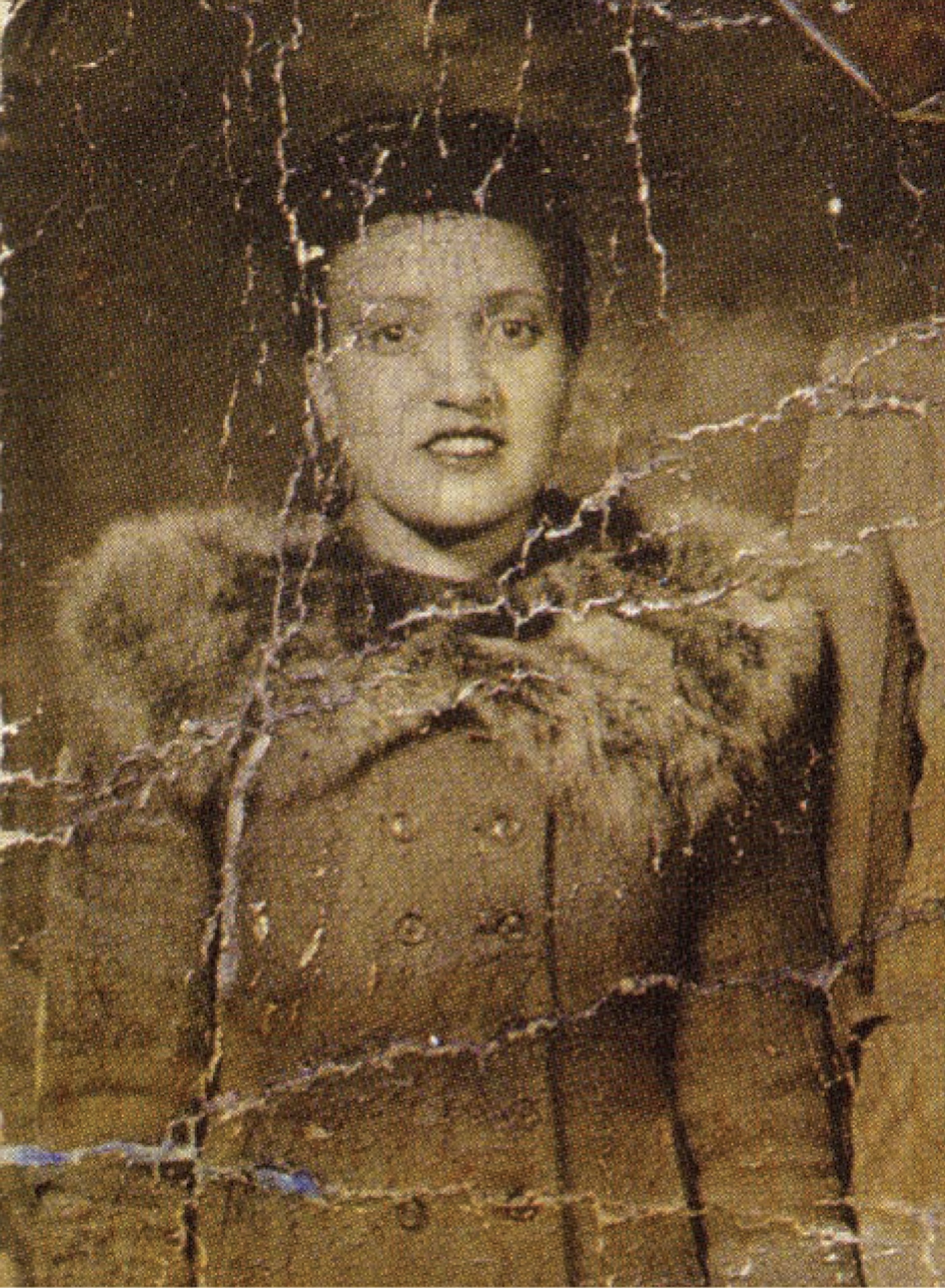
That is what makes the recent settlement between Novartis and the estate of Henrietta Lacks so important, even if the terms are confidential. Last month, February 2026, Novartis settled a federal lawsuit that accused the pharmaceutical giant of unjustly profiting from HeLa cells despite long knowing that those cells were taken from Lacks without her knowledge or consent. The agreement followed a similar confidential settlement reached in 2023 between the Lacks estate and Thermo Fisher Scientific. Other litigation tied to HeLa remains active, including claims involving Ultragenyx and Viatris. So this is not the neat ending of a historic wrong. It is better understood as another pressure point in a much longer campaign to force biomedical companies to reckon with what they inherited, what they monetized, and what they owe.
To understand why the Novartis settlement matters, you have to go back to Baltimore in 1951. Henrietta Lacks was a 31-year-old Black woman and mother of five who sought treatment for cervical cancer at Johns Hopkins Hospital. At the time, Black patients were treated in segregated wards. Johns Hopkins says it provided Black and white patients the same quality of care, but it also acknowledges that hospital segregation remained in place during Lacks’s treatment and for years afterward. During her care, tissue samples were taken from her tumor. Those samples were obtained without her knowledge or consent. That fact sits at the center of everything that came later.
The cells from Lacks’s tumor turned out to be scientifically extraordinary. George Gey, the Johns Hopkins researcher who had been collecting cervical cancer cells from multiple patients, found that Lacks’s cells did something other human cells had not done in the same way before: they kept growing. Where other samples died, these cells doubled roughly every 20 to 24 hours and could be continuously cultured in the lab. They came to be known as HeLa, from the first two letters of her first and last names. Johns Hopkins says it never sold or profited from the original discovery or distribution of HeLa cells and that the cells were shared freely for research. But the fact that Hopkins did not commercially exploit the line itself did not prevent an enormous global research and commercial ecosystem from growing around it.
That ecosystem became one of the most productive in the history of biomedicine. NIH says research involving HeLa cells has been described in more than 110,000 scientific publications. HeLa cells were central to early work that helped lay the groundwork for the polio vaccine. They were used to study viruses, radiation, toxins, hormones, genetics, cancer biology, and the basic mechanics of cell behavior. Johns Hopkins and NIH both note that HeLa cells also played important roles in later research, including work tied to COVID-19 vaccines. In plain language, HeLa was not just another useful laboratory tool. It became one of the key platforms on which modern biomedical research scaled itself.
And that is exactly why the ethical problem never stayed small. Henrietta Lacks did not sign away her tissue. She was not asked. Her family was not informed for years. As HeLa cells became famous in scientific circles, the people most closely tied to Henrietta Lacks often struggled even to understand what had happened. Over time, the story became a shorthand for some of the ugliest patterns in American medicine: the extraction of value from Black bodies, the casual disregard for consent, and the assumption that scientific good could wash away personal harm. Word In Black has framed the issue in moral terms that are hard to dispute, arguing that it is not society’s right to decide that the benefits of HeLa made the original violation acceptable. The Root, writing after the Novartis settlement, treated the agreement as another overdue win in a decades-long push for justice.
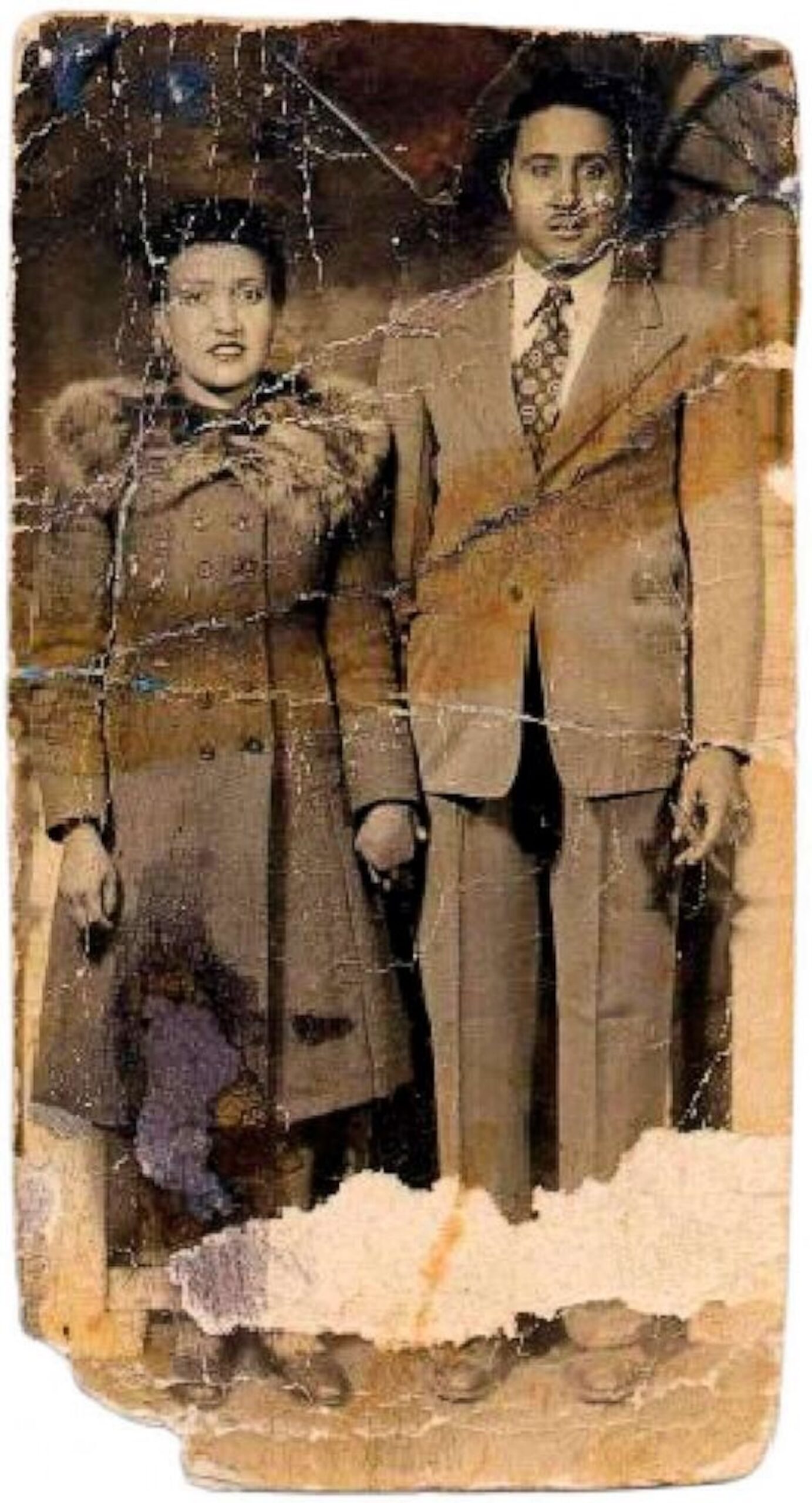
The modern legal fight began to gather real force in 2021, when the Lacks estate sued Thermo Fisher Scientific. The claim was not simply that the history was sad or unethical. It was that companies in the present tense were still profiting from that history. The lawsuit pursued unjust enrichment, essentially arguing that a firm should not be allowed to retain benefits derived from Henrietta Lacks’s stolen cells without compensating her estate. In 2023, that case ended in a confidential settlement. That result mattered not only because it brought money or acknowledgment to the family, but because it showed that these cases were not merely symbolic. A major corporation had decided that settling was preferable to fully litigating the issue.
The next wave of litigation widened the lens. In August 2023, the estate sued Ultragenyx, alleging that the company had profited from HeLa cells in its gene-therapy work. Then, in August 2024, the estate filed suit against Novartis and Viatris in Maryland federal court. According to the complaint, Novartis had amassed substantial profits through its use of the HeLa cell line, owned hundreds of patents developed through HeLa-related work, and used Lacks’s genetic material as a fundamental component in research and development. The complaint also argued that Novartis knew full well the wrongful origins of HeLa and had even acknowledged Henrietta Lacks’s story on its own website. Those allegations mattered because they pushed the case beyond ignorance. The estate’s position was that this was not about accidental inheritance. It was about informed, ongoing commercial use.
Reuters reported that the 2024 complaint linked Novartis to drugs including Famvir, Kymriah, and Zolgensma, while Viatris was accused of HeLa-related research tied to Denavir and Mylan-mirtazapine. Whether every allegation would have been fully proven in court is a separate question. But the broad claim was unmistakable: if companies were using HeLa as part of profitable product development generations after the original taking, then the historic wrong was not merely in the past. It was embedded in active revenue streams.
That legal theory received a major boost in 2024, when U.S. District Judge Deborah Boardman allowed the unjust-enrichment case against Ultragenyx to proceed. Her ruling rejected several of the company’s efforts to throw out the suit. Most importantly, the court concluded that the estate had plausibly alleged the basic elements of unjust enrichment under Maryland law: that Henrietta Lacks conferred a benefit, that the defendant knew of that benefit, and that it would be inequitable for the defendant to retain it without compensation. The judge also rejected the idea that the connection between today’s profits and the original seizure of Lacks’s cells was too remote as a matter of law. That was a big deal. It suggested that courts may be willing to treat the commercial afterlife of HeLa as legally meaningful, not just historically troubling.
Seen in that context, the 2026 Novartis settlement looks less like a surprise than like a strategic retreat. Reuters noted that Novartis had not substantially participated in the litigation before settling. The company did not stay long enough in court to test the outer limits of the family’s theory. Instead, it exited through a confidential agreement, becoming the second large company in this fight to do so. That does not tell us exactly why Novartis settled. Corporations settle for all kinds of reasons, including cost control, reputational risk, or a desire to avoid uncertain precedent. But it does tell us that the family’s campaign has matured into something serious enough that major firms are choosing not to ride it out to verdict.
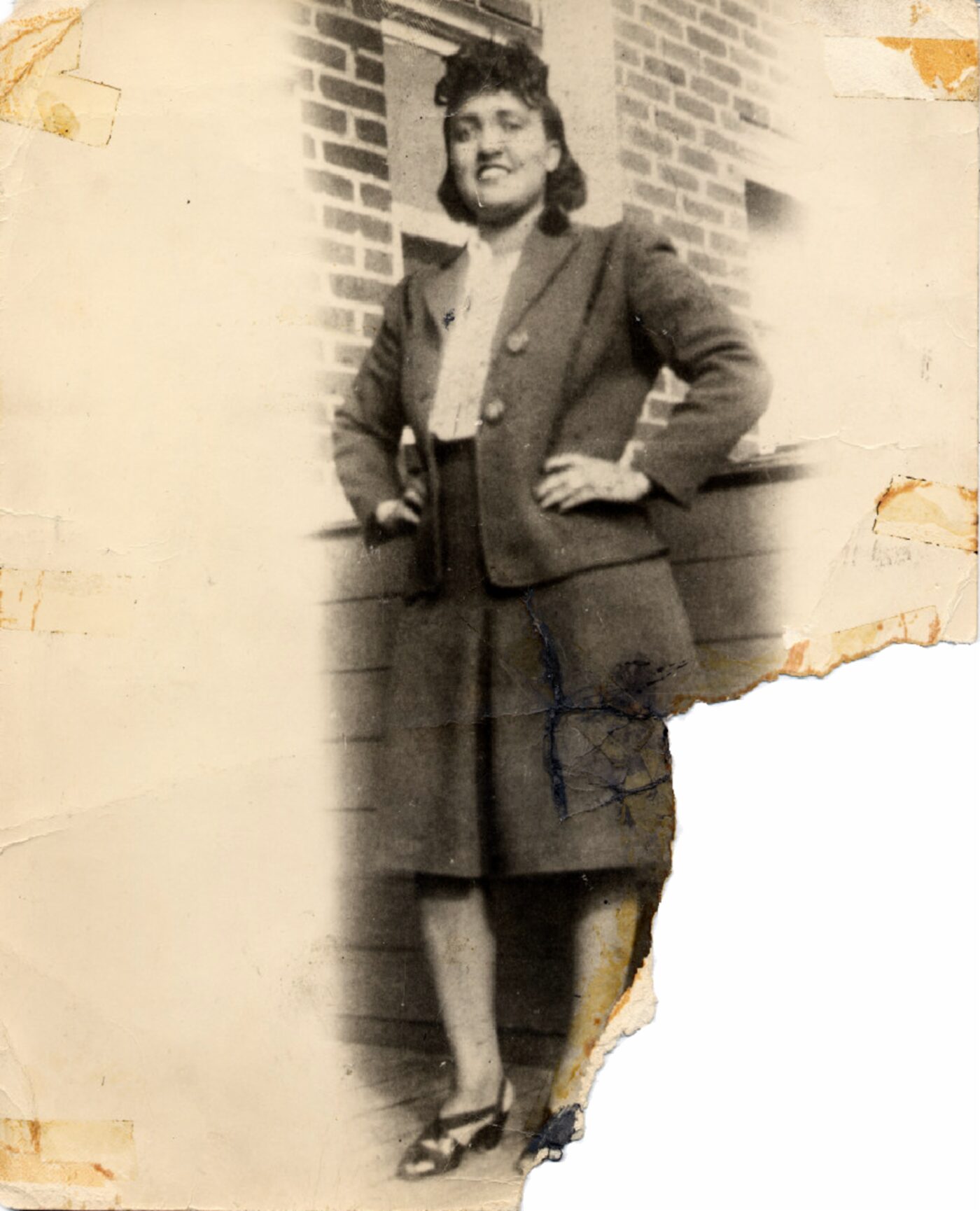
The confidentiality of the deal leaves real questions unanswered. We do not know the amount of money involved. We do not know whether the agreement included nonfinancial terms, admissions, or future-use restrictions. We do know that the settlement was finalized in federal court in Maryland and that it marked the second time the estate had reached a confidential resolution with a company accused of profiting from HeLa. For some observers, the secrecy will feel frustrating. There is a public-interest argument for maximum transparency in a case that touches race, medicine, profit, and consent. But confidential settlements are also a familiar feature of corporate litigation, especially when both sides want closure without extended discovery or trial.
Still, the meaning of the settlement goes beyond its undisclosed dollar figure. The Lacks family has spent years insisting on a point that sounds obvious but proved remarkably difficult for major institutions to absorb: Henrietta Lacks was not raw material. She was a person. The family’s argument has never been only about compensation, though compensation matters. It has also been about narrative power, historical correction, and the refusal to let biomedical triumph flatten the woman whose body made part of that triumph possible. In that sense, every settlement functions as a formal acknowledgment that the old arrangement, in which the industry benefited and the family simply endured, cannot be defended forever.
The Novartis case also lands in a broader legal and ethical landscape shaped in part by Henrietta Lacks’s story. In 2013, after controversy over publication of the HeLa genome, NIH entered into the NIH-Lacks Family Agreement with members of the Lacks family. Under that arrangement, access to HeLa whole-genome sequence data in NIH-controlled repositories would be managed in a way meant to respect family privacy and preferences. NIH has since reaffirmed that commitment. The agreement was not compensation, and it did not solve the commercial questions now being litigated. But it did mark an institutional shift: after decades in which Lacks’s cells were treated as detached from the family, one of the country’s leading biomedical agencies formally recognized the family as stakeholders in how certain HeLa data would be governed.
Bioethics scholarship has been pretty direct about the larger lesson. Reviews in the medical ethics literature describe the Henrietta Lacks story as a catalyst for policy discussions around informed consent, biospecimen use, privacy, and public trust. Federal rules still do not create a clean, universal property right in every tissue sample removed from a patient. And the law remains messy on the question of ownership once tissue is excised, anonymized, or incorporated into downstream research. But the revised Common Rule and adjacent policy debates show how much pressure has built around specimen governance, especially where identifiability and future use are concerned. Henrietta Lacks did not single-handedly rewrite research law, but her story made it much harder to pretend that tissue ethics were abstract.
That unresolved gap between moral intuition and legal doctrine is one reason the Lacks litigation has attracted so much attention. In many body-material cases, courts have been reluctant to embrace strong property claims. The famous 1990 California case Moore v. Regents of the University of California, for example, rejected a conversion claim over excised cells while allowing claims tied to lack of informed consent and physician disclosure duties. That case has long hovered over debates about who owns tissue once it leaves the body. What the Lacks estate has done is somewhat different. Rather than trying to relitigate tissue ownership in the abstract, the estate has emphasized unjust enrichment against companies that allegedly profited while knowing the cells’ origin story. It is a narrower theory in some ways and a sharper moral instrument in others.
There is also the plain fact of race, which cannot be scrubbed out of this story without falsifying it. Henrietta Lacks was treated in a segregated ward in Jim Crow America. Her family’s fight unfolds against a long history in which Black Americans have had ample reason to distrust medical institutions, not because of folklore or misunderstanding, but because exploitation, secrecy, and unequal treatment were often very real. The power of the Lacks story is that it is both singular and representative. Singular because HeLa changed science on an almost unmatched scale. Representative because the disregard shown toward Lacks fits a pattern Black patients know well. Any honest account of the Novartis settlement has to say that plainly.
And yet the story resists simple villain-versus-hero storytelling. It is true that HeLa cells made extraordinary scientific progress possible. It is also true that the people who benefited from that progress include millions who will never know Henrietta Lacks’s name. Vaccines, cancer research, virology, genetics, toxicology, and reproductive biology all carry pieces of her legacy. Johns Hopkins, NIH, and other institutions now publicly acknowledge that contribution. The Smithsonian’s National Portrait Gallery and the National Museum of African American History and Culture have helped place Lacks in a national historical frame that long excluded her. The culture, in other words, has been catching up. The law is trying to catch up too.
What the Novartis settlement does not do is settle the underlying philosophical question. Can there ever be true compensation for a scientific empire built from tissue taken without permission from a dying woman in a segregated hospital? Probably not in any complete sense. Money can acknowledge harm. It can redistribute some value. It can make clear that corporations do not get to profit forever from a known wrong without challenge. But it cannot rewind the original act, nor the decades in which the family was left outside the systems built from Henrietta Lacks’s cells. The best way to read the settlement is not as closure, but as movement: a sign that the old immunity surrounding biomedical profit has weakened.
That is why the remaining cases matter. If litigation against Ultragenyx and Viatris continues, courts may have more chances to clarify how far unjust-enrichment law can reach in this context. Future settlements may come. Future judicial limits may also come. But either way, the terrain has changed. The family is no longer just asking the culture for empathy. It is demanding accountability from specific companies, in specific courts, over specific profits. That shift from moral witness to legal leverage is one of the most consequential developments in the long afterlife of HeLa.
In the end, the case between Novartis and the estate of Henrietta Lacks is about far more than one company and one settlement agreement. It is about whether American medicine is willing to admit that progress and plunder can occupy the same story. It is about whether a woman whose cells transformed research can finally be treated not as a footnote to scientific greatness, but as one of the central figures in that history. And it is about whether institutions that inherited the benefits of a wrong are prepared to do more than praise her legacy in museum language while fighting responsibility in court.
Henrietta Lacks has long been described as immortal because her cells would not stop dividing. But the more important immortality may be this: her story keeps forcing medicine, law, and the public to revisit questions they would rather declare settled. Who gets asked. Who gets credited. Who gets paid. Who gets remembered. The Novartis settlement does not answer all of that. But it does something that used to seem impossible. It makes one of the world’s largest pharmaceutical companies part of the record in a family’s decades-long insistence that scientific history, no matter how dazzling, still has to answer to the human being it began with.
More great stories

Afro Sheen, Wall Street, and the Architecture of Black Possibility
July 6, 2026
No Comments
The Fire Inside the Fourth
July 5, 2026
No Comments