


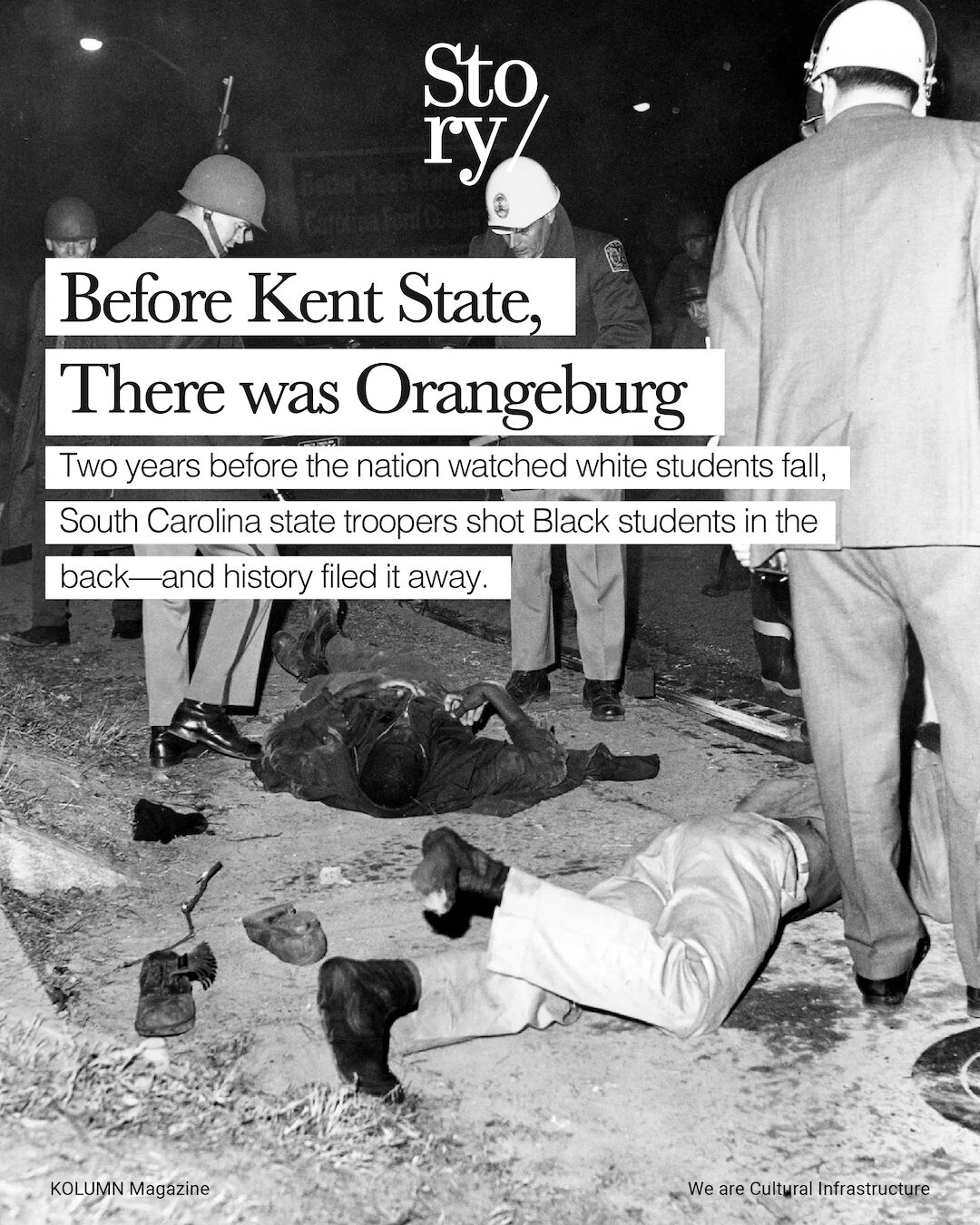
Before Kent State, There Was Orangeburg
Two years before the nation watched white students fall, South Carolina state troopers shot Black students in the back—and history filed it away.
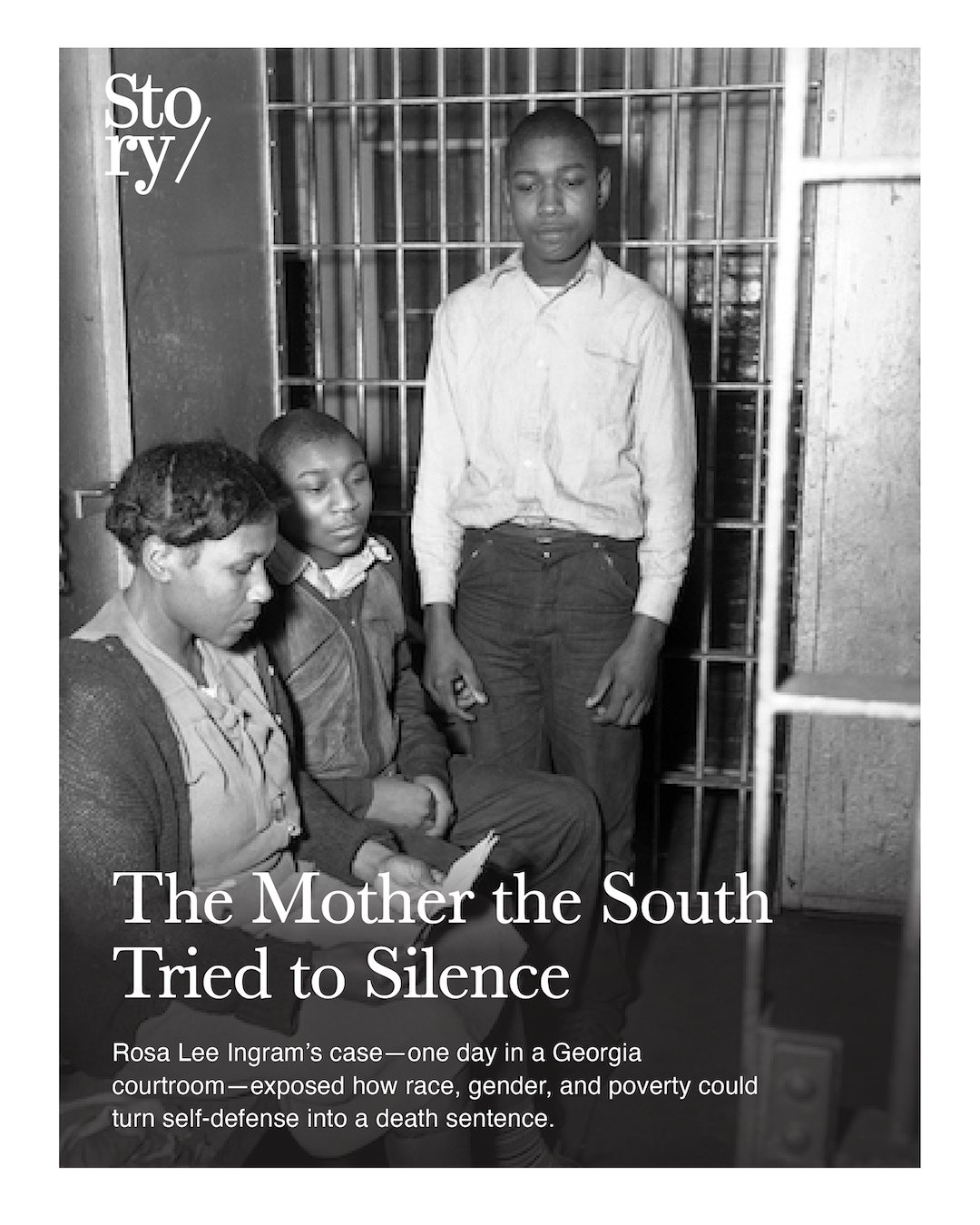
The Mother the South Tried to Silence
Rosa Lee Ingram’s case—one day in a Georgia courtroom—exposed how race, gender, and poverty could turn self-defense into a death sentence.
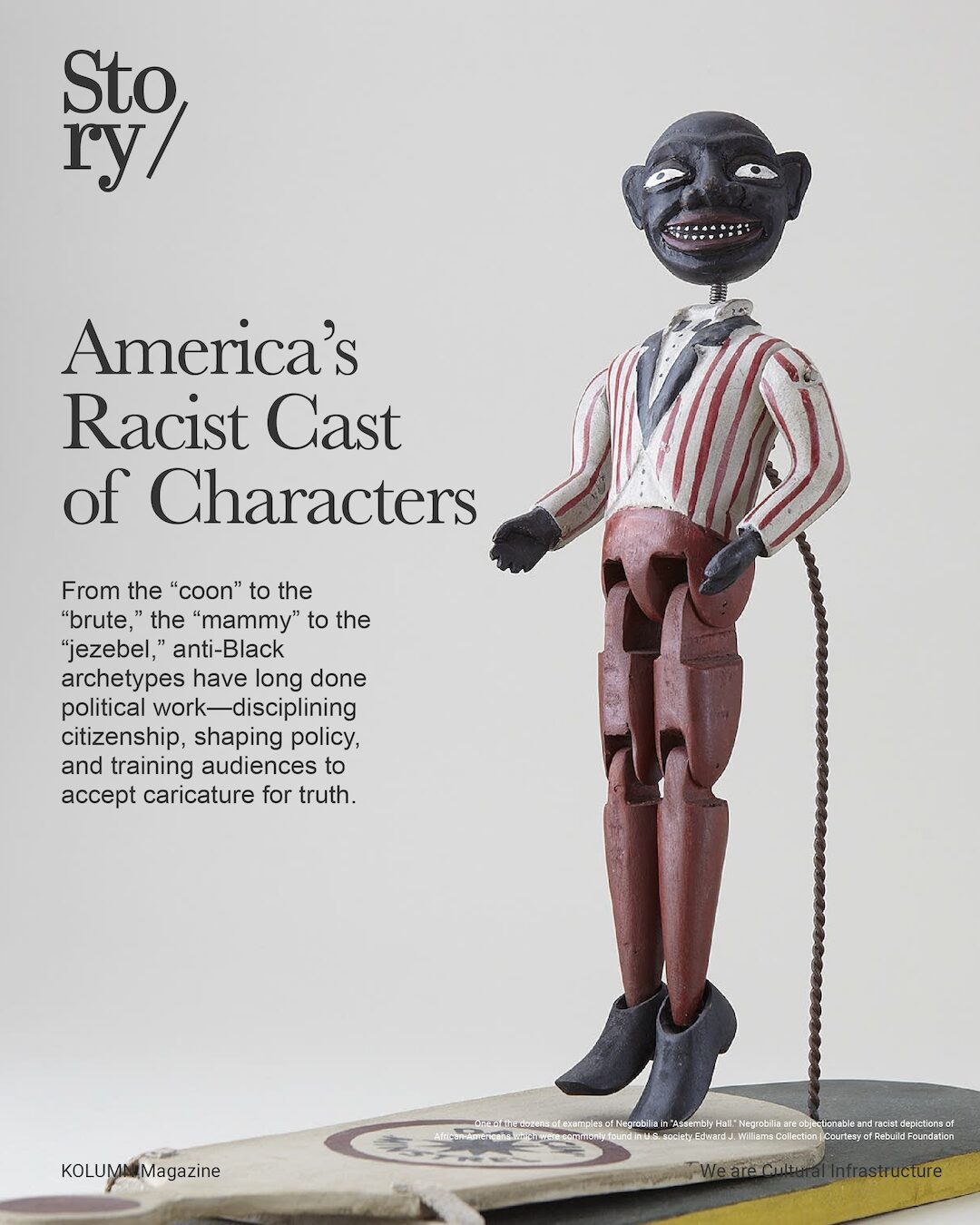
America’s Racist Cast of Characters
From the “coon” to the “brute,” the “mammy” to the “jezebel,” anti-Black archetypes have long done political work—disciplining citizenship, shaping policy, and tr
The Immigration Poverty Test
A century after Congress tried to screen the “unfit” out of America, the Trump administration is reviving an old idea in modern language: that migrants from poorer nations are,
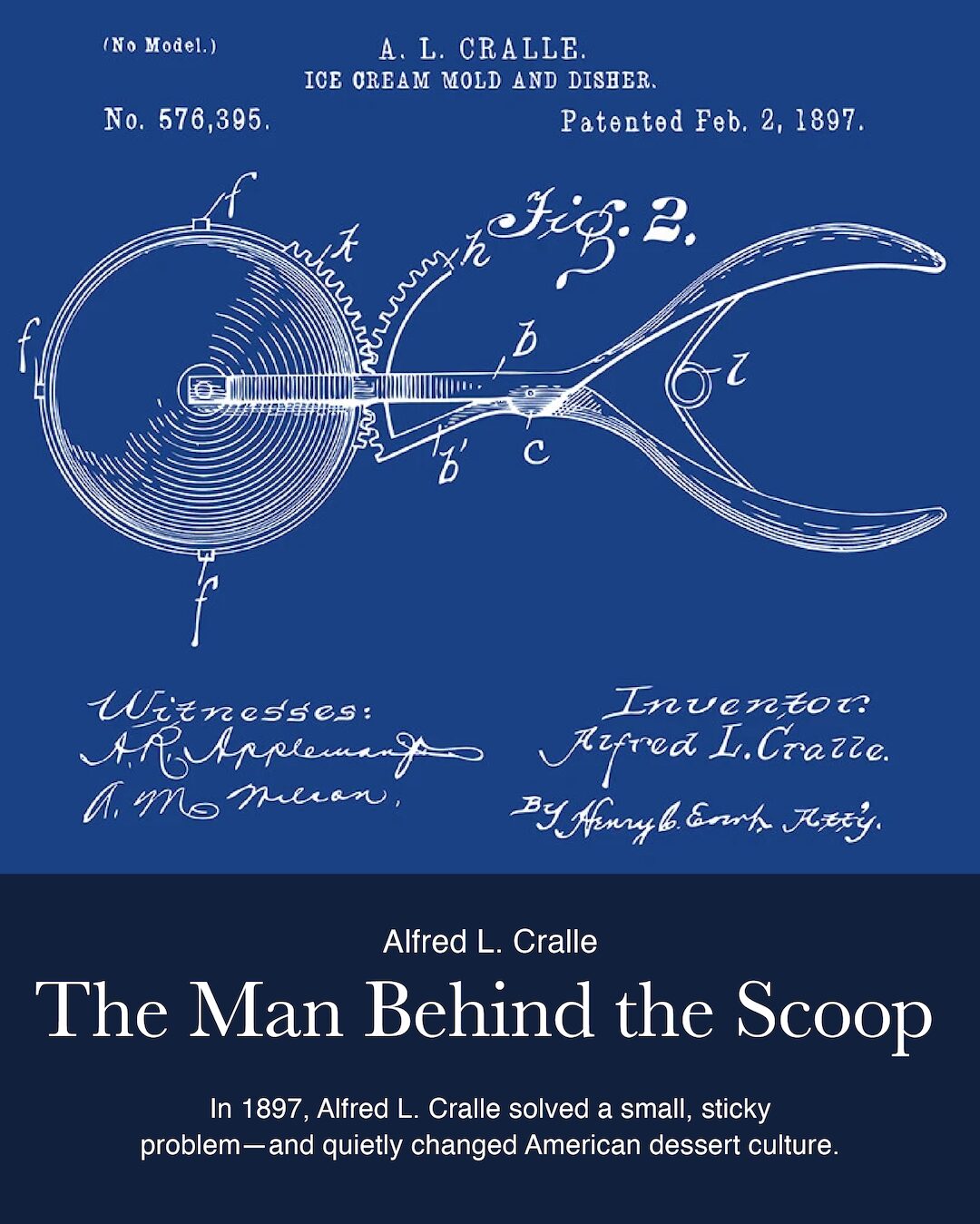
The Man Behind the Scoop
In 1897, Alfred L. Cralle solved a small, sticky problem—and quietly changed American dessert culture.
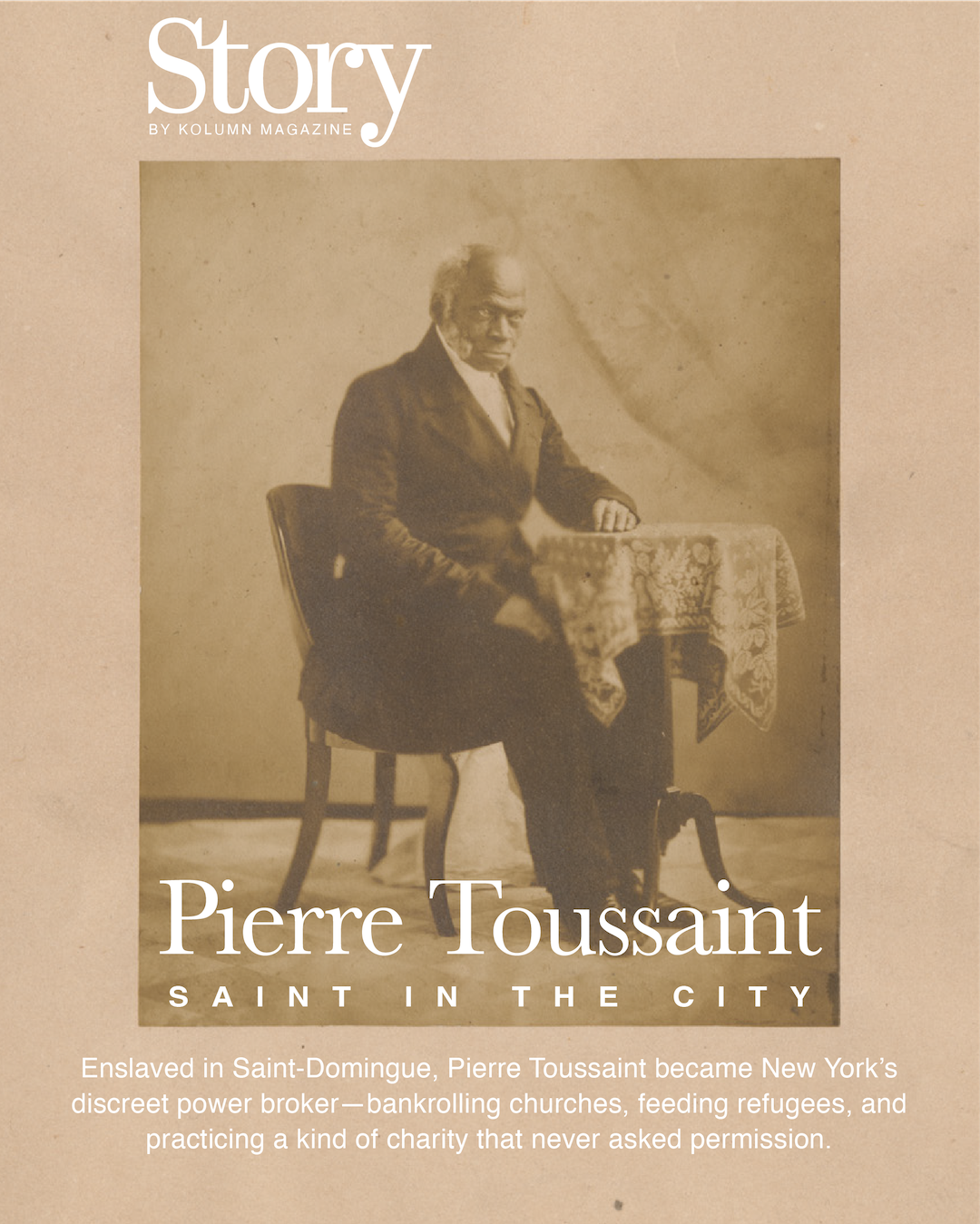
Saint in the City
Enslaved in Saint-Domingue, Pierre Toussaint became New York’s discreet power broker—bankrolling churches, feeding refugees, and practicing a kind of charity that never asked p
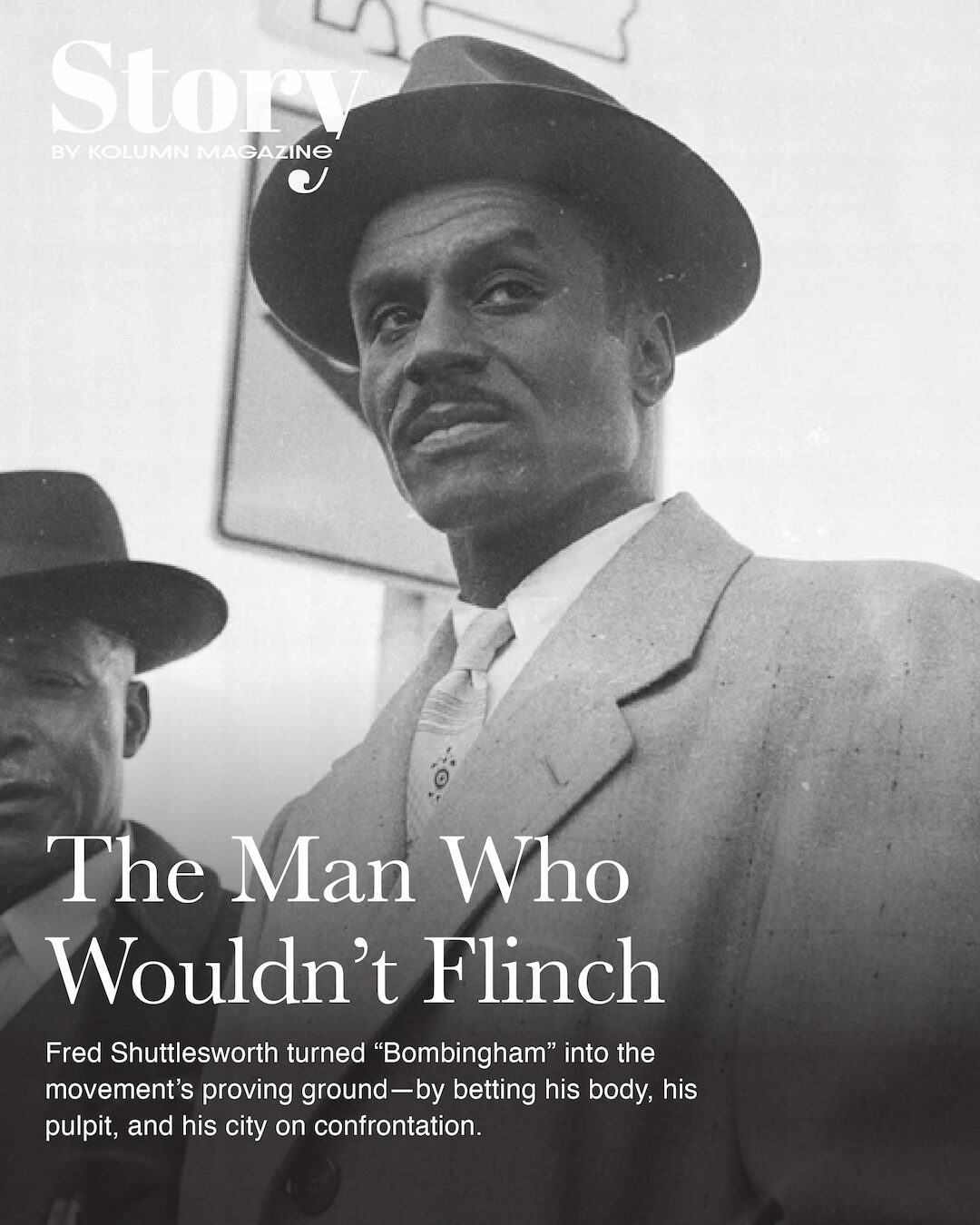
Fred Shuttlesworth: The Man Who Wouldn’t Flinch
Fred Shuttlesworth turned “Bombingham” into the movement’s proving ground—by betting his body, his pulpit, and his city on confrontation.
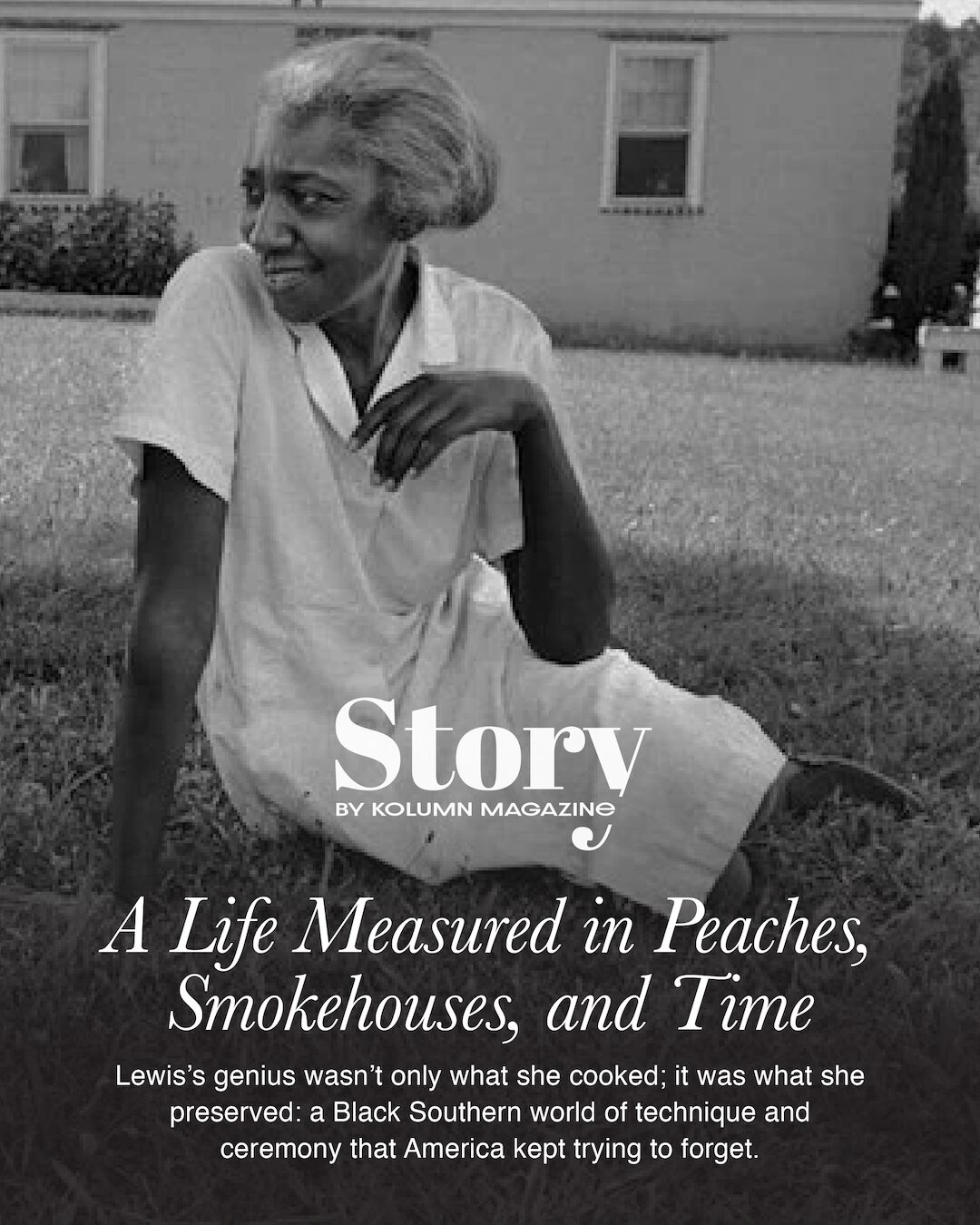
A Life Measured in Peaches, Smokehouses, and Time
Lewis’s genius wasn’t only what she cooked; it was what she preserved: a Black Southern world of technique and ceremony that America kept trying to forget.
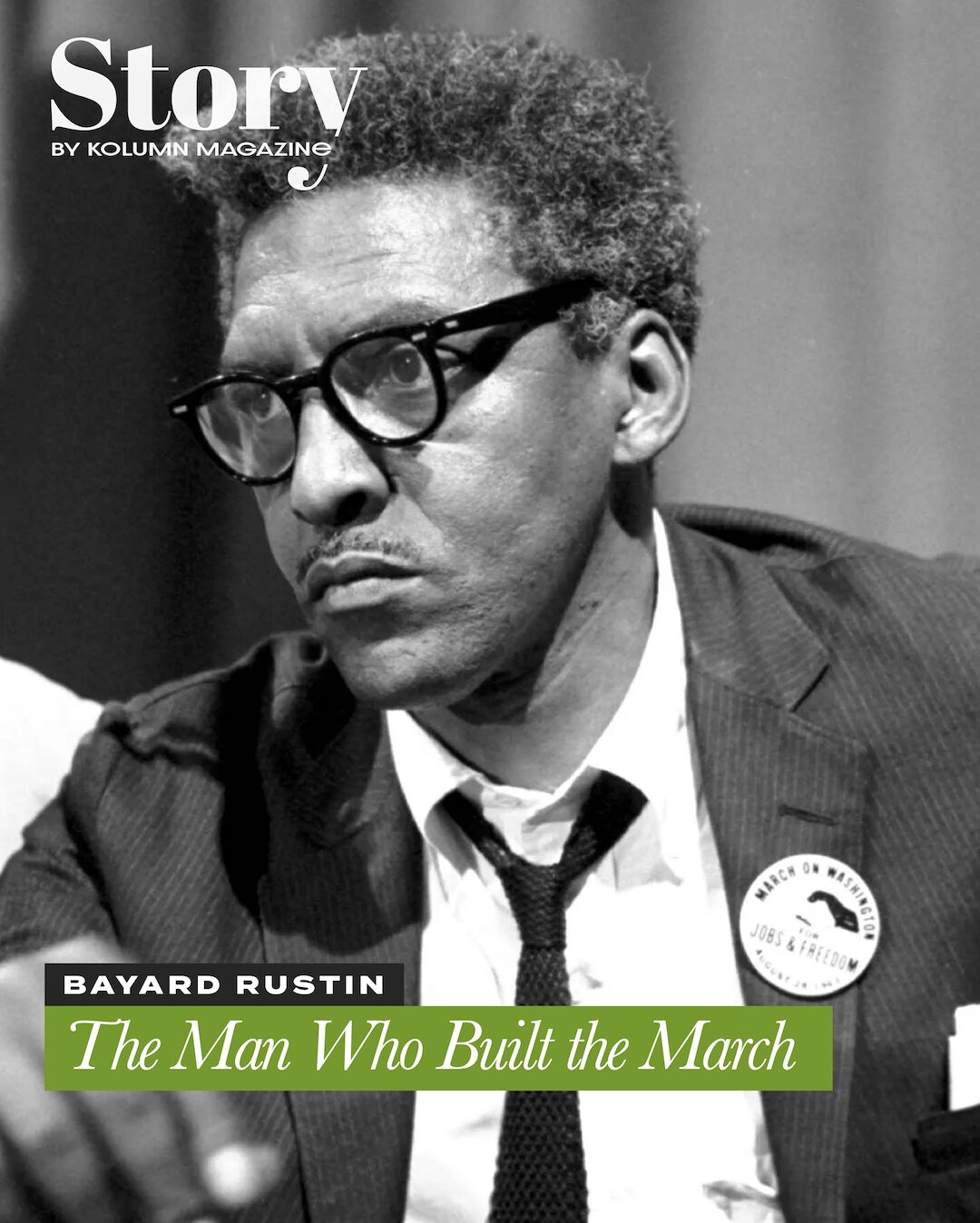
The Man Who Built the March
Bayard Rustin engineered the civil rights movement’s most iconic day—and spent decades paying for being visible in all the ways America punished.
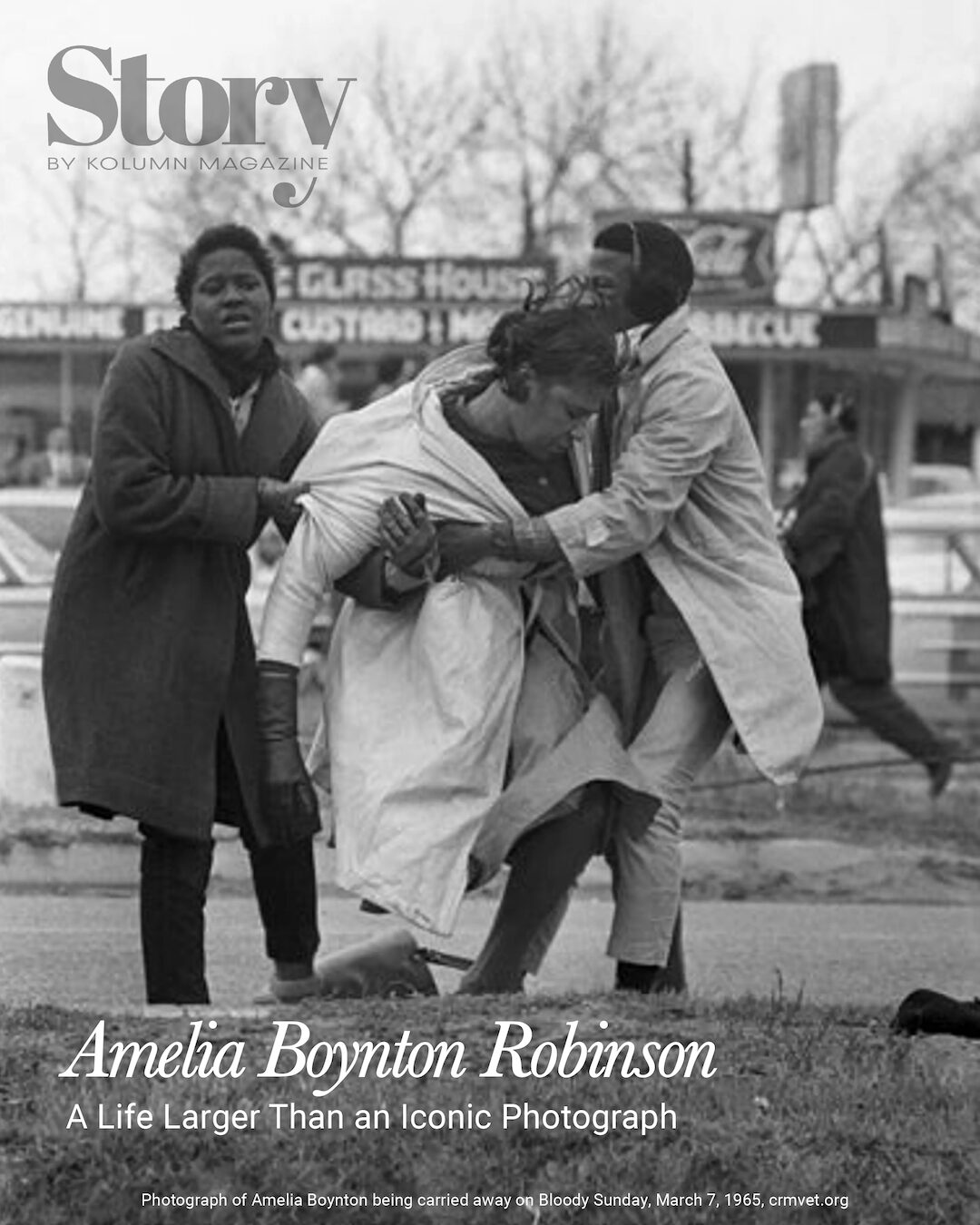
Amelia Boynton Robinson: A Life Larger Than an Iconic Photograph
The image from the Edmund Pettus Bridge froze her in pain. Her actual life—organizer, mother, candidate, coalition-builder—was built in motion, sustained by discipline and a st