

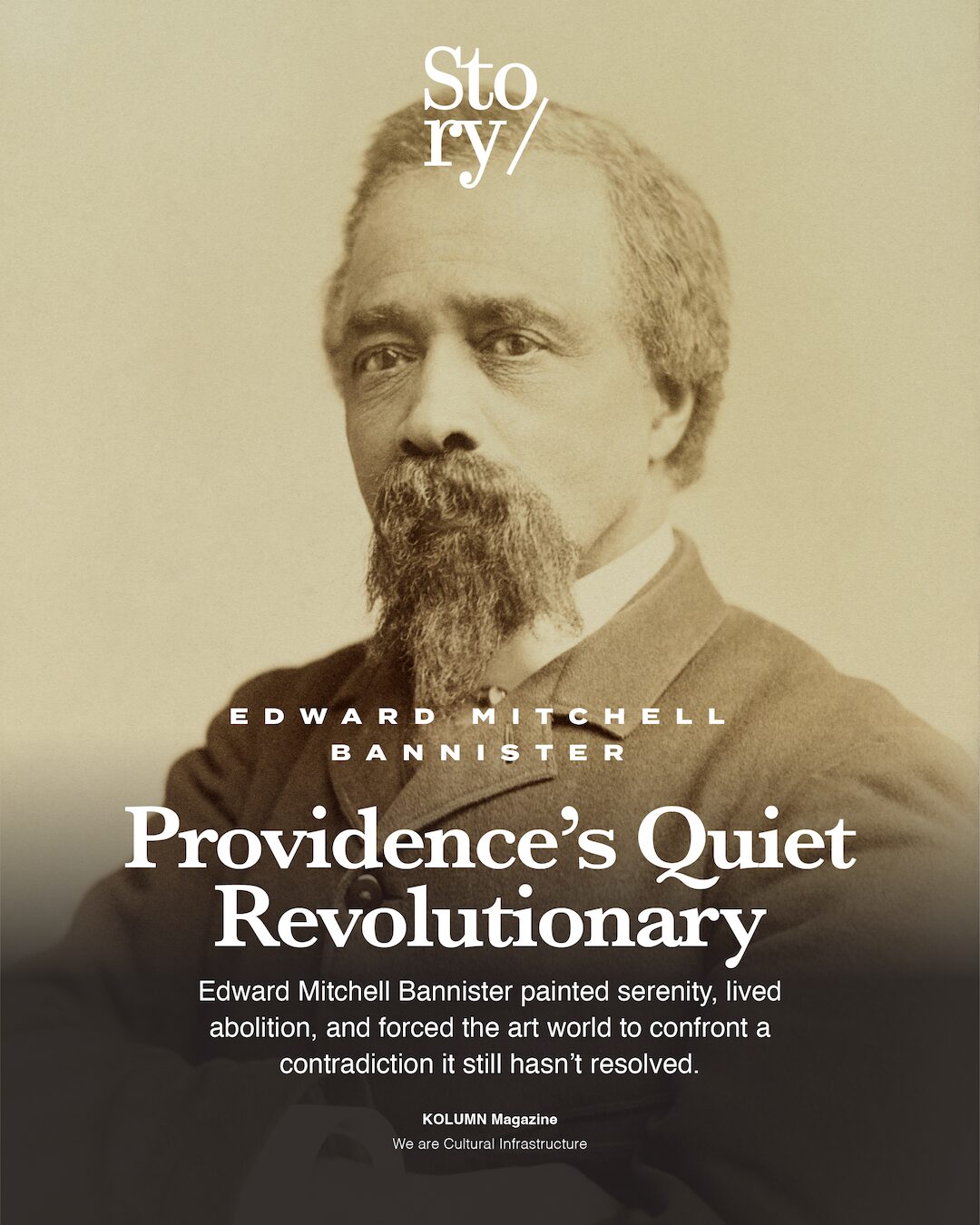
Providence’s Quiet Revolutionary
Edward Mitchell Bannister painted serenity, lived abolition, and forced the art world to confront a contradiction it still hasn’t resolved.
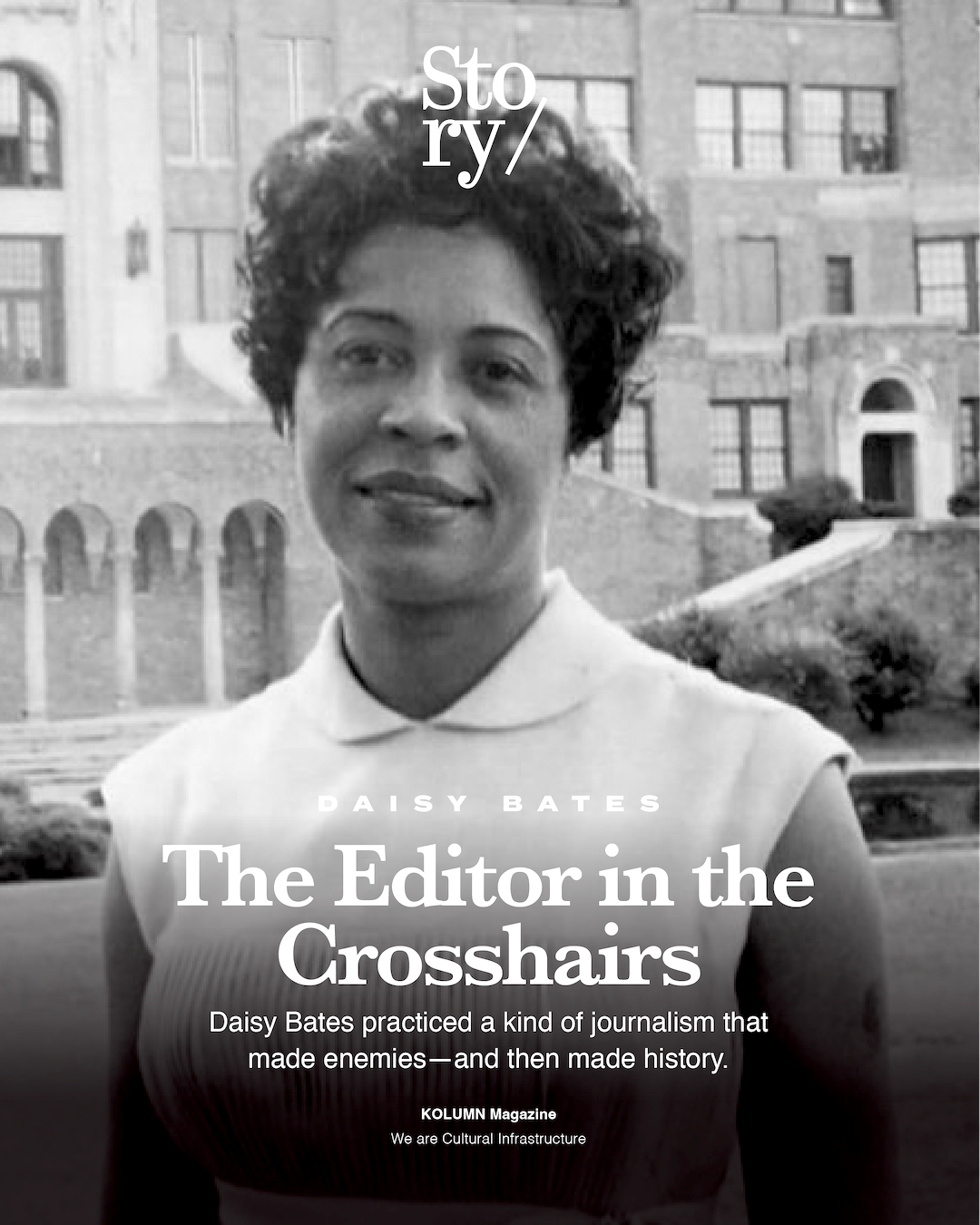
The Editor in the Crosshairs
Daisy Bates practiced a kind of journalism that made enemies—and then made history.
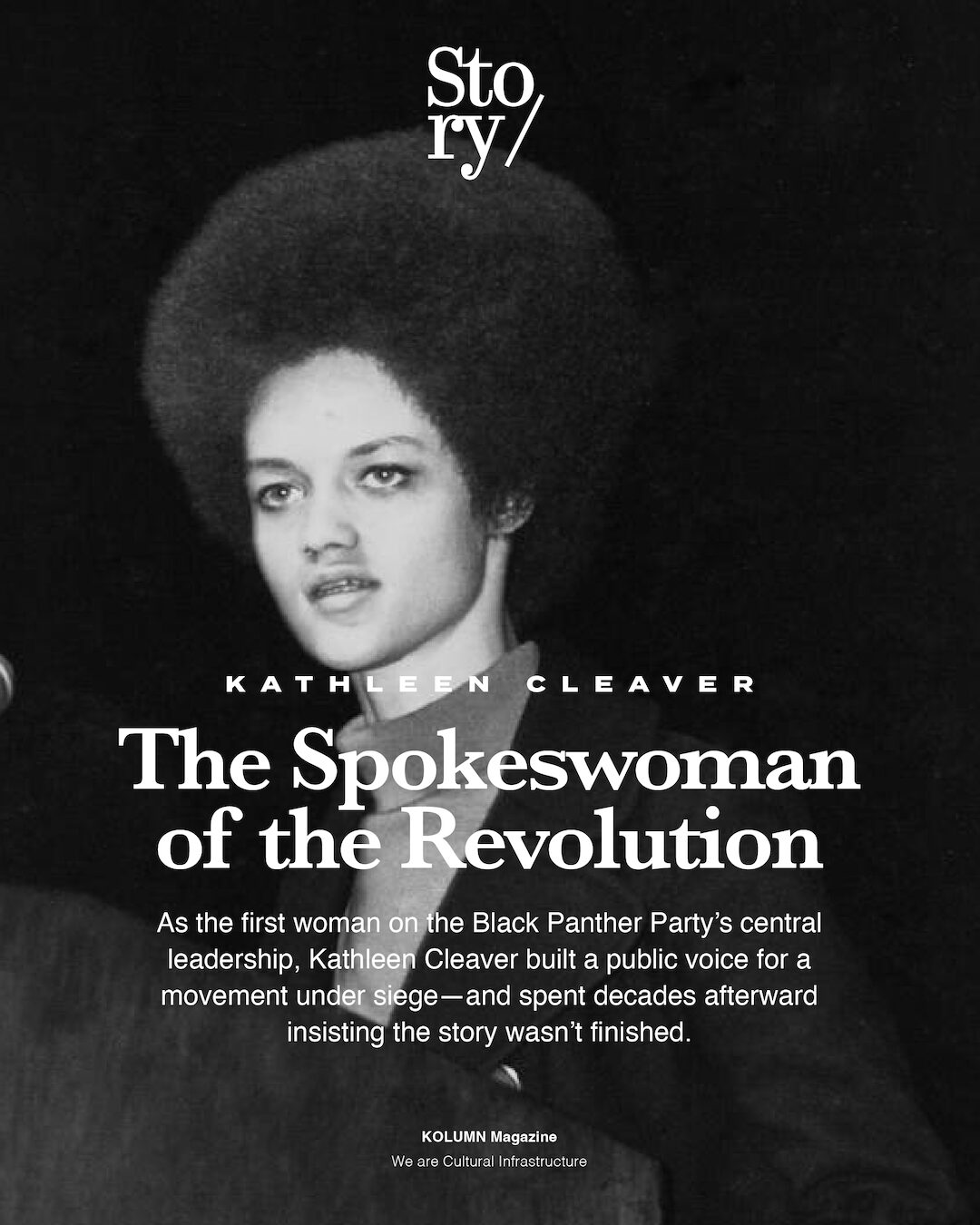
The Spokeswoman of the Revolution
As the first woman on the Black Panther Party’s central leadership, Kathleen Cleaver built a public voice for a movement under siege—and spent decades afterward insisting the s
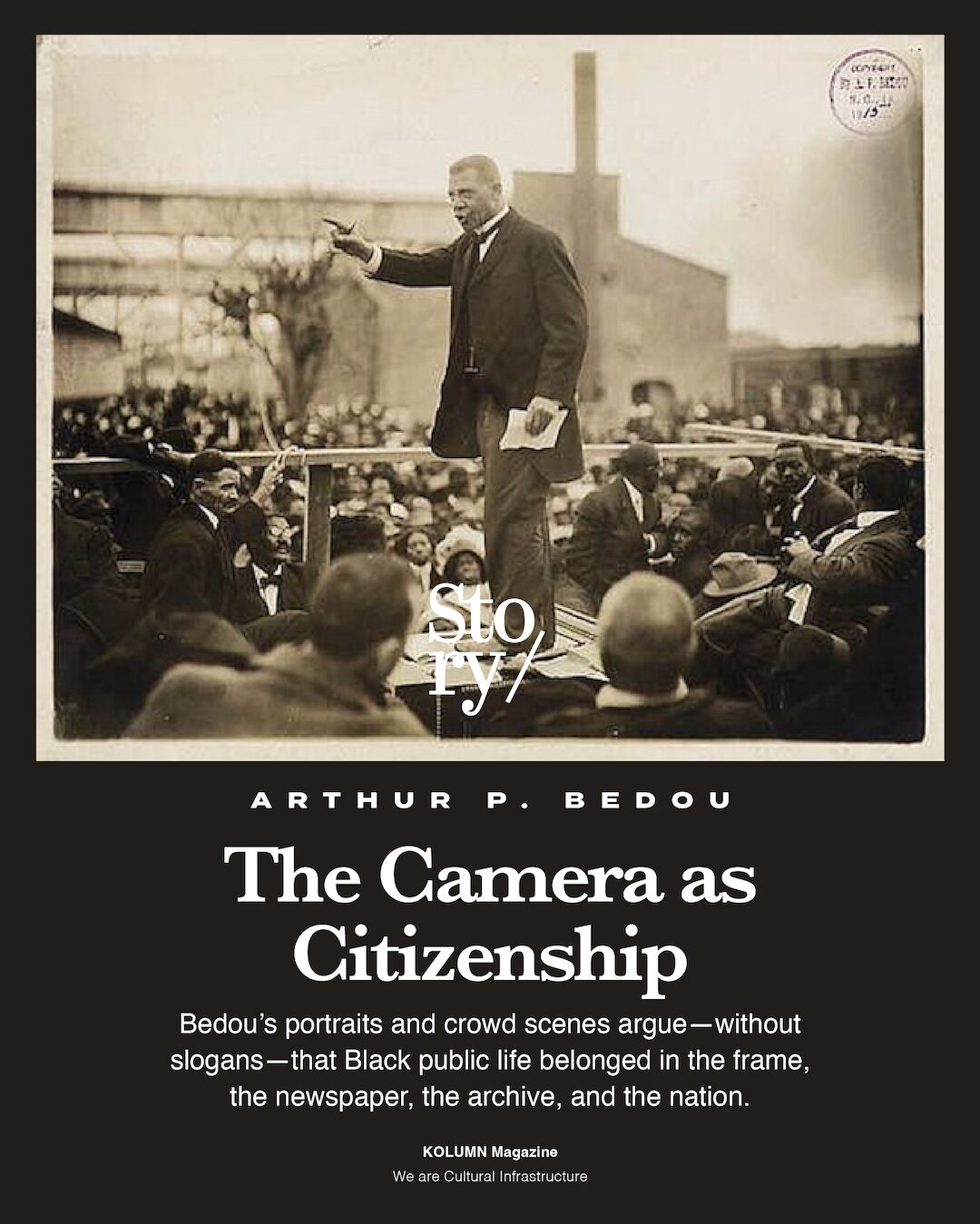
The Camera as Citizenship
Bedou’s portraits and crowd scenes argue—without slogans—that Black public life belonged in the frame, the newspaper, the archive, and the nation.
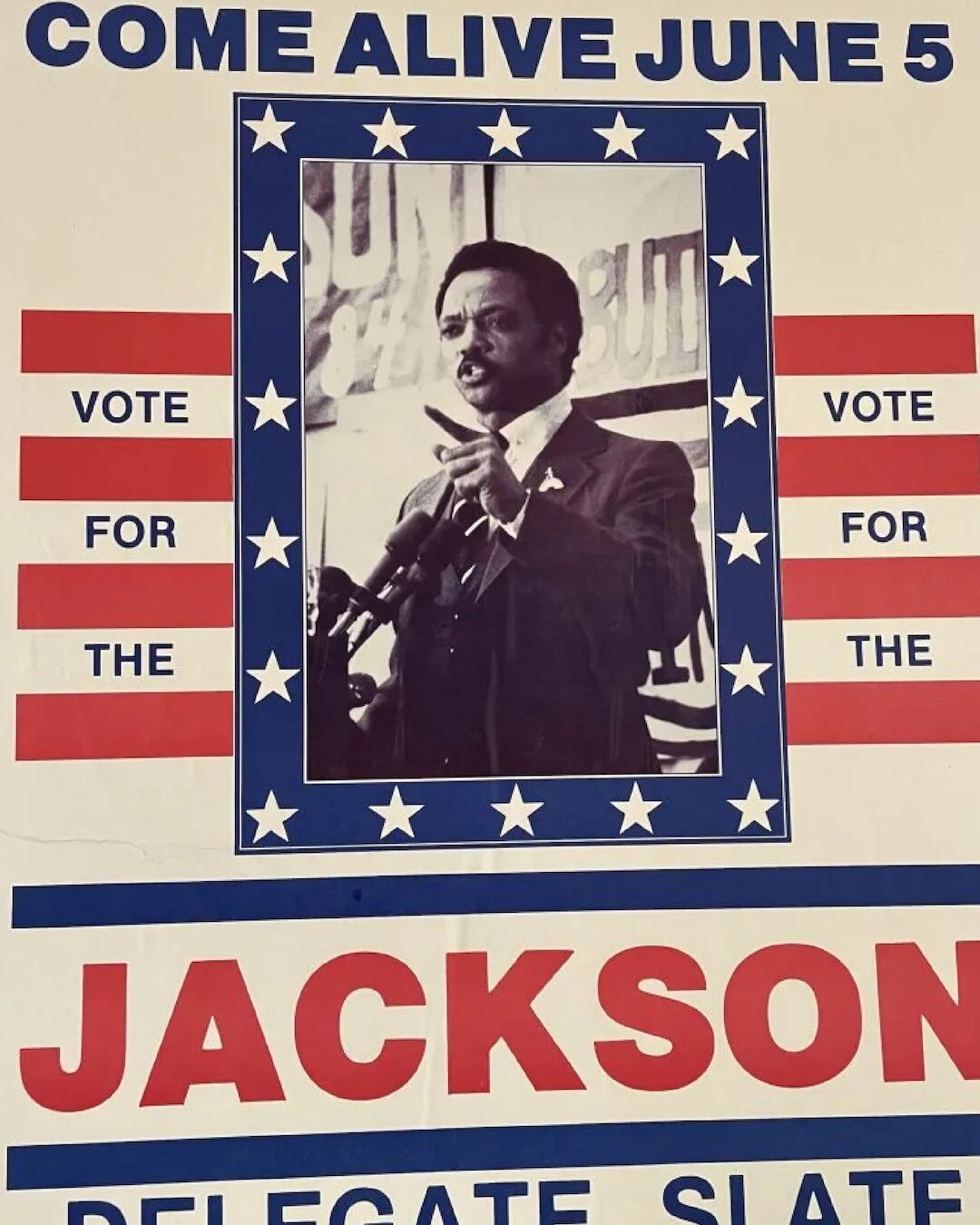
What a Campaign Can Be
Jesse Jackson’s bids were part sermon, part organizing drive, part policy argument—and part stress test for a party learning to speak to a changing America.
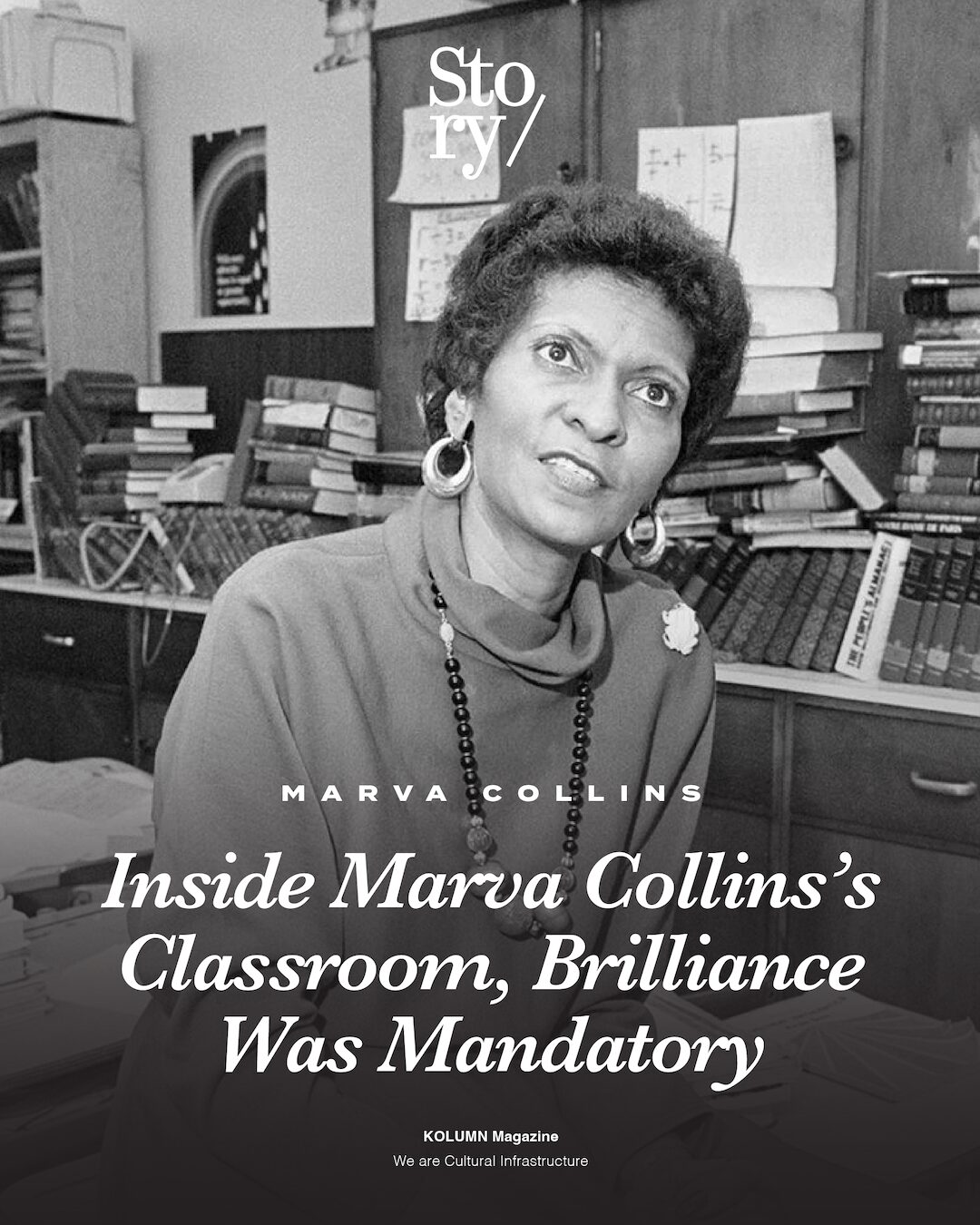
Inside Marva Collins’s Classroom, Brilliance Was Mandatory
Her students recited, argued, read the classics—and absorbed a radical message: your zip code is not your destiny. America loved the story, then argued about the price.
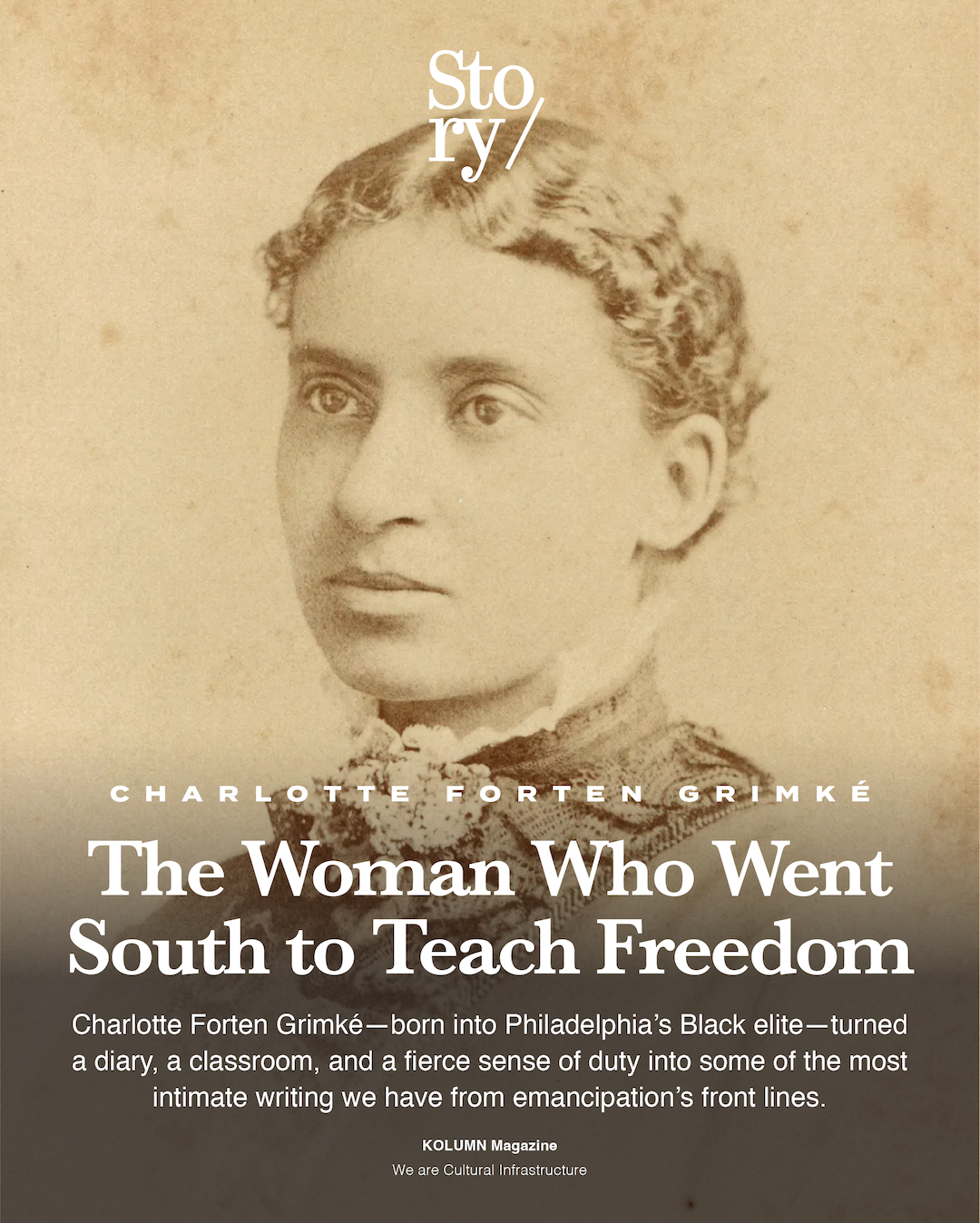
The Woman Who Went South to Teach Freedom
Charlotte Forten Grimké—born into Philadelphia’s Black elite—turned a diary, a classroom, and a fierce sense of duty into some of the most intimate writing we have from eman
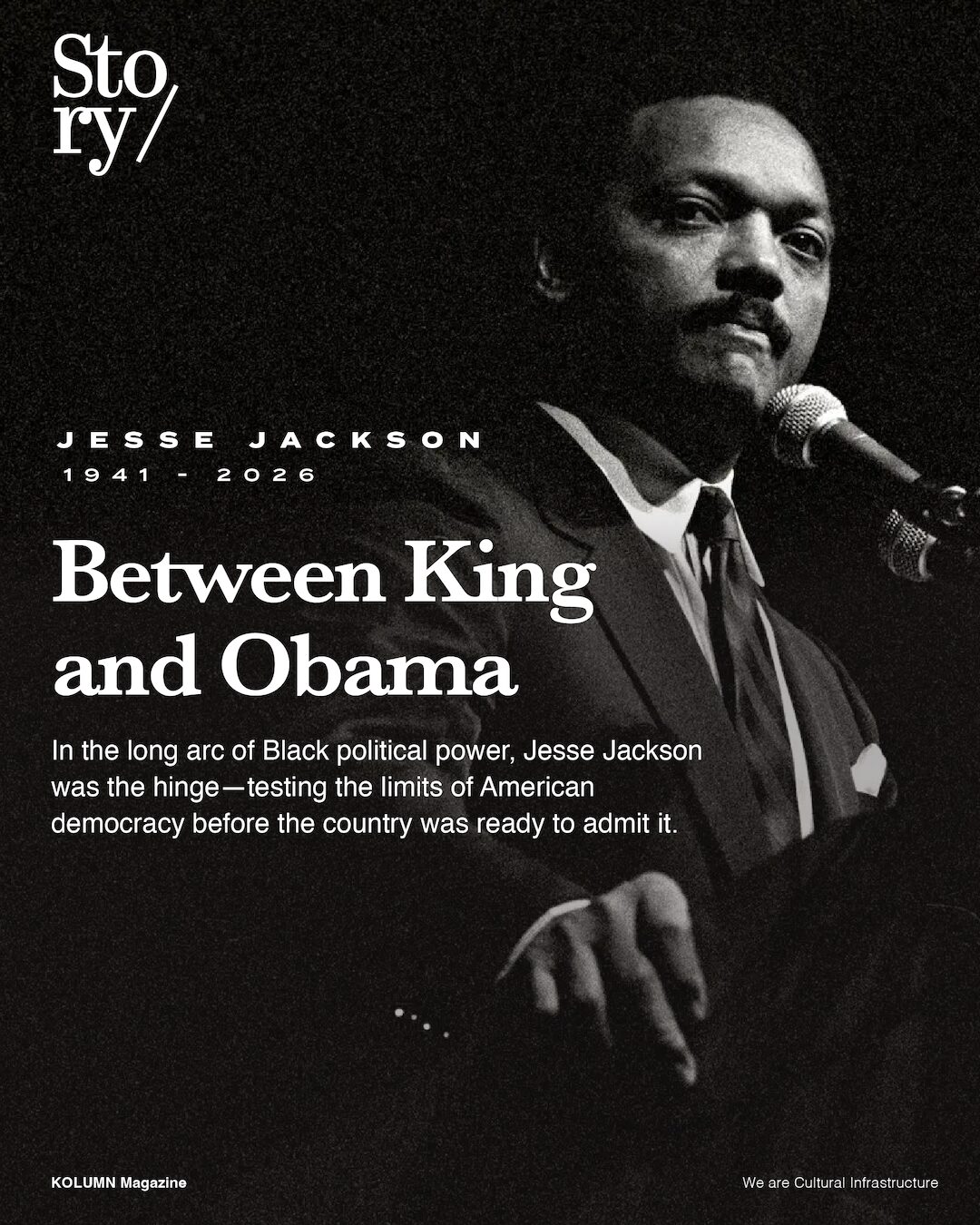
Between King and Obama
In the long arc of Black political power, Jesse Jackson was the hinge—testing the limits of American democracy before the country was ready to admit it.
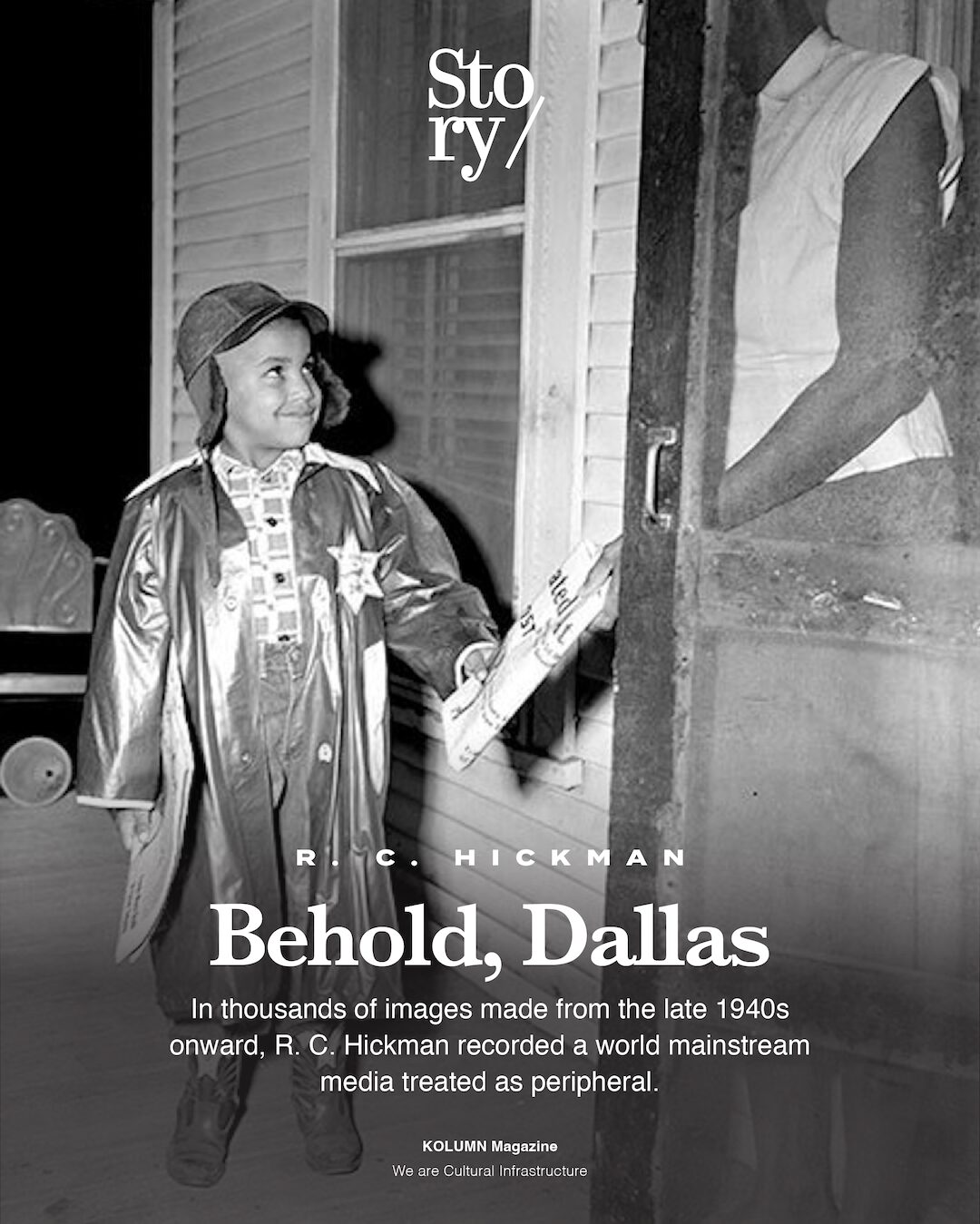
Behold, Dallas
In thousands of images made from the late 1940s onward, R. C. Hickman recorded a world mainstream media treated as peripheral. His photographs now function as evidence—of injusti
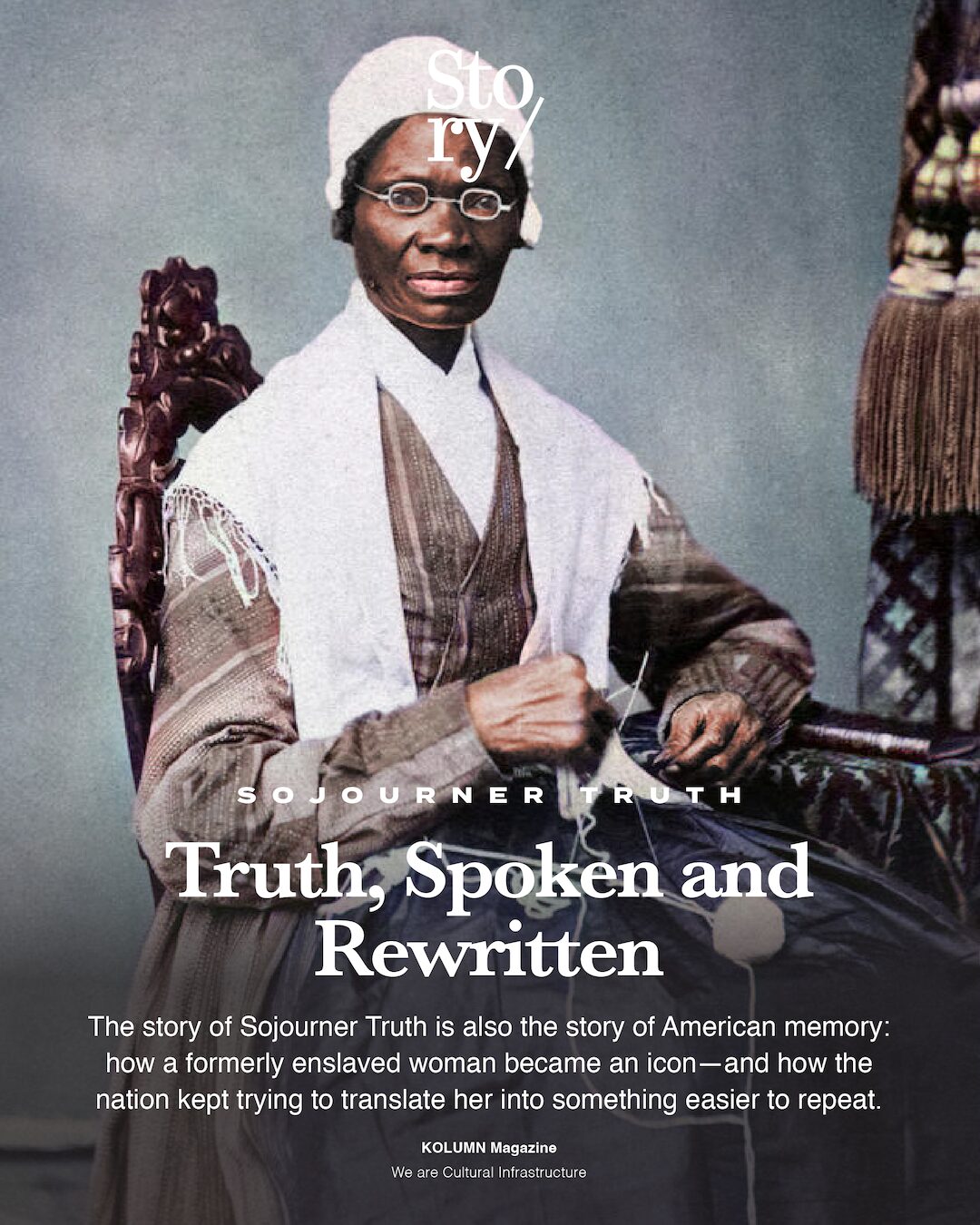
Truth, Spoken and Rewritten
The story of Sojourner Truth is also the story of American memory: how a formerly enslaved woman became an icon—and how the nation kept trying to translate her into something eas