

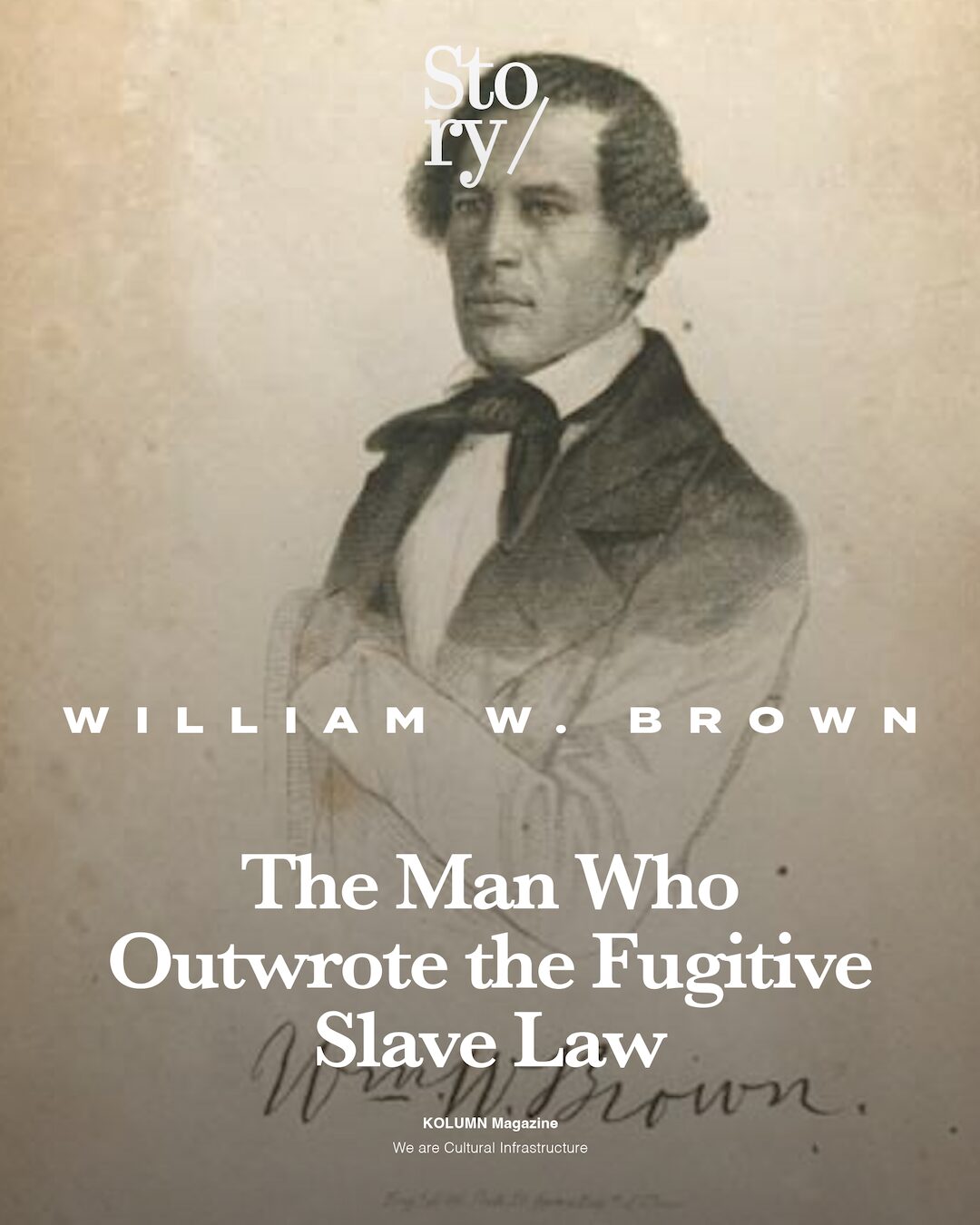
The Man Who Outwrote the Fugitive Slave Law
William Wells Brown escaped bondage, then turned print into a weapon—writing the first published Black novel, staging the first published Black play, and insisting that America r
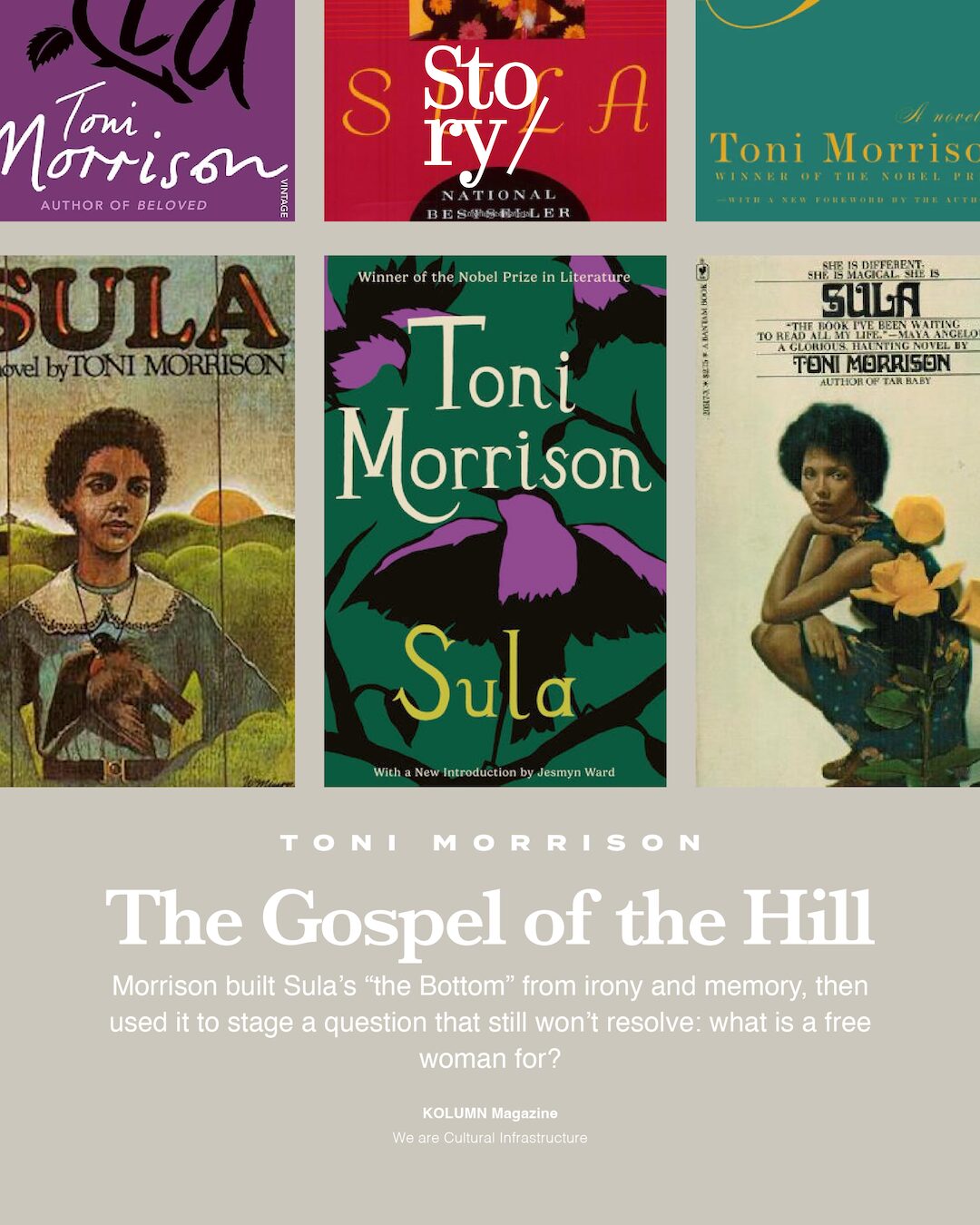
The Gospel of the Hill
Morrison built Sula’s “the Bottom” from irony and memory, then used it to stage a question that still won’t resolve: what is a free woman for?
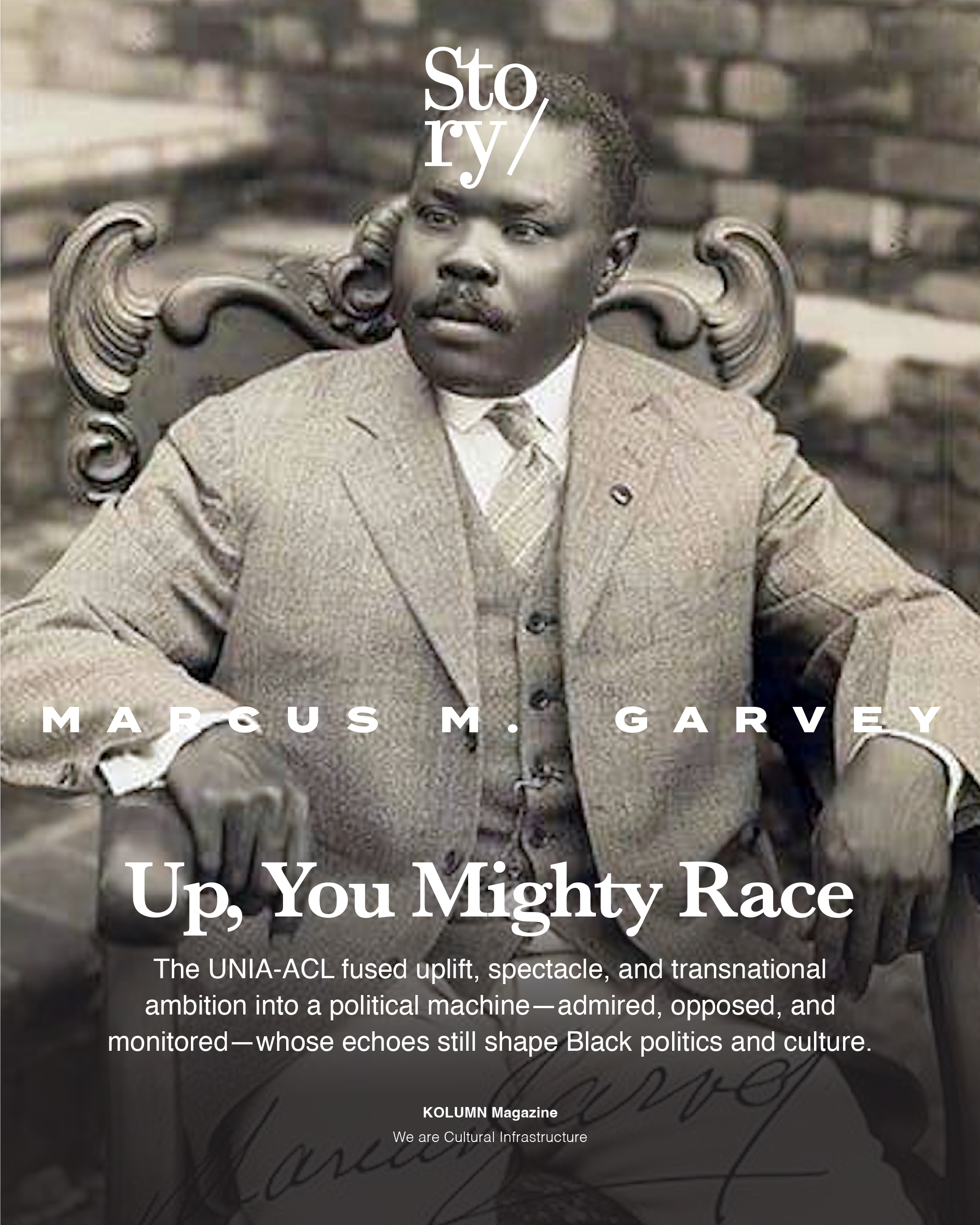
Up, You Mighty Race
Marcus Garvey's UNIA-ACL fused uplift, spectacle, and transnational ambition into a political machine—admired, opposed, and monitored—whose echoes still shape Black politics an
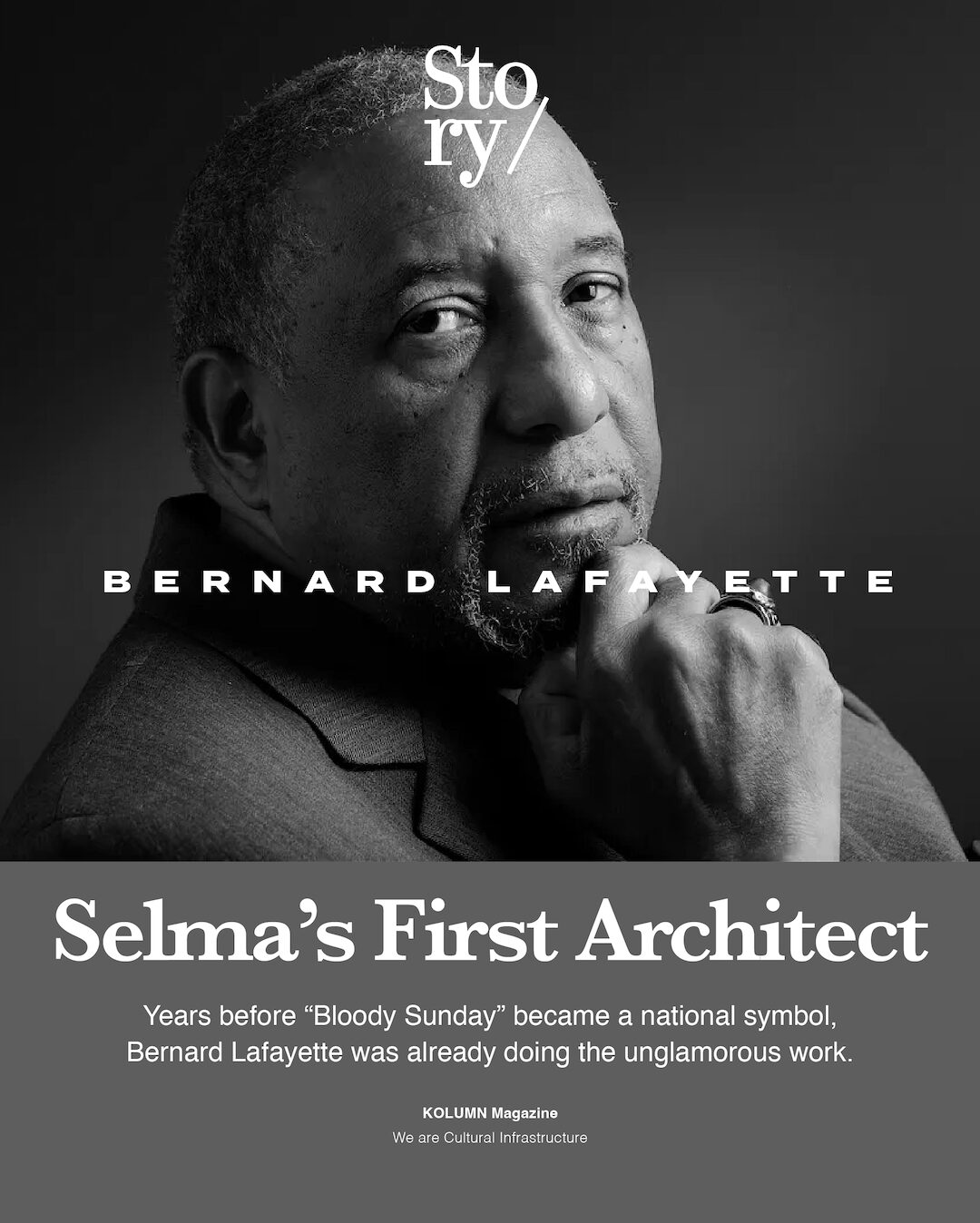
Selma’s First Architect
Years before “Bloody Sunday” became a national symbol, Bernard Lafayette was already doing the unglamorous work—knocking on doors, teaching, listening, and building a voting-
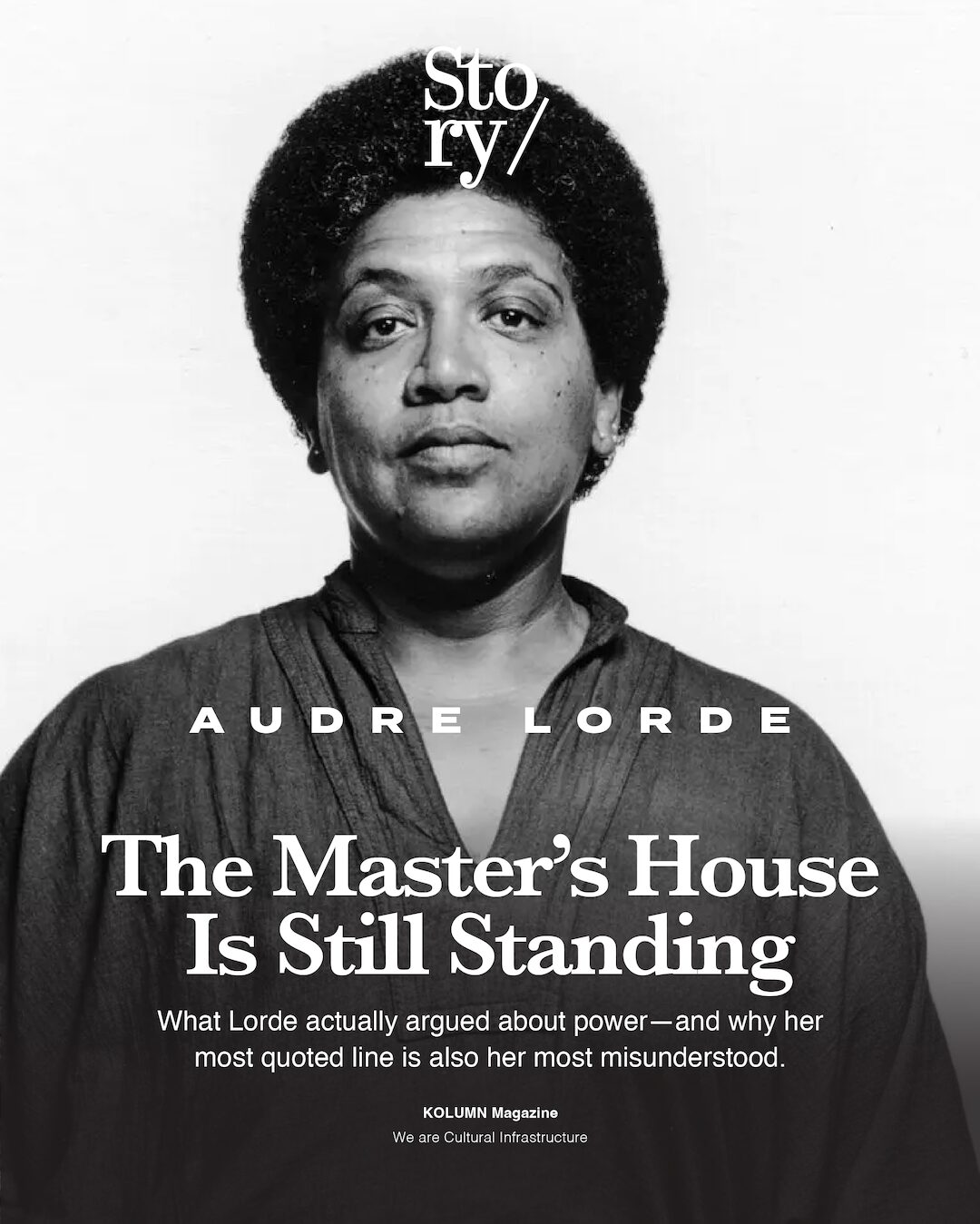
The Master’s House Is Still Standing
What Lorde actually argued about power—and why her most quoted line is also her most misunderstood.
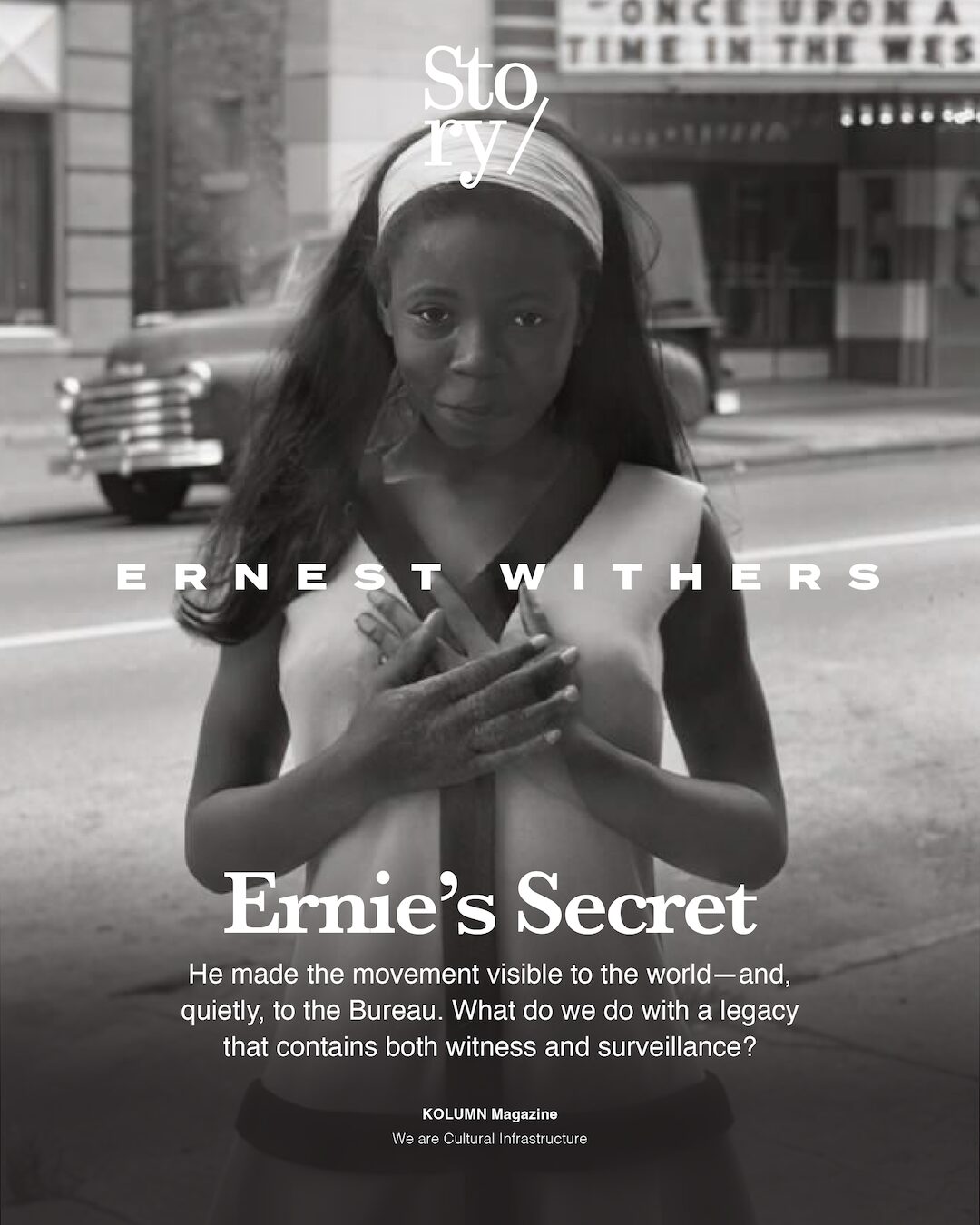
Ernie’s Secret
He made the movement visible to the world—and, quietly, to the Bureau. What do we do with a legacy that contains both witness and surveillance?
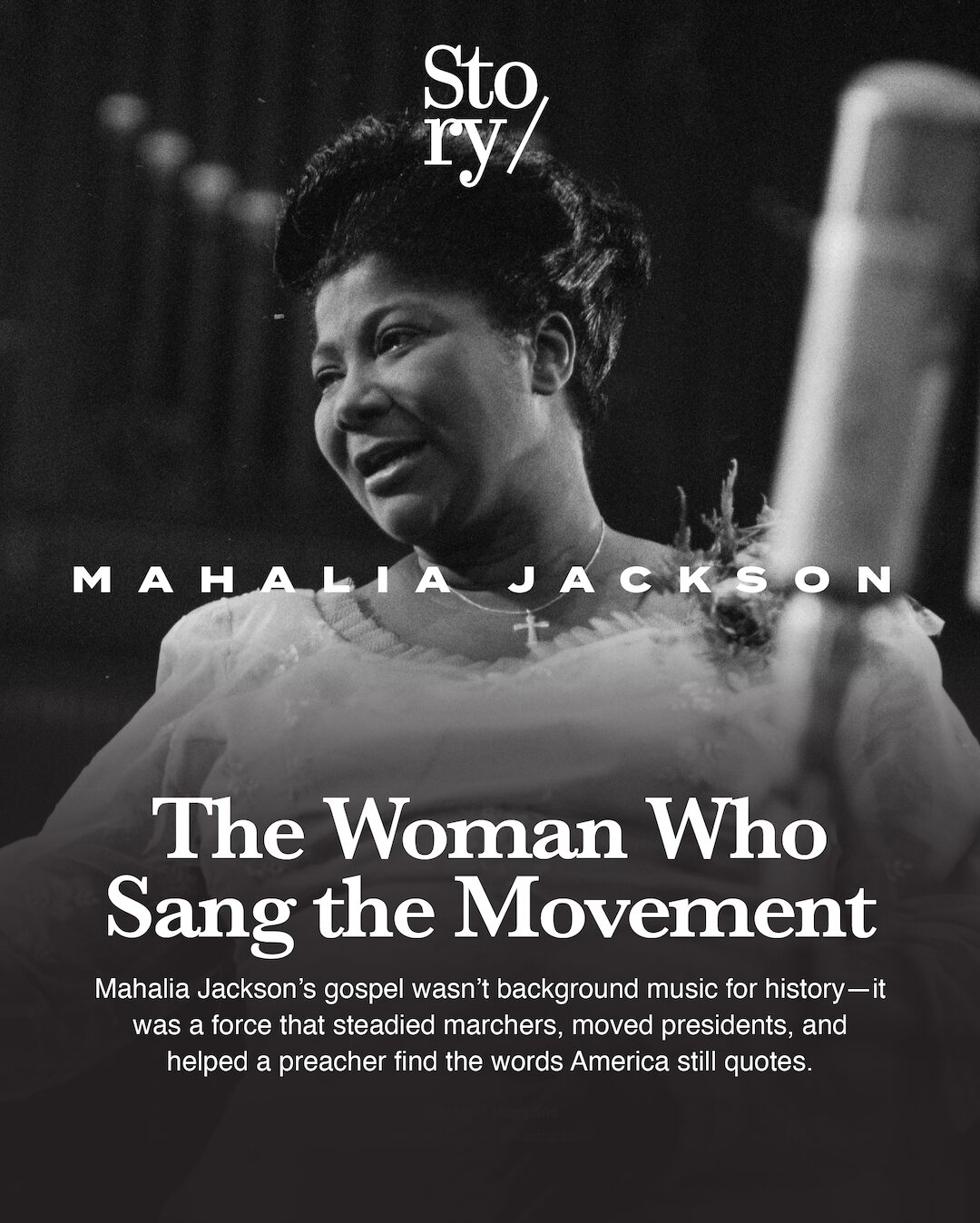
The Woman Who Sang the Movement
Mahalia Jackson’s gospel wasn’t background music for history—it was a force that steadied marchers, moved presidents, and helped a preacher find the words America still quote
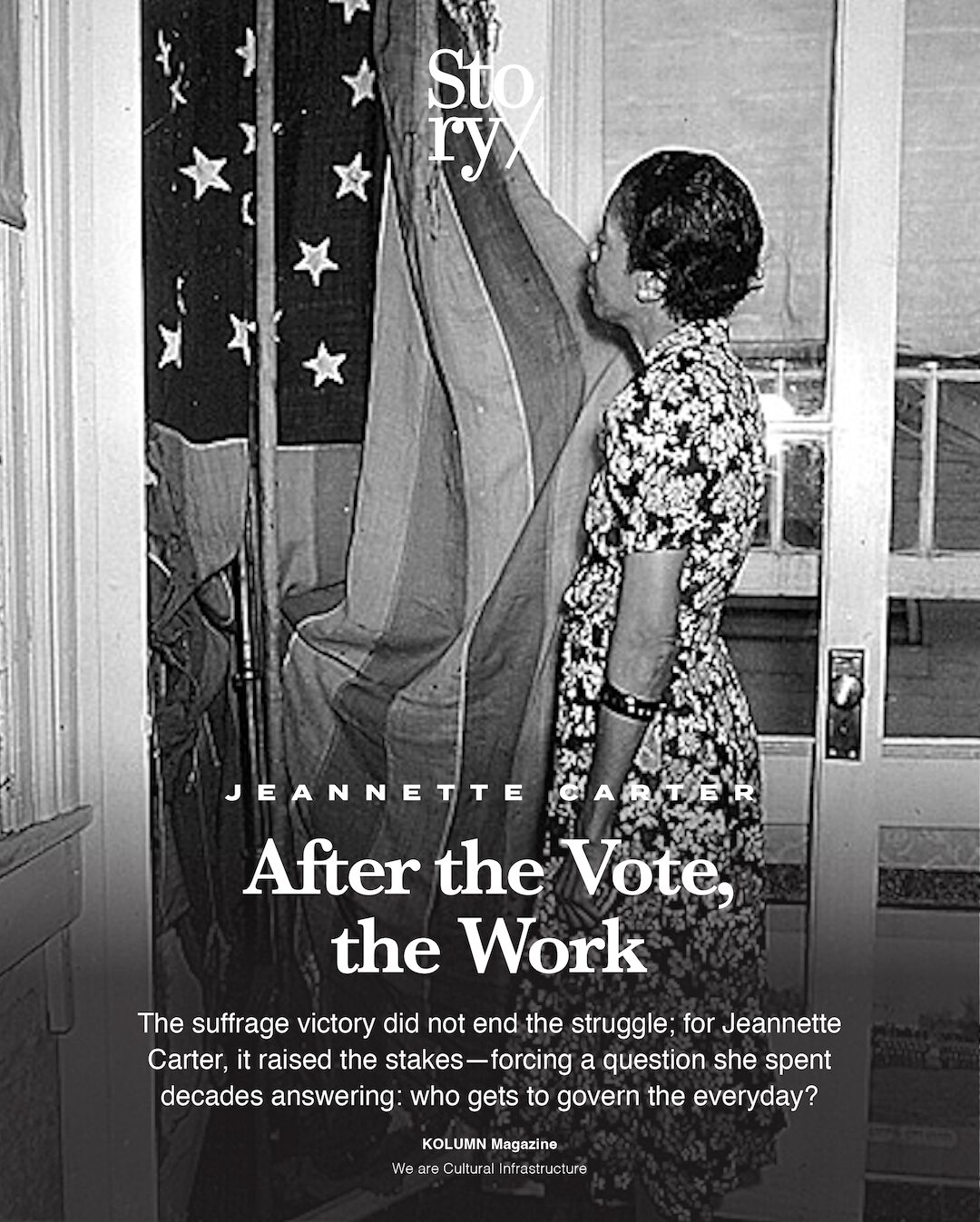
After the Vote, the Work
The suffrage victory did not end the struggle; for Jeannette Carter, it raised the stakes—forcing a question she spent decades answering: who gets to govern the everyday?
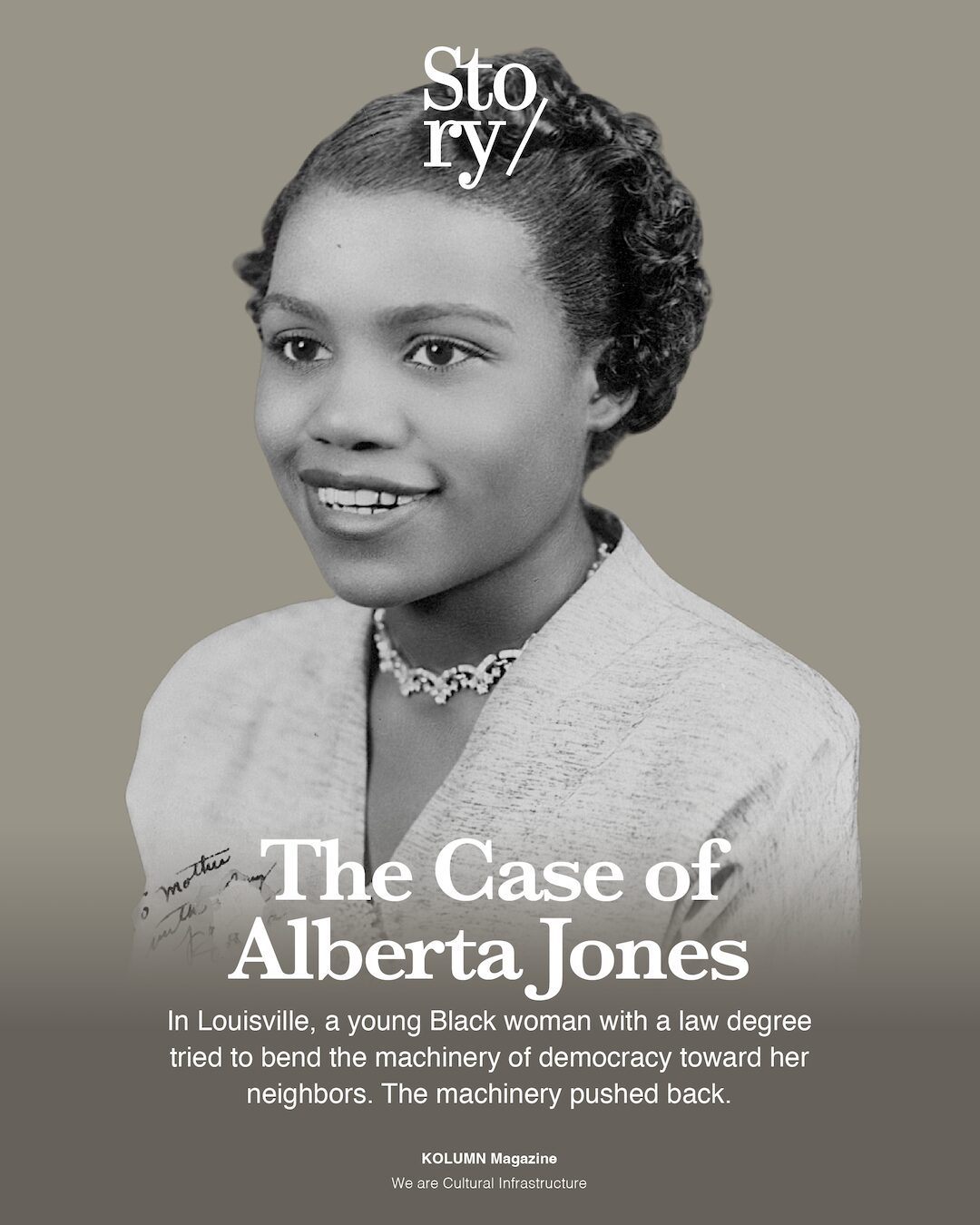
The Case of Alberta Jones
In Louisville, a young Black woman with a law degree tried to bend the machinery of democracy toward her neighbors. The machinery pushed back.
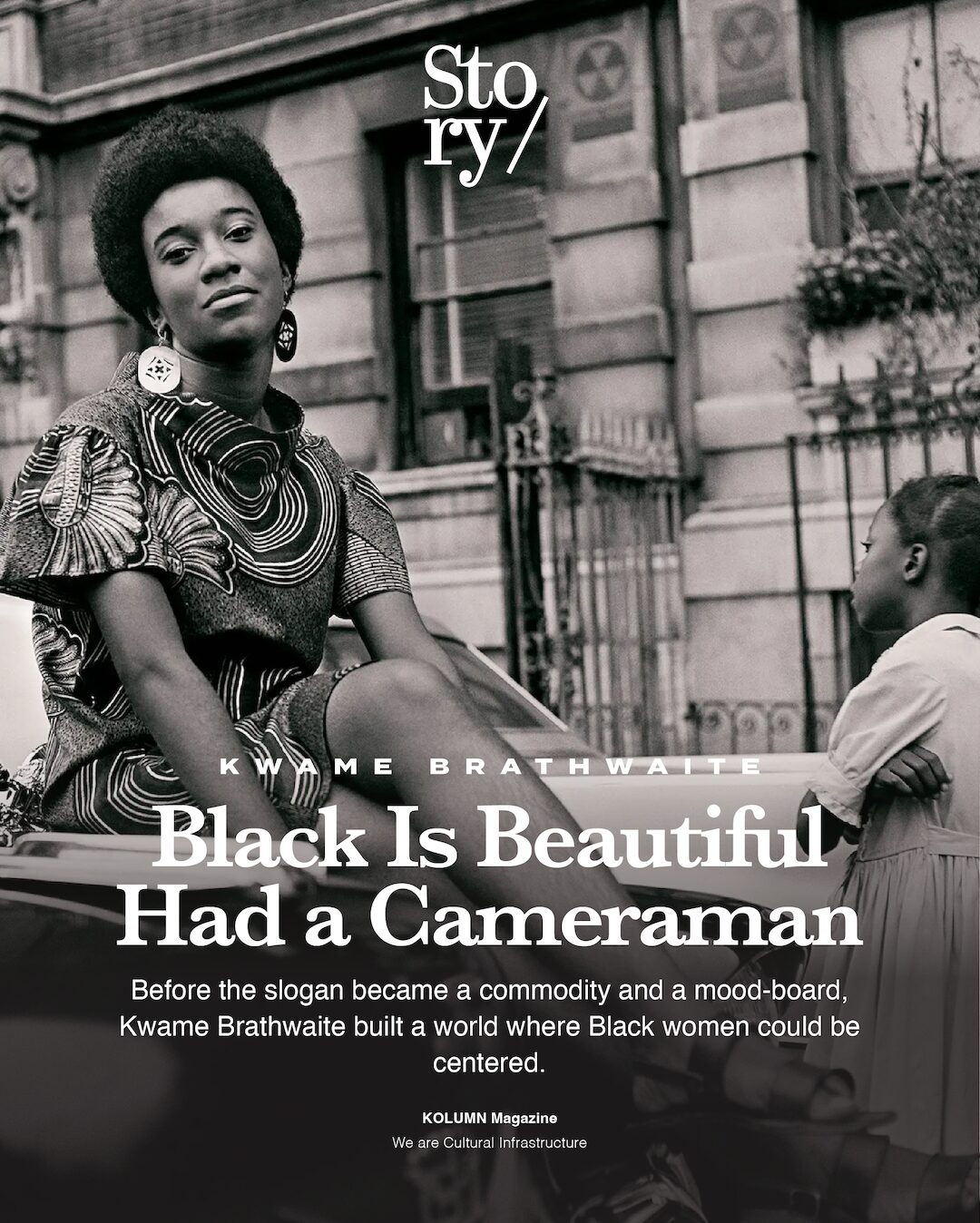
Black Is Beautiful Had a Cameraman
Before the slogan became a commodity and a mood-board, Kwame Brathwaite built a world where Black women could be centered—natural hair un-apologized for, style treated as politic