

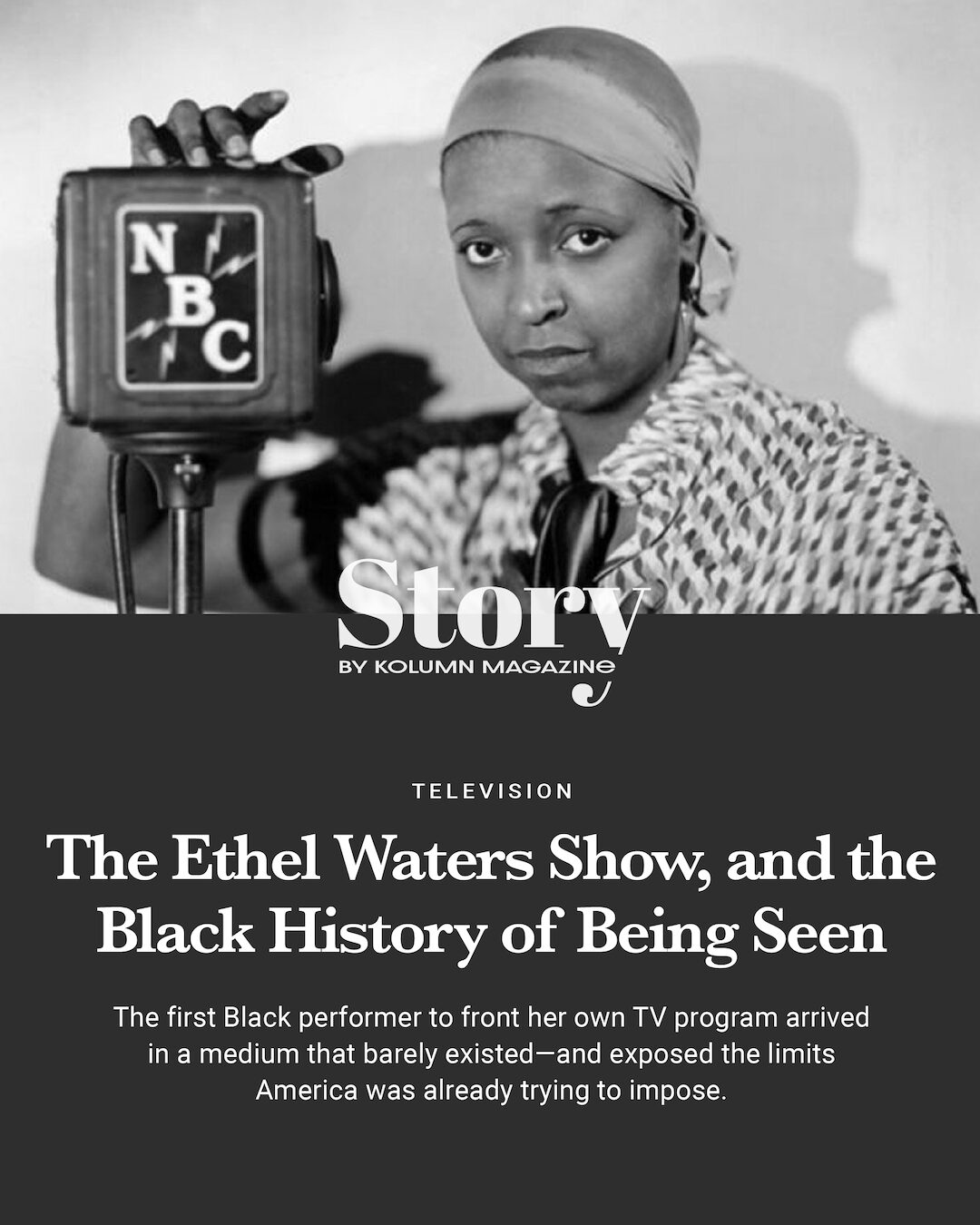
The Ethel Waters Show, and the Black History of Being Seen
The first Black performer to front her own TV program arrived in a medium that barely existed—and exposed the limits America was already trying to impose.
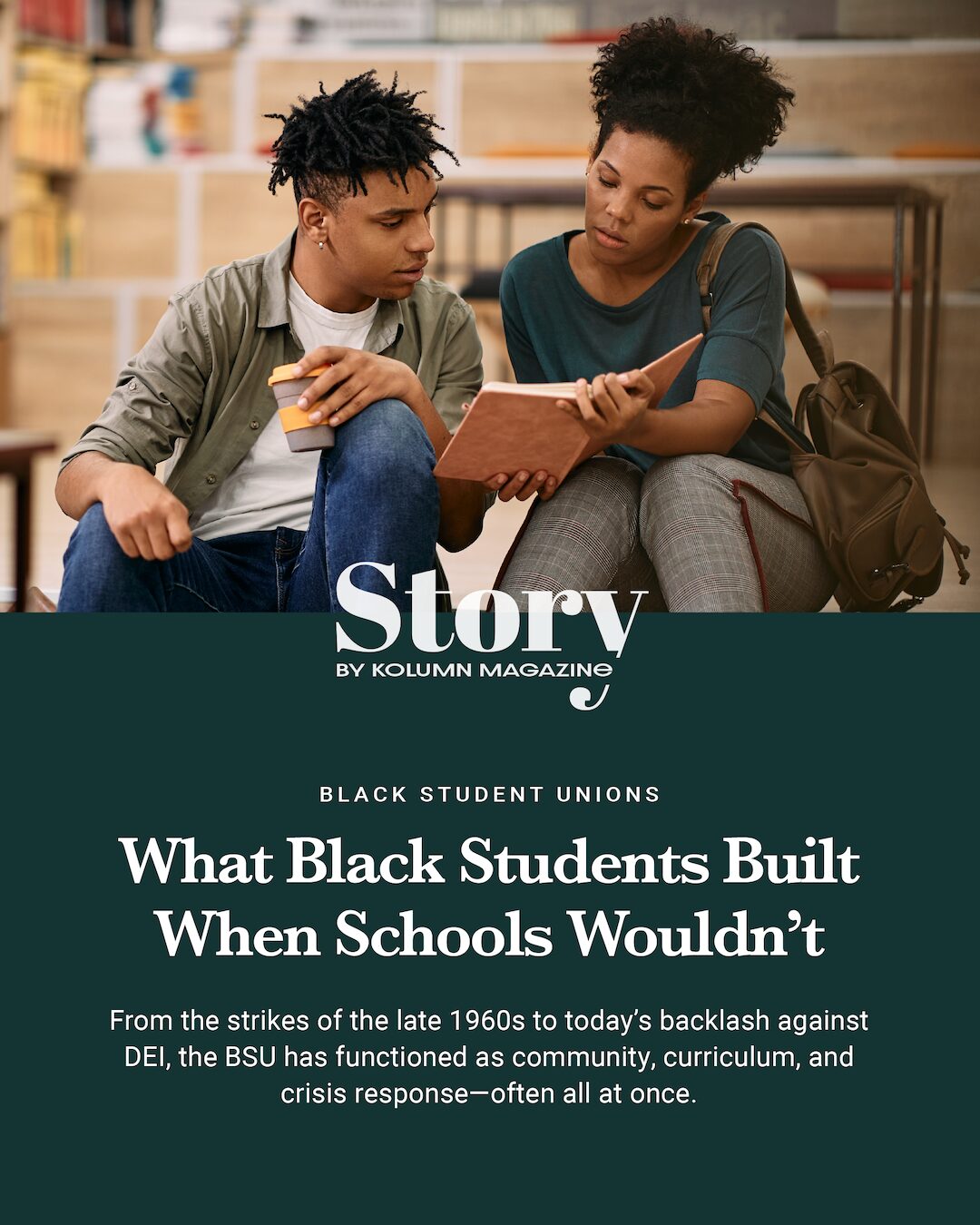
What Black Students Built When Schools Wouldn’t
From the strikes of the late 1960s to today’s backlash against DEI, the BSU has functioned as community, curriculum, and crisis response—often all at once.
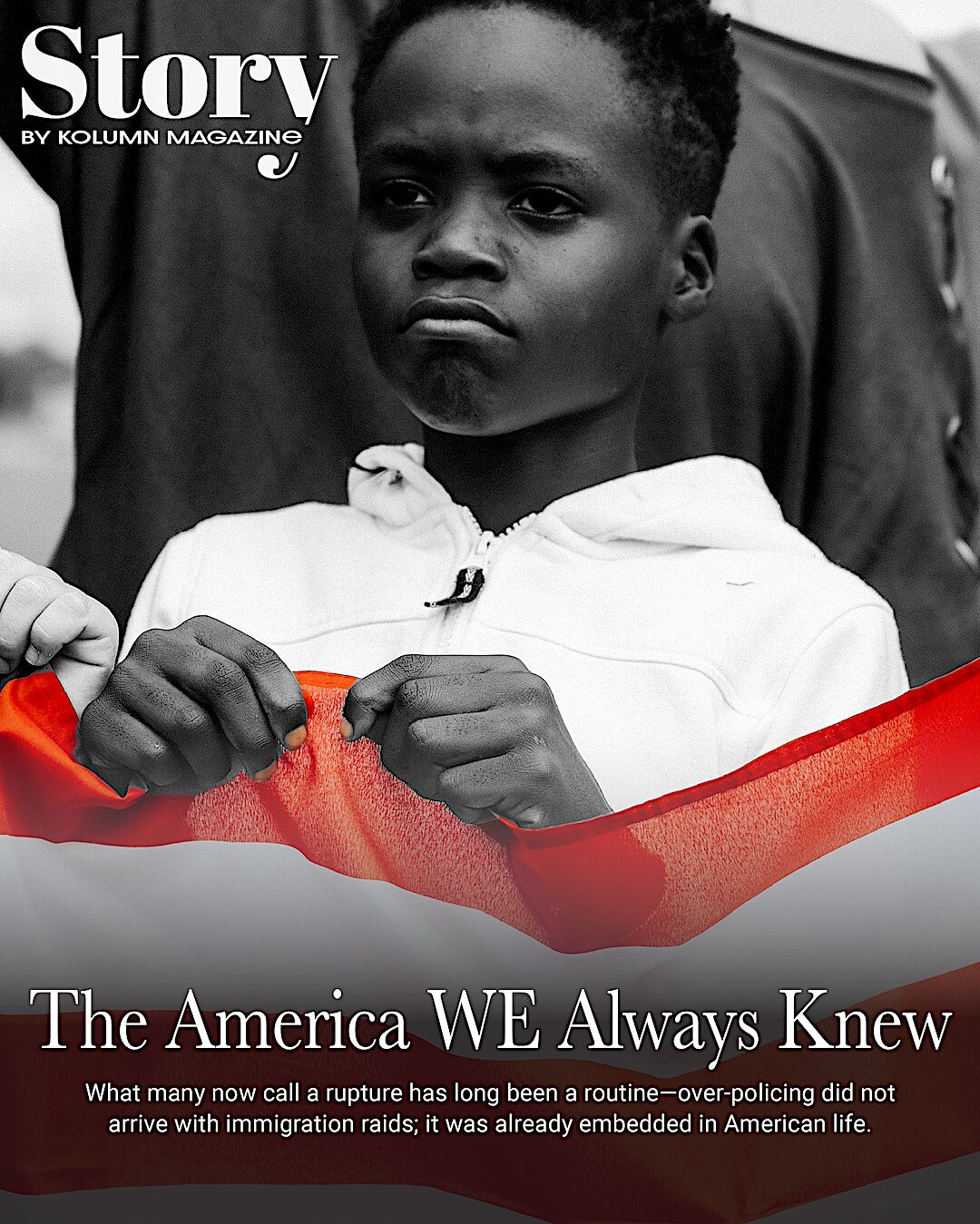
The America We Always Knew
What many now call a rupture has long been a routine—over-policing did not arrive with immigration raids; it was already embedded in American life.
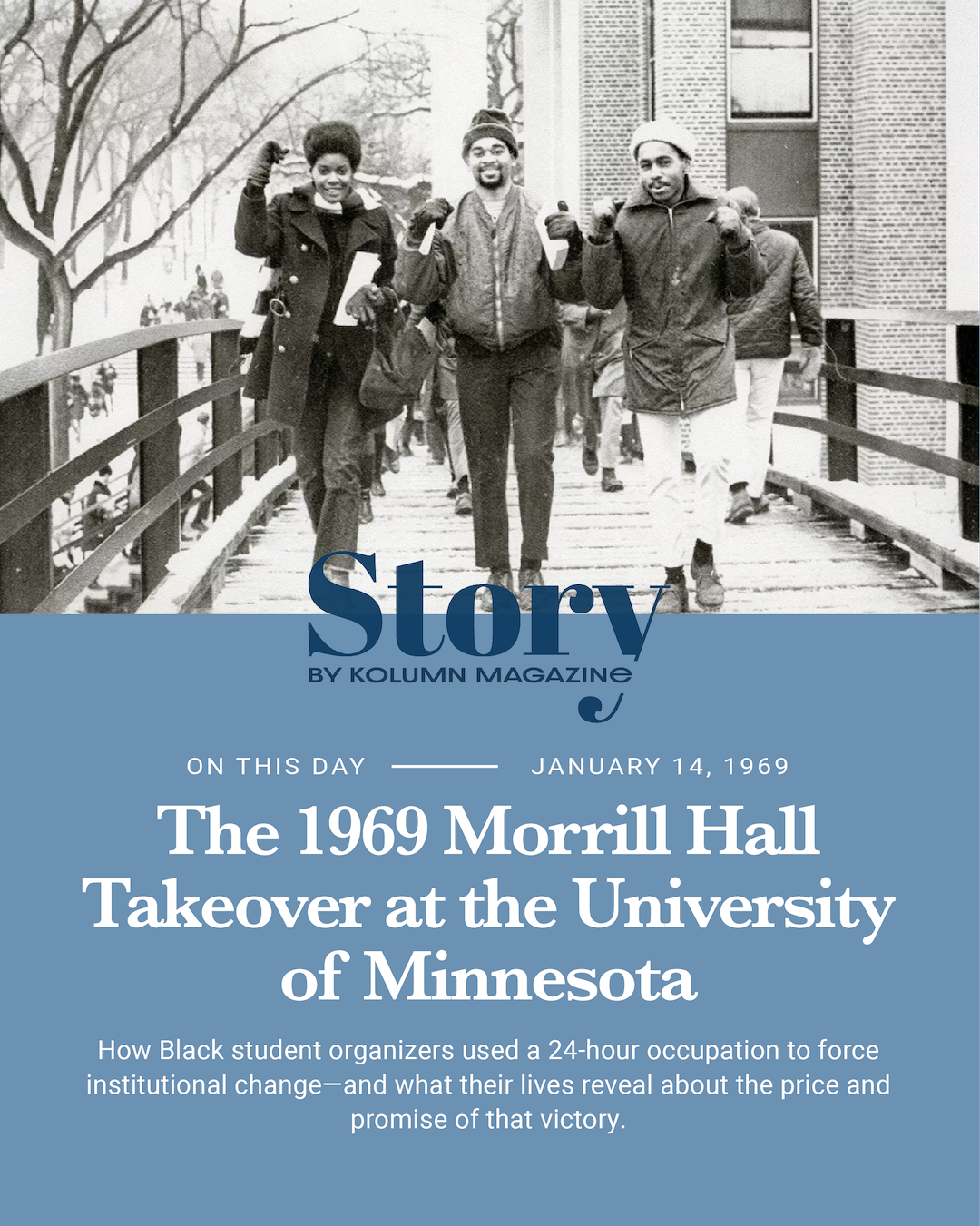
The 1969 Morrill Hall Takeover at the University of Minnesota
How Black student organizers used a 24-hour occupation to force institutional change—and what their lives reveal about the price and promise of that victory.
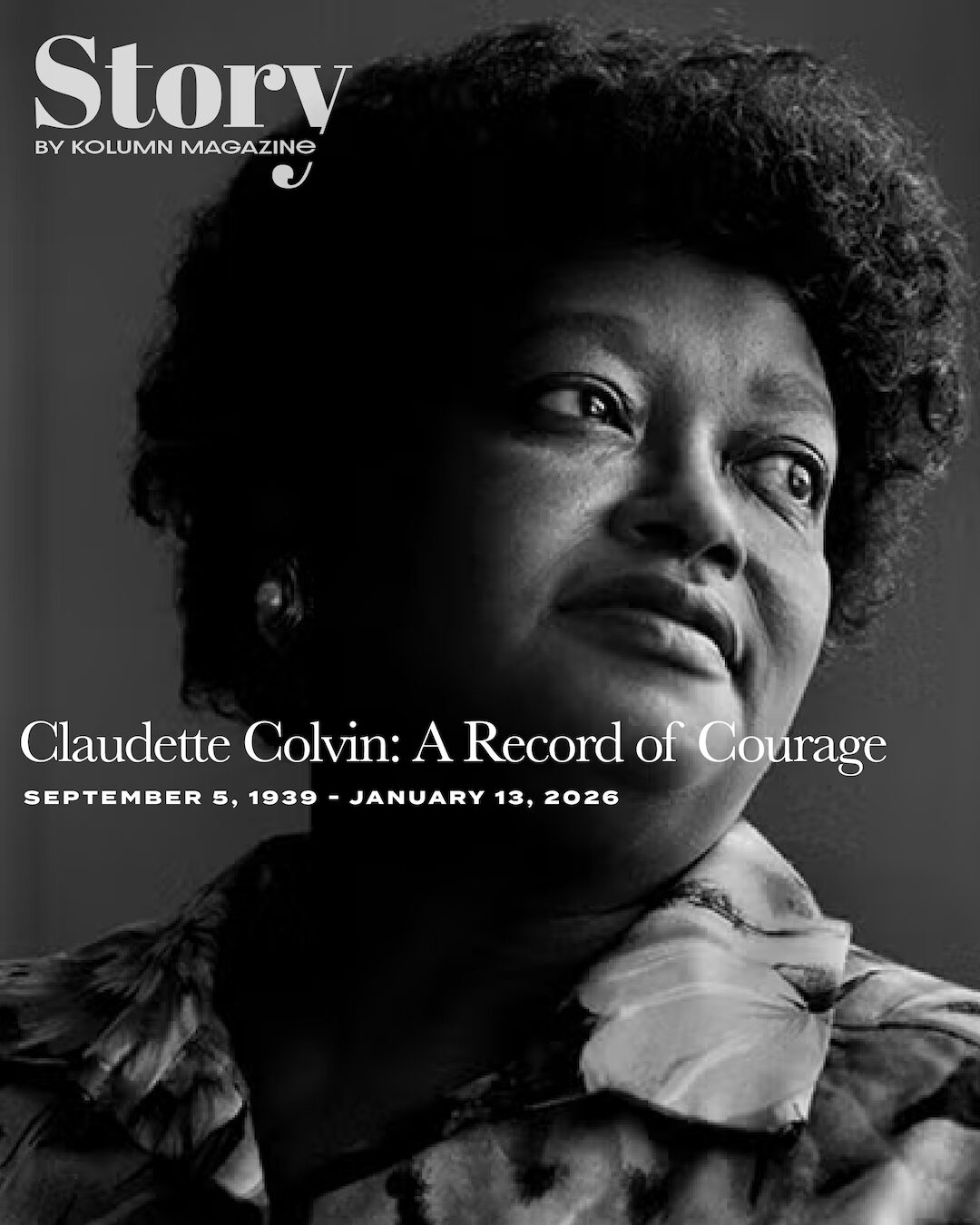
Claudette Colvin: A Record of Courage
Claudette Colvin helped end bus segregation in court—then spent decades carrying the state’s criminal label for an act the nation now celebrates.
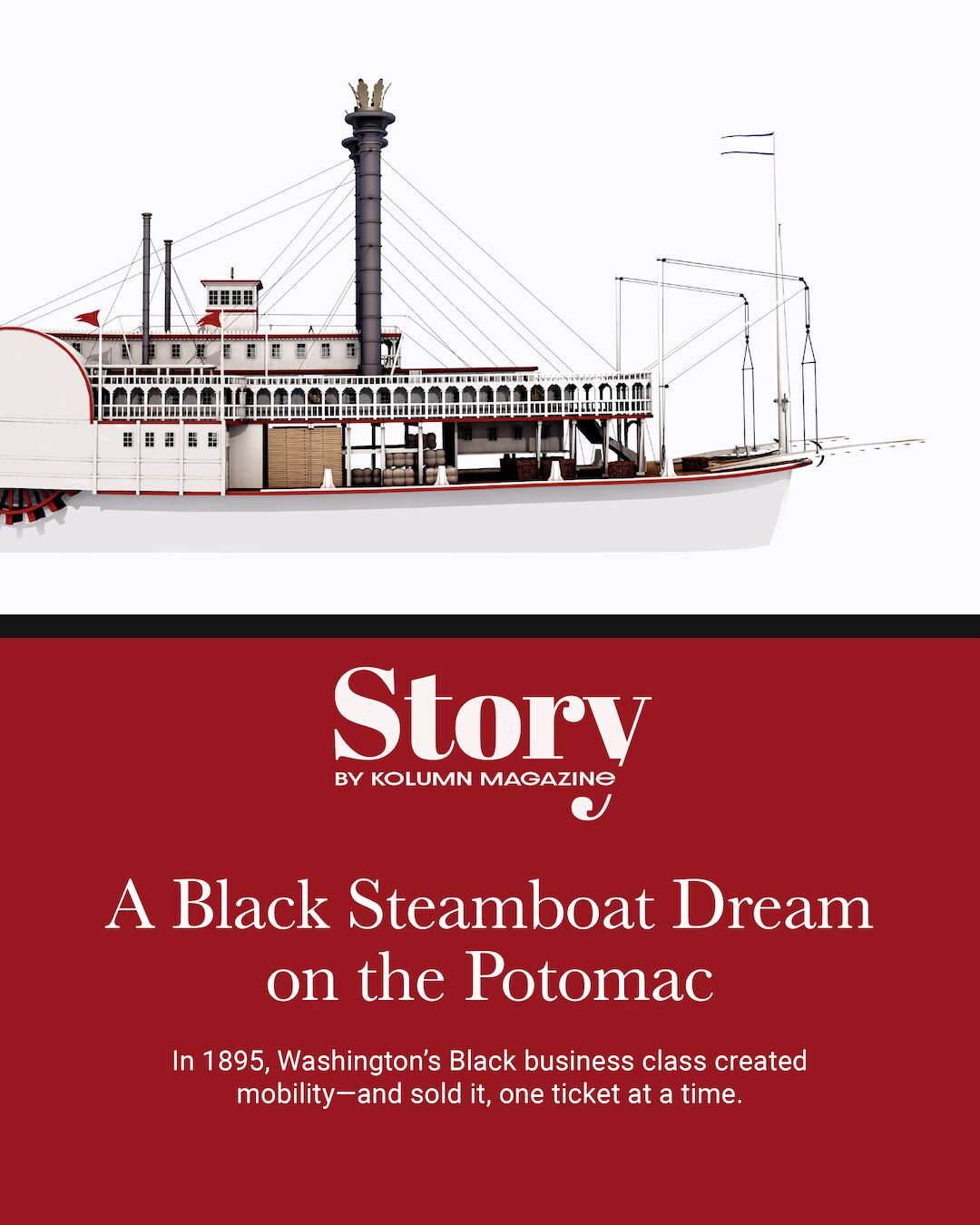
A Black Steamboat Dream on the Potomac
In 1895, Washington’s Black business class created mobility—and sold it, one ticket at a time.
The Second Reconstruction: Restoration and Aggrievement
In a country remade by grievance, a movement that calls itself “restoration” sets its sights on civil rights, public schools, and the very meaning of equal protection.
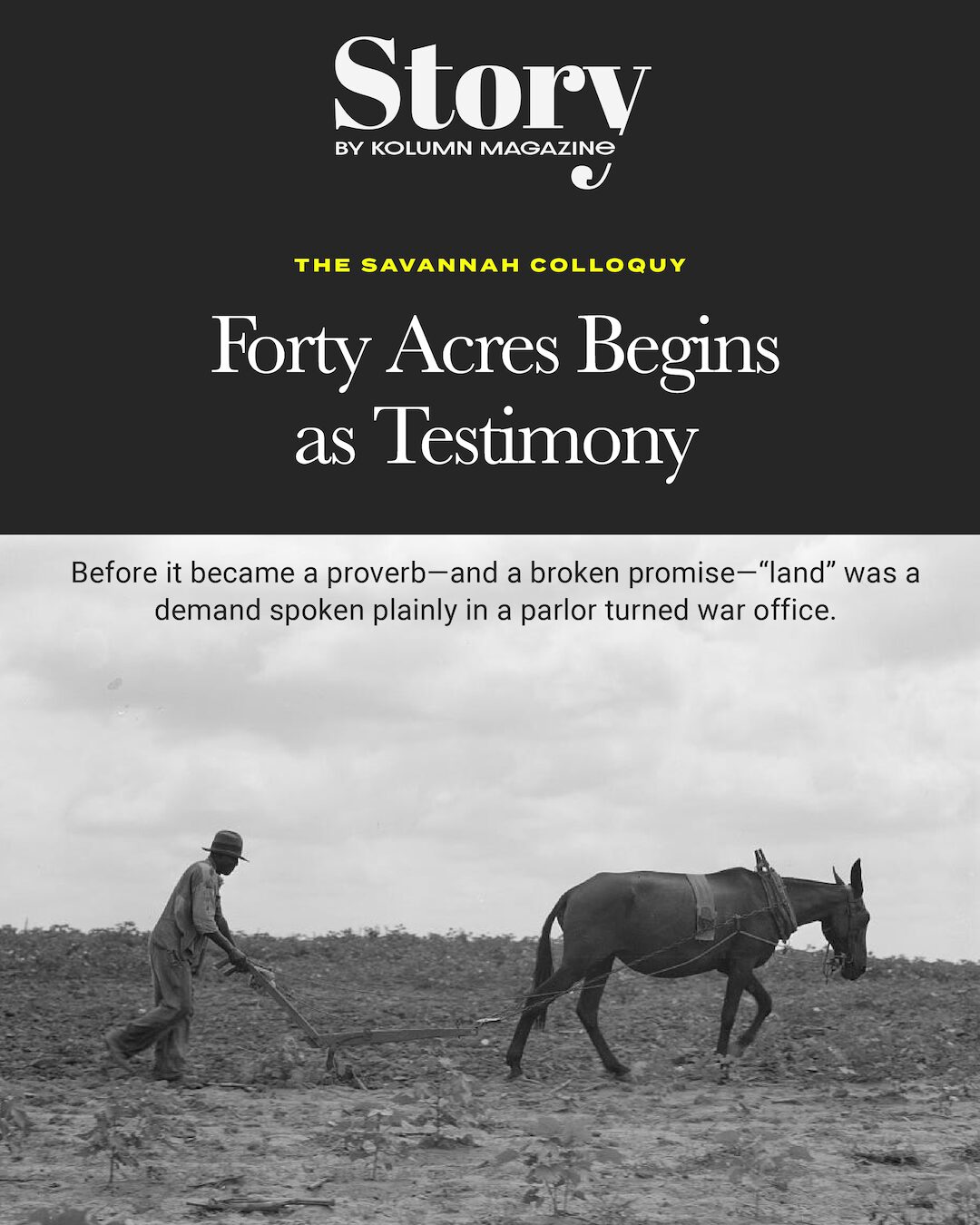
Forty Acres Begins as Testimony
Before it became a proverb—and a broken promise—“land” was a demand spoken plainly in a parlor turned war office.
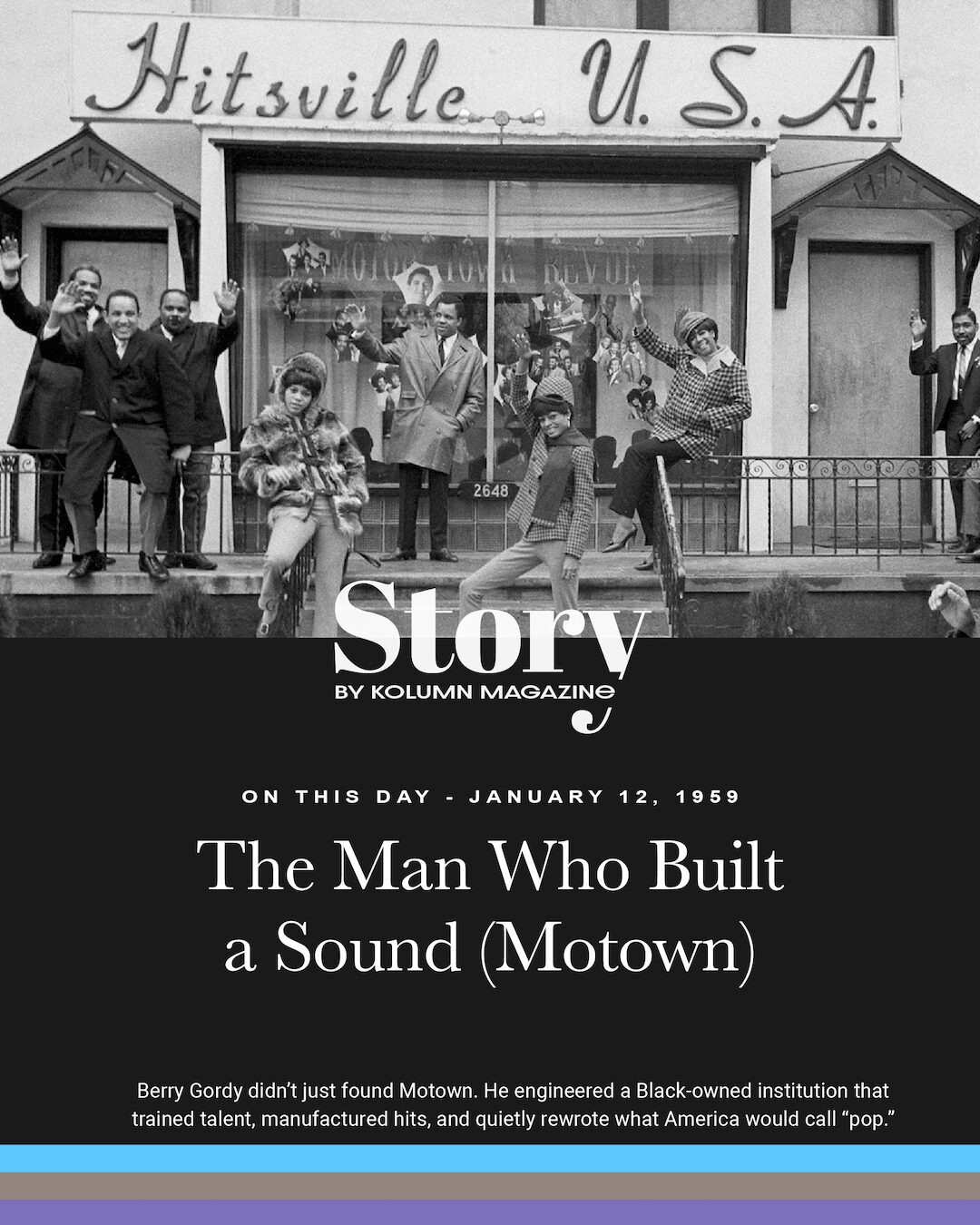
The Man Who Built a Sound
Berry Gordy didn’t just found Motown. He engineered a Black-owned institution that trained talent, manufactured hits, and quietly rewrote what America would call “pop.”
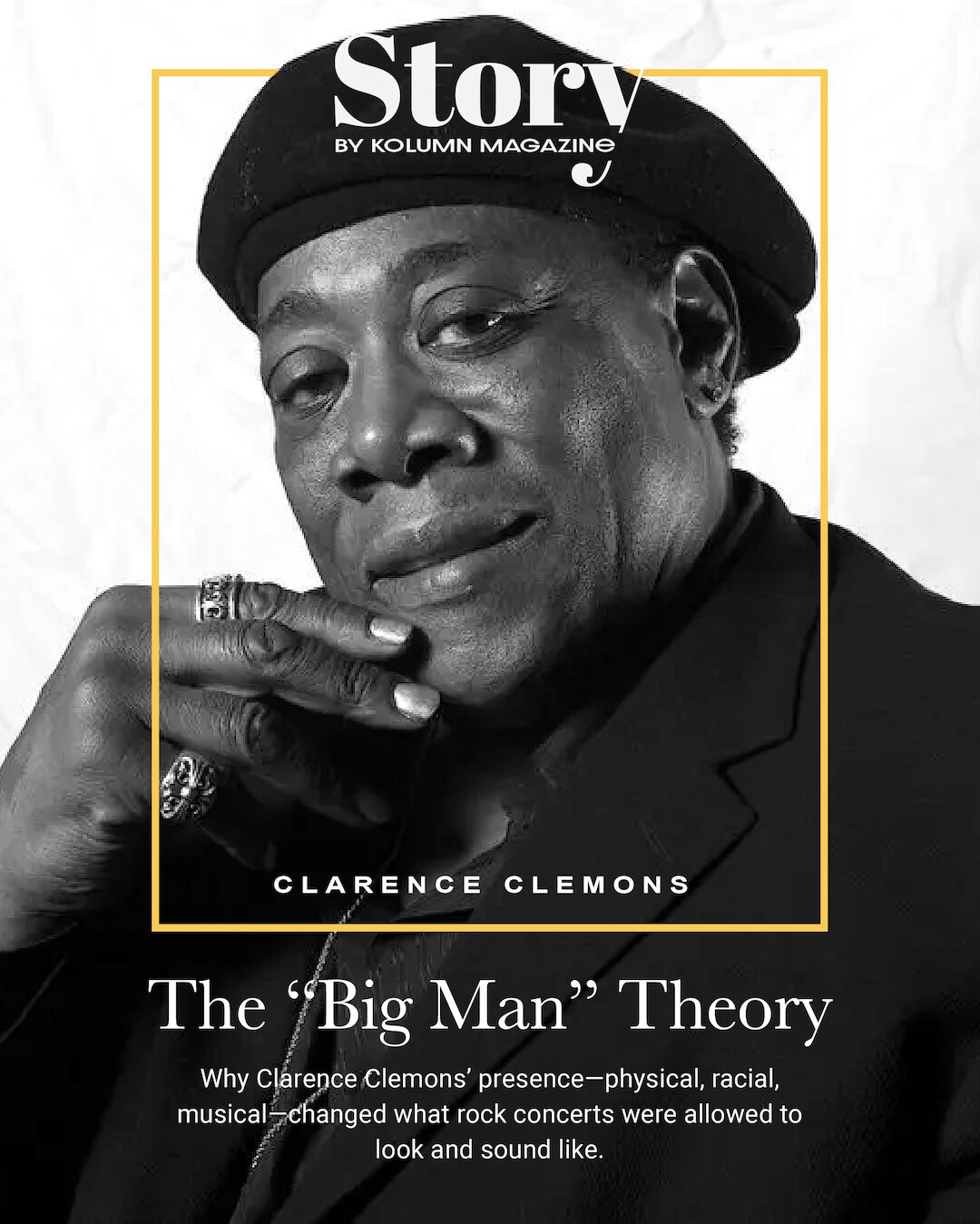
The Big Man Theory
Why Clarence Clemons’ presence—physical, racial, musical—changed what rock concerts were allowed to look and sound like.