

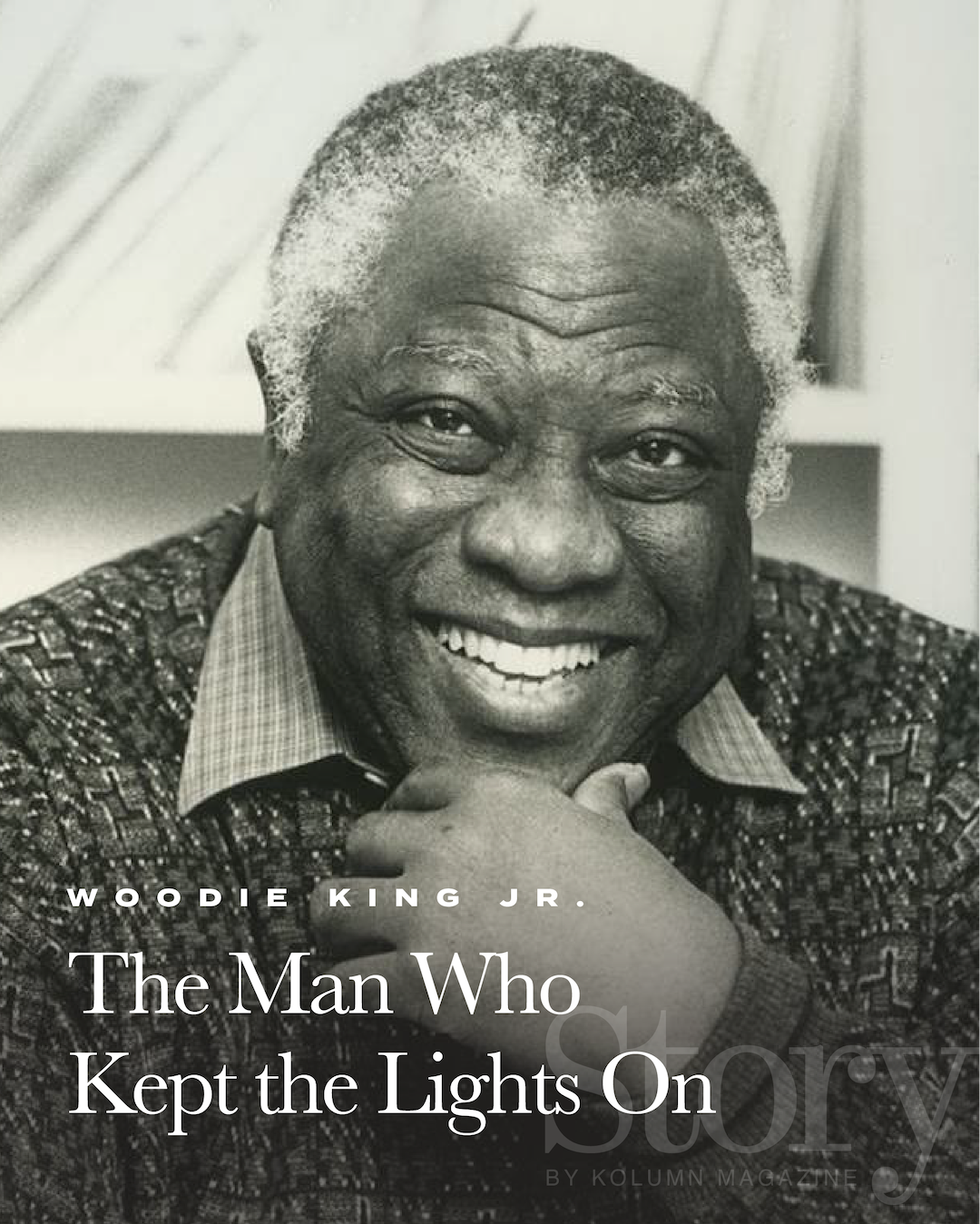
The Man Who Kept the Lights On
When American theater shut Black stories out, Woodie King Jr. built a home stage by stage—then quietly stocked it with future legends.
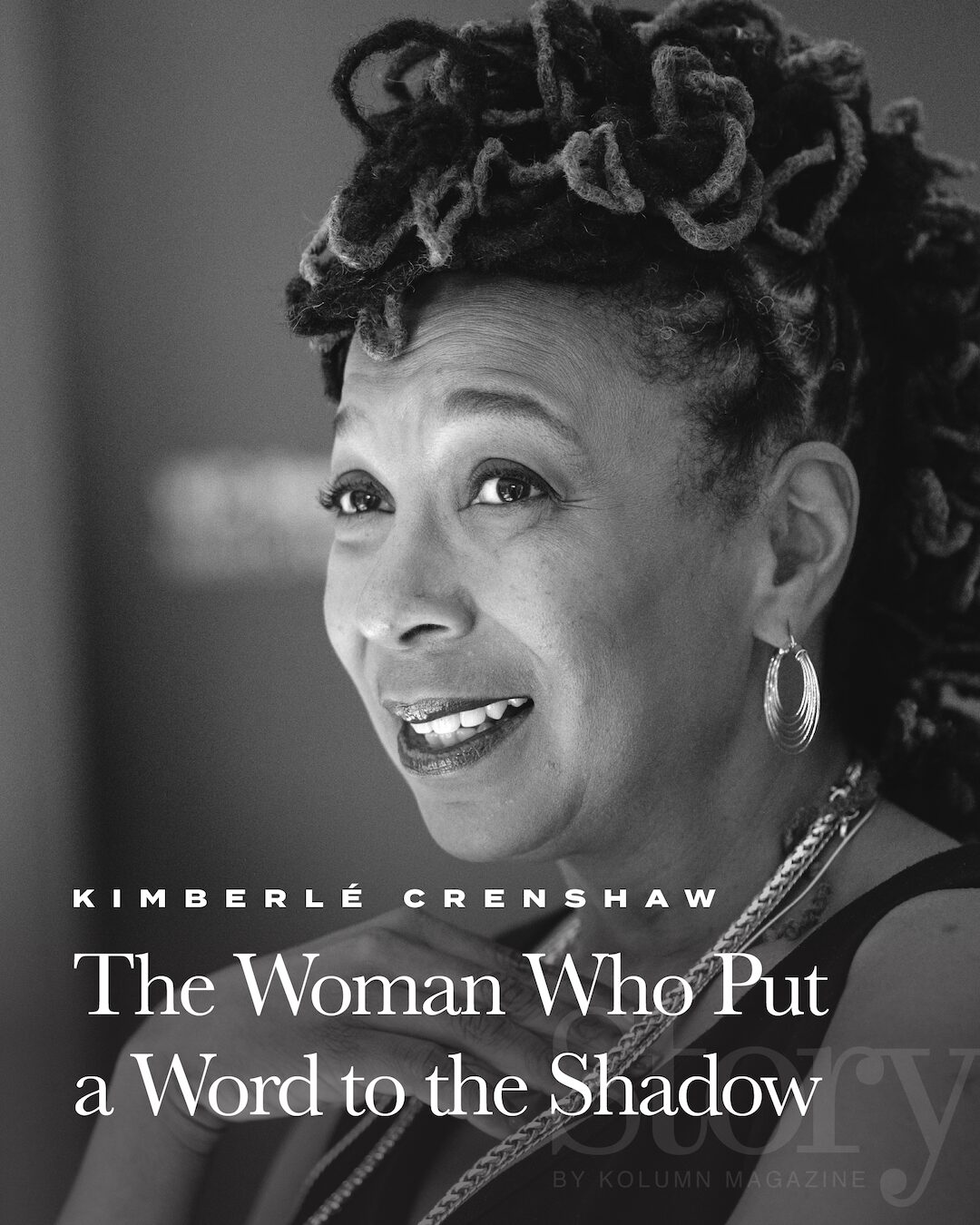
The Woman Who Put a Word to the Shadow
Kimberlé Crenshaw called it intersectionality. Then the framework escaped the law reviews, rewired activism, and became a cultural battleground—often far from its original purpo
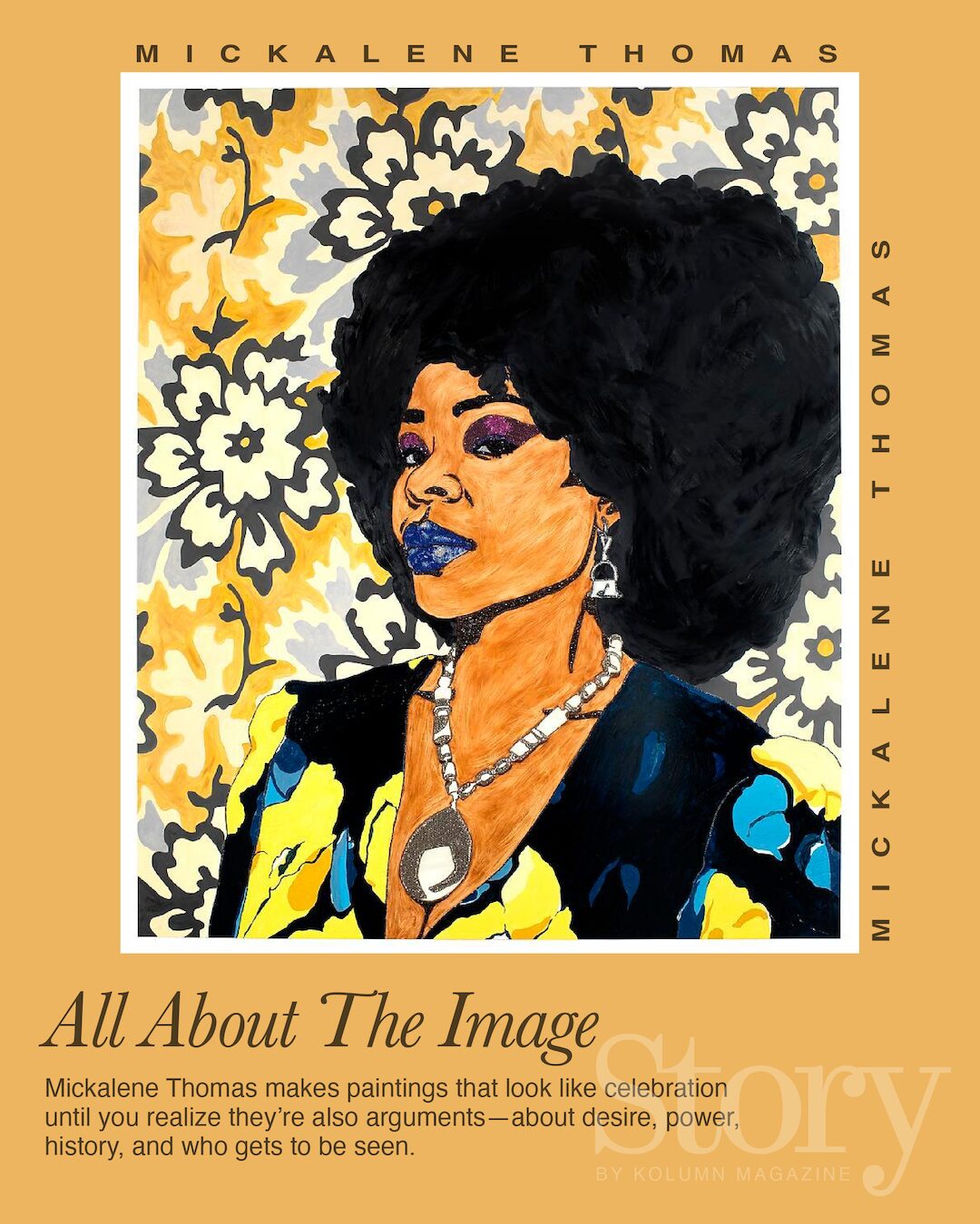
All About the Image
Mickalene Thomas makes paintings that look like celebration until you realize they’re also arguments—about desire, power, history, and who gets to be seen.
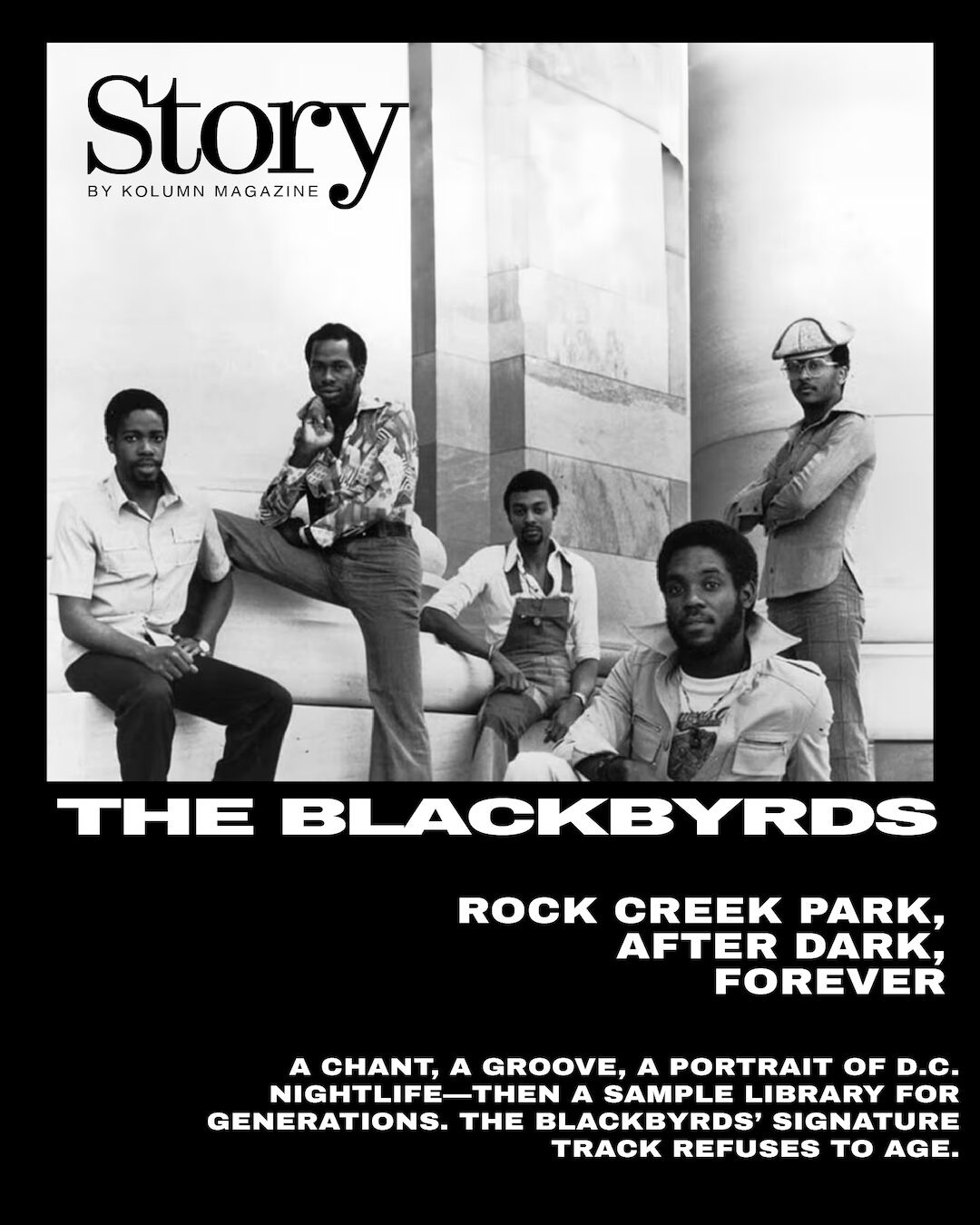
Rock Creek Park, After Dark, Forever
A chant, a groove, a portrait of D.C. nightlife—then a sample library for generations. The Blackbyrds’ signature track refuses to age.
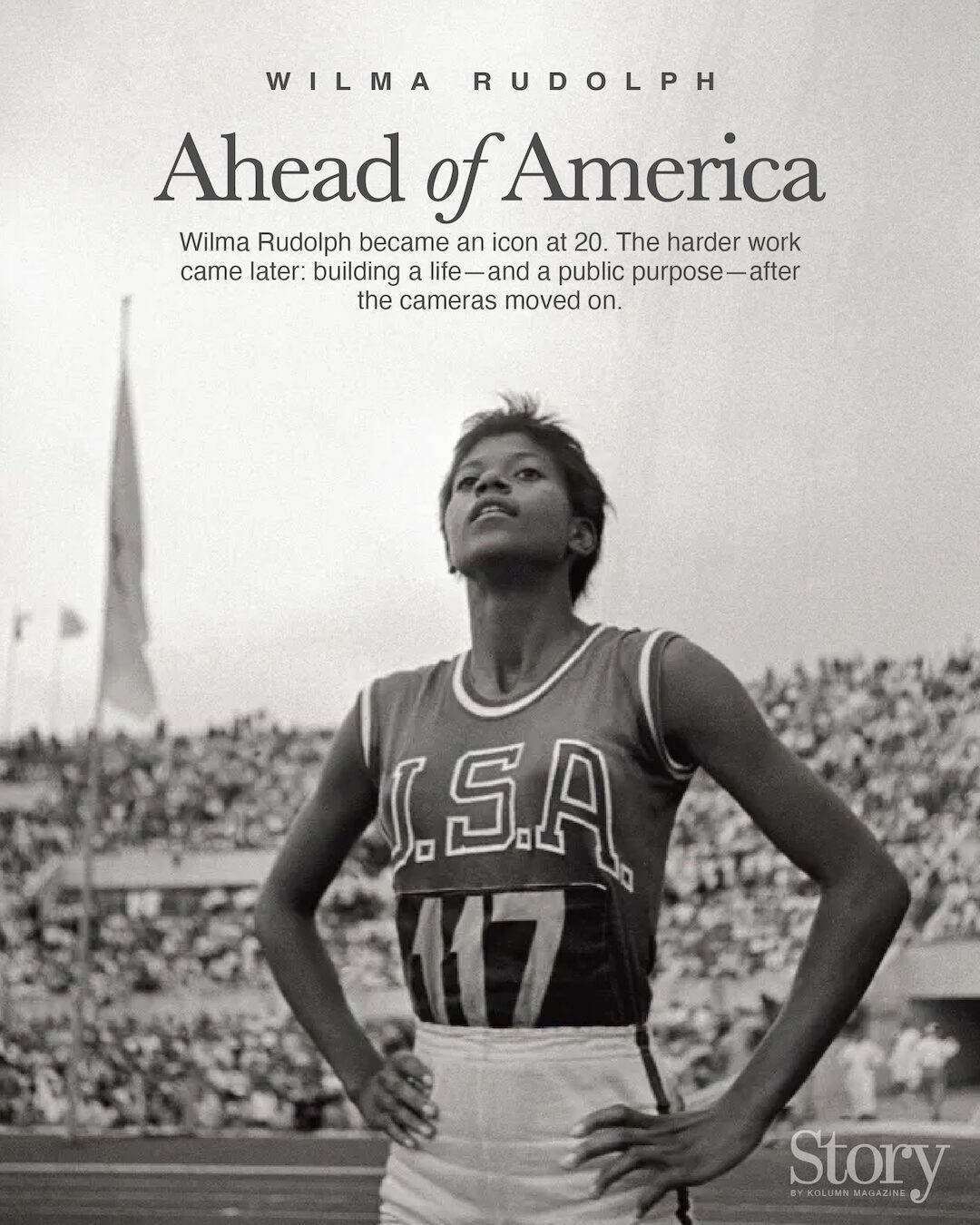
Ahead of America
Wilma Rudolph became an icon at 20. The harder work came later: building a life—and a public purpose—after the cameras moved on.
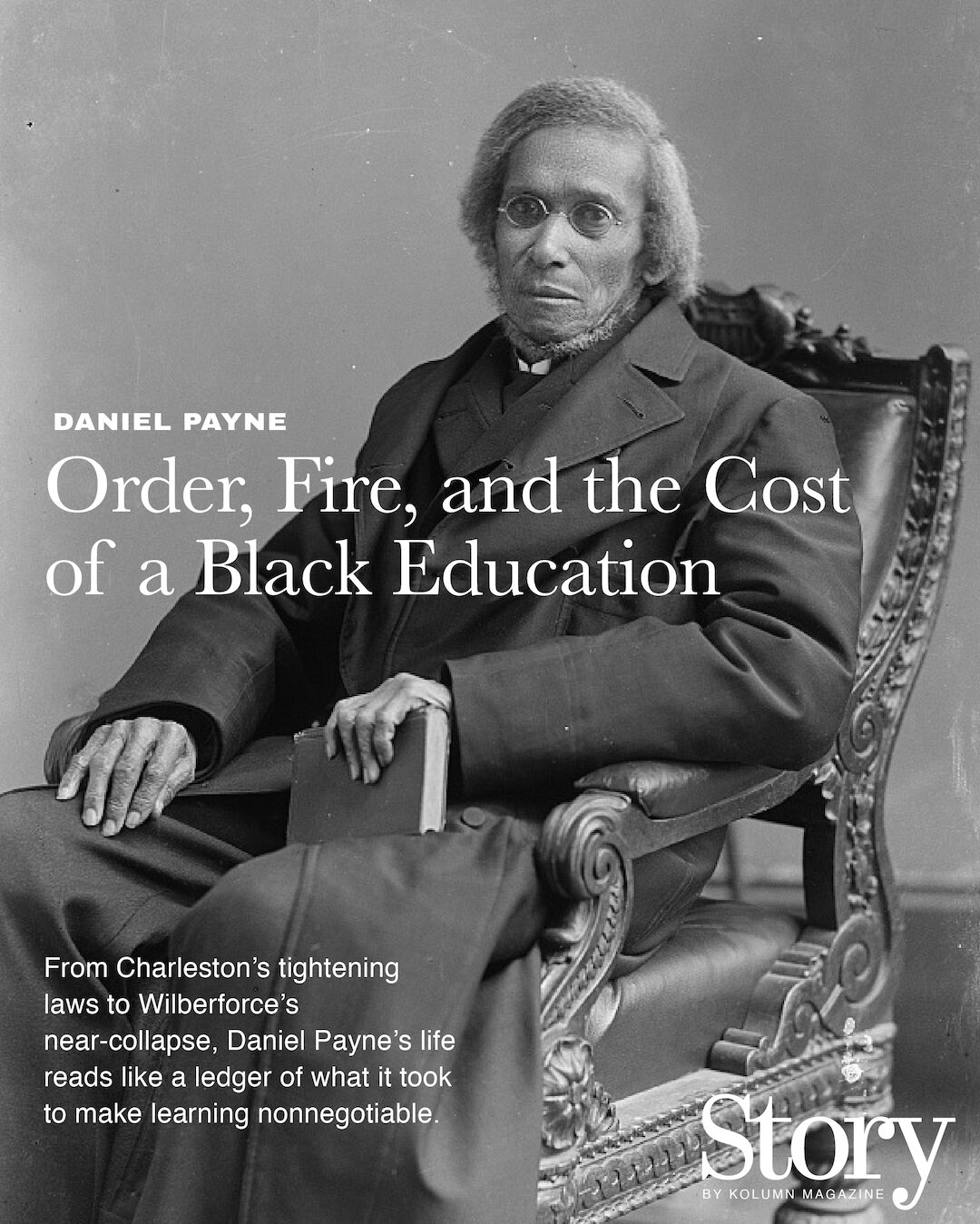
Order, Fire, and the Cost of a Black Education
From Charleston’s tightening laws to Wilberforce’s near-collapse, Daniel Payne’s life reads like a ledger of what it took to make learning nonnegotiable.
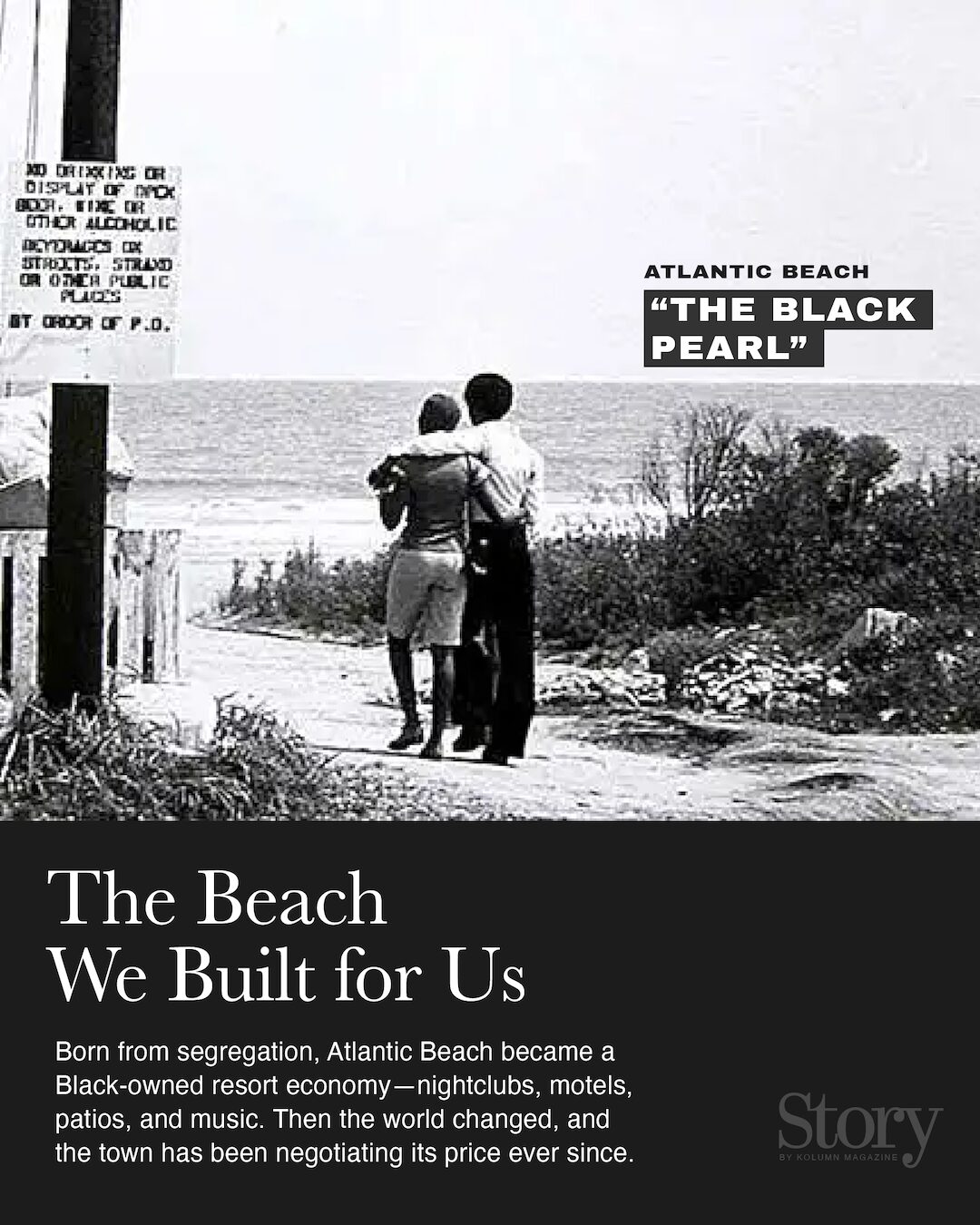
The Beach They Built for Us
Born from segregation, Atlantic Beach became a Black-owned resort economy—nightclubs, motels, patios, and music. Then the world changed, and the town has been negotiating its pri
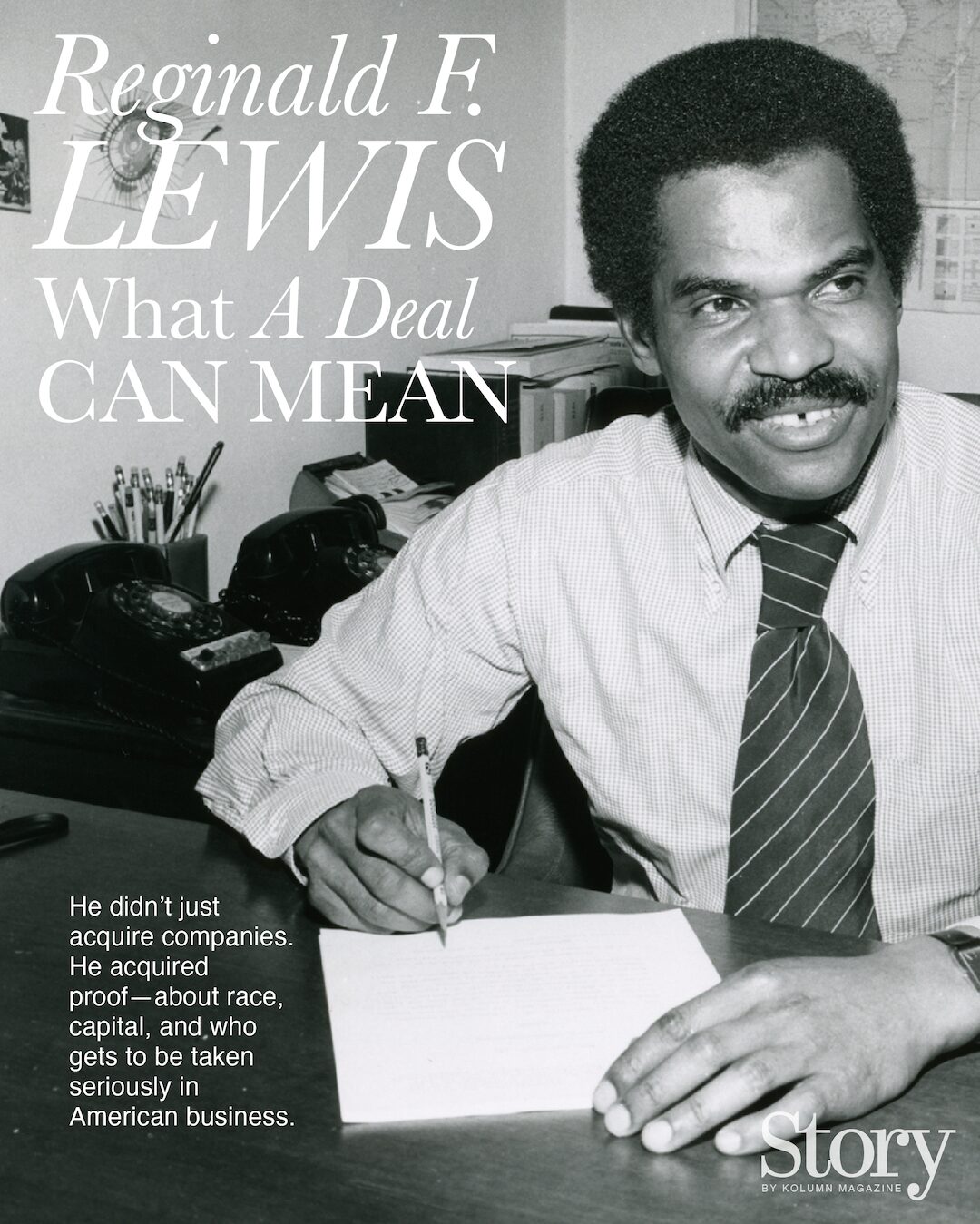
What A Deal Can Mean
He didn’t just acquire companies. He acquired proof—about race, capital, and who gets to be taken seriously in American business.
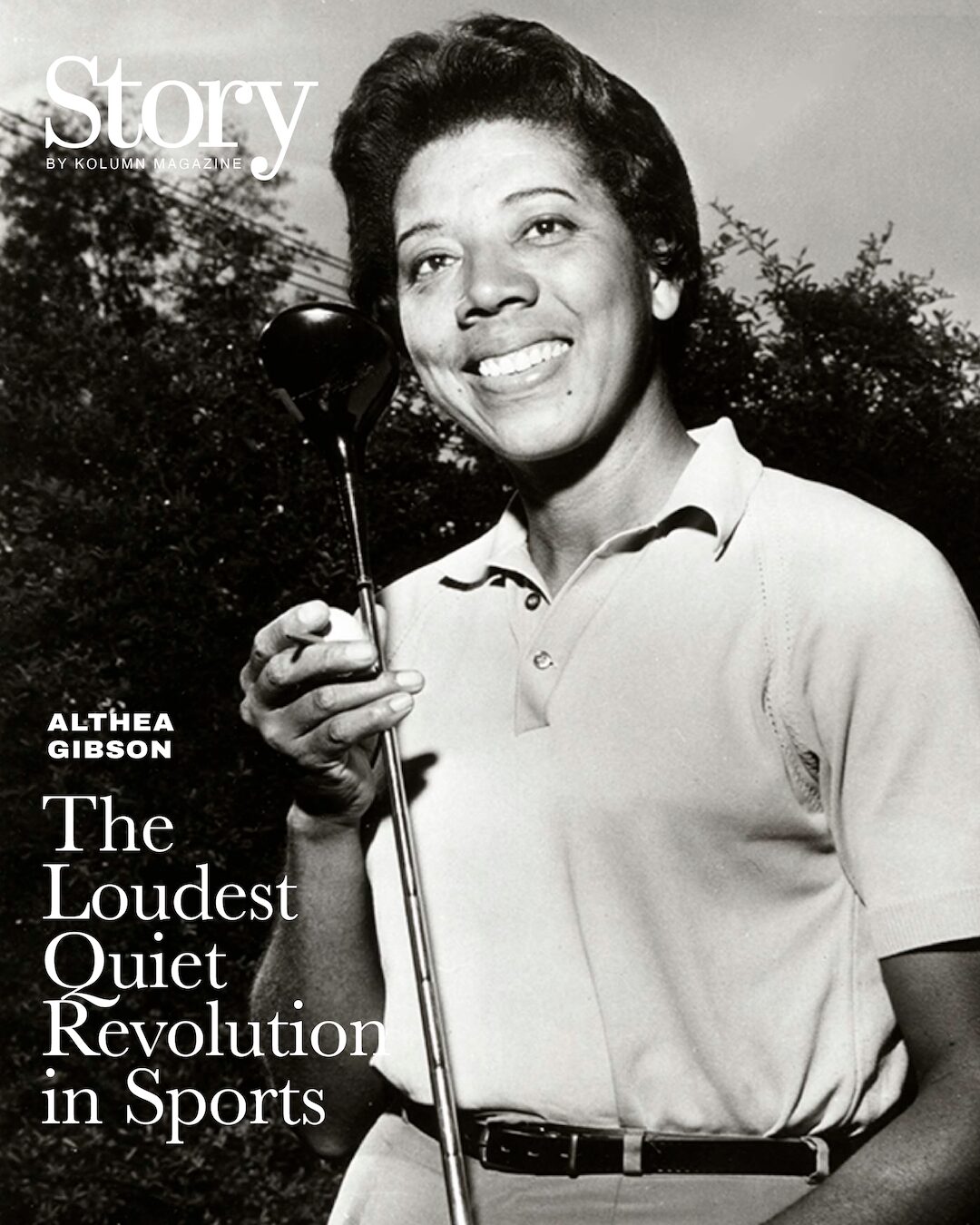
The Loudest Quiet Revolution in Sports
Gibson didn’t march under a banner. She hit through it—powerfully, precisely, and at a personal cost the record books rarely tally.
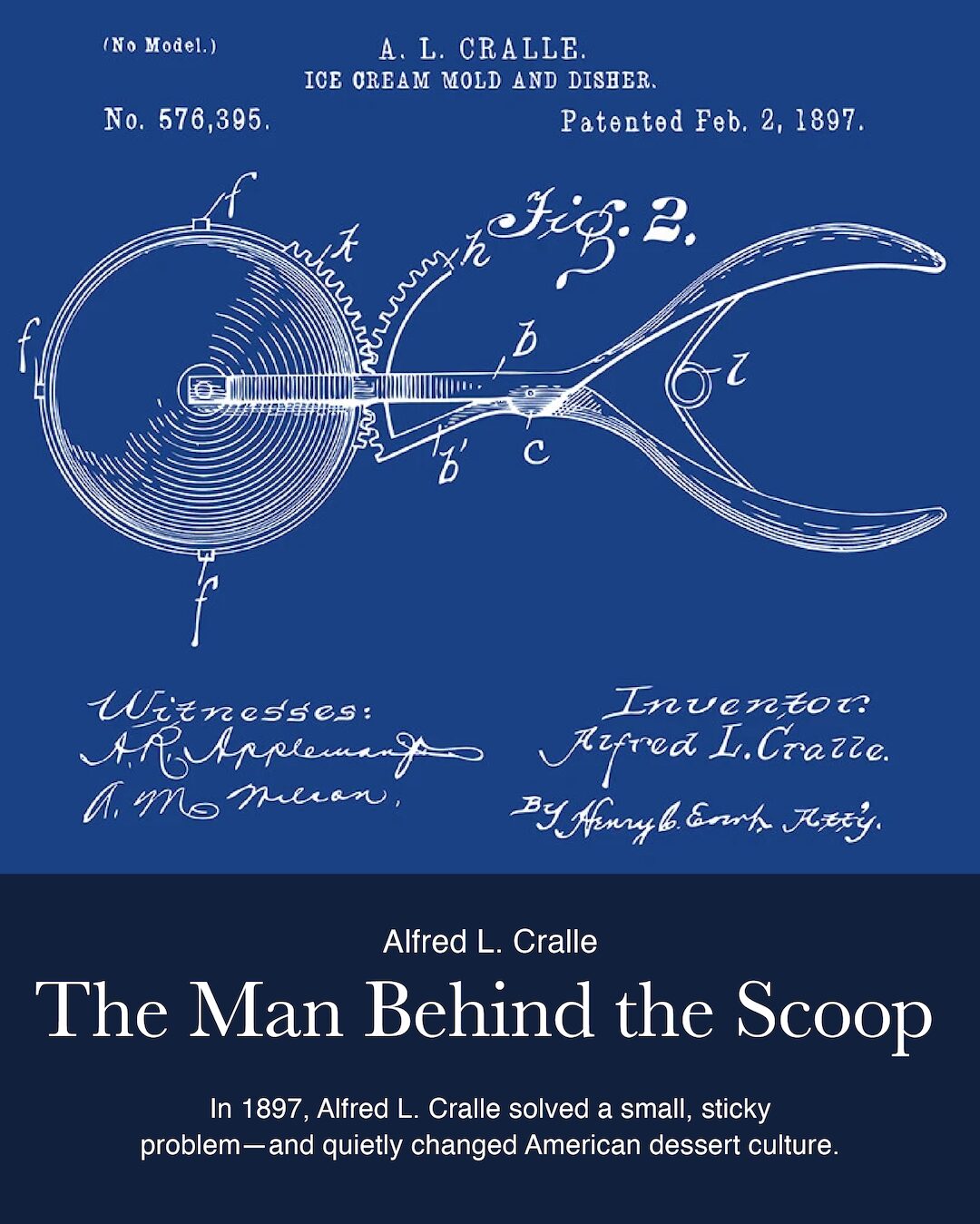
The Man Behind the Scoop
In 1897, Alfred L. Cralle solved a small, sticky problem—and quietly changed American dessert culture.