

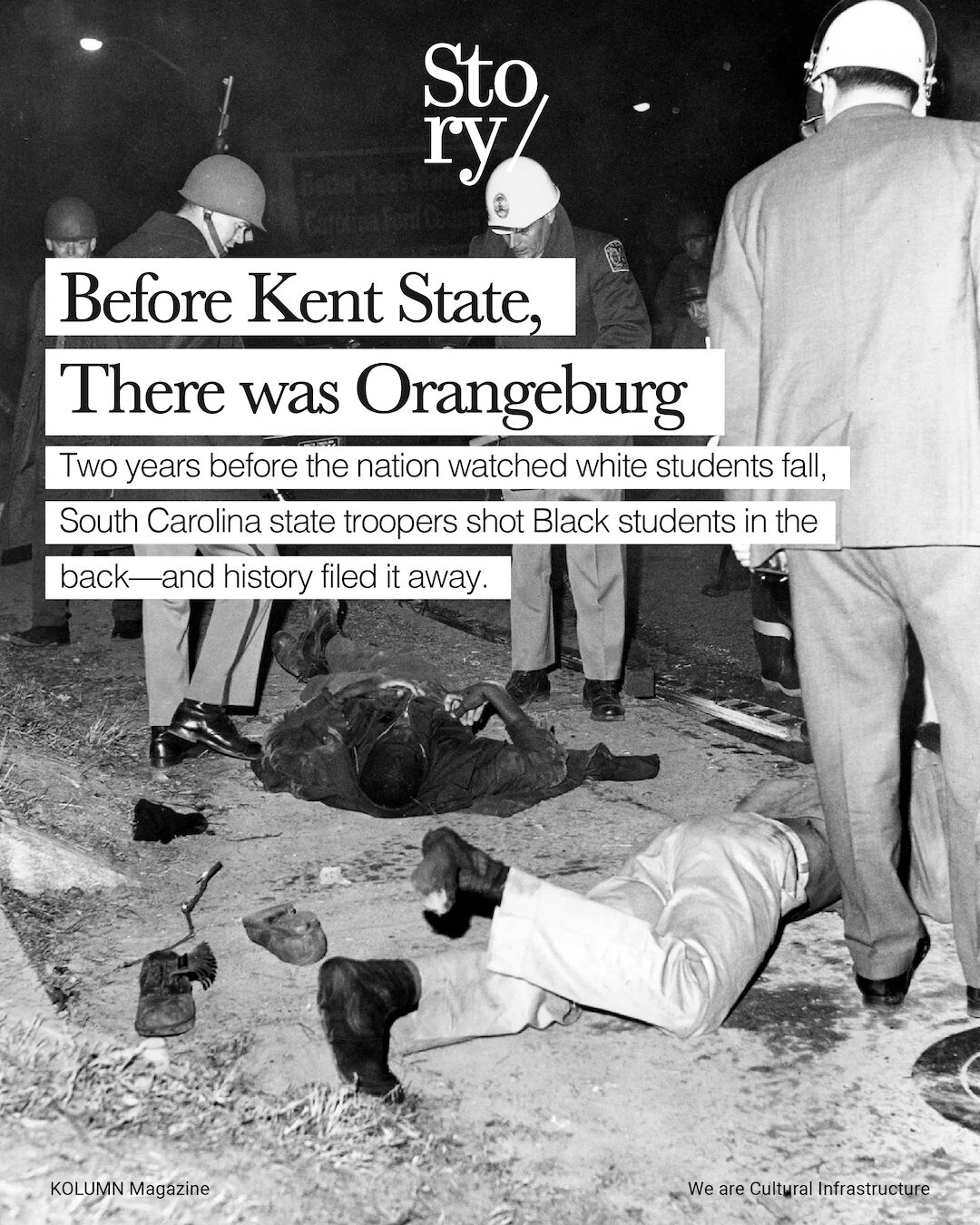
Before Kent State, There Was Orangeburg
Two years before the nation watched white students fall, South Carolina state troopers shot Black students in the back—and history filed it away.
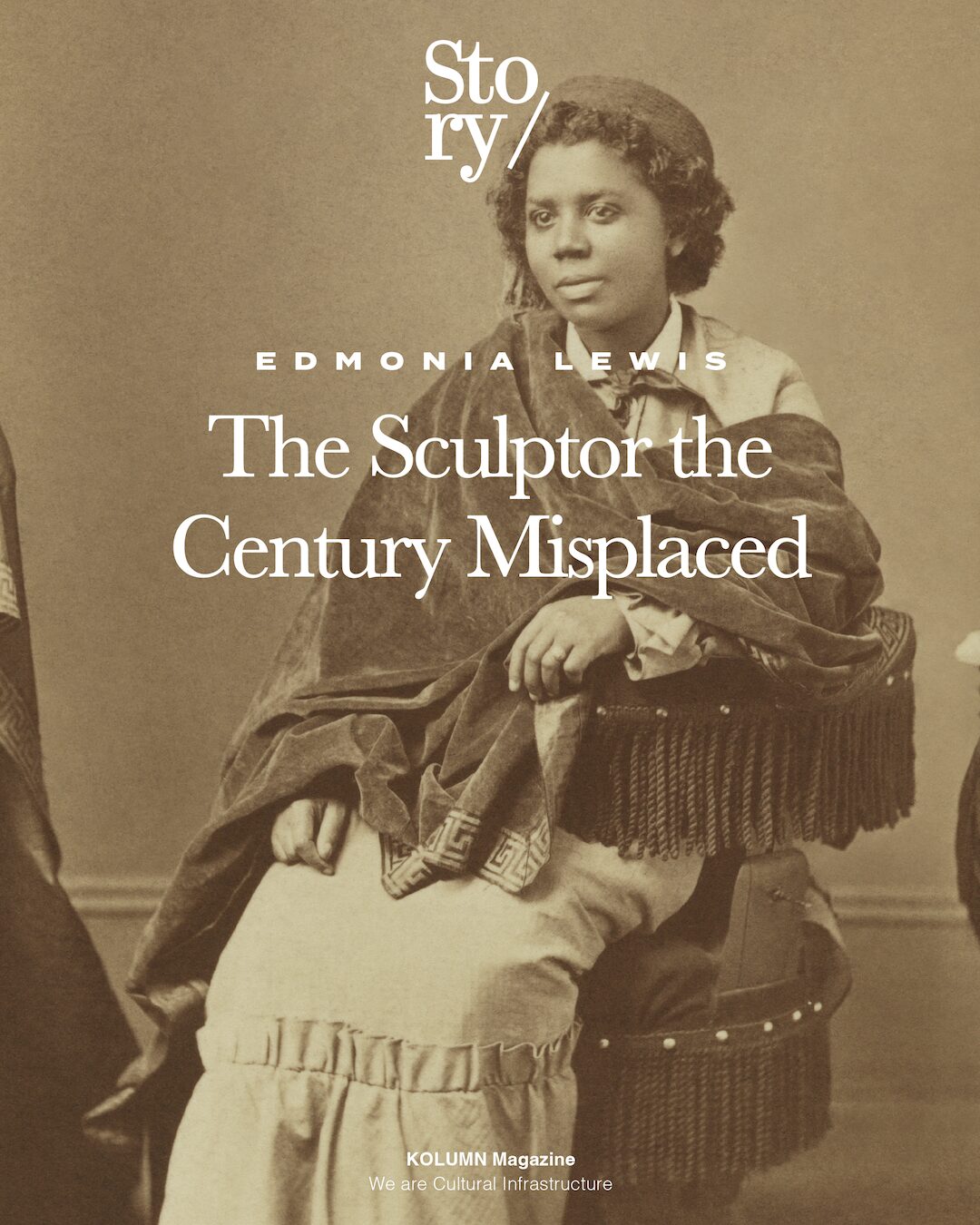
Edmonia Lewis: The Sculptor the Century Misplaced
Edmonia Lewis crossed borders to make work the nation wasn’t ready to see, then slipped into a long, telling silence.
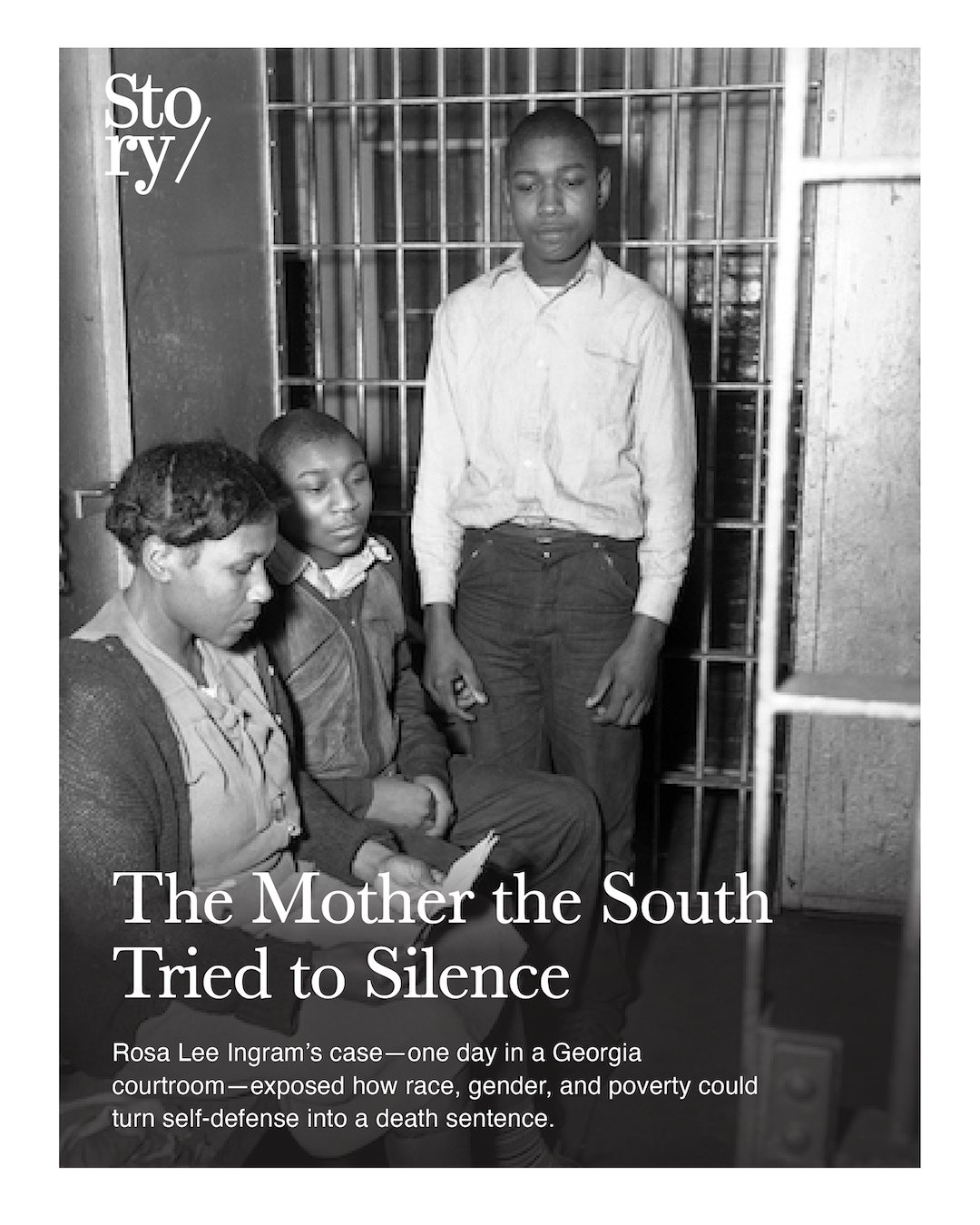
The Mother the South Tried to Silence
Rosa Lee Ingram’s case—one day in a Georgia courtroom—exposed how race, gender, and poverty could turn self-defense into a death sentence.
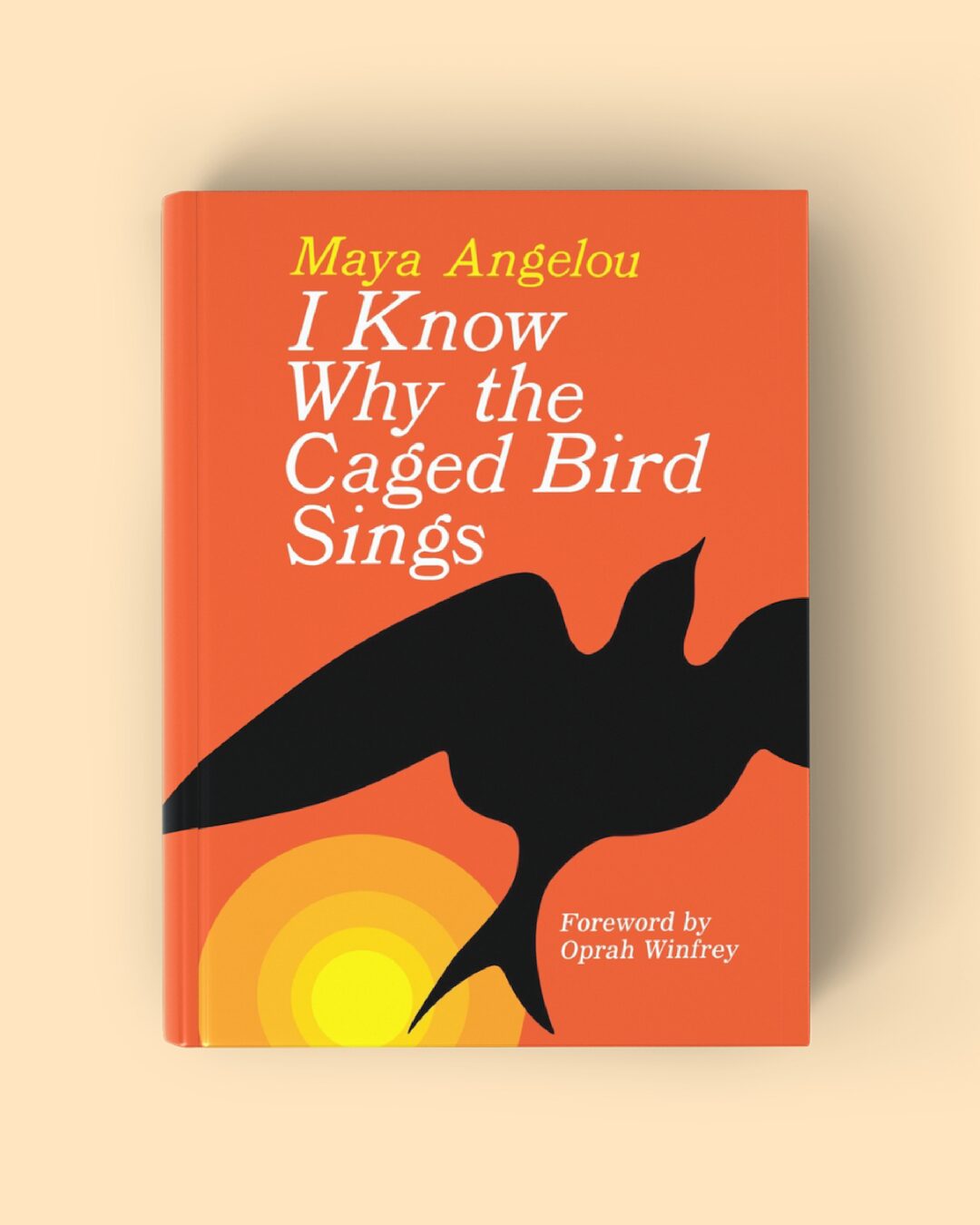
The Most Dangerous Thing in the Book Is the Truth
Angelou’s landmark memoir has been celebrated as a modern classic and targeted as “too much” for decades—evidence of its power, and of the country’s unresolved fight over
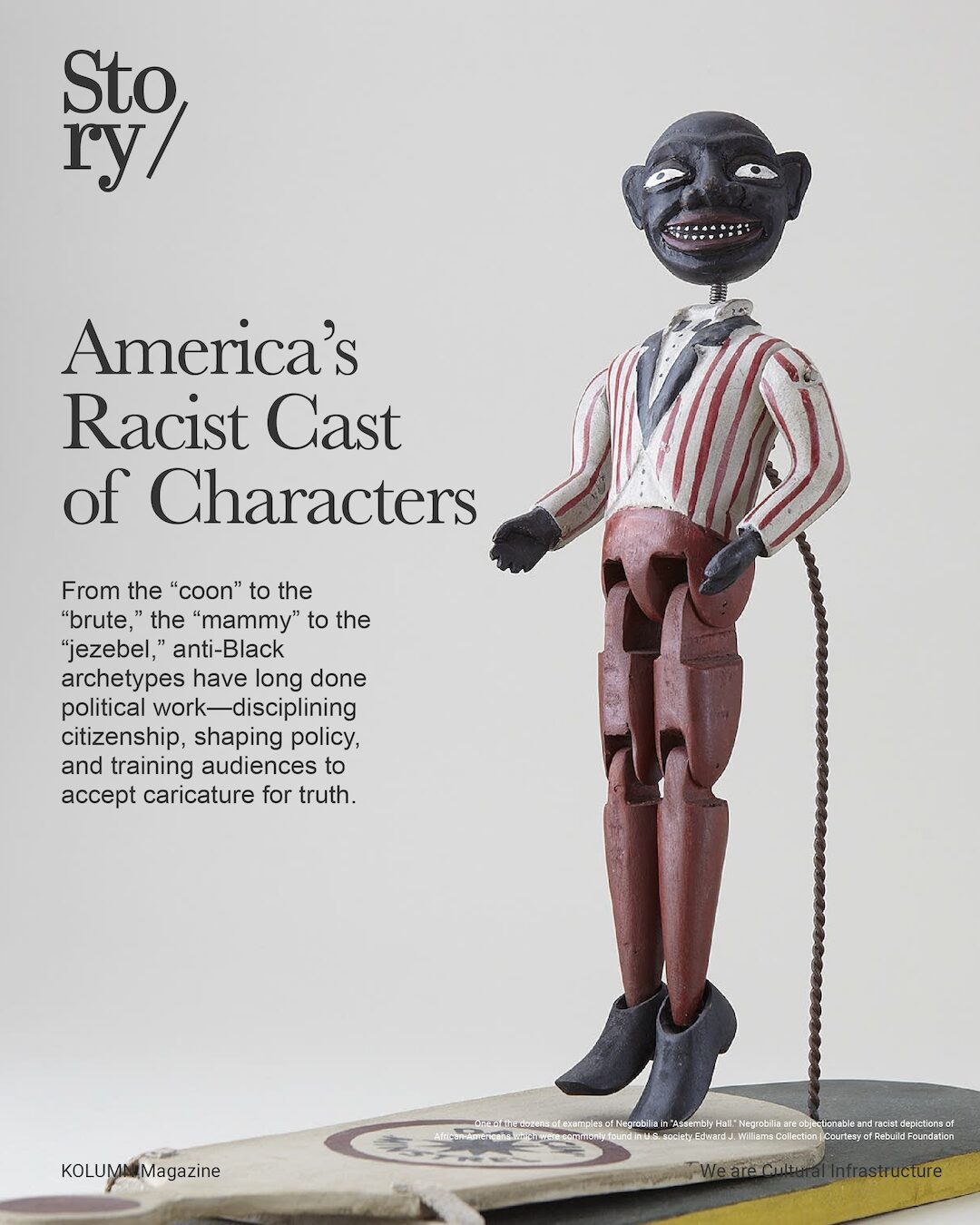
America’s Racist Cast of Characters
From the “coon” to the “brute,” the “mammy” to the “jezebel,” anti-Black archetypes have long done political work—disciplining citizenship, shaping policy, and tr
The Immigration Poverty Test
A century after Congress tried to screen the “unfit” out of America, the Trump administration is reviving an old idea in modern language: that migrants from poorer nations are,
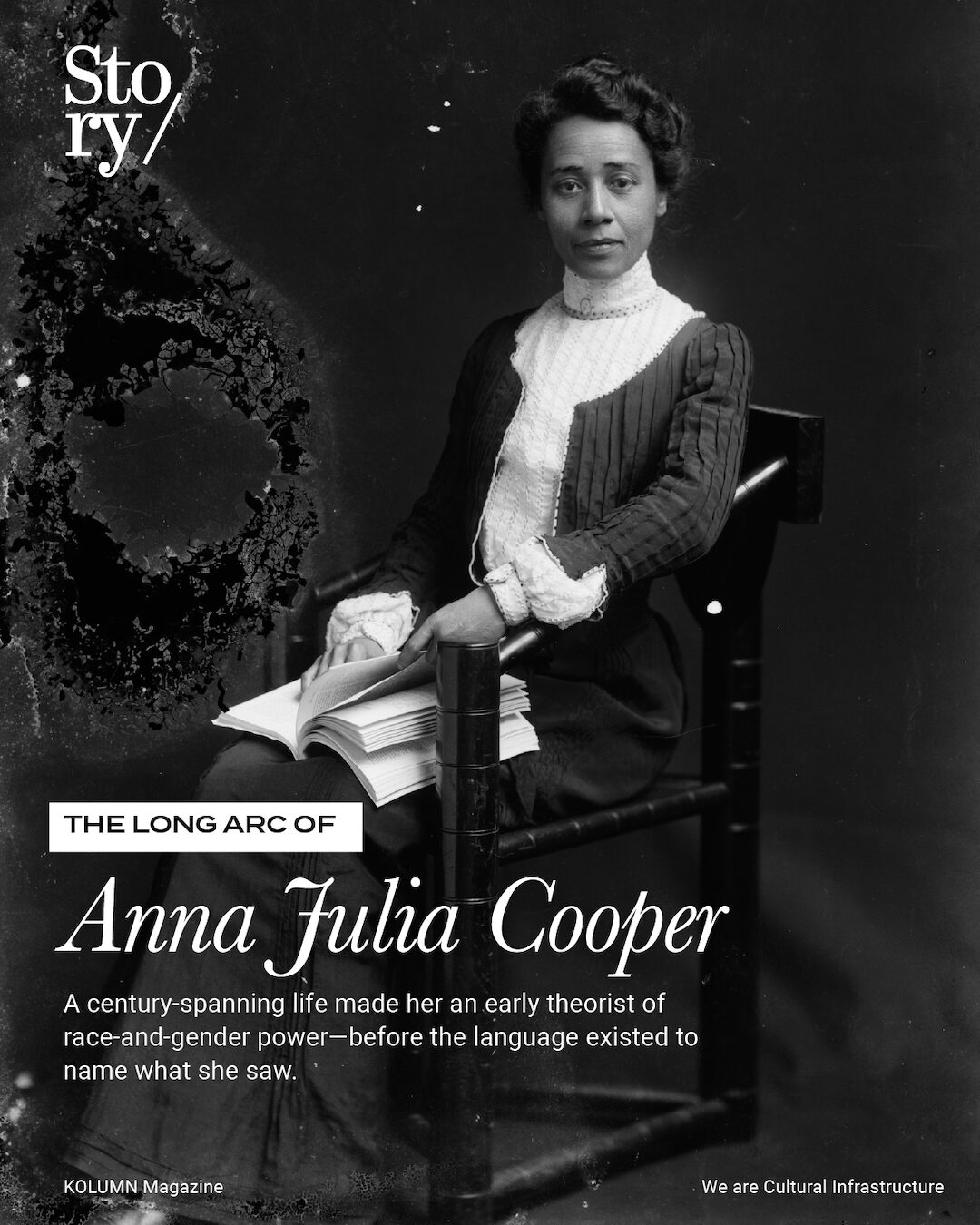
The Long Arc of Anna Julia Cooper
A century-spanning life made her an early theorist of race-and-gender power—before the language existed to name what she saw.
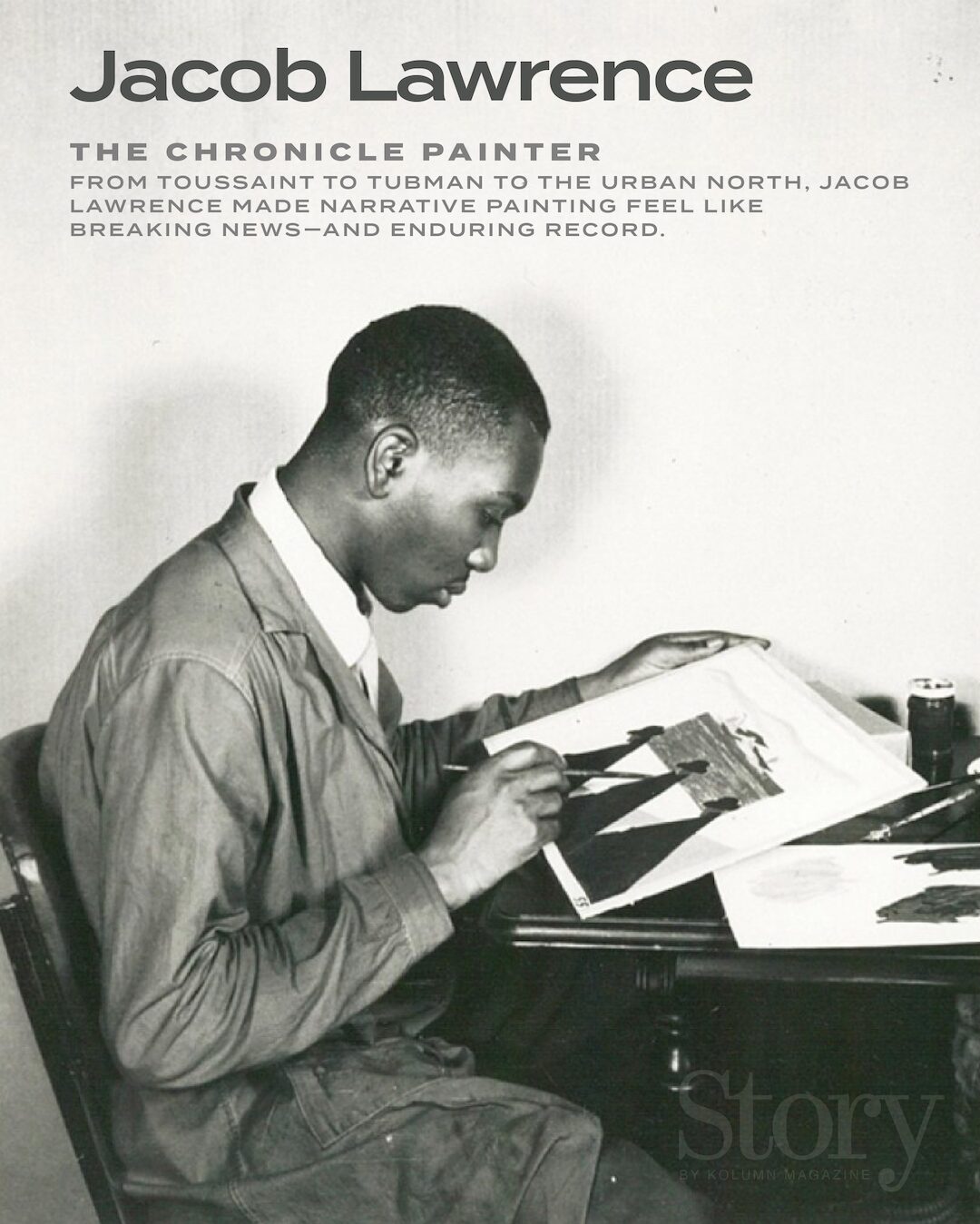
Jacob Lawrence: The Chronicle Painter
From Toussaint to Tubman to the urban North, Jacob Lawrence made narrative painting feel like breaking news—and enduring record.
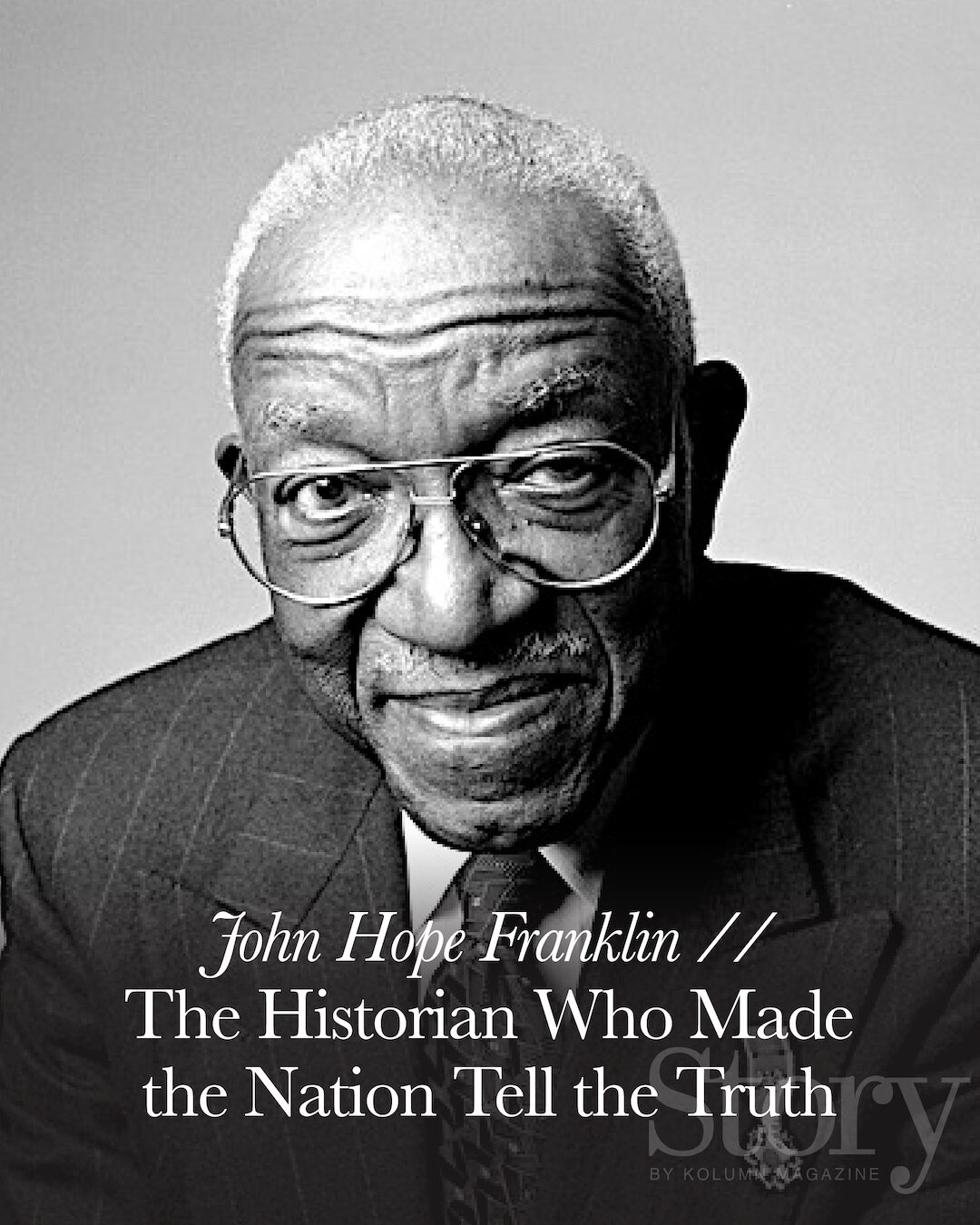
The Historian Who Made the Nation Tell the Truth
From Tulsa to Harvard to the White House, John Hope Franklin argued that honesty was a civic obligation.
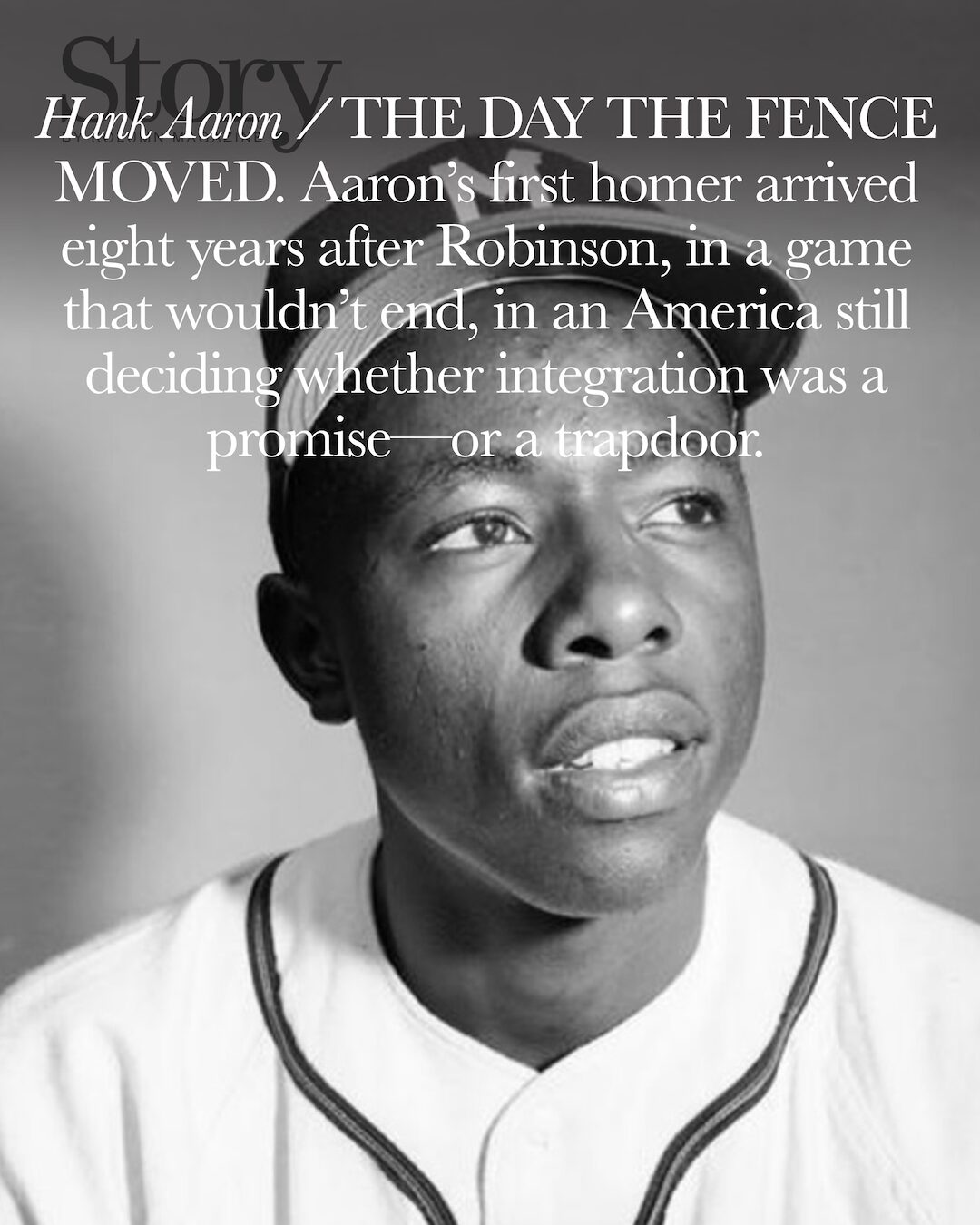
Hank Aaron: The Day the Fence Moved
Aaron’s first homer arrived eight years after Robinson, in a game that wouldn’t end, in an America still deciding whether integration was a promise—or a trapdoor.