

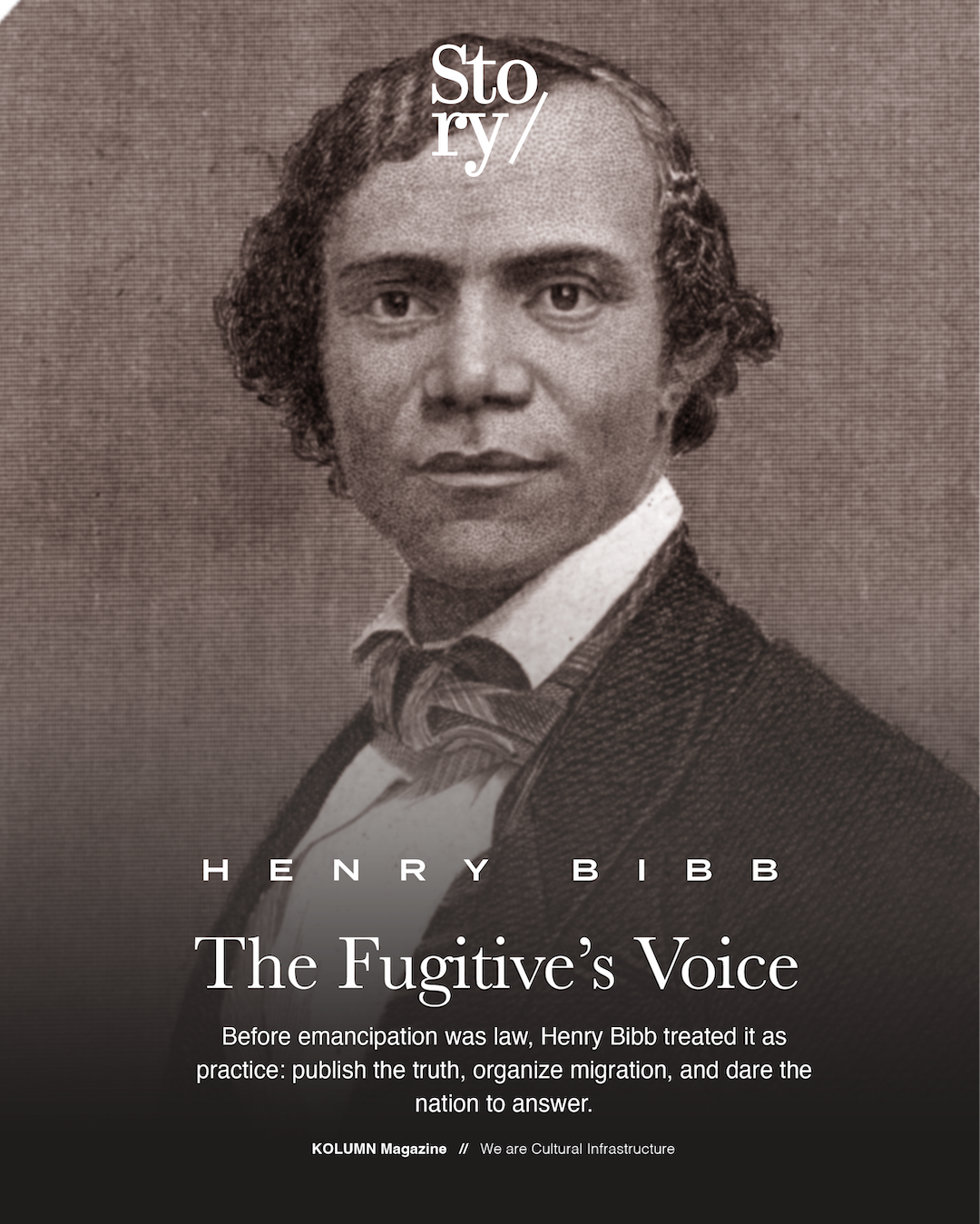
The Fugitive’s Voice
Before emancipation was law, Henry Bibb treated it as practice: publish the truth, organize migration, and dare the nation to answer.
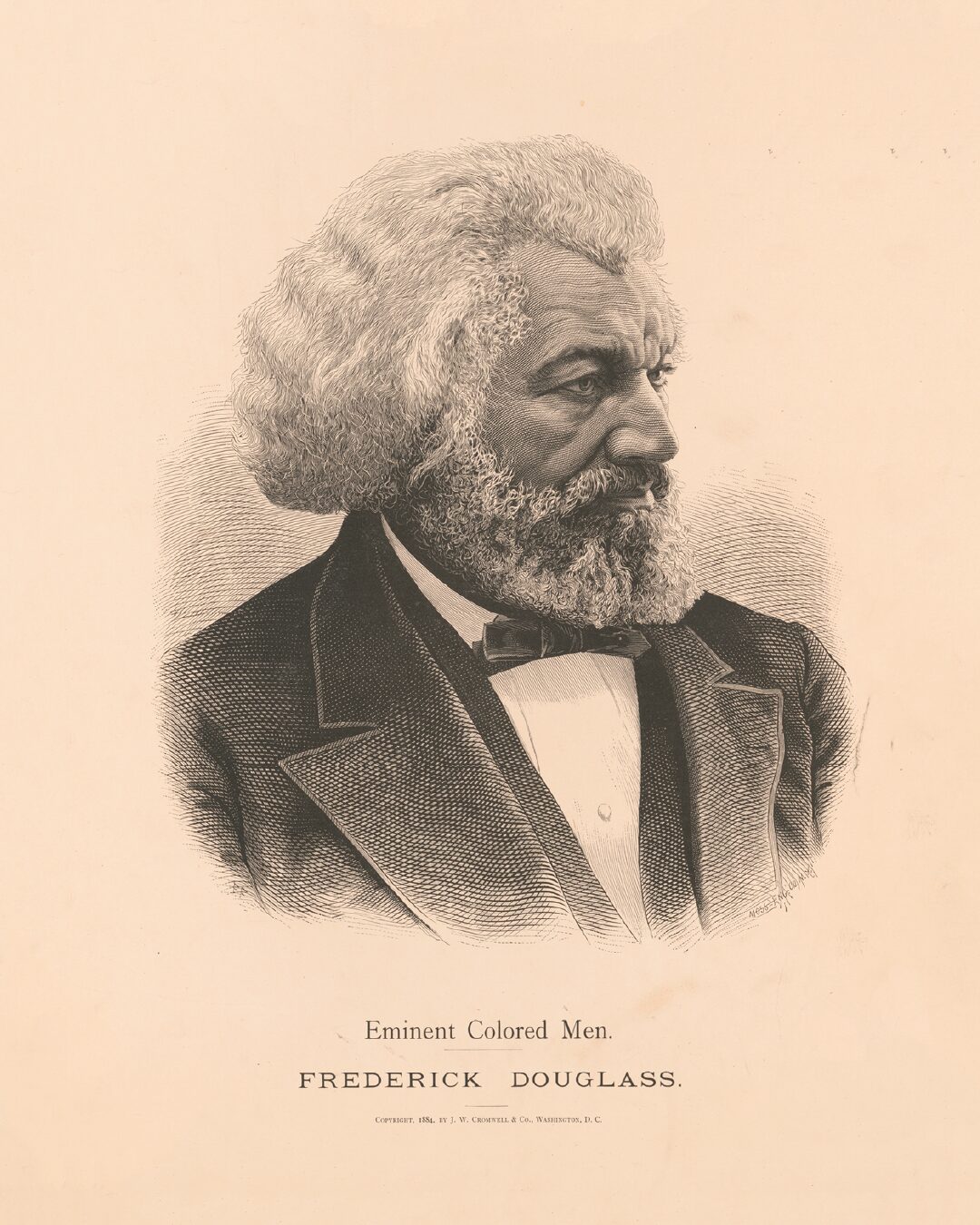
The Eminent Colored Men
The “Eminent Colored Men” series made portraiture portable at the very moment Reconstruction’s promises were being dismantled—and used new industrial imaging to argue for o
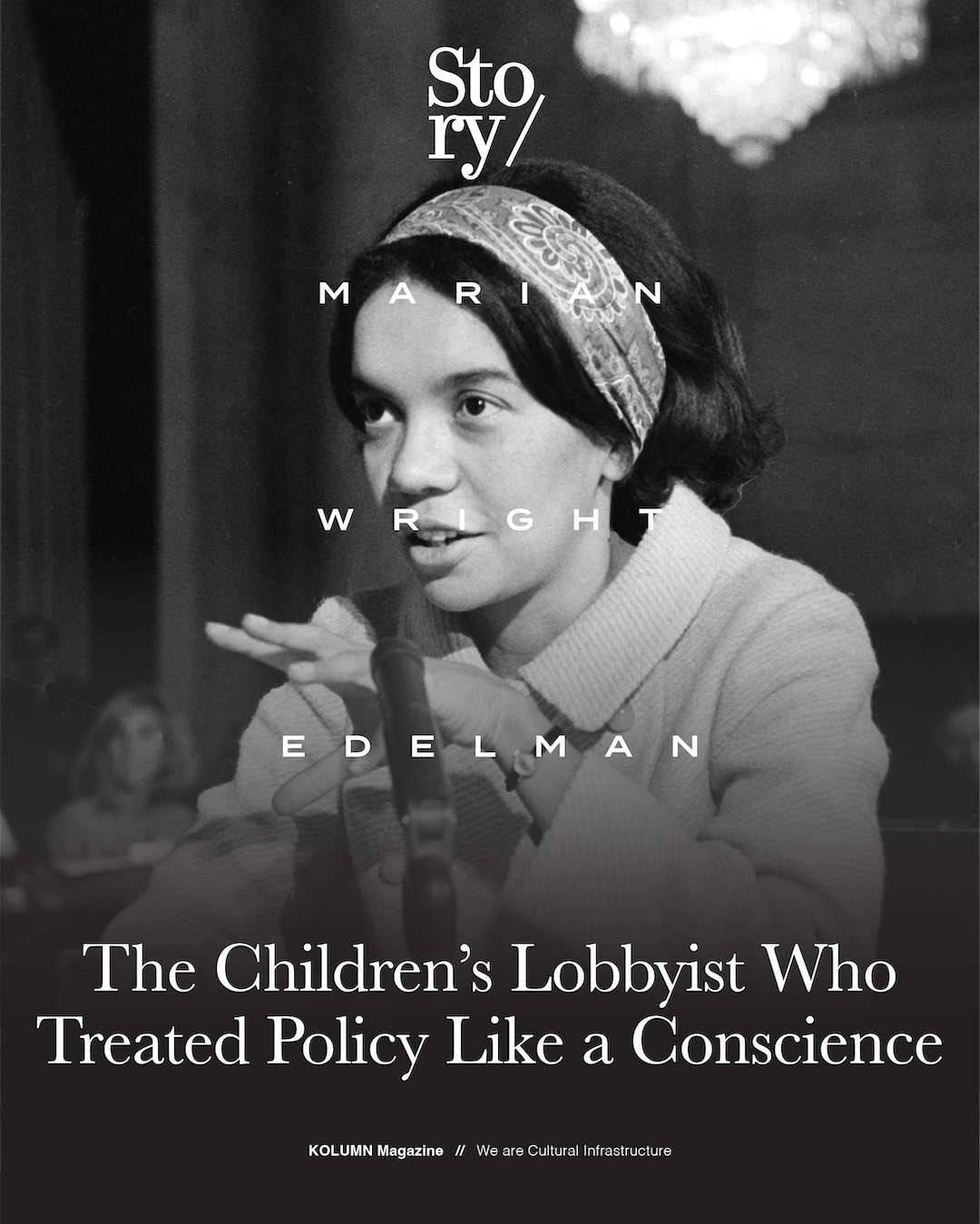
The Children’s Lobbyist Who Treated Policy Like a Conscience
Edelman built the Children’s Defense Fund into a national instrument of pressure—part research shop, part pulpit, part courtroom memory of the movement that formed her.
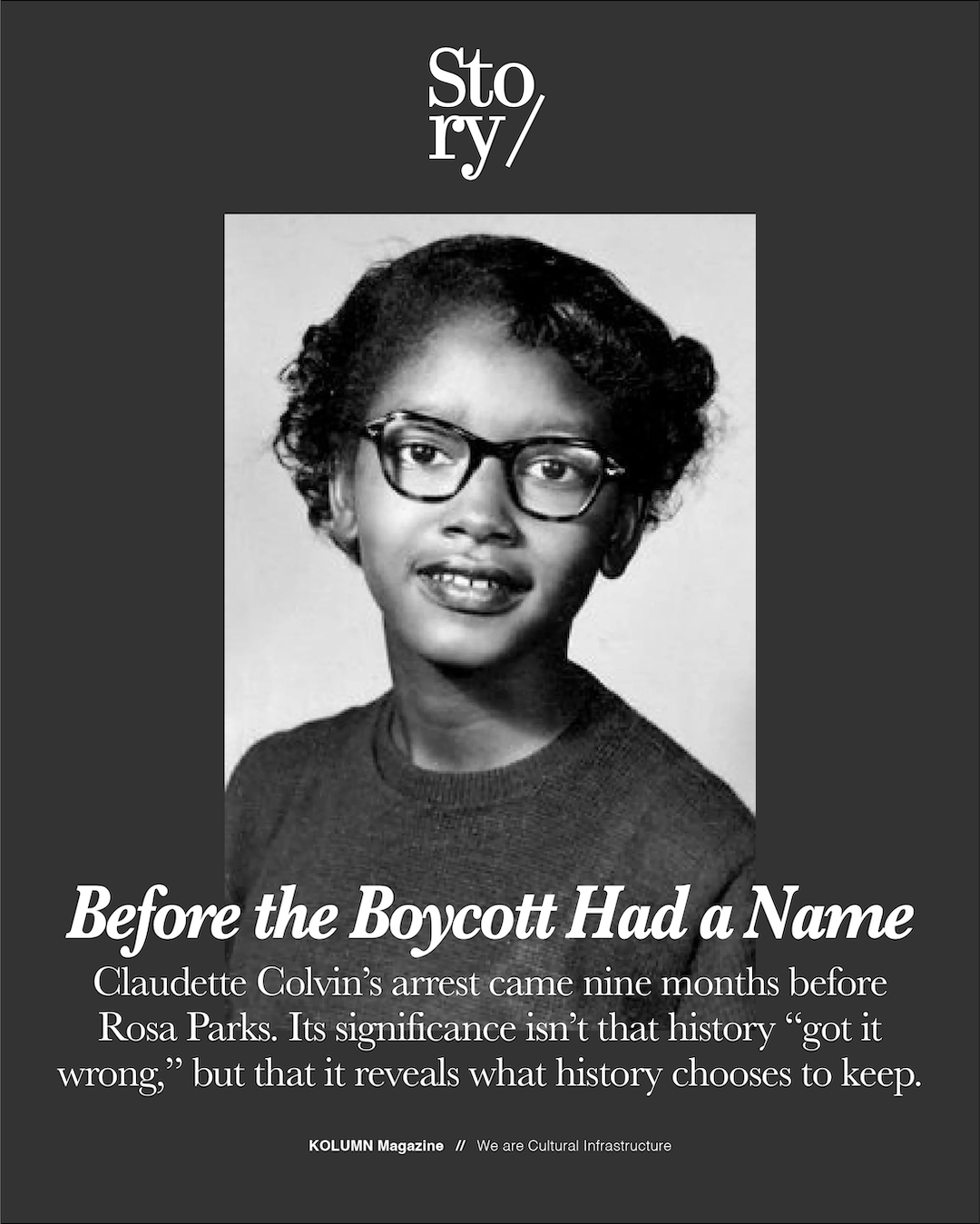
Before the Boycott Had a Name
Claudette Colvin’s arrest came nine months before Rosa Parks. Its significance isn’t that history “got it wrong,” but that it reveals what history chooses to keep.
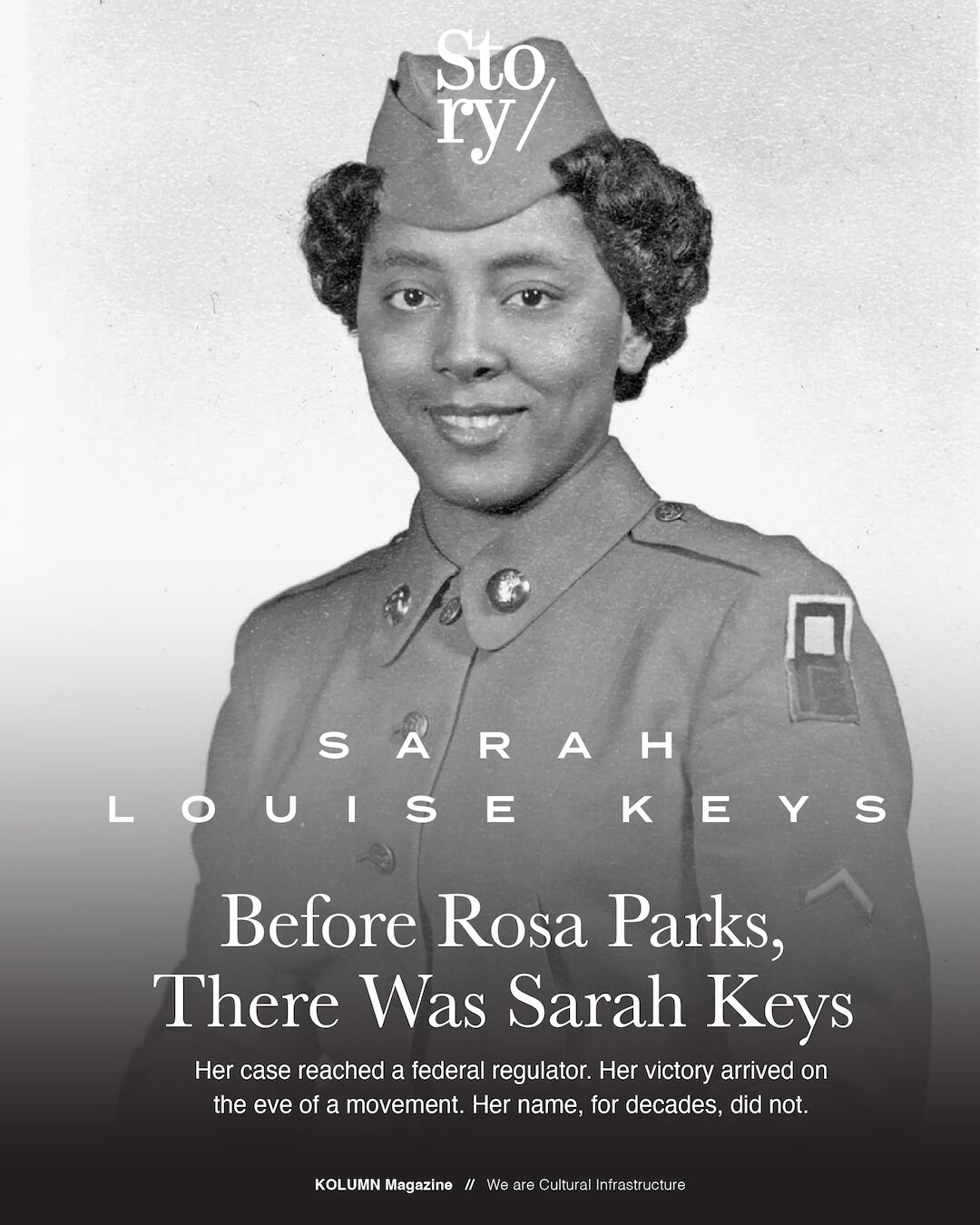
Before Rosa Parks, There Was Sarah Keys
Her case reached a federal regulator. Her victory arrived on the eve of a movement. Her name, for decades, did not.
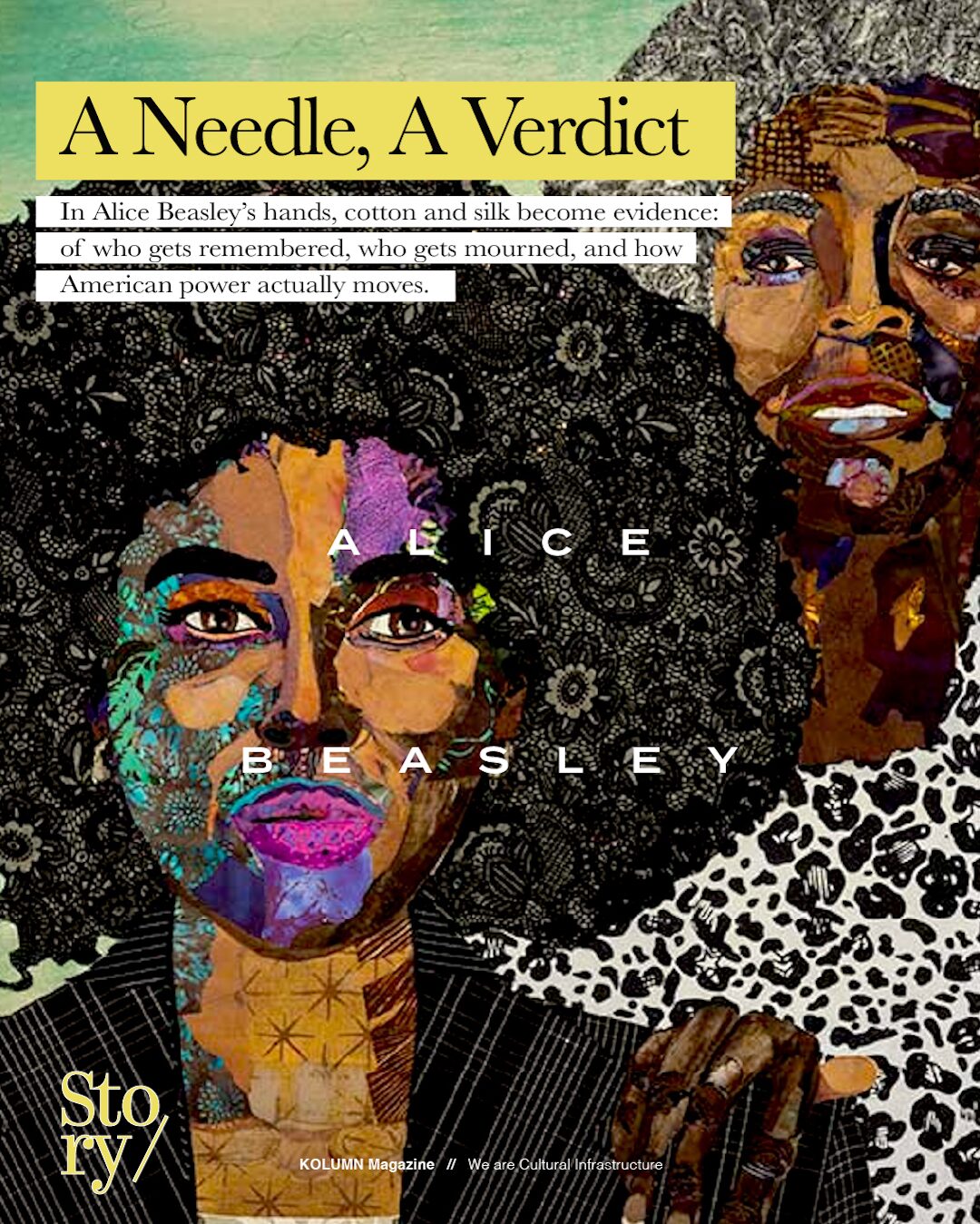
A Needle, a Verdict
In Alice Beasley’s hands, cotton and silk become evidence: of who gets remembered, who gets mourned, and how American power actually moves.
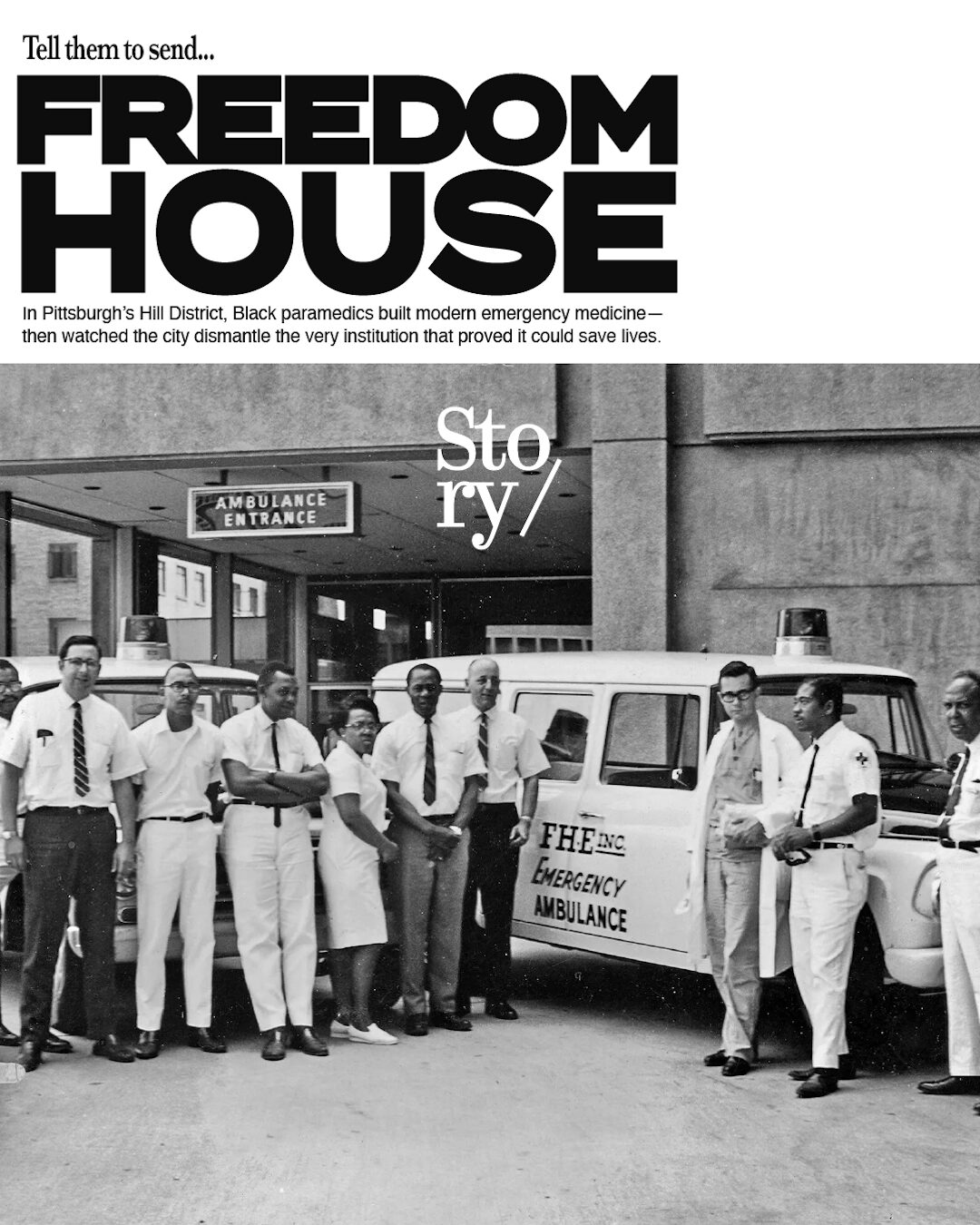
Send Freedom House
In Pittsburgh’s Hill District, Black paramedics built modern emergency medicine—then watched the city dismantle the very institution that proved it could save lives.
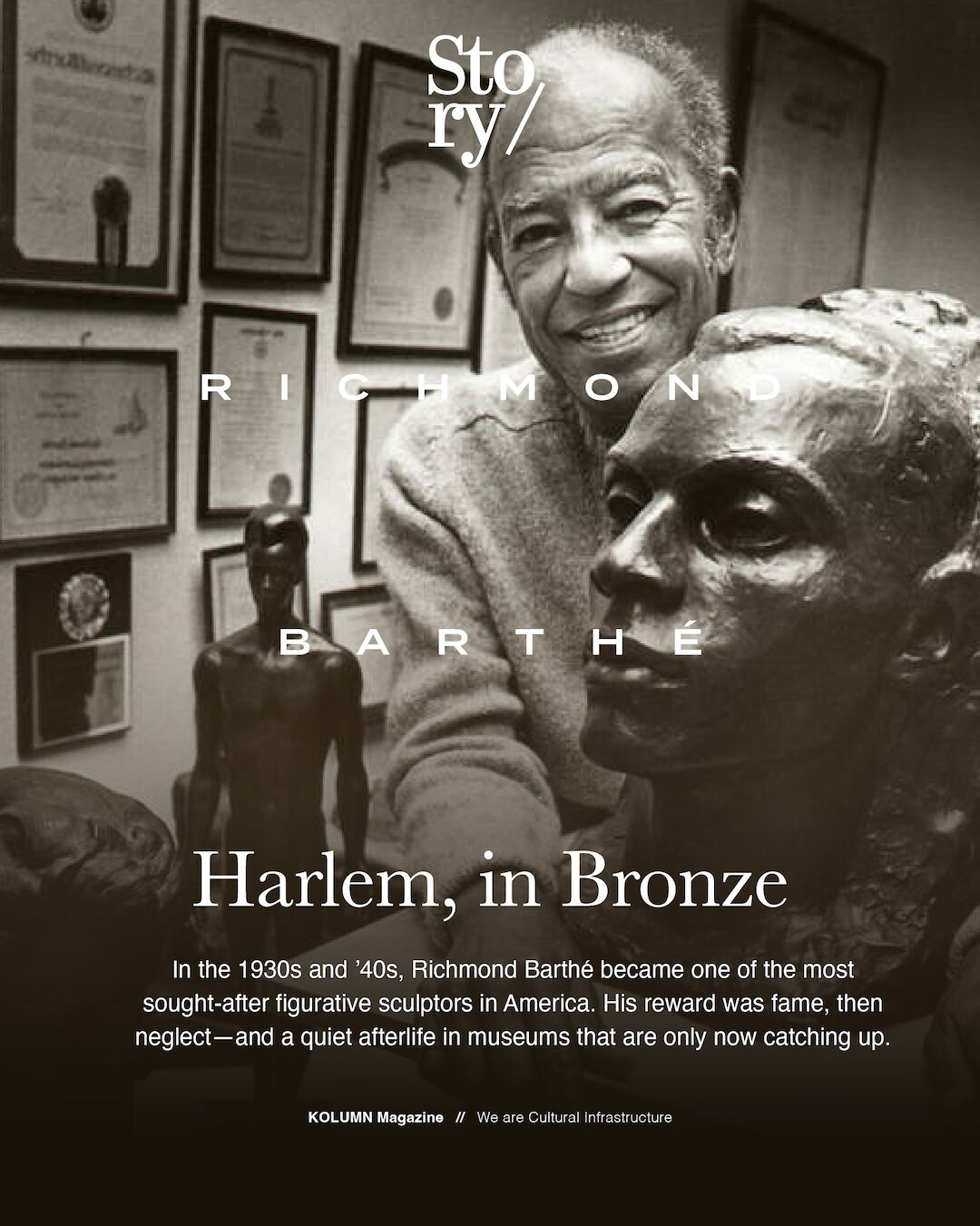
Harlem, in Bronze
In the 1930s and ’40s, Richmond Barthé became one of the most sought-after figurative sculptors in America. His reward was fame, then neglect—and a quiet afterlife in museums
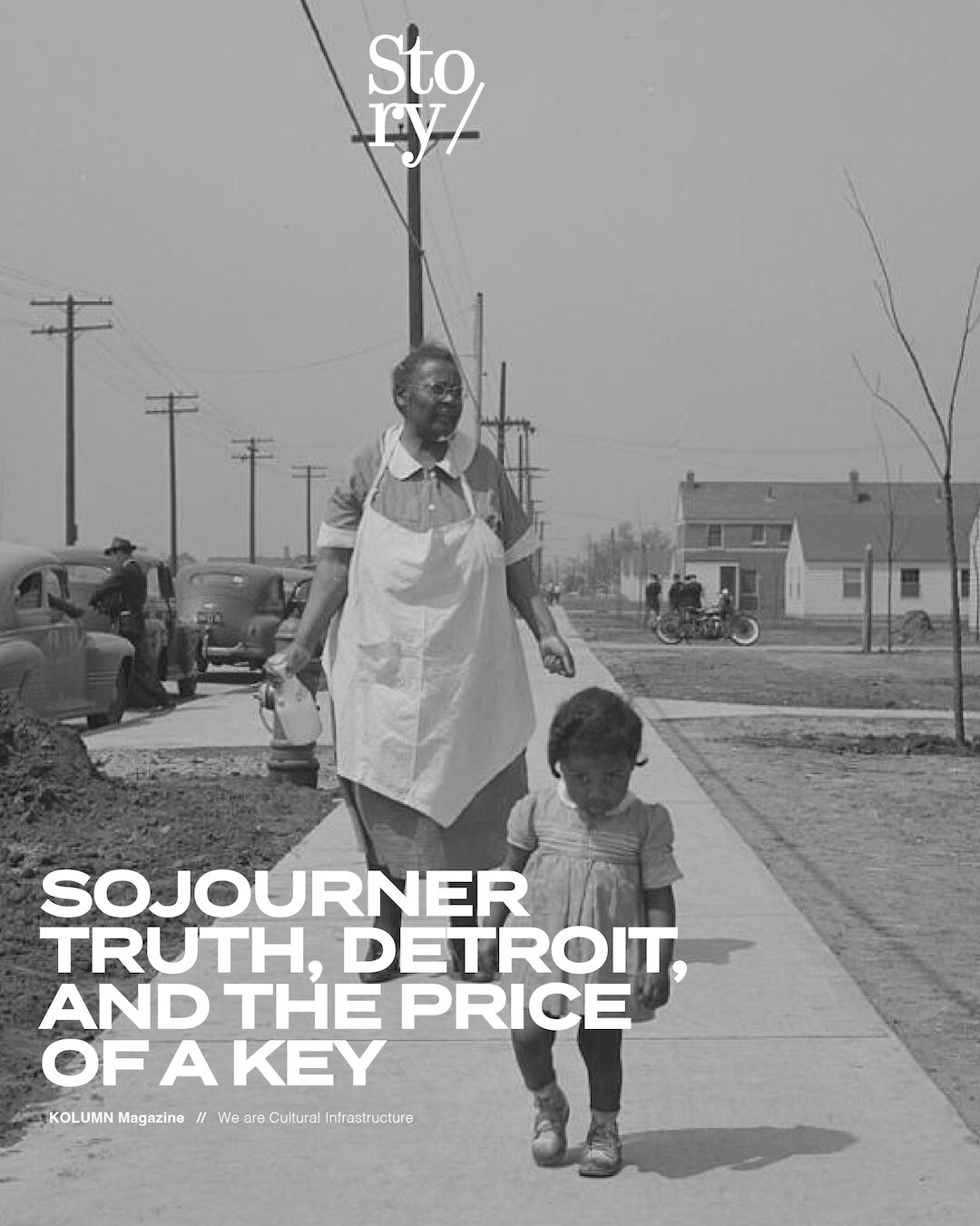
Sojourner Truth, Detroit, and the Price of a Key
The fight over a public housing development at Seven Mile and Fenelon was never just about apartments. It was about who could move, who could stay, and who the law would protect.
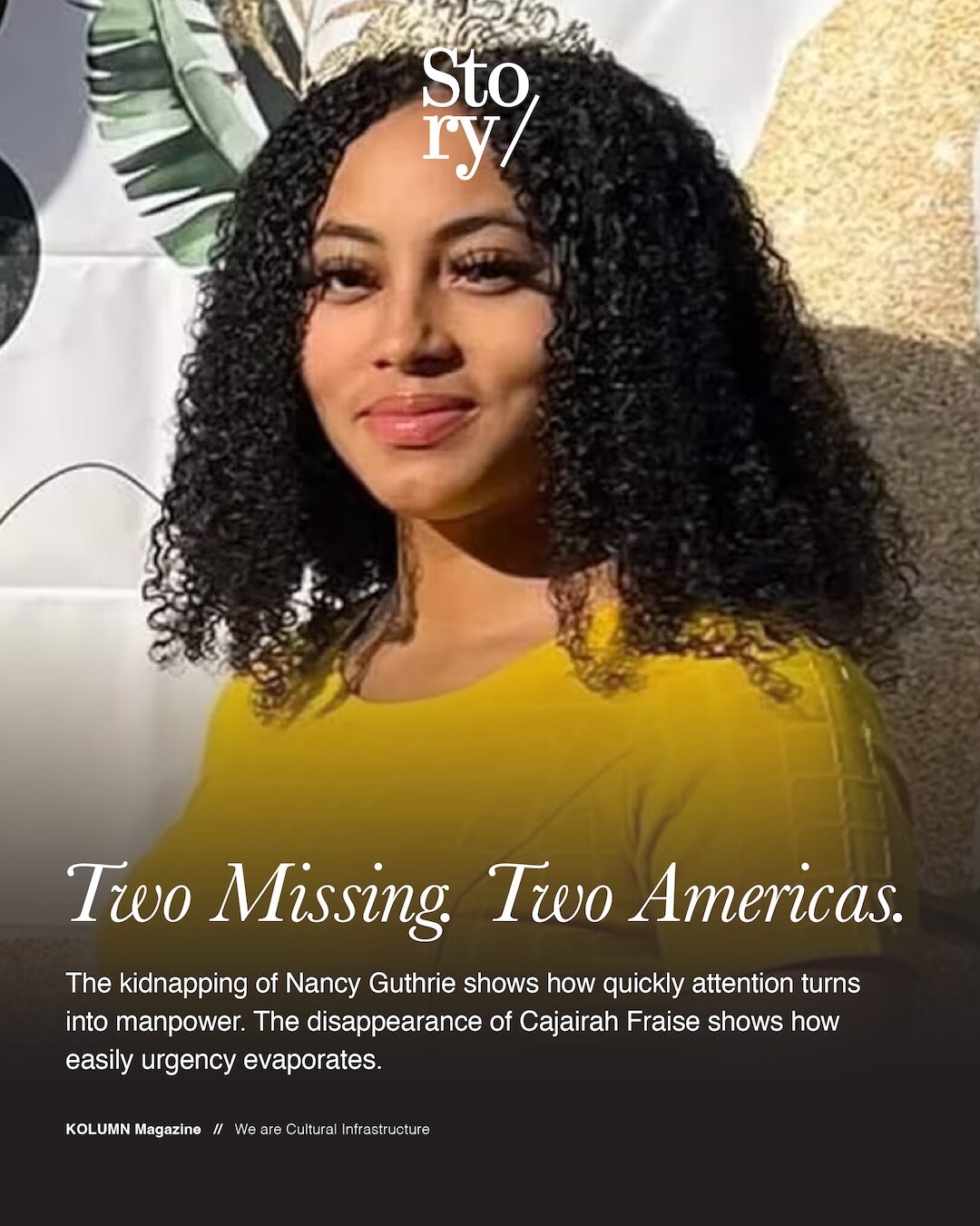
Two Missing. Two Americas.
The kidnapping of Nancy Guthrie shows how quickly attention turns into manpower. The disappearance of Cajairah Fraise shows how easily urgency evaporates.