
Black Artists Forge New Frontiers in Generative AI
The Emergence of a Creative Shift
In the past few years, an increasingly visible wave of Black artists is harnessing generative artificial intelligence (AI) to reimagine their practice, challenge entrenched biases and reclaim creative agency. From digital installations to music and visual art, these creators are not simply using AI — they’re interrogating its assumptions, rewriting its frameworks, and embedding cultural specificity into its code.
Cultural Storytelling Meets Algorithmic Innovation
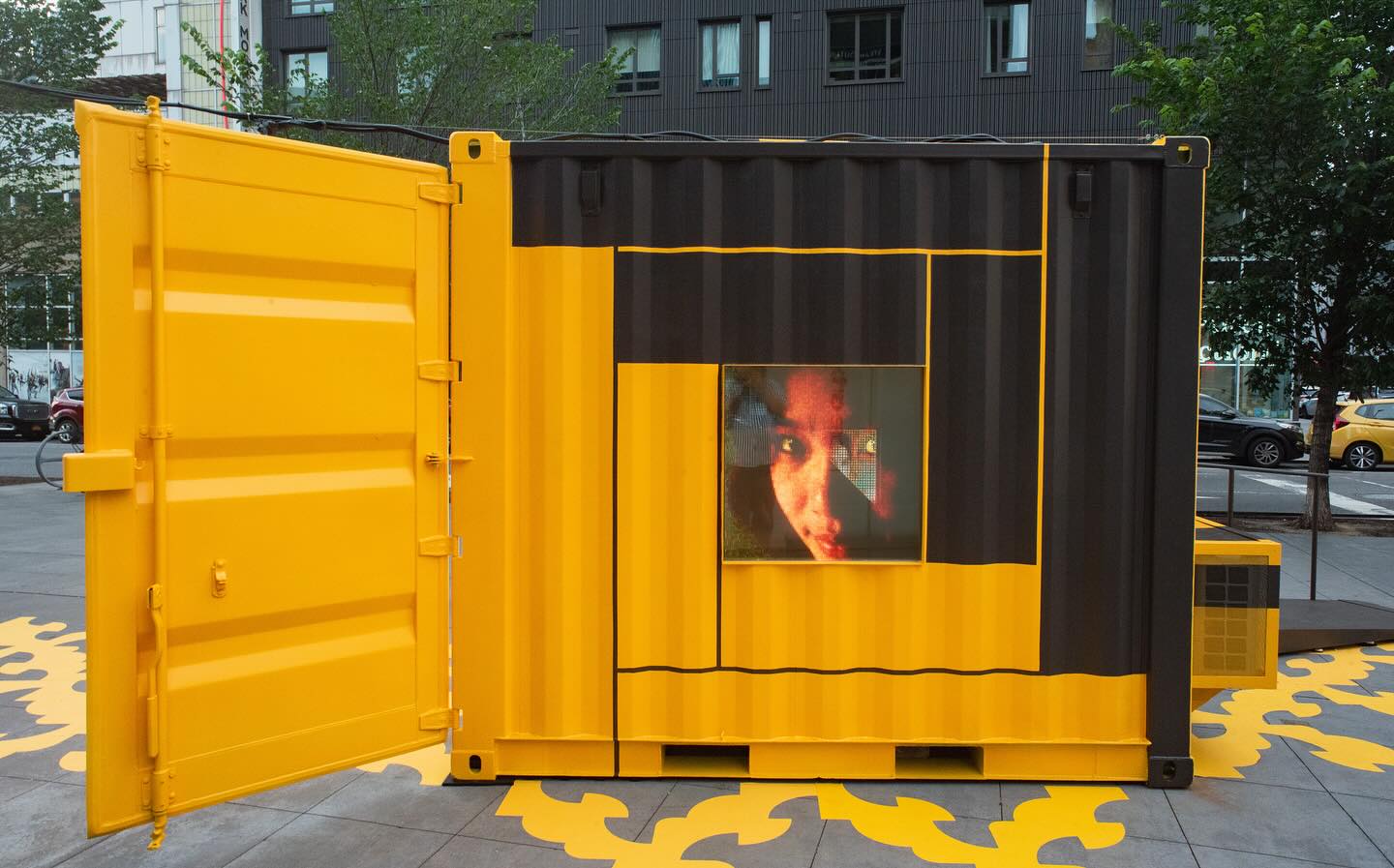
One compelling example is Stephanie Dinkins, a Brooklyn-based interdisciplinary artist whose exhibition If We Don’t, Who Will? uses generative models trained on archives of Black and brown narratives, including vernacular speech and photographs by Black photographers, to foreground stories too often overlooked in AI systems. Her work blends art, social justice and technology, turning AI into a provocateur rather than a passive tool.
Similarly, an online show of Black artists from Africa and the diaspora used AI-image generation to expose how many tools misrepresent Black identity — offering what one critic called “a fragmentary, perhaps even violent, picture.” These projects illustrate how generative AI isn’t just being adopted; it’s being contested, adapted and transformed through culturally grounded lenses.
Innovation and Identity in the Studio
For many Black creators, generative AI presents two intertwined opportunities:
- Expanding aesthetic vocabulary: By training models on culturally specific data sets (for example vernacular language, ancestral imagery, Black vernacular speech patterns, or historical imagery), artists can produce work that feels anchored in lived experience rather than generic “tech” aesthetics.
- Reclaiming authorship: By actively participating in model-training, prompt design, and dataset curation, artists are shifting from being subjects of AI systems to being directors of them.
In Dinkins’s case, she fine-tuned models using images by Roy DeCarava and datasets of African American Vernacular English — moves intended to make the AI reflect Black life on its own terms.
The Stakes: Bias, Access and Cultural Power
The embrace of AI by Black artists comes with serious concerns. Generative tools often reflect the biases of their training data — which historically underrepresents Black culture and overrepresents white or Western norms. Artists and scholars alike warn that without intervention, AI can reinforce stereotypes instead of dismantling them.
And the economic dimension looms large: as generative tools allow for mass production of imagery and music, there’s concern about devaluation of creative labor — especially for Black artists who have historically had less access and fewer resources. A Stanford-led insight warned that generative AI drove down the price of many images, shifting power away from human creators. Stanford Graduate School of Business
Toward a More Inclusive AI Ecosystem
What happens if Black artists are included from the start in defining AI systems? Several practices point the way:
- Dataset sovereignty – Artists collecting and curating culturally specific data so that AI models reflect, rather than distort, Black experiences.
- Model transparency and control – Ensuring artists can trace how their prompts, data and outputs are used and credited.
- Interdisciplinary collaboration – Bringing together artists, technologists, community groups and scholars to embed equity into AI tools from day one.
In her installation, Dinkins invited public participation via an app that submitted stories and images, which then were transformed by AI into portraits — blanketing the divide between audience and creator and making the technology part of the communal process.
Looking Ahead: Creativity, Conflict & Change
The generative-AI frontier is still unsettled. Some key questions for the coming years:
- Who gets to define the “style” and voice of AI-generated art? If only a narrow subset of creators (geographically, racially, socially) define these parameters, many voices will remain marginalized.
- How will issues of rights, credit and compensation play out? Artists ask: if an AI generates an image using my prompts and data, who owns it? How am I credited? Recent research shows artists expect disclosure and fair compensation.
- Can technology be shaped to serve culture rather than colonize it? Black artists’ efforts demonstrate that tools alone don’t equal empowerment — intent, design and community matter.
Final Word
Black artists working with generative AI reflect one of the more dynamic intersections of culture and technology today. They’re not just using the tools — they’re rewriting them. As they train models, shape prompts and stage installations, they show how generative technology can become a site of resistance and innovation, not just automation.
If AI is going to affect how we create, see, and value art, these voices matter. They remind us that creativity needs context. That algorithms are not neutral. And that, in the hands of artists with purpose and cultural grounding, generative AI can open spaces of new meaning.