
By KOLUMN Magazine
On a damp Saturday in West Philadelphia, the first thing you notice inside Philly Cuts isn’t the buzz of clippers but the sound of money talk.
A delivery driver in a navy hoodie is in the chair, arguing with his barber about interest rates. A Temple nursing student waiting on the bench scrolls through her banking app, wondering aloud whether it’s finally time to refinance her car. Two chairs down, a regular is explaining how he almost missed the deadline for his small-business relief loan because the bank kept losing his paperwork.
“Man, the barbershop is where I learned more about credit than in school,” someone cracks, and the whole room nods.
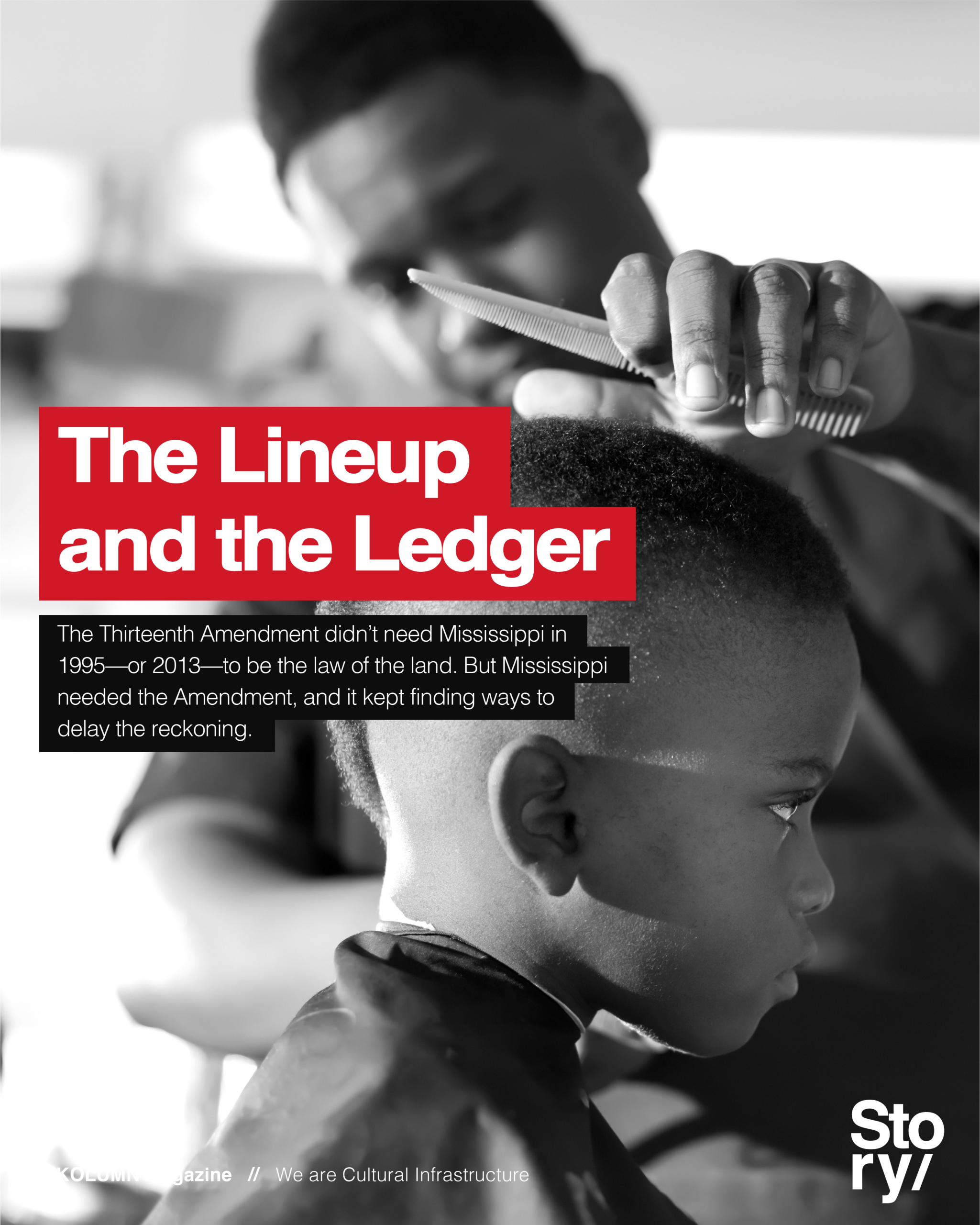
In Black Philadelphia, the barbershop has always been that kind of place: a grooming studio, yes, but also a classroom, a therapy office, a campaign office, and, very often, an informal financial literacy lab. Long before online banking, men—and later, women and families—brought their pay stubs, mortgage offers, and loan denials here, searching for advice from the people they trusted most.
Today, a new generation of African American-owned barbershops in Philadelphia is carrying that tradition into an era of fintech apps, pandemic-era relief programs, and deep, persistent racial gaps in access to capital.
A city where the first barbers were Black
To understand why Black barbershops matter so much in Philadelphia, you have to go back a couple of centuries.
In the eighteenth and early nineteenth centuries, African Americans owned and operated the majority of barber shops in the Philadelphia region, according to the Encyclopedia of Greater Philadelphia. Barbering, often considered “servile” work by white elites, became one of the few trades where Black men could own property, build clientele, and accumulate modest capital in an otherwise hostile economy.
Over time, those tiny storefronts evolved into something more: semi-private sanctuaries where Black men could relax, talk politics, debate scripture, and plan boycotts and campaigns. Their cultural power has been chronicled in books like Cutting Along the Color Line, which traces Black barbershops as businesses and civic institutions from slavery through Jim Crow and into the modern era.
In Philadelphia, that history is layered into the brick walls. A recent essay for the city’s aging commission described Black barbershops as “havens” where men get not only a sharp look, but “sage advice and a good laugh.”
Those havens are also filled with bank customers—people who keep the local economy moving but are too often treated as an afterthought by the financial system.
Philly Cuts: Cuts, credentials and credit scores
At Philly Cuts, a 25-year-old barbershop and salon on Chestnut Street, the clippers rarely stop humming. Under the leadership of owner and founder Darryl Thomas, the shop has grown from a modest neighborhood barbershop into a community hub where customers can get a taper, enroll in a lash-tech class, or sign up for a barber mentorship program in the downstairs classroom.
Thomas has described Philly Cuts as a “world famous” institution that has moved with the city and “stood the test of time through the pandemic,” even as making a livable wage in Philadelphia remains hard. The shop has hosted everyone from local students to Vice President Kamala Harris, who visited during her presidential campaign—a sign of how central Black barbershops have become to modern political outreach.
But behind the celebrity drop-ins and the Instagram feed, there’s a quieter hustle: spreadsheets, loan applications, merchant-services contracts. Like many Black small-business owners, Thomas and his barbers are constantly negotiating with banks—seeking fair terms on business checking accounts, credit card processors, equipment loans, and the leases that keep their chairs anchored in fast-gentrifying neighborhoods.
That navigation has only become more complex since 2020. Research on the federal Paycheck Protection Program (PPP) found that in counties with high concentrations of Black-owned businesses, fewer than 20 percent of applicants received funds in the early rounds, compared with far higher national averages. Commentators in the Philadelphia Inquirer warned that if Black-owned barbershops failed during the pandemic, the community’s health—not just its hairstyles—would be harmed, because those shops had become crucial sites for health outreach and social support.
At Philly Cuts, barbers watched clients lose jobs and savings. Some regulars came in to ask for advice on whether they should pause loan payments or dip into retirement accounts. Others confessed they’d never had a bank account in their own name and weren’t sure how to apply for relief funds at all.
The shop responded the way Black barbershops always have: by turning chairs into classrooms. Barbers swapped information about which local credit unions were easier to work with, which lenders actually returned calls, and how to read the fine print on PPP forgivable loans. Clients left with fresh fades and, increasingly, a plan to open a checking account or finally dispute an unfair fee.
“We’re a vessel that lets you know what is happening in the community,” barber Khabir Jackson told Billy Penn. “It is the place that keeps your ears to the street.” In 2024, those streets include the corridors between neighborhood barbershops and regional banks.
Mal’s Barber Shop: One chair, many ledgers
If Philly Cuts hums like a busy co-working space, Mal’s Barber Shop in Southwest Philly feels more like a tiny chapel.
Tucked at 55th and Woodland, Mal Robinson runs a one-man operation, by appointment only. A profile in The Philadelphia Citizen described his shop as an enclave of “respect, conversation and relaxation for Black men and boys,” the kind of place where every face is familiar and the barber knows not just your hairline, but your family story.
Robinson grew up in Mantua, known locally as “the Bottom,” in a large extended family that includes state senator Anthony Hardy Williams among his cousins. He escaped the pull of the streets through college and barbering—a trajectory that mirrors the path of many Black tradespeople who used their craft to build stability when traditional corporate careers remained elusive.
On paper, Mal’s Barber Shop is a simple business: one chair, one barber, a small roster of loyal customers. In the eyes of a mainstream bank, it might look too small for serious attention—just another sole proprietorship with limited collateral.
But if you sit quietly in the corner for a day, you see a different balance sheet.
Clients slide into the chair with questions about refinancing underwater mortgages, consolidating credit-card debt, or whether to trust the pitch from a bank manager about switching to an account with “more features” and higher fees. Older men talk about the savings clubs they once used when local branches denied them loans; younger ones ask how to build credit without falling into the trap of buy-now, pay-later apps.
Robinson can’t solve every problem. But informed by his own journey through student loans, business checking requirements, and the delicate art of negotiating commercial rent, he offers what many barbers offer: grounded, practical counsel. In an era when Black entrepreneurs “start with less financial capital and have less access to lending institutions and equity investors than their white peers,” as one recent review of Black business challenges put it, that informal education can be the difference between closing shop and staying open.
In Mal’s appointment book, every name is a bank customer. In his chair, they become something closer to co-strategists.
Clean Is Mandatory: Haircuts and mental health
North across the city, inside Clean Is Mandatory barbershop, owner Andre Scott has taken the idea of “therapy in the chair” and made it explicit.
Scott, a barber for more than three decades, partnered with The Confess Project, a national nonprofit that trains Black barbers to serve as mental-health advocates. In interviews, he has described how clients sit down for a shape-up and end up confessing that they’re “just done” and ready to give up—the kind of statements barbers learn to treat as red flags for depression or suicidal ideation.
The training doesn’t turn barbers into clinicians. Instead, they learn to listen, validate, and connect clients to professional help, support groups, or concrete resources like housing and food assistance.
Once again, banks are in the background. Financial stress is a recurring theme in those intimate conversations: overdue rent, predatory auto-title loans, small-business dreams derailed by poor credit scores or opaque underwriting requirements. For Black men in Philadelphia—who face some of the highest rates of trauma and economic precarity in the country—those money worries are inseparable from mental health.
By combining barbering with mental-health advocacy, Clean Is Mandatory embodies an expanded vision of what Black barbershops can be: not just informal advisors, but first responders in a city where access to both therapists and fair financial products is uneven at best.
ETHOS GSFM: Luxury, legacy and the business of representation
In Center City, a different kind of Black-owned barbershop is rewriting the script about who gets to enjoy luxury.
ETHOS GSFM, located at 339 N. Broad Street, calls itself a premium men’s grooming studio offering elevated haircuts, facials, and spa-level services. Co-founder and CEO Jonathan Jacobs, spotlighted during Black History Month by local outlet Wooder Ice, has framed the shop as both a business and a statement: Black barbers and Black clients deserve access to the same impeccably designed, high-touch experiences that have long defined white-owned salons downtown.
Inside ETHOS, the conversations about money sound different but carry similar stakes. Young tech workers talk about stock-market swings and student-loan payments. Older professionals debate which bank offers the best small-business line of credit or whether to shift savings from a big national bank to a local credit union.
The shop itself is, in some ways, a case study in navigating an unequal financial landscape. Opening a high-end storefront on North Broad requires significant capital: commercial leases, build-out costs, equipment, marketing. Data show that Black entrepreneurs are more likely to have their expertise doubted, to receive smaller loans at higher interest rates, or to be rejected outright when they seek financing to grow.
Jacobs and his partners, like many Black founders, had to assemble their own capital stack, tapping personal savings, friends-and-family funds, and, eventually, lenders who believed in their vision. Every successful payment on those loans becomes a quiet challenge to a system that still tends to treat Black-owned beauty businesses as risky outliers instead of reliable bank customers.
ETHOS, with its curated playlists and artful lighting, is a reminder that representation in the luxury sector isn’t just aesthetic. It’s about who gets to sign the lease, negotiate the merchant-services contract, and sit across from a banker as a valued client rather than a question mark.
Barbershops, ballots and bank forms
The civic power of Black barbershops is hardly new. In Philadelphia, barbers have been enlisted to talk with Black men about voting, vaccination, and gun violence, often in partnerships that span universities, nonprofits, and national campaigns.
A WHYY feature followed barbers like Leroy Robinson Jr., whose shop on Lancaster Avenue has been in the family for generations, as they worked with organizers to turn everyday conversations about sports or parenting into deeper discussions about civic engagement. The Guardian chronicled efforts to recruit Philly barbers to battle election misinformation and help increase turnout among Black voters.
Those same chairs have also quietly become triage centers for financial exclusion.
When banks rolled out new digital tools and identification requirements, barbers helped older clients set up online banking or navigate ID changes. When PPP and other relief programs required documentation that gig workers and cash-based entrepreneurs didn’t have, barbershops hosted workshops with local nonprofits to explain what paperwork was needed.
More recently, researchers and public-health officials have begun to explicitly frame Black-owned barbershops as “public health extenders,” arguing that any program that leans on these businesses—whether for vaccination drives or HIV testing—must also reckon with the financial vulnerabilities of the shops themselves: thin margins, limited access to credit, and heightened risk during economic shocks.
In other words, you can’t fully leverage barbershops as civic infrastructure without treating their owners as key bank customers whose survival matters.
What the clippers can’t fix—and what they still might
The stories of Philly Cuts, Mal’s Barber Shop, Clean Is Mandatory, ETHOS GSFM, and the many smaller neighborhood shops that don’t make headlines reveal a common thread.
These are businesses built on trust and recurring revenue. Clients come back every week or two, paying in cash, cards, or via phone apps, creating precisely the kind of predictable income that banks say they value. Yet systemic barriers—historic redlining, present-day discrimination in lending, and stark racial wealth gaps—mean that Black barbers often struggle to convert that steady flow of small transactions into the kind of capital that buys buildings, expands service lines, or survives multi-month shutdowns.
For many regulars, the barbershop is also the only place they get unvarnished advice about what’s in their wallets. Here, no one earns a commission for steering a client toward a particular loan product. If anything, barbers are more likely to warn against predatory terms, urge someone to check with a credit union, or encourage a young customer to pull their credit report for the first time.
That informal counseling has limits. Barbers can’t change underwriting algorithms or refund overdraft fees. They can’t erase the reality that Black-owned businesses are more likely to fail after external shocks, including pandemics.
But they can do what they’ve always done in Philadelphia: hold space, share knowledge, and insist that their patrons—workers, students, retirees, side-hustlers—deserve to be taken seriously by the institutions that hold their money.
Back at Philly Cuts, the Saturday crowd thins. A barber steps outside to take a call from his bank, trying to sort out a confusing notice about his business credit card. Inside, the nursing student has decided to wait before refinancing; the delivery driver promises to finally open that high-yield savings account his barber has been pushing for months.
The clippers buzz back to life. Another client slides into the chair. Another tiny financial decision gets made in the mirror.
In a city that has long relied on Black barbershops as barometers of community mood, those decisions may be as important as any campaign stop or public-health flyer. The future of Philadelphia’s Black neighborhoods will be shaped not only by who cuts whose hair, but by whether the people in those chairs—and the barbers who serve them—are treated as full participants in an economy that has never quite known what to do with them.