





This is legislative power. This is political power.
This is legislative power. This is political power.
By KOLUMN Magazine
Adam Clayton Powell Jr. is often remembered in fragments. There is Powell the preacher, inheritor of Harlem’s mighty Abyssinian Baptist Church. There is Powell the politician, the first Black member of Congress from New York and one of the most visible Black elected officials in America. There is Powell the legislative operator, the chairman who helped move major social-welfare, labor, and education bills through the House in the 1960s. And then there is Powell the celebrity-provocateur, the man whose brilliance and swagger were so pronounced that they sometimes threatened to eclipse the work itself. Taken together, those fragments do not merely describe a public figure. They describe one of the central architects of modern Black political power in the United States.
To call Powell an activist is correct, but not quite sufficient. He was an agitator in the older, sharper sense of the word: someone who believed institutions usually moved only when pressured, embarrassed, cornered, or publicly challenged. Long before the phrase “inside-outside strategy” became common political language, Powell was practicing it. He preached social justice from the pulpit, organized economic pressure campaigns in Harlem, won elected office in New York City, and then used Congress as a national stage from which to attack segregation and inequality. The institutions changed because he understood that power is not simply possessed; it is dramatized.
That is part of why Powell still feels contemporary. He understood media before media strategy became professionalized. He understood symbolism before branding became a political industry. He understood that Black constituents wanted not only policy gains, but evidence that someone in high office would refuse deference and speak in a language of pride. When he told voters he would represent “the Negro people first,” he was announcing a form of Black constituency politics that alarmed white moderates and thrilled many African Americans who were tired of being treated as an afterthought.
But Powell’s life also resists easy canonization. His record is too important to reduce to scandal, and his flaws are too significant to wave away as the price of genius. He was a civil-rights trailblazer who could also be erratic, self-indulgent, and politically reckless. He helped enlarge the moral and legislative horizons of the federal government while also giving enemies of Black advancement ammunition through conduct that drew investigations, court battles, and censure. His career is a reminder that history’s consequential figures are often contradictory not because the record is unclear, but because the record is clear.
Harlem made him, and he remade Harlem
Adam Clayton Powell Jr. was born in New Haven, Connecticut, on November 29, 1908, and moved to New York City as an infant when his father, Adam Clayton Powell Sr., became a minister at the Abyssinian Baptist Church. The family’s rise was closely tied to the rise of that church, which under Powell Sr. became one of the most influential Black religious institutions in the country. The younger Powell grew up in a household shaped by both religion and ambition, a combination that would define much of his public life.
By the time Powell succeeded his father as pastor of Abyssinian in 1937, Harlem was not merely a neighborhood. It was a political and symbolic capital of Black America, a place where faith, art, labor, migration, and racial struggle converged. Britannica notes that Powell eventually helped build the church’s membership to 13,000, while the church’s own history emphasizes that his years there fused ministry with social change and justice work. That fusion mattered. Powell did not treat the church as a refuge from politics. He treated it as an engine of politics.
From the pulpit, Powell addressed jobs, housing, and economic inequality with a directness that made religion feel inseparable from civic life. Colgate’s institutional history of Powell describes how he used prayer and public action together, organizing picket lines and boycotts that widened opportunity for Black New Yorkers. In Harlem, this was not abstract ideology. It was daily survival. Employers profited from Black consumers while refusing to hire Black workers in anything above the lowest positions. Powell recognized that respectability alone would not solve that problem. Pressure might.
His activism in the 1930s and early 1940s helped establish the method that would define his politics for decades: identify hypocrisy, mobilize the community, make the cost of exclusion visible, and force negotiation from a position of public leverage. Later accounts of his Harlem activism describe his campaigns around jobs and housing and his use of boycotts, mass meetings, and organized pressure against businesses and public institutions that benefited from Black patronage while excluding Black workers. Those campaigns helped make Powell more than a preacher. They made him Harlem’s most visible political broker.
That line, which Powell used in 1965 to describe his role as chair of the House Committee on Education and Labor, is often read as a statement about Washington. It was also a statement about where he came from. Harlem taught Powell that moral witness without institutional power had limits. His whole career can be read as an effort to close the distance between protest and state action.
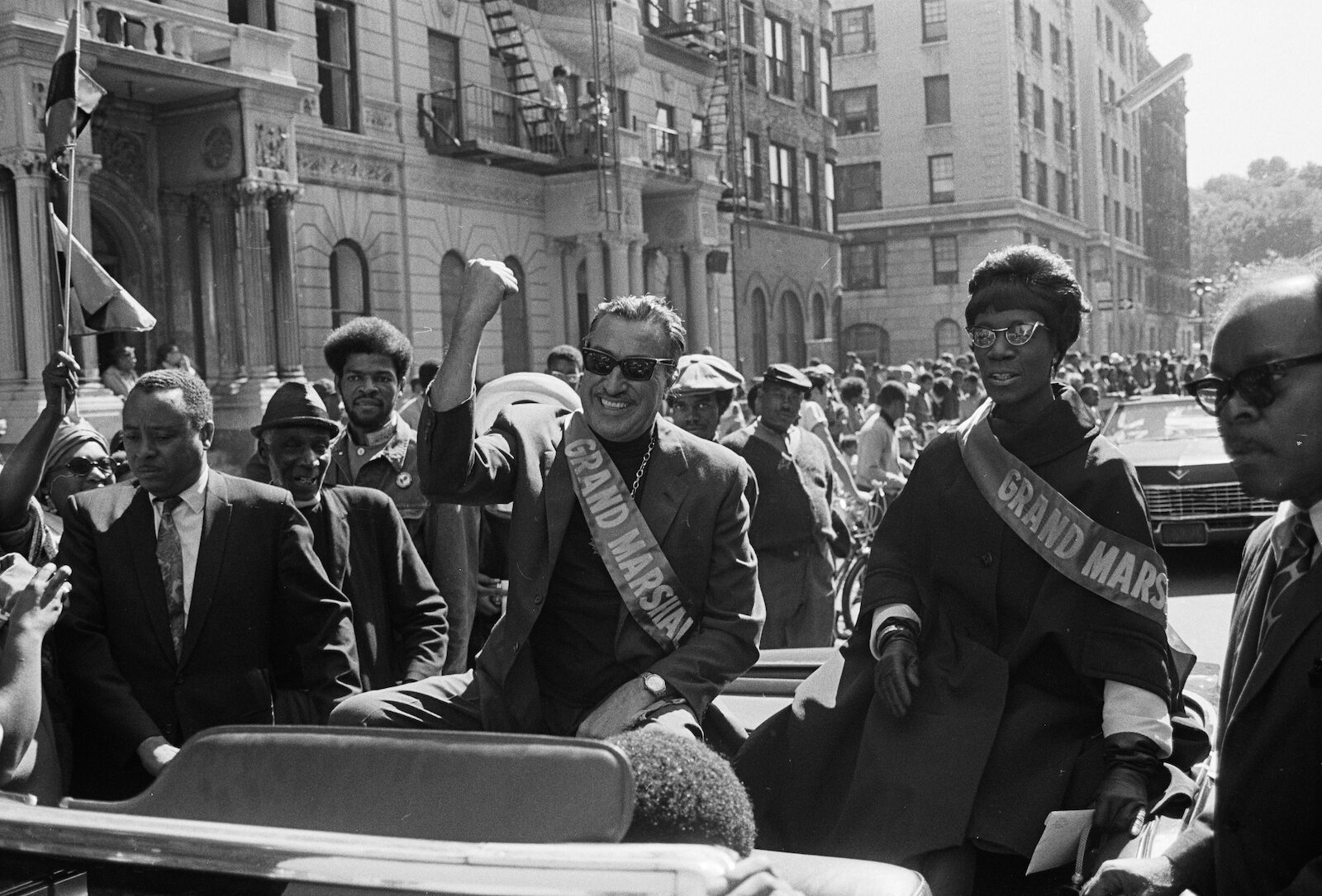
The first Black congressman from New York
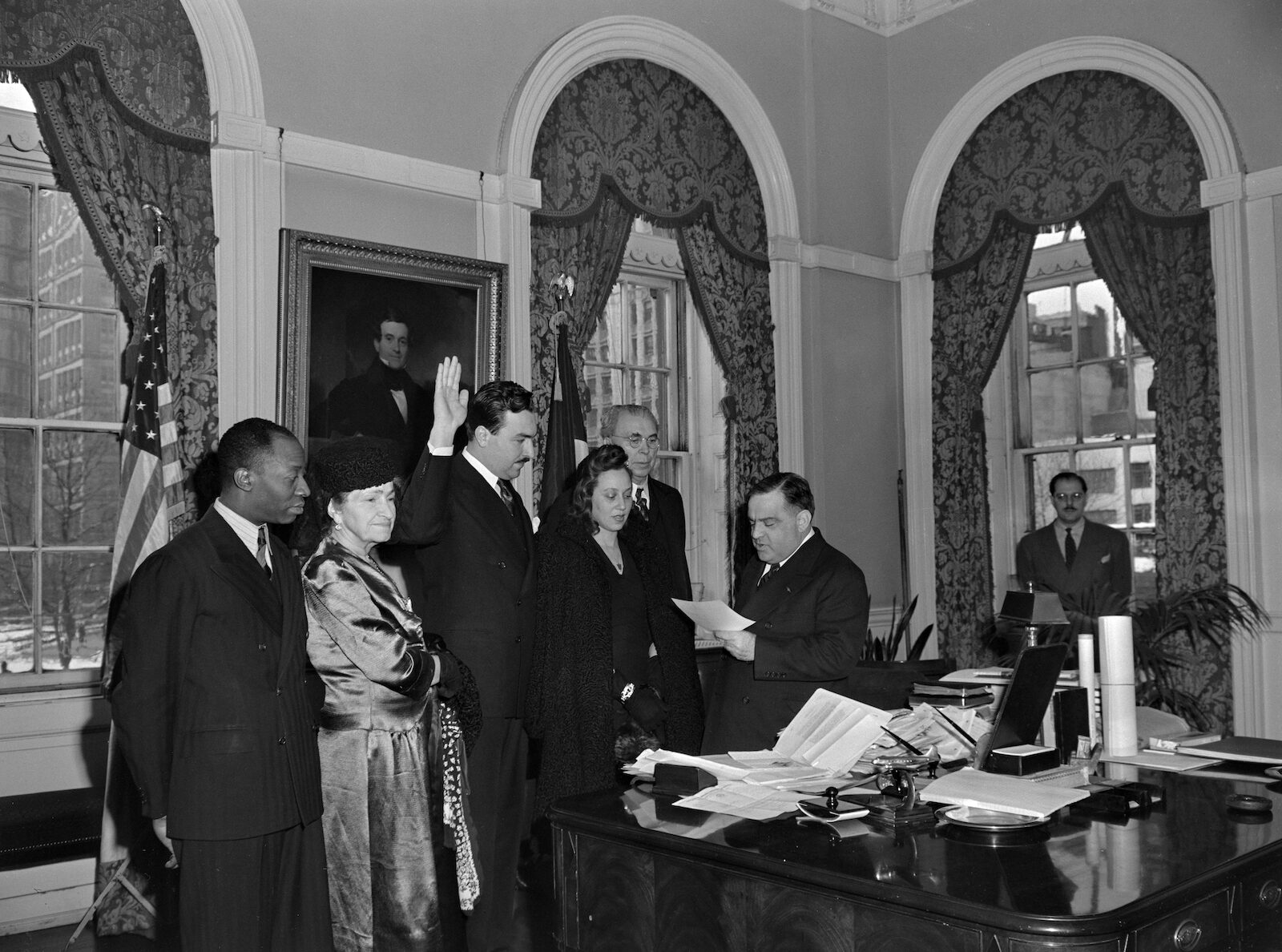
Powell’s path into electoral politics accelerated quickly. In 1941, he won a seat on the New York City Council, becoming the first Black person to serve on that body. Four years later, after winning election in 1944 from a newly created majority-Black congressional district, he entered the House of Representatives as the first African American to represent New York in Congress. When Congress convened in January 1945, Powell and Illinois Representative William Dawson were the only Black members of the House. That fact alone underscores how isolated Black political representation remained in the middle of the twentieth century.
Powell did not arrive in Washington intending to blend in. House history records that he challenged the informal practices that restricted Black members’ access to spaces reserved for white legislators, following the example of Oscar De Priest before him. Symbolically, that mattered. These were not side skirmishes. They were fights over whether Black officeholding would be treated as conditional, tolerated, or fully legitimate. Powell seemed to understand from the beginning that every institutional humiliation accepted in silence becomes precedent.
His public posture could be theatrical, but the substance behind it was serious. He entered Congress with a civil-rights agenda that included fair employment practices, anti-lynching measures, and attacks on the poll tax. These were not politically safe priorities, especially in a Congress shaped by the outsized power of Southern segregationists. Yet Powell kept returning to them, insisting that federal money and federal authority should not be allowed to reinforce discrimination.
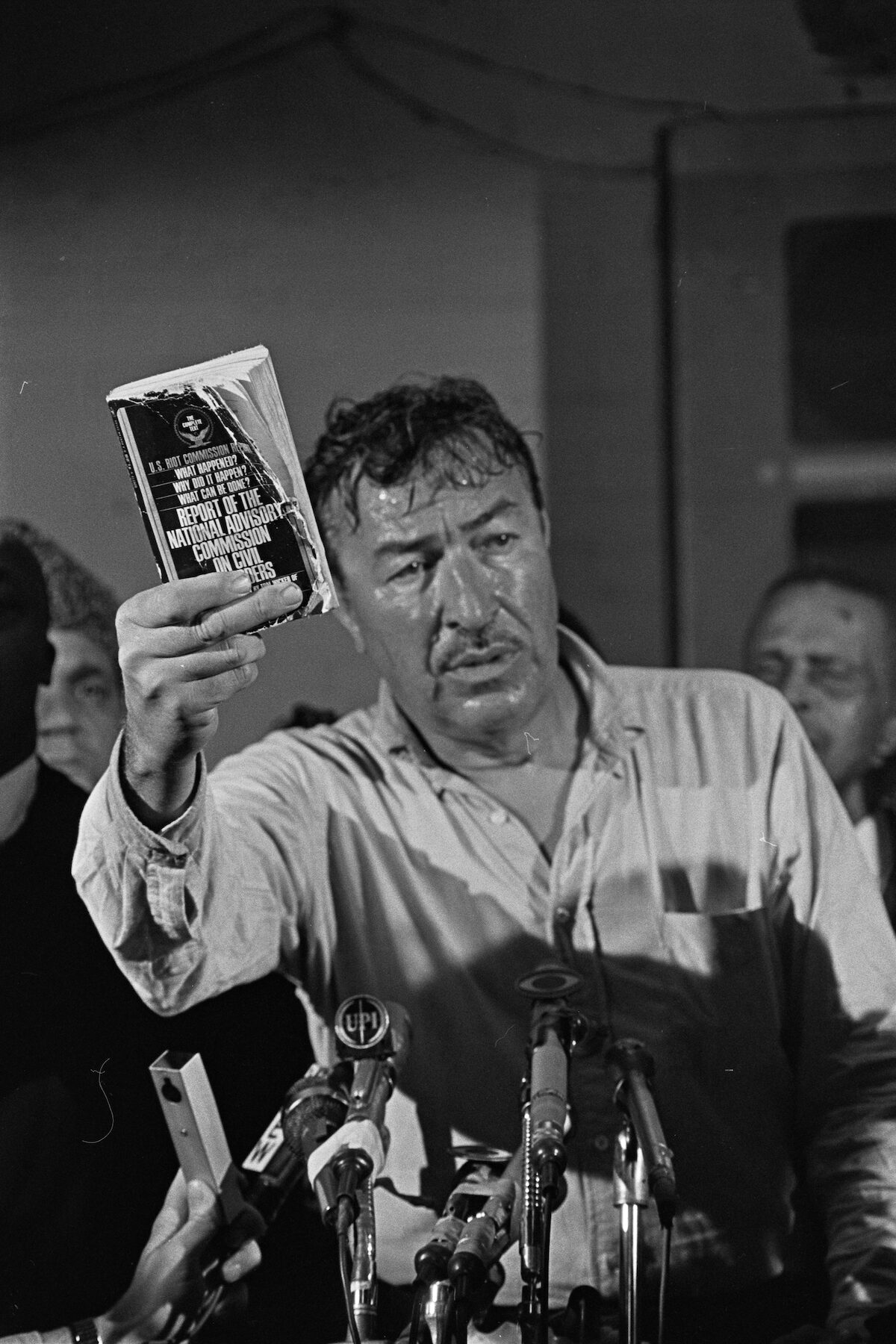
One of his most durable interventions came through what became known as the Powell Amendment. As the Martin Luther King, Jr. Research and Education Institute explains, Powell repeatedly offered a rider barring federal funds from going to programs that practiced racial discrimination. The rider itself did not initially pass, but Powell kept reintroducing it until its core logic was absorbed into the Civil Rights Act of 1964. That is an important distinction in assessing his historical significance. Not every consequential politician wins instantly. Some change the terms of legislative possibility by making an idea impossible to ignore.
Stanford’s King Institute also situates Powell squarely within the civil-rights struggle, not as a mere adjacent figure but as a prominent and controversial participant in it. He was not Martin Luther King Jr., and he was not trying to be. His lane was not moral suasion alone. His lane was translating Black demands into appropriations, committee leverage, federal standards, and public confrontation. That made him invaluable—and, to many colleagues, infuriating.
The activist as legislator
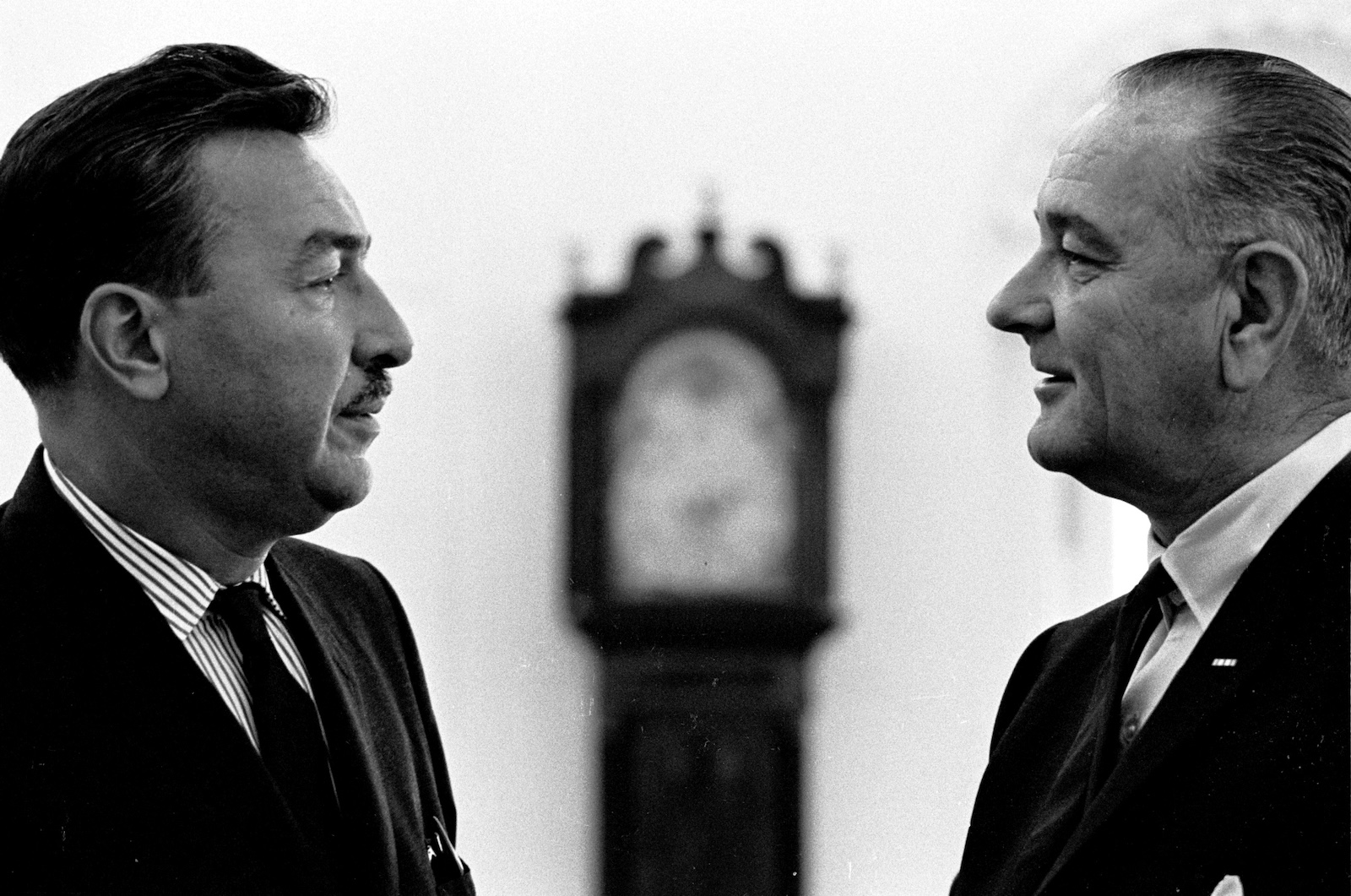
The easiest way to underestimate Powell is to remember the flamboyance and forget the legislative yield. By the time he became chair of the House Committee on Education and Labor in the 87th Congress, he occupied one of the most powerful positions ever held by a Black lawmaker up to that point. That chairmanship gave him jurisdiction over schools, job programs, labor standards, and large parts of the federal government’s social-policy machinery. Powell understood exactly what that meant. So did Lyndon Johnson.
Under Powell’s leadership, House history reports, the committee approved more than 50 measures involving minimum-wage increases, school lunches, vocational training, student loans, federal aid to elementary and secondary schools, support for public libraries, and other expansions of the social state. Another House account notes that Powell’s committee leadership helped shape the domestic agenda of both the Kennedy and Johnson administrations. This is not minor résumé-padding. It places Powell inside the machinery that built key pillars of midcentury liberal governance.
The Committee on Education and Labor’s official historical account credits Powell with overseeing passage of the Higher Education Act of 1965, legislation that authorized major new spending for teacher training and student programs serving underserved communities. The Congressional Black Caucus Foundation’s Avoice archive similarly describes legislation from his committee as backbone for the social agenda advanced during the Kennedy and Johnson years. When people describe Powell as a civil-rights activist, they are right. But they should also describe him as a major social-policy actor. His activism changed law because he learned how committees, budgets, and floor fights actually worked.
Johnson’s own frustration with Powell, preserved by the Miller Center in a taped March 1, 1965 conversation, says something revealing. The president complained bitterly about Powell’s committee handling of an education bill. On one level, it shows tension. On another, it shows Powell’s importance. Presidents do not fume over legislators who do not matter. Johnson was irritated precisely because Powell sat in a position where he could delay, bargain, demand, or complicate the path of legislation central to the White House agenda.
Powell’s role in labor legislation was similarly substantial. At the signing of the Fair Labor Standards Amendments of 1966, President Johnson specifically referred to Powell as chairman of the House Education and Labor Committee. The law expanded minimum-wage coverage to millions more workers. Powell was not the only architect, of course, and history should resist single-hero storytelling. But it is impossible to tell the story of 1960s labor and education expansion without him.
Powell understood that civil rights without economic rights was too easily reduced to symbolism.
That may be the cleanest way to understand his legislative career. He fought segregation, yes. But he also fought over wages, jobs, schools, training, and public investment. He knew discrimination was not only a matter of signs on doors. It was also built into budgets, hiring pipelines, and the ordinary distribution of opportunity.
A Black internationalist before that language was fashionable
Powell’s politics were not confined to domestic civil-rights battles. He also paid attention to decolonization and to the emerging political importance of Africa and Asia during the Cold War. Search records from House history and related materials note his interest in developing nations and his role as an observer at the 1955 Asian-African Conference in Bandung, Indonesia. BlackPast’s account of Bandung likewise notes Powell as the only member of the American Congress present there, an appearance that signaled both curiosity and political calculation.
That detail matters because Powell’s significance extends beyond Harlem and Capitol Hill. He was part of a cohort of Black leaders who saw the struggle against Jim Crow as linked to global anti-colonial movements. The same United States that lectured the world about democracy was still battling over basic Black citizenship at home. Powell grasped that contradiction and used it. His presence in Bandung suggested that Black American political figures were not simply petitioners within U.S. democracy; they were participants in a broader twentieth-century argument about freedom, empire, race, and self-determination.
This internationalism also aligned with his instinct for stagecraft. Powell knew that foreign policy and domestic race politics were entangled, whether white Washington admitted it or not. A Black congressman moving through global diplomatic space disrupted the old visual grammar of American power. It announced, however imperfectly, a different kind of American presence.
The spectacle was part of the politics
There is no serious account of Powell that can avoid his style. He was charismatic, flamboyant, media-savvy, and frequently larger than the rooms he occupied. House history calls him “never one to shun the spotlight,” and that feels almost understated. Powell recognized that for a Black lawmaker in midcentury America, visibility could itself be a political weapon. He made news because being ignored was a luxury Black politicians could rarely afford.
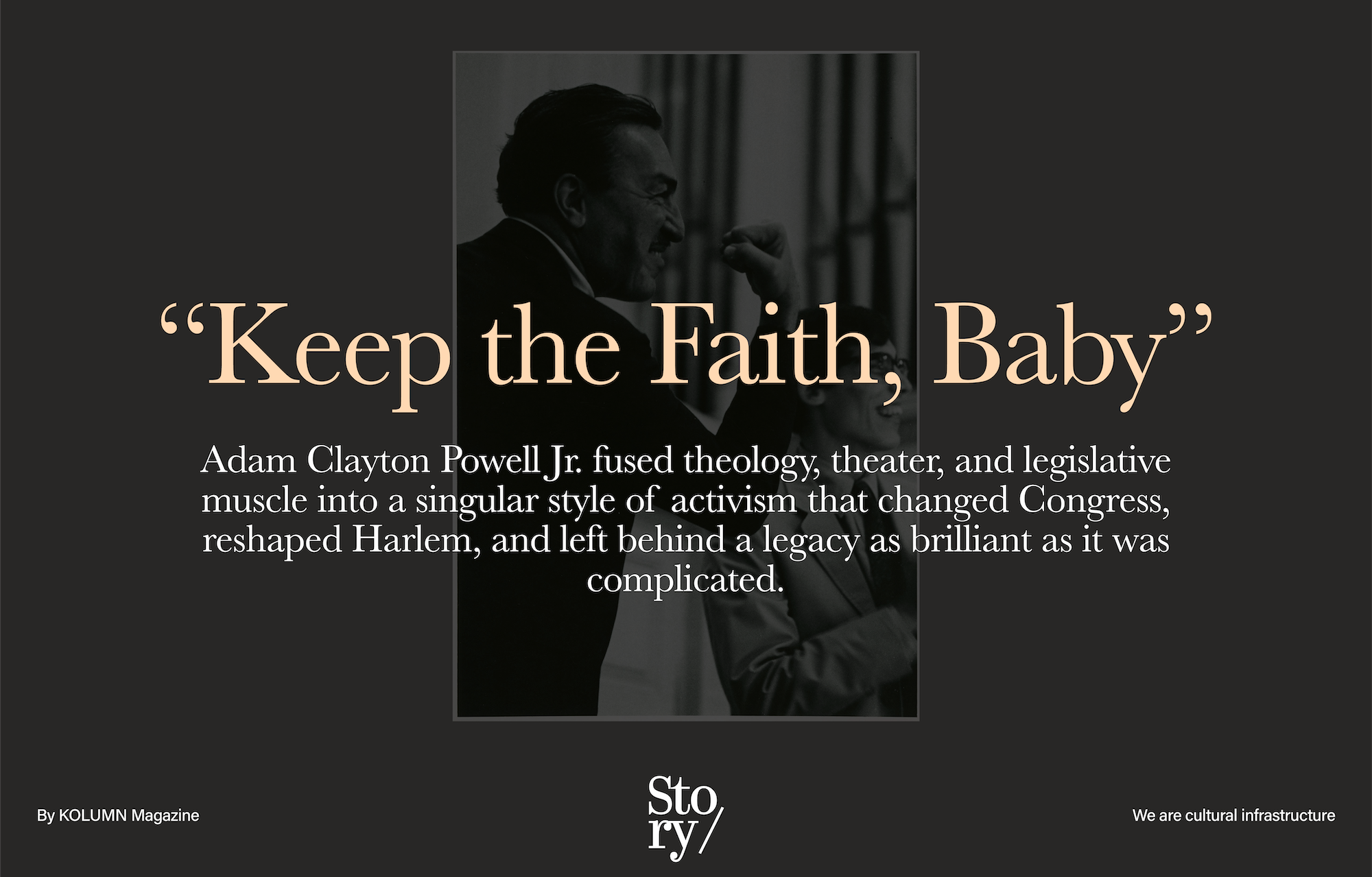
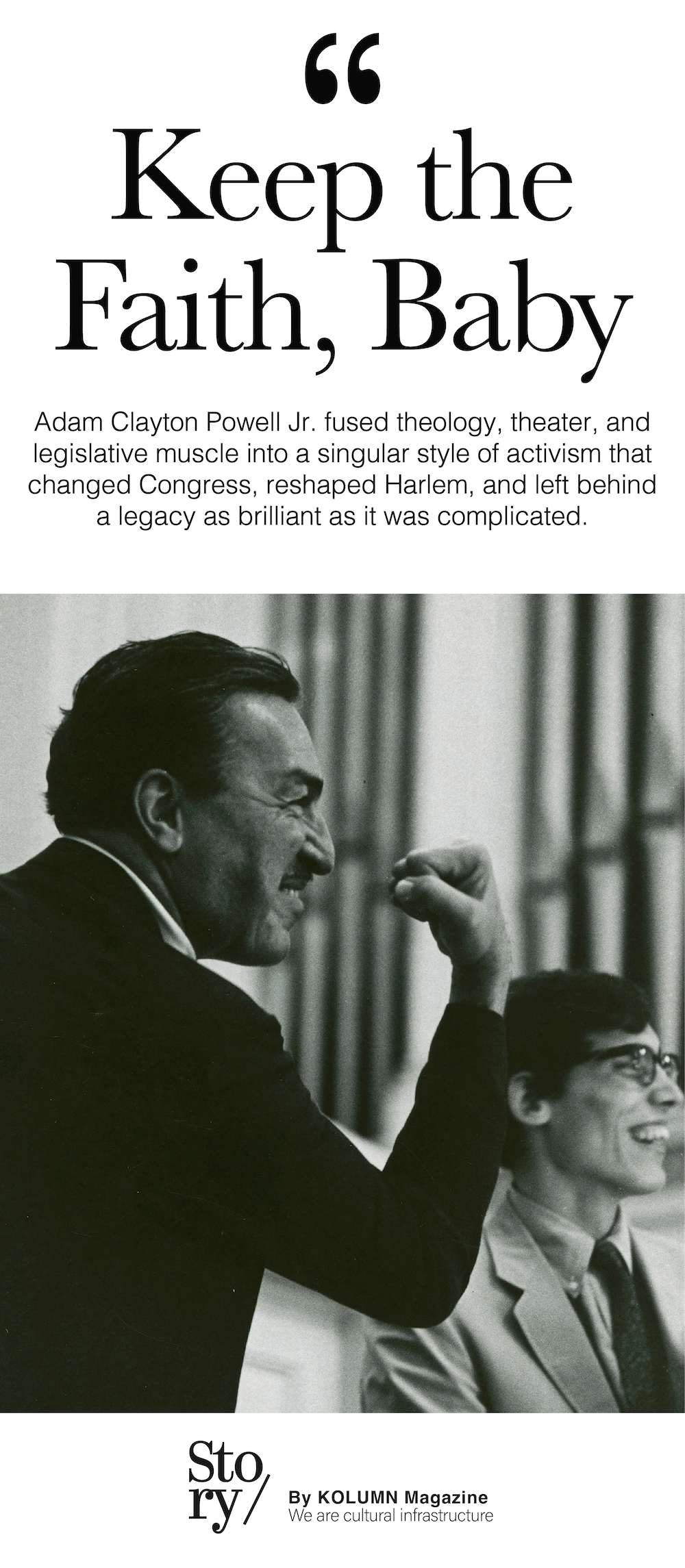
His slogan—“Keep the faith, baby”—captured part sermon, part encouragement, part performance. It also captured his political relationship with Harlem. Powell did not present himself as an administrator from a distance. He presented himself as a champion whose confidence in public was meant to stiffen confidence in private among people accustomed to exclusion. House history notes the popularity of a recording bearing that slogan, and the phrase became inseparable from his public identity.
This theatricality helped him build a national following among African Americans, many of whom saw in Powell not just a congressman but a rebuttal to the humiliations that structured public life. The confidence, the tailored suits, the refusal to act small—none of that was politically neutral. It told Black audiences that power need not always arrive dressed in apology. At the same time, it made Powell an irresistible target for critics who saw him as vain, undisciplined, or overly enamored of celebrity. Both readings contain truth.
His personal life also intensified the fascination around him. Powell’s marriage to the pianist and entertainer Hazel Scott, noted in PBS’s recent material on Scott’s life, made them one of the most visible Black couples of the 1940s. Their public prominence reflected a broader world in which Black political, artistic, and intellectual elites overlapped in important ways. Powell belonged to that ecosystem, and he understood the symbolic value of moving through it.
The limits of charisma
Yet charisma, left unchecked, can begin to look like impunity. Powell’s troubles were not invented by hostile biographers or racist opponents alone, though he had plenty of both. Britannica notes that his outspoken opposition to racism and flamboyant lifestyle made him enemies, but it also records the controversies that grew from lawsuits and allegations of misconduct. By the mid-1960s, scrutiny over his finances, travel, and attendance became impossible to separate from his public image.
House history is blunt on this point. One official account says that a myriad of legal problems and unpredictable behavior undermined his influential but controversial career. Another notes that, despite his legislative accomplishments, legal troubles and irregular attendance dogged his later years. This is the tension at the center of Powell’s legacy: the same force of personality that allowed him to batter open doors could also make him appear increasingly indifferent to rules that he treated as negotiable or selectively enforced.
There is no need to sanitize what followed. Powell faced allegations involving misuse of funds and defiance of court orders, and his absenteeism became a recurring issue. Critics in Congress and in his own district seized on those problems. Some certainly acted from principle; others no doubt relished the opportunity to bring down a Black political figure who had spent years embarrassing comfortable power. Those motives can coexist. The presence of racism does not erase misconduct, and misconduct does not erase racism.
Exclusion, reelection, and the Constitution
The crisis reached its most dramatic point in 1967. After Powell had been reelected, the House moved not merely to censure him, but to exclude him from taking his seat in the 90th Congress. According to House history, on March 1, 1967, the chamber voted 307 to 116 to exclude him, even though the special committee had recommended lesser punishments including censure. Powell responded in language that captured both his fury and his flair: “My conscience is clean,” he said. “I am in God’s hands and your hands.”
The constitutional stakes were enormous. Could the House refuse to seat a duly elected member who met the Constitution’s standing qualifications of age, citizenship, and residency? Powell said no and took the fight to court. Oyez summarizes the case as a question of whether the House could exclude an elected member who had satisfied those constitutional requirements. In 1969, the Supreme Court agreed with Powell in Powell v. McCormack, ruling that the House had acted unconstitutionally when it excluded him.
That ruling is one of the clearest reasons Powell matters beyond biography. His case helped define the limits of congressional power and clarified that the House could not add qualifications for membership beyond those in the Constitution. So even in scandal, Powell became central to constitutional history. The man whose conduct gave colleagues grounds to punish him also became the vehicle through which the Court reaffirmed a principle of democratic representation: voters, not a hostile legislative majority, decide who represents them, so long as constitutional qualifications are met.
There is another revealing fact here. After the House excluded him, Harlem sent him right back. Accounts of the period note that Powell won the special election to fill the vacancy by an overwhelming margin. That did not mean constituents were blind to his flaws. It meant many viewed Congress’s action as overreach, racialized punishment, or both. Harlem’s message was unmistakable: whatever his sins, Washington did not get to nullify Black voters’ choice so easily.
Harlem’s defense of Powell was never just about Powell. It was about the right of Black constituents to decide for themselves whom power considered respectable enough to represent them.
That distinction is crucial. Powell’s supporters were not always defending a saint. Often, they were defending democratic self-determination against paternalism dressed up as reform.
The fall
Still, public support has limits, especially when representation begins to feel remote. Powell was seated again in 1969, but the damage had been done. His attendance problems persisted, and his standing in Harlem weakened. House history notes that his growing absenteeism contributed to his loss in the 1970 Democratic primary to Charles Rangel, a younger challenger who presented himself as a more reliable vehicle for Harlem’s interests. Powell’s defeat was not simply a generational handoff. It was an indictment from voters who had once tolerated a great deal because the returns had seemed worth it.
After losing power, Powell retreated increasingly to Bimini in the Bahamas. Britannica notes that the House had deprived him of his seat in 1967 before the Supreme Court restored it; House records and later accounts trace how his final political defeat came soon after. The trajectory is almost Shakespearean in its structure: rise through uncommon talent, consolidate real authority, test limits, alienate allies, and fall not because the gifts disappear, but because the discipline required to sustain them does.
Powell died on April 4, 1972, in Miami at age 63. Sources differ on the exact wording around the medical cause in secondary accounts, but the broad historical record agrees on the date and place of death. By then, his public life had already become a story Americans told in opposing tones—admiration, exasperation, grief, vindication, caution. That variety of reaction was fitting. Powell had never been the kind of figure around whom consensus gathered easily.
Why Adam Clayton Powell Jr. still matters
The most obvious answer is representation. Powell was the first Black congressman from New York and one of the very few African Americans in Congress for years. But that answer, while true, is too small for the size of his influence. Powell mattered because he reimagined what Black representation could look like in federal office. He was not content to serve as proof of inclusion. He wanted leverage. He wanted resources. He wanted the federal government to stop pretending race was a regional issue and start acknowledging it as a national structure.
He also mattered because he linked civil rights to economic redistribution in ways that remain deeply relevant. Powell pushed fair-employment measures, anti-discrimination language tied to federal spending, wage protections, education funding, student aid, school support, and labor standards. That record challenges the narrow popular memory of civil rights as only lunch counters and buses. Powell understood, and legislated around, the fact that inequality reproduces itself through institutions that look bureaucratic rather than theatrical.
There is also a lesson in his contradictions. Black political history is too often narrated through a punishing double standard: either figures are flattened into spotless icons or reduced to cautionary tales. Powell fits neither frame. He was a builder of democratic possibility and a practitioner of self-sabotage. He was disciplined enough to help move major legislation and undisciplined enough to jeopardize his own authority. He was right, often spectacularly right, about the uses of political power. He was also too willing, at times, to behave as if his gifts placed him above ordinary restraint.
That complexity does not diminish him. It makes him historically legible. The Black freedom struggle did not advance only through saints and martyrs. It also advanced through flawed tacticians, difficult coalition-builders, egotists with real vision, insiders who loved the spotlight, and public figures who could turn performance into policy. Powell belonged to that tradition. He was not the movement entire, but he was one of the people who made it harder for America to pretend that Black demands could be postponed indefinitely.
Today his name remains etched across Harlem’s geography, most visibly in Adam Clayton Powell Jr. Boulevard. Monuments and street signs can sometimes make a figure seem settled, safely absorbed into civic memory. Powell should not be settled that easily. He should be remembered as disruptive: a pastor who weaponized the pulpit, an activist who understood appropriation bills, a congressman who embarrassed the House into revealing its limits, and a Harlem politician who believed Black voters deserved not just sympathy from the state, but a share of its power.
If there is a final way to understand Adam Clayton Powell Jr., it may be this: he helped force a transition in American politics, from symbolic Black inclusion to assertive Black claim-making. He was not alone in that shift, and he did not complete it. But he made it harder to reverse. He made the federal government answer questions it preferred to evade. He insisted that activism and legislation were not separate worlds. And for all the chaos that later clouded his image, the record still shows a man who turned Harlem into a national demand and made Washington hear it.
More great stories

The Color of Command
March 27, 2026
No Comments
Ed Bullins Wrote Black America Without Asking Permission
March 27, 2026
No Comments