




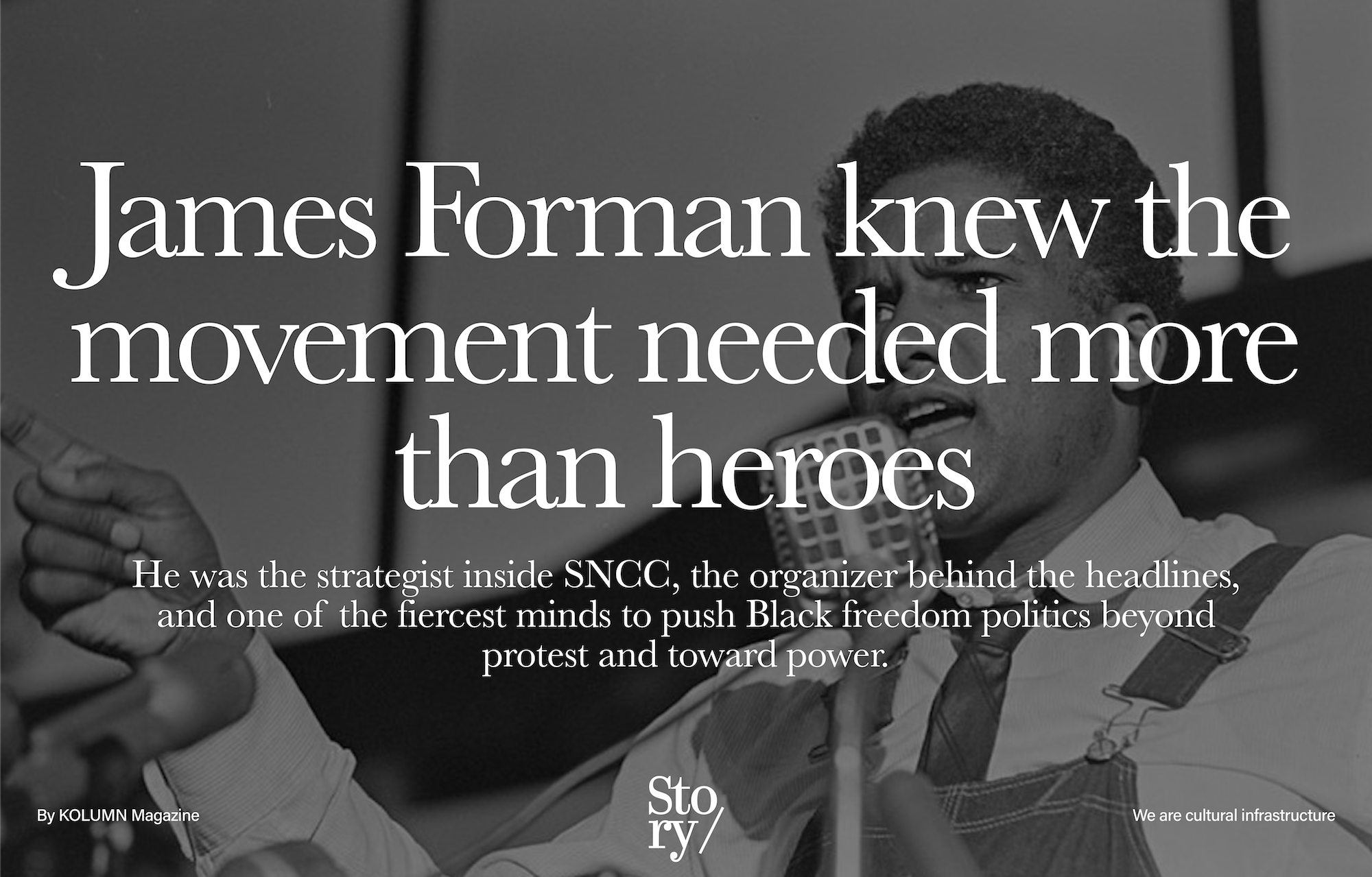
Forman understood that movements do not survive on inspiration alone; they survive on structure, money, communication, and a theory of power.
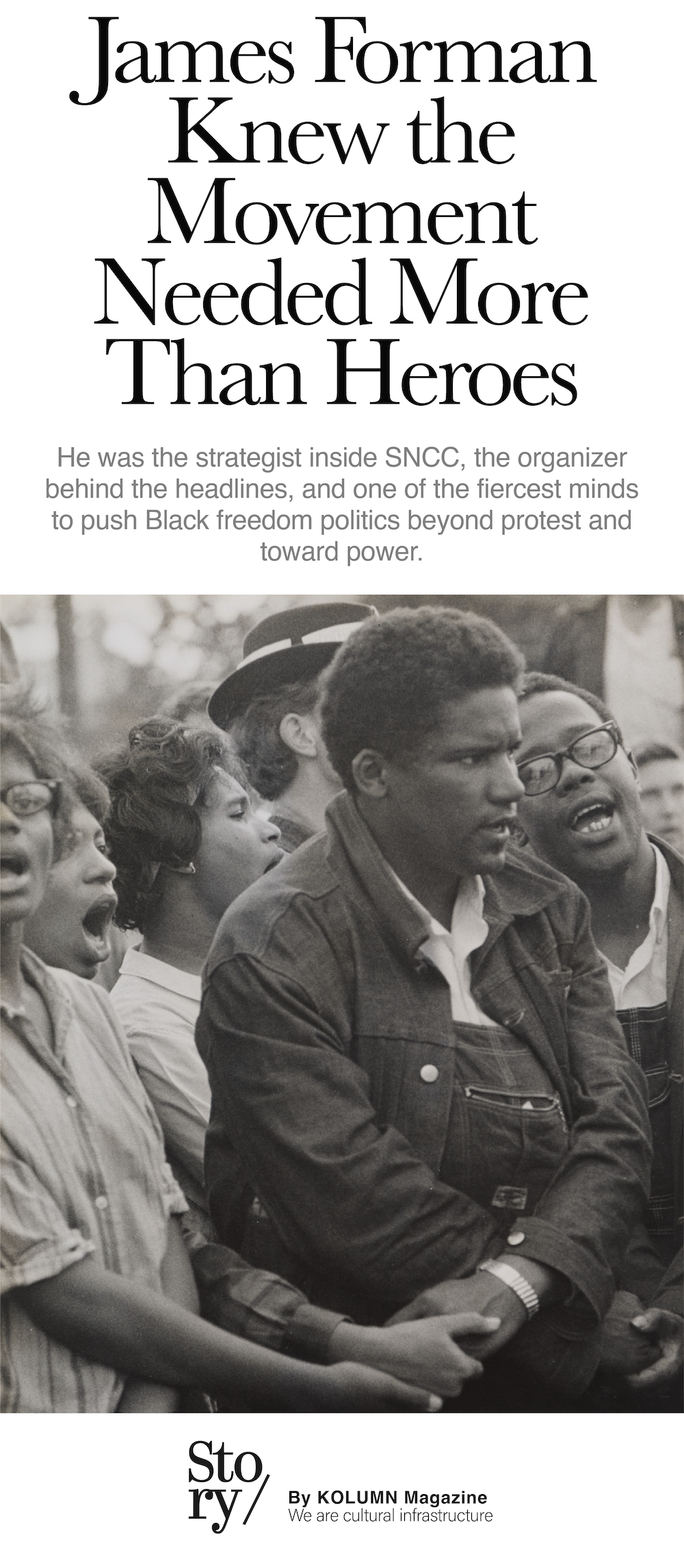
Forman understood that movements do not survive on inspiration alone; they survive on structure, money, communication, and a theory of power.
By KOLUMN Magazine
Martin Luther King Jr. became the movement’s moral voice. John Lewis came to embody courage under fire. Stokely Carmichael became, for many Americans, the face of Black Power. James Forman was something else: the organizer who made movement possible, the political mind who insisted that courage needed structure, and the strategist who believed the struggle for Black freedom had to be measured not only in desegregated lunch counters but in power, land, money, institutions, and self-determination.
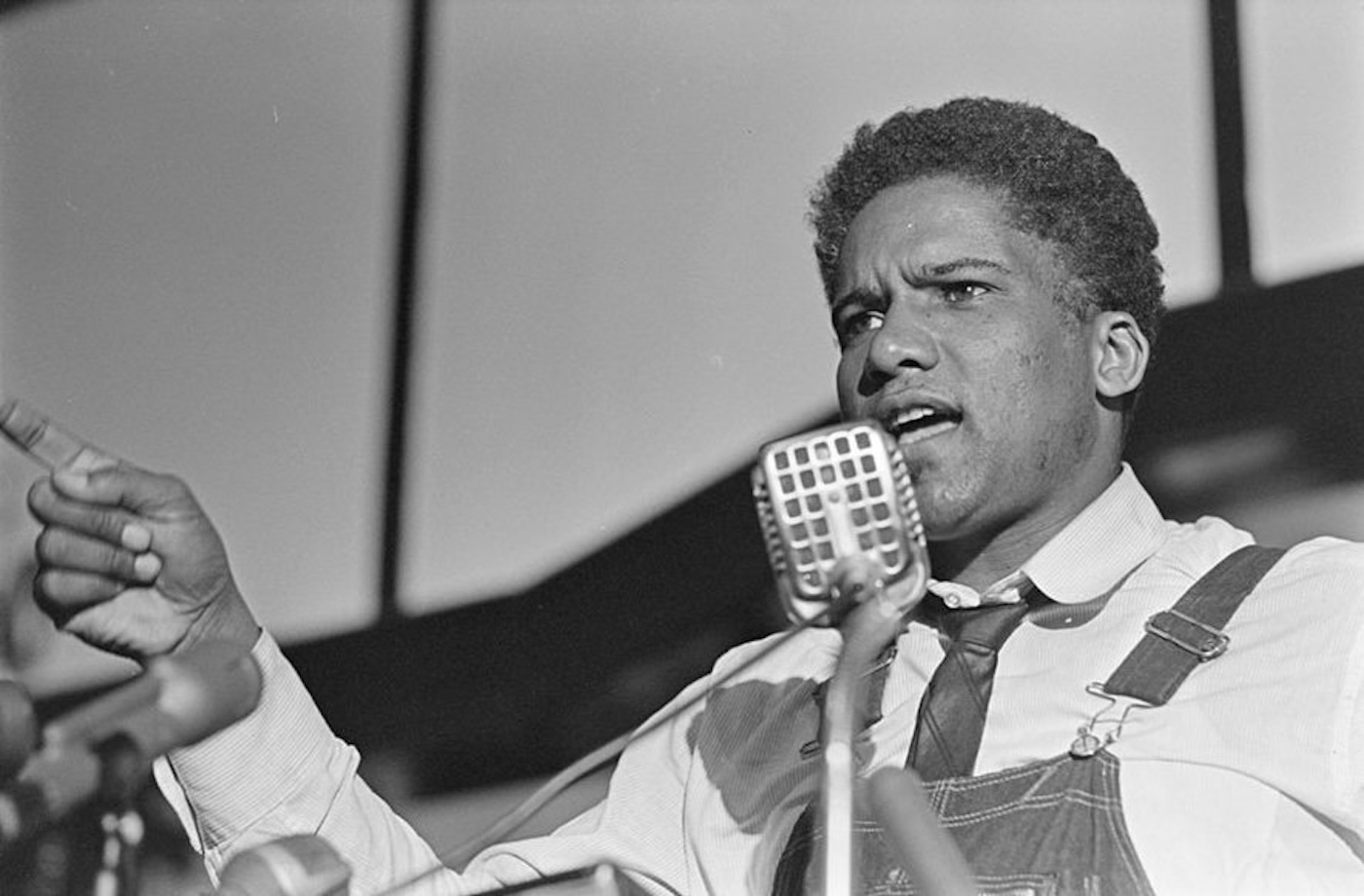
Forman is sometimes described as an underappreciated architect of the 1960s. That is true, but it can also undersell him. He was not simply a backstage technician. He was one of the people who helped define what the stage would even look like. As executive secretary of the Student Nonviolent Coordinating Committee from 1961 to 1966, he was central to the group’s operational life, helping coordinate fundraising, communications, staff support, and field work in Mississippi, Alabama, and Georgia. In practical terms, that meant he helped turn youthful courage into durable campaigns. In political terms, it meant he helped steer SNCC toward a sharper critique of American democracy than many liberal allies were prepared to hear.
That dual role matters. American public memory often favors oratory over infrastructure, charisma over administration, and individual icons over collective systems. Forman’s life complicates that habit. He was deeply ideological, sometimes abrasive, intensely disciplined, and unafraid of confrontation. He could be a manager and a revolutionary in the same breath. The same man who made sure the phones were answered, the money was raised, and the field secretaries were supported also helped move the movement toward a language of Black autonomy, anti-capitalism, internationalism, and reparations.
To understand Forman’s significance, then, is to understand a less romantic but more durable truth about social change. He belonged to the wing of the freedom struggle that asked hard institutional questions. Who controls resources? Who defines strategy? What happens after a demonstration ends? What does equality mean if Black communities remain poor, policed, and politically vulnerable? Those questions made him indispensable in the 1960s and controversial after them. They also make him startlingly contemporary now.
A childhood shaped by deprivation and clarity
James “Jim” Forman was born in Chicago on October 4, 1928, but much of his childhood unfolded in Marshall County, Mississippi, where he lived with his grandmother on a farmhouse without running water and other basic amenities. He later connected his political formation directly to those years, to rural poverty and the daily humiliations of Jim Crow. The fact of deprivation was not abstract for him. It was intimate, repetitive, and educational.
That early life matters because Forman’s politics did not emerge from theory first. They emerged from contact with inequality so severe that it rearranged how he understood the country. Many civil rights leaders spoke about democracy betrayed. Forman, from an early age, knew democracy as something unevenly distributed, conditional, and often fraudulent. The Mississippi of his childhood was not simply segregated; it was a social order built to normalize Black dispossession. Later in life, when he pushed beyond the language of integration toward a broader critique of economics and power, he was not abandoning the movement’s moral center. He was following the logic of what he had seen from the beginning.
At age six, he returned to Chicago. There he attended Catholic and then public schools, graduated with honors from Englewood High School, served in the Air Force, and continued his education, eventually graduating from Roosevelt University in 1957 after transferring from the University of Southern California. One National Park Service account notes that he transferred after being beaten and arrested by police while in Los Angeles, another reminder that anti-Black state violence was hardly confined to the South.
Chicago gave Forman something Mississippi could not: broader institutional access, exposure to urban politics, and a route into journalism and intellectual life. But it did not spare him from the core lesson that race and power were interwoven. By the late 1950s he was already moving from observation to participation. In 1958 he traveled to Little Rock to cover the school desegregation crisis for the Chicago Defender, and in late 1960 he went to Fayette County, Tennessee, to assist sharecroppers who had been evicted for registering to vote. Those experiences were not side notes. They were bridges between reporting on struggle and entering it.
Entering SNCC and changing its scale
When Forman joined SNCC in 1961, the organization was young, restless, and still defining itself. Born out of the sit-in movement, SNCC had moral clarity and daring, but it also had the ordinary fragility of a fast-growing organization working under extraordinary pressure. Its members were often very young. They were brave enough to face jail, beatings, and death, but bravery does not automatically produce institutional durability. Forman arrived with more age, more organizational experience, and a more developed sense that movements require disciplined internal systems. Within a week of joining, he was elected executive secretary.
The title can sound bureaucratic. In reality, it was foundational. SNCC’s executive secretary was not a ceremonial officer. Forman helped make sure field organizers had material support, that communications functioned, that fundraising kept pace with danger, and that the national office served the needs of people in the field rather than simply projecting a public image. The SNCC Digital Gateway describes him as the leader who used his “considerable talents as an administrator” so field workers in Mississippi, Alabama, and Georgia could do their jobs. That administrative language should not obscure the politics embedded in it. To keep organizers in the field in the Deep South in 1962, 1963, or 1964 was not a paperwork exercise. It was movement strategy under siege.
Forman also recognized communications as a battleground. Under his leadership, SNCC developed a more coherent communications apparatus, including newsletters, flash reports, and media work capable of both publicizing local terror and shaping national interpretation. In a movement where white violence was often denied, minimized, or localized, communications were not secondary. They were part of how the movement forced the country to see itself.
This is one reason Forman’s legacy can seem harder to narrate than that of more visible leaders. Much of his greatness resided in capacity-building. He did not merely appear at climactic moments; he helped create the conditions under which those moments could happen. If the freedom struggle had shock troops, as Taylor Branch told the Associated Press in 2005, Forman was one of the figures making sure those troops had a functioning apparatus behind them. John Lewis put it even more plainly, calling him “the glue that held the young people together” during a volatile period.
From protest to campaign
Forman’s years in SNCC overlapped with nearly every major theater of the movement’s most intense period: the Freedom Rides, voter registration drives, the Albany Movement, the Mississippi campaigns, the March on Washington, Selma, and the long struggle over the relationship between local organizing and national leadership. He was jailed in 1961 with Freedom Riders protesting segregated facilities in Monroe, North Carolina, where he also encountered Robert F. Williams and the sharp debate over armed self-defense versus nonviolence.
That Monroe episode is important because it points to a recurring feature of Forman’s politics: he was never fully contained by respectability narratives about the movement. He came out of SNCC, an organization committed to nonviolent direct action, but he was also willing to think seriously about self-defense, state violence, and the limitations of an exclusively moral appeal to the American conscience. In that sense he anticipated a wider shift that would become more visible later in the decade.
Forman was also central to the movement’s electoral and democratic flank. In Mississippi, Alabama, and southwest Georgia, SNCC’s work was not simply about integrating facilities; it was about cracking open local systems of exclusion that had long been maintained through terror. That required organizing ordinary Black people, many of them poor and rural, to register, vote, testify, house workers, attend meetings, and risk retaliation. The Library of Congress finding aid to the James Forman Papers underscores the extent of those records, especially from Mississippi, where files include reports, affidavits, and documentation of violence. Those papers suggest the scale of labor behind what later entered textbooks as a few famous episodes.
Forman’s significance also appears in moments that reveal the movement’s internal tensions. He participated in the planning orbit around the 1963 March on Washington, helping prepare the original, sharper version of John Lewis’s speech before older leaders pressed for revisions. That episode captured something essential: Forman belonged to the current of the movement that wanted to use the march not just as a patriotic appeal but as a sharper indictment of American society.
The tension was not merely rhetorical. SNCC often felt that organizations like SCLC received the publicity while SNCC workers absorbed much of the danger. The Associated Press obituary summarized that friction bluntly: the students believed King got the attention while they did much of the suffering. Forman, older than many of the students but deeply identified with their sensibility, was one of the people who translated that frustration into organizational independence.
The organizer as critic
What distinguished Forman from many contemporaries was not simply his ability to make organizations function. It was his insistence that organizations think critically about themselves. After Freedom Summer and the crushing disappointment of the 1964 Democratic National Convention, where the Mississippi Freedom Democratic Party was denied full seating, SNCC entered a period of reflection and argument. Forman helped organize the Waveland retreat in Mississippi, a key moment of internal reassessment.
Waveland matters because it showed Forman’s political temperament. He was not interested in vague uplift. He believed movements had to evaluate failures, confront internal contradictions, and adjust strategy accordingly. That approach made him harder to sentimentalize than some of his peers, but it also made him more durable as a thinker. He understood that state power adapts; movements must do the same.
By the mid-1960s, SNCC itself was changing. The country often narrates this period as a simple movement from nonviolence to Black Power, or from idealism to militancy. Forman’s trajectory suggests a more complicated story. He did not simply become radical all at once. He was part of a long internal process in which the failures of liberalism, the persistence of white violence, and the limits of symbolic victories pushed organizers toward more structural analyses. He remained attentive to the importance of Black political organization, economic control, and international solidarity long before those themes became fashionable shorthand.
His differences with Martin Luther King Jr. and SCLC were real, but they should not be flattened into caricature. Forman was not anti-King in any simplistic sense. Rather, he represented a strategic and ideological current that distrusted overreliance on charismatic leadership, worried about liberal co-optation, and placed heavier emphasis on bottom-up organizing. His problem was not with morality. It was with whether morality, without power, could change entrenched structures fast enough.
Selma, strain, and the limits of coalition
The Selma period exposed how bruising these internal tensions had become. SNCC and SCLC did not operate with seamless unity, despite how later public memory sometimes compresses them into a single moral front. Accounts of the period note conflict after King turned a march around and SNCC organizers pursued a more independent course in Montgomery. Forman was in the middle of those disputes, which were strategic, personal, and organizational all at once.
This matters because Forman’s legacy is not that of a saintly consensus-builder. He was combative. He was often impatient. He could press conflicts instead of softening them. But in retrospect, many of the things he fought over were not trivial. They concerned who controlled movement direction, whether local people or national leaders set priorities, and what came after federal legislation. Those arguments were not signs of a broken movement. They were symptoms of a serious movement confronting the inadequacy of the country’s response.
The emotional and physical toll was enormous. One account notes that after the Selma conflicts, Forman suffered a breakdown and left for Puerto Rico for a time. Even if one handles such accounts carefully, the larger truth is clear: this was work done under punishing conditions. Forman’s life reminds us that movement leadership was not only dangerous because of assassination, jail, and beatings. It was also exhausting in slower, less cinematic ways.
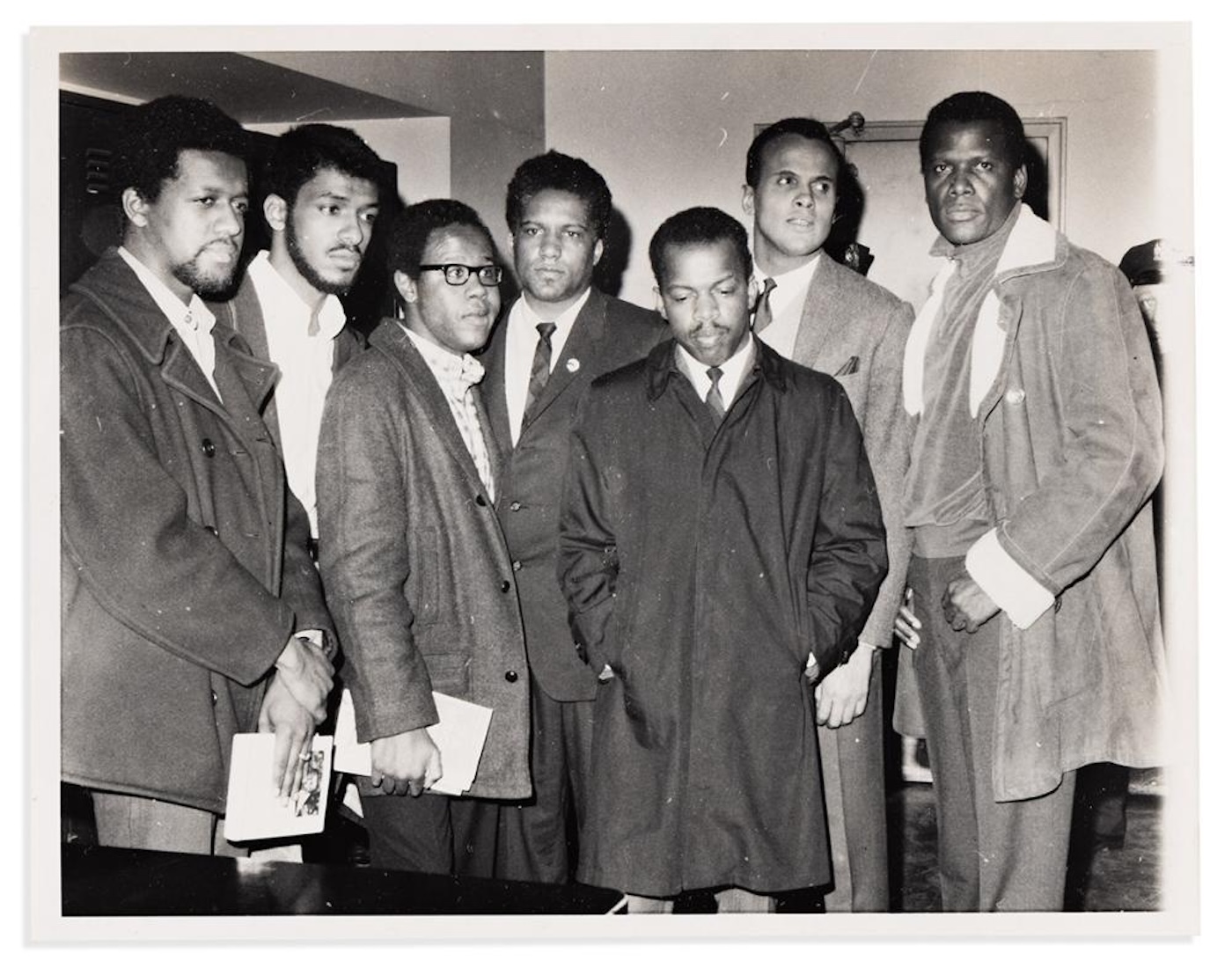
Beyond civil rights into Black Power and internationalism
By the late 1960s, Forman had become one of the clearest exponents of a politics that linked Black freedom in the United States to anti-colonial struggle abroad and to economic restructuring at home. Stanford’s King Institute notes that he joined forces with the League of Revolutionary Black Workers in 1968 and, in 1969, delivered the “Black Manifesto,” demanding that white churches pay $500 million in reparations for the exploitation of Black people.
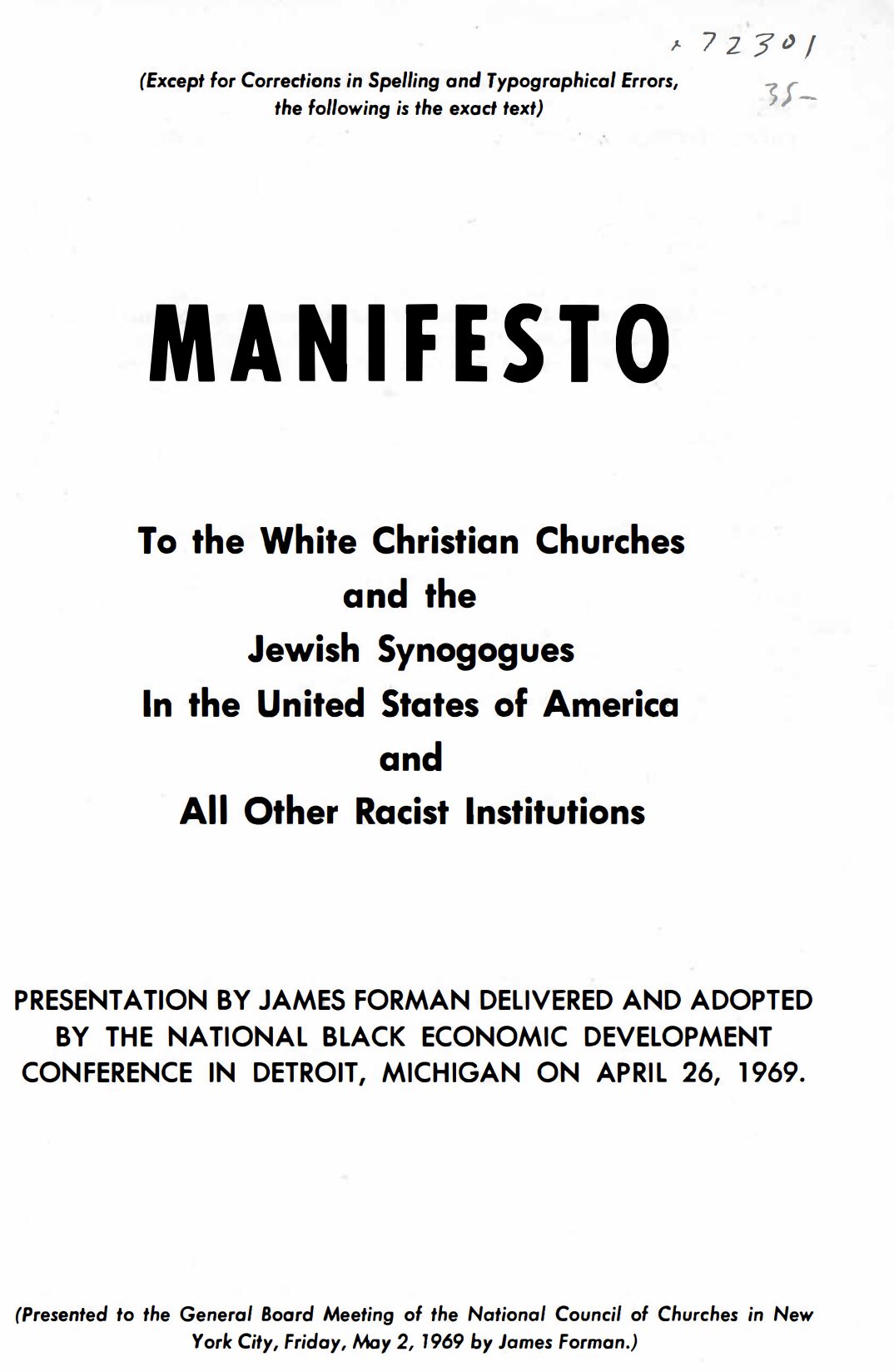
That manifesto is one of the most important and still under-discussed documents of post-civil-rights radicalism. It did not merely ask for apology or symbolic repair. It demanded capital for institutions: a Black university in the South, media and communications training, labor strike and defense funds, support for welfare organizing, cooperative development in the United States and Africa, and other mechanisms of community power. The text proposed not charity but redistribution. It treated the church not as a sentimental moral authority but as a wealthy institution implicated in a racial order.
When Forman delivered the manifesto at the National Black Economic Development Conference in Detroit and then again at Riverside Church in New York in May 1969, he forced a confrontation that reverberates even now. SNCC Digital Gateway notes that the document emerged from a conference on implementing Black Power economically, and that Forman, speaking on behalf of the conference, transformed the proposal into a direct demand on white churches and synagogues. The moment was disruptive by design. It sought to make institutional complicity visible.
The Black Manifesto is often reduced to a sensational anecdote about storming a church service. That framing misses the document’s seriousness. It was not only provocation. It was program. Its demands reveal Forman’s mature political worldview: racial justice required material transfer, Black-controlled institutions, transnational solidarity, and organized confrontation with capital. In contemporary language, one might call it a reparations framework fused with movement infrastructure planning. In 1969, it was explosive.
Why the Black Manifesto still matters
Forman’s reparations politics can read as startlingly current. In recent years, debates over reparations have reentered the American mainstream through municipal programs, university initiatives, legislative proposals, and journalism. But Forman was articulating a reparative logic decades earlier, and in a form less easily absorbed into corporate statements or symbolic commissions. He wanted money moved, institutions funded, and power redistributed.
That insistence tells us something about his place in movement history. Forman was among the figures who refused the narrowing of civil rights into a story about legal access alone. For him, a desegregated society that left Black communities economically subordinate was not a finished democracy. That argument helped bridge the classic civil rights era and later Black radical traditions concerned with political economy, labor, welfare rights, and global anti-imperialism.
He was not alone in making those arguments, of course. But his version had unusual credibility because it came from someone who had spent years doing the unglamorous institutional work of the movement. Forman did not arrive at reparations by skipping over voter registration and direct action. He arrived there by concluding that those achievements, while indispensable, were insufficient without economic transformation.
Writer, teacher, historian of his own generation
Forman’s later decades were not a retreat from history but another way of intervening in it. He wrote major books, most notably The Making of Black Revolutionaries, a text that scholars and activists still treat as a crucial account of SNCC, Black radicalism, and the ideological evolution of the freedom struggle. The Washington Post, in a 2005 reading list by Clayborne Carson, called it a “yeasty blend of social history and ideological combat,” which feels exactly right for a writer like Forman: intellectually serious, argumentative, unsanitized.
He also pursued graduate work and taught, continuing to shape how later generations understood the movement. Library of Congress materials on his papers and legacy make clear that his archive is immense, covering not only SNCC but also later work in politics, foreign relations, civil rights, and writing. That scale reflects a life that cannot be reduced to one organizational title or one dramatic episode.
Forman mattered as a writer because he refused the smoothing effect that official memory often imposes. He preserved struggle as struggle: contested, ideological, incomplete. In that sense he served as a corrective to public narratives that prefer the civil rights movement when it appears unified, church-centered, and safely concluded. Forman’s work insisted that the movement was also secular, argumentative, youth-driven, economically radical, and international in scope.
Why he remains less famous than he should be
There are several reasons Forman is less widely remembered than some of his contemporaries. One is that organizers who build institutions are often overshadowed by leaders who personify them. Another is that his politics became more radical precisely at the point where mainstream memory prefers closure. America has been far more comfortable commemorating racial reconciliation than confronting demands for reparations, cooperative economics, and revolutionary transformation. Forman was difficult to nationalize into an uncomplicated hero because he kept asking for more than the nation wanted to give.
There is also the matter of style. Forman was not designed for myth in the same way as some of his peers. He was not primarily a preacher, not chiefly a martyr, not neatly a public philosopher. He was an organizer-intellectual whose gifts included management, polemic, and structural analysis. That combination does not always photograph as cleanly as a march or a sermon. But history, when taken seriously, should be less interested in photographability than consequence. On that measure, Forman belongs near the center of the modern freedom struggle.
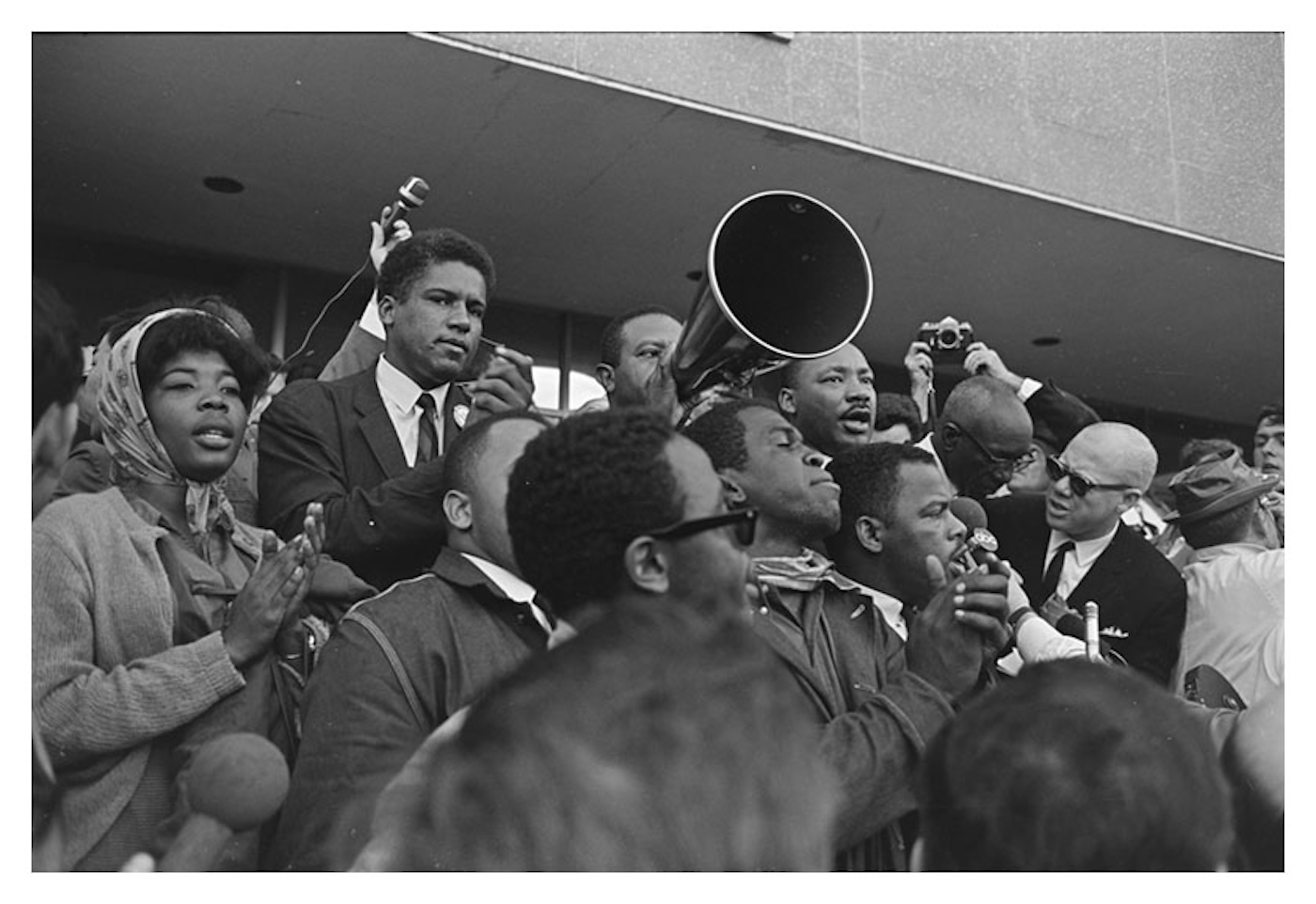
Death and afterlife
James Forman died on January 10, 2005, in Washington, D.C., after a long battle with colon cancer. He was 76. The Associated Press obituary emphasized both his leadership in SNCC and his role in inspiring young people during the 1960s. But the more striking thing, looking back, is how many of the questions he pressed remain open.
What would it mean to fund Black institutions at scale? What obligations do wealthy religious or civic bodies owe communities harmed by the systems from which those bodies benefited? How should movements balance moral witness and material strategy? How do organizers build durable structures without reproducing hierarchy? What is the relationship between civil rights, economic democracy, and global anti-colonial struggle? Forman did not settle these questions. He made it harder to avoid them.
The measure of his significance
James Forman’s significance lies partly in his résumé: SNCC executive secretary, Freedom Rider, March on Washington organizer, movement writer, Black Manifesto author. But résumé is the smallest way to read him. His deeper significance is conceptual. He helps explain the movement to itself. Through him, one can see how the Black freedom struggle moved from protest to governance, from desegregation to political economy, from appeals to conscience to demands for redistribution, and from national civil rights to international Black solidarity.
He also helps correct one of the enduring distortions in how the 1960s are remembered. The civil rights movement was not sustained by inspiration alone, nor by one style of leadership, nor by one theory of change. It required field organizers, administrators, researchers, writers, fundraisers, strategists, local people, and internal critics. Forman was several of those roles at once. That is precisely why he is so important and why he can be harder to compress into popular memory.
For KOLUMN readers, Forman offers another lesson too. He challenges the tendency to divide Black history into respectable and radical camps, as though one must choose between voting rights and reparations, between direct action and institution-building, between citizenship and self-determination. Forman’s life says those binaries are too easy. He moved through each of those terrains because he understood that Black freedom had always required multiple vocabularies at once.
In the end, James Forman may be one of the best guides to the movement precisely because he was never content with the movement’s most comfortable versions of itself. He wanted organizations that could withstand repression, politics that could name exploitation, and demands that were large enough to match the scale of Black suffering and Black aspiration. He did not ask America simply to be kinder. He asked what it would take for Black people to be free in material, institutional, and political terms. That question remains unfinished. His life is one of the reasons it cannot be dismissed.
More great stories
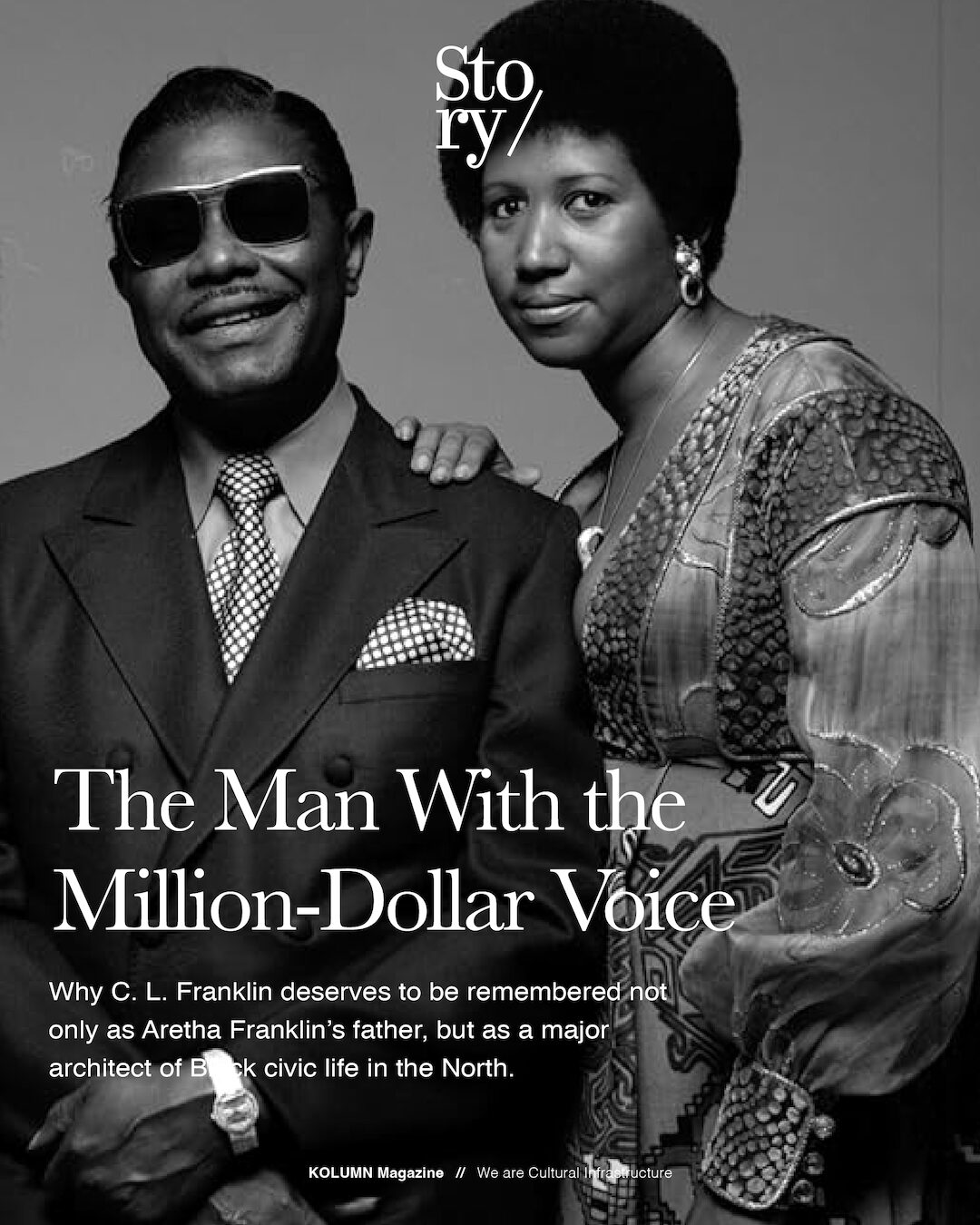
The Man With the Million-Dollar Voice
March 10, 2026
No Comments
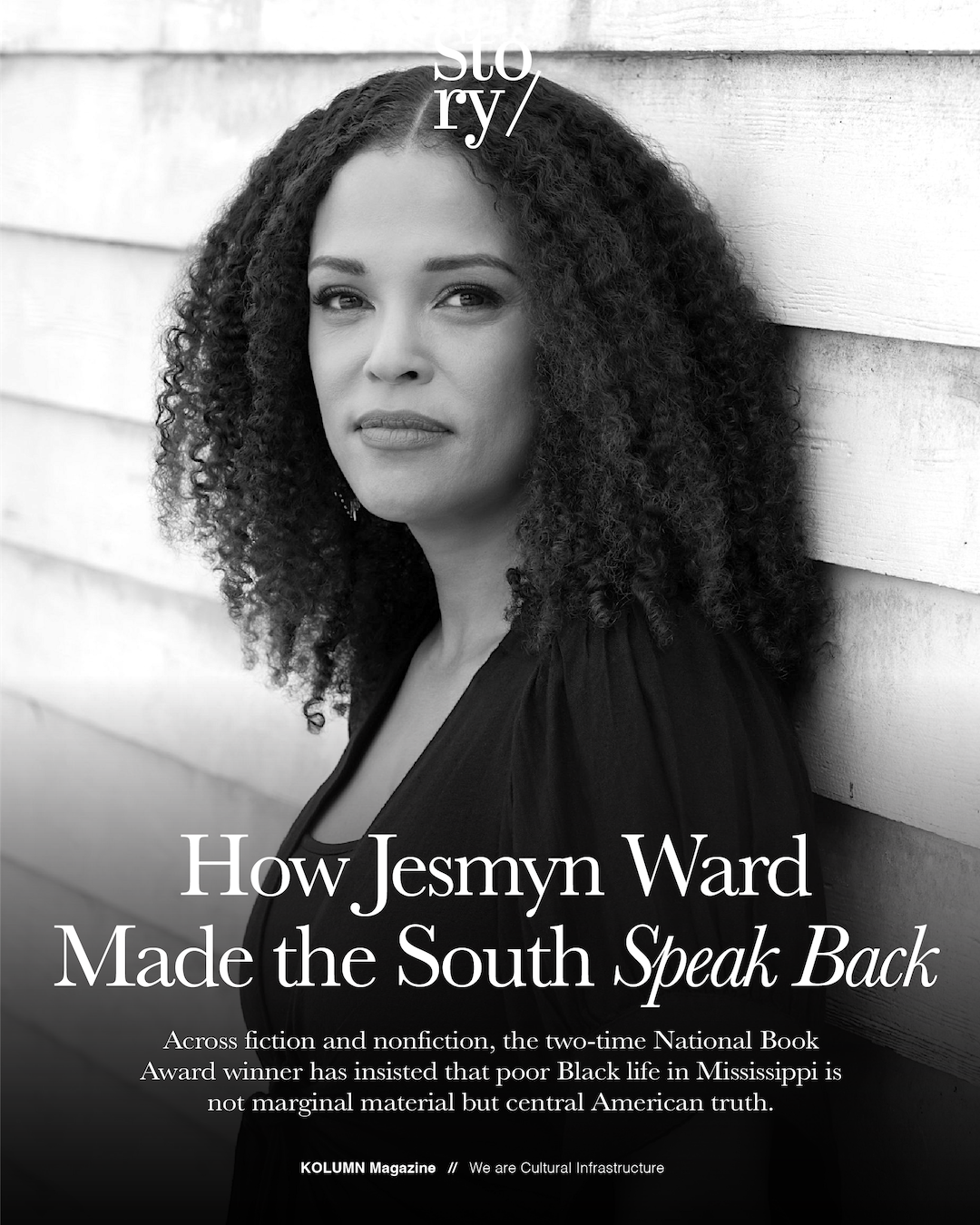
How Jesmyn Ward Made the South Speak Back
March 9, 2026
No Comments