






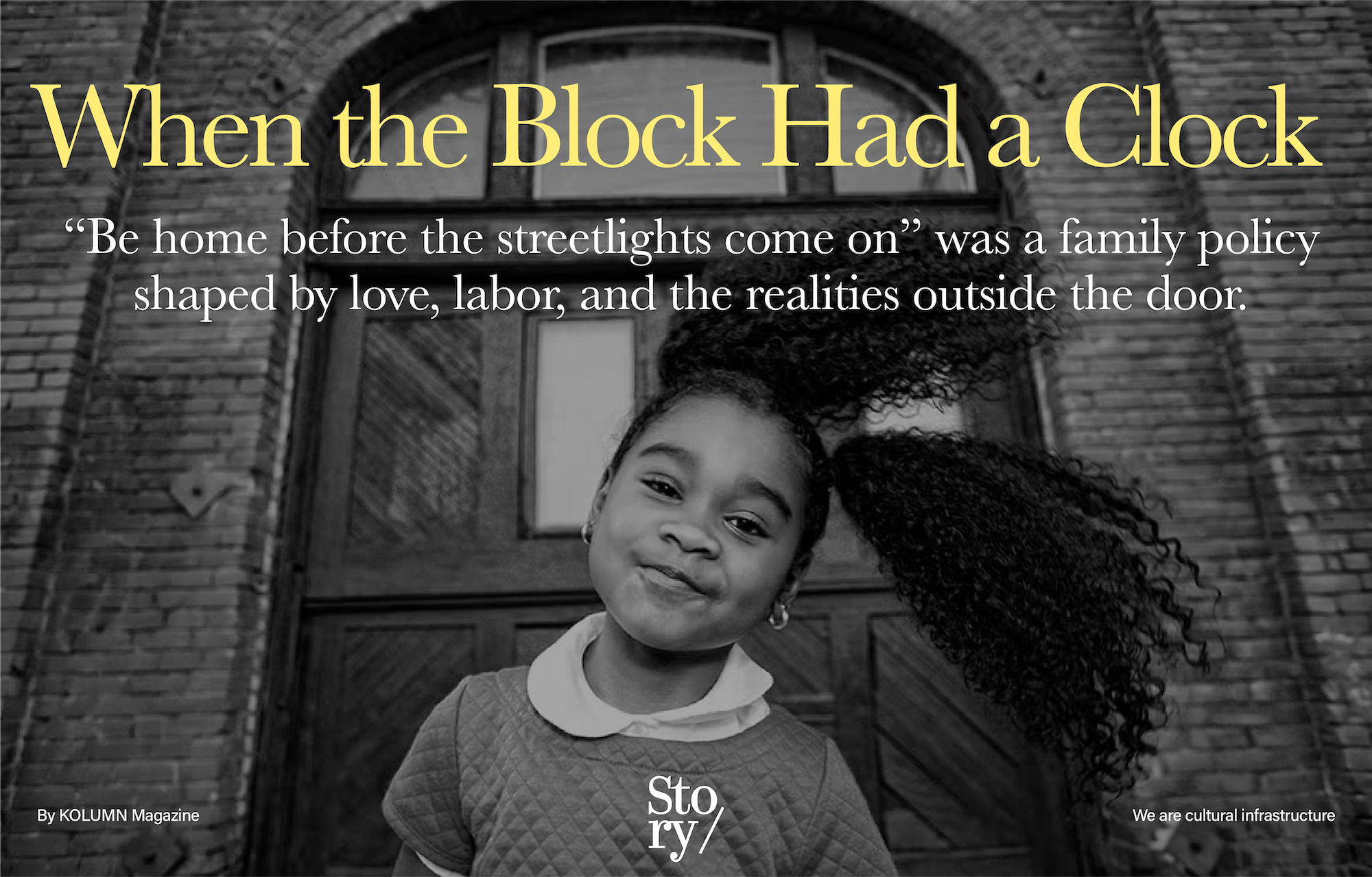
“Not when it comes on. Before.”
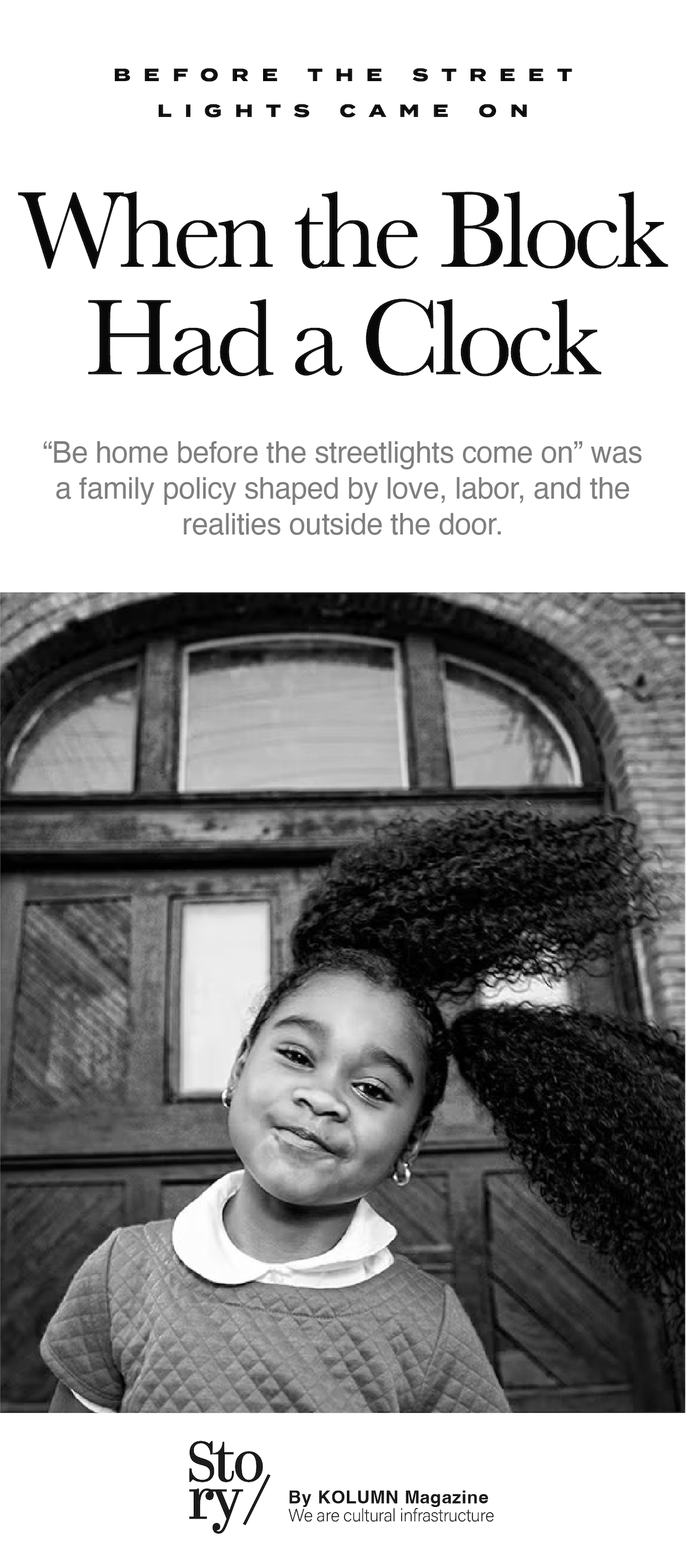
“Not when it comes on. Before.”
By KOLUMN Magazine
There are certain sentences that don’t need context if you grew up Black in America. You can say them in a room full of strangers and watch heads nod like you just read out loud from a family Bible. “Fix your face.” “Don’t let me find out.” “You got McDonald’s money?” And—maybe the most universal, the one that practically carries the smell of summer heat and hose water—“Be home before the streetlight comes on.”
Not when it comes on. Before.
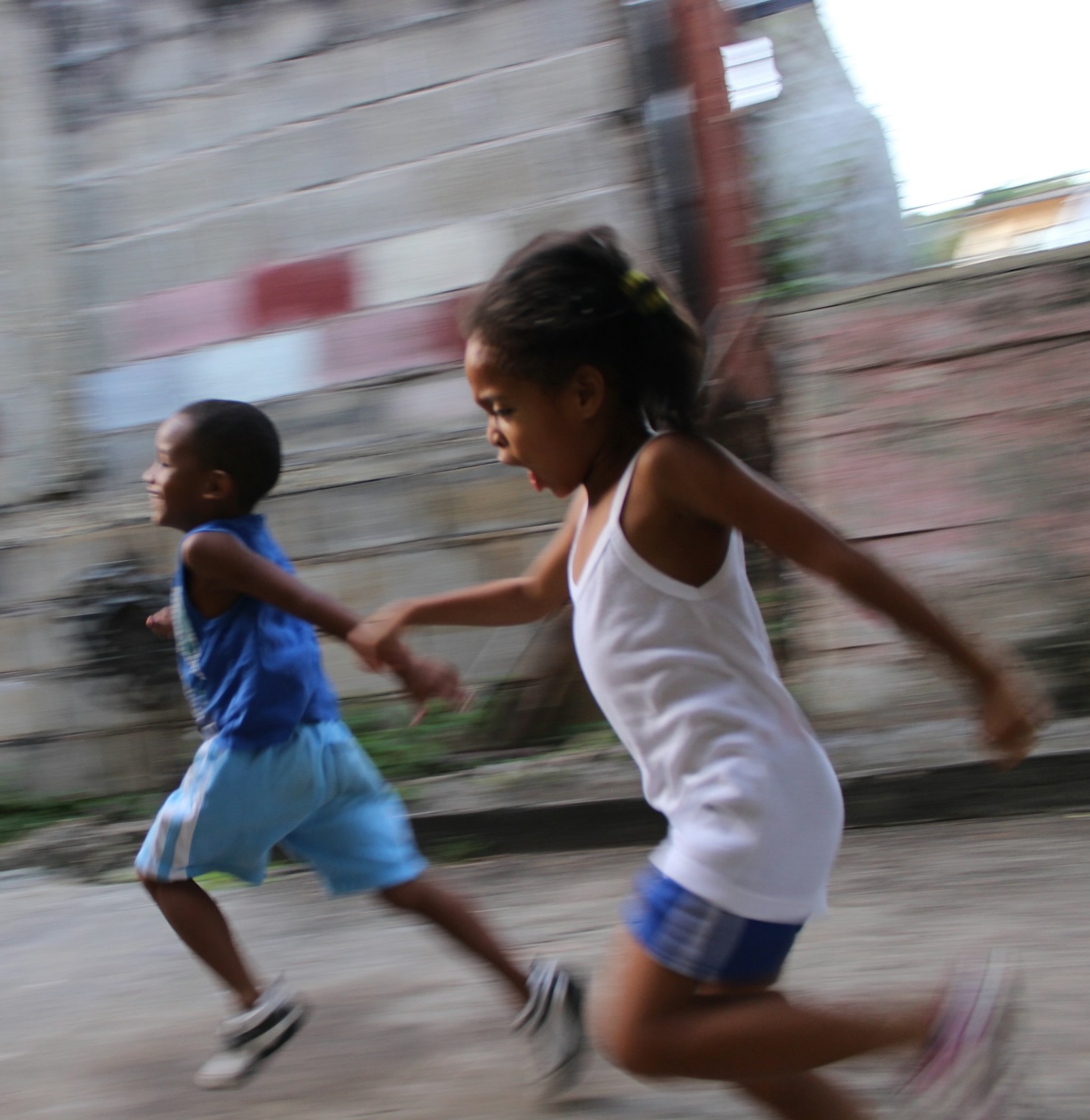
That “before” did a lot of work. It wasn’t only about obedience. It wasn’t only about respect. It wasn’t even only about time. It was about a worldview: one where daylight was a kind of permission slip and darkness came with consequences you could not always predict or control. It was also about trust—trusting kids to roam, to be kids, to learn the neighborhood like a second language, but also trusting them to recognize the moment when the rules changed.
In the popular nostalgia version of the phrase, it’s almost cute. A throwback. A meme. A hashtag. Proof that you’re from the era of scraped knees, loud laughter, and parents who didn’t hover. But the line has always had two tones at once: a wink and a warning. Plenty of adults remember the freedom it implied—kids out on bikes, playing tag, running to the corner store, inventing whole worlds on sidewalks—right up until the streetlights came on and everybody sprinted home like the block itself just blew a whistle. In The Washington Post, columnist Lonnae O’Neal described her childhood as so “free-range” that she left in the morning and came back when the streetlights came on—and she places that memory squarely in the realities of Black family life, where parents worked and older children watched younger ones.
But there’s another layer that sits under the nostalgia: the understanding, passed down without a formal lecture, that being Black outside after dark could turn ordinary situations into dangerous ones. Heather McTeer Toney, an environmental justice leader and former EPA regional administrator, frames the phrase as a warning “to avoid situations that could endanger young Black lives,” in an interview about her book Before the Streetlights Come On. When you listen closely to how Black parents talk about it—especially now, in a world shaped by viral videos, policing controversies, and a constant drumbeat of anxiety—the phrase reads less like a cute curfew and more like a survival protocol.
And yet: it’s also a love language. It’s a way of saying, I want you to have a childhood, but I need you to make it back.
The streetlight as a neighborhood clock
One reason the phrase has lasted is because it’s built on a piece of infrastructure everybody could see. You didn’t need a watch. You didn’t need a phone. You didn’t even need the sun to be fully down. The streetlight itself became the community’s clock—public, reliable, and synchronized.
Streetlights, of course, weren’t always automatic in the way many people remember them. Cities once relied on systems that were literally turned on by people—lamplighters moving from post to post—before electrification and networked grids made “lights on at dusk” a routine expectation. The Atlantic has traced how early electric lighting experiments included “moonlight towers,” an early attempt to flood whole areas with artificial light before the modern streetlight grid became standard. Even in a city like Los Angeles, the record of street lighting reads like a story of urban growth and evolving technology, from early expansion-era needs to postwar designs to modern LED deployment.
But the cultural meaning of the streetlight isn’t the same as its engineering history. In Black neighborhoods—especially across the decades when many urban communities were shaped by segregation, disinvestment, and later gentrification—the streetlight was both ordinary and symbolic: a line between the supervised world and the unsupervised one, between “kids being kids” and “anything can happen.”
If you grew up in a place where adults sat on porches or stoops and kept half an eye on the block, the streetlight curfew fit into a whole ecology of communal watchfulness. In KOLUMN Magazine’s reporting on the “Candy Lady” tradition—women whose homes became neighborhood hubs—the writer describes kids playing until the streetlights came on, and frames these domestic spaces as informal infrastructure: private homes functioning as public anchors, with adults enforcing rules, maintaining order, and quietly keeping children within an adult orbit. That’s the world where “before the streetlights” makes perfect sense: not as an isolated instruction, but as part of a neighborhood system.
It’s also why the phrase can feel so specific and so universal at once. Specific, because you can hear the exact voice it came in—your mother’s, your father’s, your grandmother’s, your auntie’s—plus the unspoken add-on: and don’t make me come looking for you. Universal, because it worked anywhere the streetlights were visible and the neighborhood had enough kids outside to make dusk feel like a daily migration.
Freedom, with a boundary
A lot of Black adults talk about “streetlight time” with a particular kind of pride: we had freedom, and we handled it. We learned how to move in groups, how to negotiate with older kids, how to read the mood of a block, how to get home fast when it mattered. O’Neal’s Washington Post column captures that ethos: she describes the skills embedded in that freedom—navigating streets, negotiating with people, solving boredom, getting into things and mostly getting out of them.
That version of childhood—roaming until dusk—has been shrinking across American life, and not just for Black families. In The Atlantic, one writer reflects on the “hands-off approach” to parenting that older generations remember, where kids were outside until the streetlights came on, and contrasts it with contemporary American cities that often feel hostile to children’s independence. The streetlight curfew becomes, in that telling, shorthand for a lost model of public childhood—one where kids belonged to the neighborhood and adults didn’t have to schedule play like an appointment.
But Black families have always carried an extra calculation inside that freedom. In many households, the rule wasn’t simply about darkness; it was about what darkness does to the social landscape. The same block that felt safe at 4 p.m. could feel unpredictable at 9 p.m. Not because the neighborhood magically turned “bad,” but because visibility changes how people behave—and how authorities perceive you.
That’s where the phrase stops being just a parenting style and starts being an adaptation to social reality.
Why “before” mattered more in Black households
In the simplest sense, parents set curfews because kids need boundaries. But in Black America, boundaries have often been shaped by forces outside the home: policing patterns, the risk of harassment, neighborhood violence, and the ways Black children—especially Black boys—have historically been treated as older, guiltier, and more threatening than they are.
You can see this tension in Black cultural commentary that treats childhood itself as something that has to be defended. The Root has written about the fragility of Black boyhood and the scarcity of violence-free childhood memories, using “making it home before the streetlights come on” as a stand-in for innocence that can be stolen by a society that doesn’t grant Black kids the same presumption of harmlessness.
And in more contemporary parenting reflections, that anxiety becomes explicit. In a 2023 essay for The Root, a writer describes becoming a parent and suddenly understanding why her parents wanted her home before the streetlights came on—then lists modern fears that include not just climate change and political rollbacks, but the possibility of a child having a deadly encounter with law enforcement. That’s the sentence underneath the sentence: I’m not just calling you in for dinner. I’m calling you in because the world is not gentle with you.
Heather McTeer Toney’s framing lands in a similar place, even though her book uses the phrase as metaphor for climate urgency. The reason the metaphor works is because the original warning carries real weight: in her telling, Black kids were urged to get home before the streetlights came on as a way to avoid danger. The phrase already contained a theory of risk: don’t wait until you’re in the thick of it; move early, move smart, get safe.
In other words, Black parents weren’t just managing time. They were managing exposure.
The working-parent reality behind the rule
It’s easy to romanticize streetlight childhood as a golden age of parenting that was more relaxed. But that version can miss a practical truth: a lot of Black parents weren’t “relaxed” so much as busy, working, stretched, and doing what they could with what they had.
O’Neal points directly at this reality: in the Black families she knew, both parents worked, and childcare for older kids wasn’t always feasible—so kids watched each other, and a streetlight curfew helped impose a clear boundary on an otherwise unsupervised afternoon. A streetlight deadline is, in that sense, a brilliantly efficient policy: it doesn’t require a clock, it doesn’t require a phone call, and it doesn’t require a parent to leave work early. It is a rule the environment enforces.
This matters because Black family life in the 20th century—especially in urban centers shaped by migration and industrial labor—often involved long hours, multiple jobs, and complex caregiving networks. The streetlight rule made room for childhood freedom while keeping a hard stop on the day. It’s not hard to see why it spread and stuck. A neighborhood full of kids can regulate itself when the boundary is visible and shared.
And that “shared” part is key. The rule worked best when everyone had it.
If every kid has to be home before the streetlights come on, then play doesn’t turn into social punishment. You’re not the one kid with the strict parent. You’re part of a collective routine. Dusk becomes a communal wrap-up: last game, last race, last trip to the store, then everybody disperses.
The sprint home: comedy with consequences
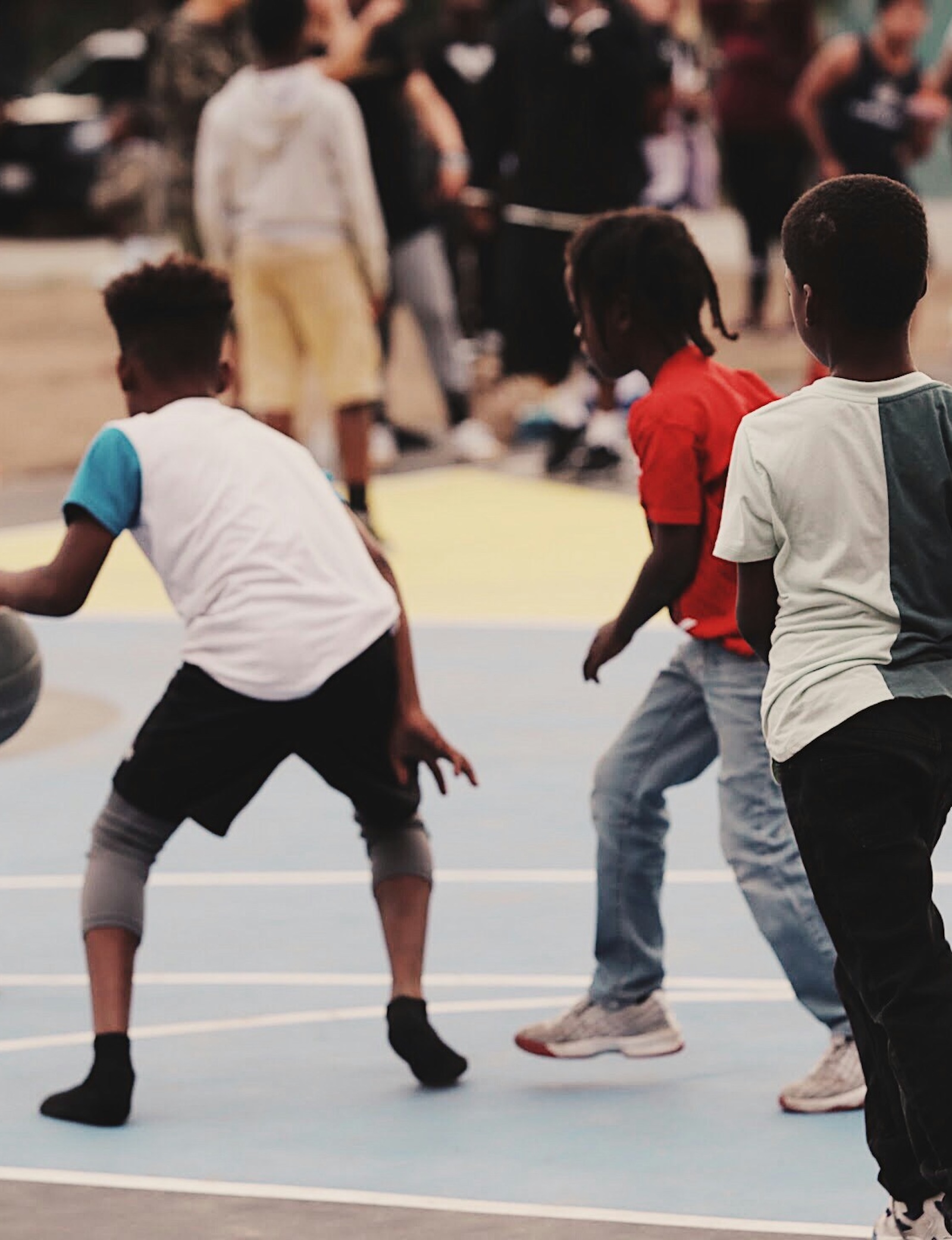
Ask enough people about the phrase and you’ll hear the same story told a hundred different ways: the streetlights flicker, somebody yells, “Streetlights!” and suddenly it’s like a fire drill. Bikes skid. Flip-flops slap concrete. A kid who was “just around the corner” is suddenly teleporting down the block.
The humor is real, and it’s part of why the phrase is so sticky as memory. It’s a collective scene, almost cinematic. But the comedy is built on the understanding that consequences weren’t theoretical.
“Or else” hovered over the whole thing like a second streetlight.
The “or else” wasn’t always violence, though that’s the version that shows up in some stories, especially older ones. Sometimes “or else” meant you were grounded. Sometimes it meant you lost outside privileges for a week. Sometimes it meant you’d be answering questions you didn’t want to answer: Where were you? Who were you with? Why didn’t you come home when I said? But even when the punishment stayed inside the house, the real fear often lived outside it: what could happen to you if you weren’t where you were supposed to be.
That duality—warmth and threat—helps explain why the phrase has legs across generations. It’s not just a rule. It’s a ritual.
Darkness, visibility, and the politics of being outside
If you want to understand why Black parents held tight to “before the streetlights,” you have to acknowledge how visibility works in America. Darkness changes what can be seen, by whom, and how quickly a situation can be misread.
This isn’t abstract. Black communities have long navigated the fact that ordinary behavior can be interpreted as suspicious. A group of Black kids walking at night can be read differently than a group of white kids doing the same thing. A Black teen “hanging out” can be framed as loitering. A bike ride can be framed as casing. Visibility—literal and social—shapes risk.
That’s why the phrase can be both deeply nostalgic and deeply sobering. It’s a reminder that Black children often grow up learning the rules of space early: where you can be, when you can be there, what you can carry, how loud you can be, how fast you should walk, whether you should keep your hands visible, whether you should avoid certain corners after dark.
Many parents didn’t spell all that out. They didn’t have to. The streetlight did the talking.
And when today’s parents talk about it, you can hear how the risks have shifted but not disappeared. The Root essay about “learning to let go” is basically a modern translation of the same curfew logic: the world feels scarier, the threats feel more numerous, and the fear includes the prospect of police violence. The streetlight phrase becomes an ancestor of today’s location-sharing apps and “text me when you get there” culture. Same impulse, new tools.
The phrase as cultural inheritance, not just a rule
At some point, “be home before the streetlight comes on” stopped being only a thing people said and became a thing people quoted. It turned into shorthand for an era, a style of parenting, a whole social atmosphere. Even when people use it outside Black America—and plenty do—the phrase carries a particular resonance inside Black communities because it sits at the intersection of joy and vigilance.
KOLUMN Magazine’s “Candy Lady” piece offers a useful frame here: it treats neighborhood life as a kind of informal governance system, where safety is produced through relationships, reputation, and adults who take responsibility for kids who aren’t technically theirs. The streetlight curfew belongs to that same system. It’s not just about one household’s rules; it’s about a neighborhood’s operating code.
And because it was widely shared, it became portable. Black people who moved—South to North, city to suburb, one coast to another—could recognize each other by the phrase. It’s one of those cultural shibboleths that signals not just age but experience: I know the kind of childhood you had. I know the kind of love you came up under.
What changed—and what didn’t
A lot of adults talk about streetlight childhood as something that “doesn’t exist anymore,” and there’s truth in that. Screens changed leisure. Car culture changed neighborhoods. Fear changed parenting. And in many places, public space doesn’t feel as child-friendly as it once did. The Atlantic’s observation that American cities often aren’t built for kids—contrasted with places where children still roam—captures part of that shift.
But the deeper truth is that the need behind the phrase hasn’t vanished. It’s just been rephrased.
Now it’s: “Share your location.” “Call me when you leave.” “Don’t stop at nobody’s house.” “If you get pulled over, don’t argue.” “If anything feels off, come home.” The streetlight used to be the signal. Now the phone buzz is the signal. The technology changes, but the parenting math stays familiar: maximize childhood, minimize risk.
Even streetlights themselves have changed. Cities have upgraded to LEDs, often emphasizing efficiency and energy savings, turning street lighting into a modern climate and infrastructure story. Los Angeles, for example, describes LED deployment as a major milestone and frames it in terms of energy savings and modernization. That’s a municipal narrative about technology—but it’s also, quietly, a cultural shift. LEDs look different. They feel different. They change the mood of streets at night. For people whose childhood memories are tied to the warm glow of older lamps, the new light can feel like a different era entirely.
And yet, kids still notice when the streetlights come on.
“Before the streetlights” as a metaphor that works because it’s true
It’s not an accident that writers and thinkers use the phrase as metaphor. It’s an unusually strong image: a deadline everyone understands, a small window between late afternoon and dusk where you still have a chance to get safe.
That’s exactly how Heather McTeer Toney uses it when she talks about climate solutions—arguing, in effect, that we should act before disaster settles in the way darkness settles. The Living on Earth interview explicitly links the childhood warning to the idea of taking action before catastrophe. A faith-based magazine profile of her work similarly leans on the phrase to convey urgency and collective responsibility. The metaphor lands because the original instruction already carried stakes: move early, don’t test the timeline, don’t gamble with conditions you can’t control.
For Black families, that logic has never been only metaphorical. It’s been a way of navigating a world where risk isn’t evenly distributed.
The tenderness inside the command
One of the easiest mistakes to make, when writing about Black parenting, is to flatten it into hardness. To hear “be home before the streetlights come on” as only strictness, only discipline, only threat. But the phrase is also tenderness disguised as authority.
It’s a parent saying: I’m letting you go, which means I trust you. It’s also a parent saying: I’m setting a boundary, which means I’m responsible for you. It’s a parent balancing two needs that can feel contradictory: letting a child build confidence in the world, and pulling that child back from a world that might not treat them gently.
That’s why the phrase still hits, even for people who now live far from the blocks where they first heard it. It’s not only nostalgia. It’s recognition.
It’s the sound of someone loving you hard enough to be inconvenient.
And it’s the sound of a whole neighborhood agreeing, without signing anything, that children should get to play—right up until the moment the light says: time to come home.
More great stories
The Precinct Trap
March 4, 2026
No Comments
Columbia’s Forgotten Flashpoint
March 4, 2026
No Comments