



Preservation of history is a choice, and forgetting is often policy by another name.
Preservation of history is a choice, and forgetting is often policy by another name.
By KOLUMN Magazine
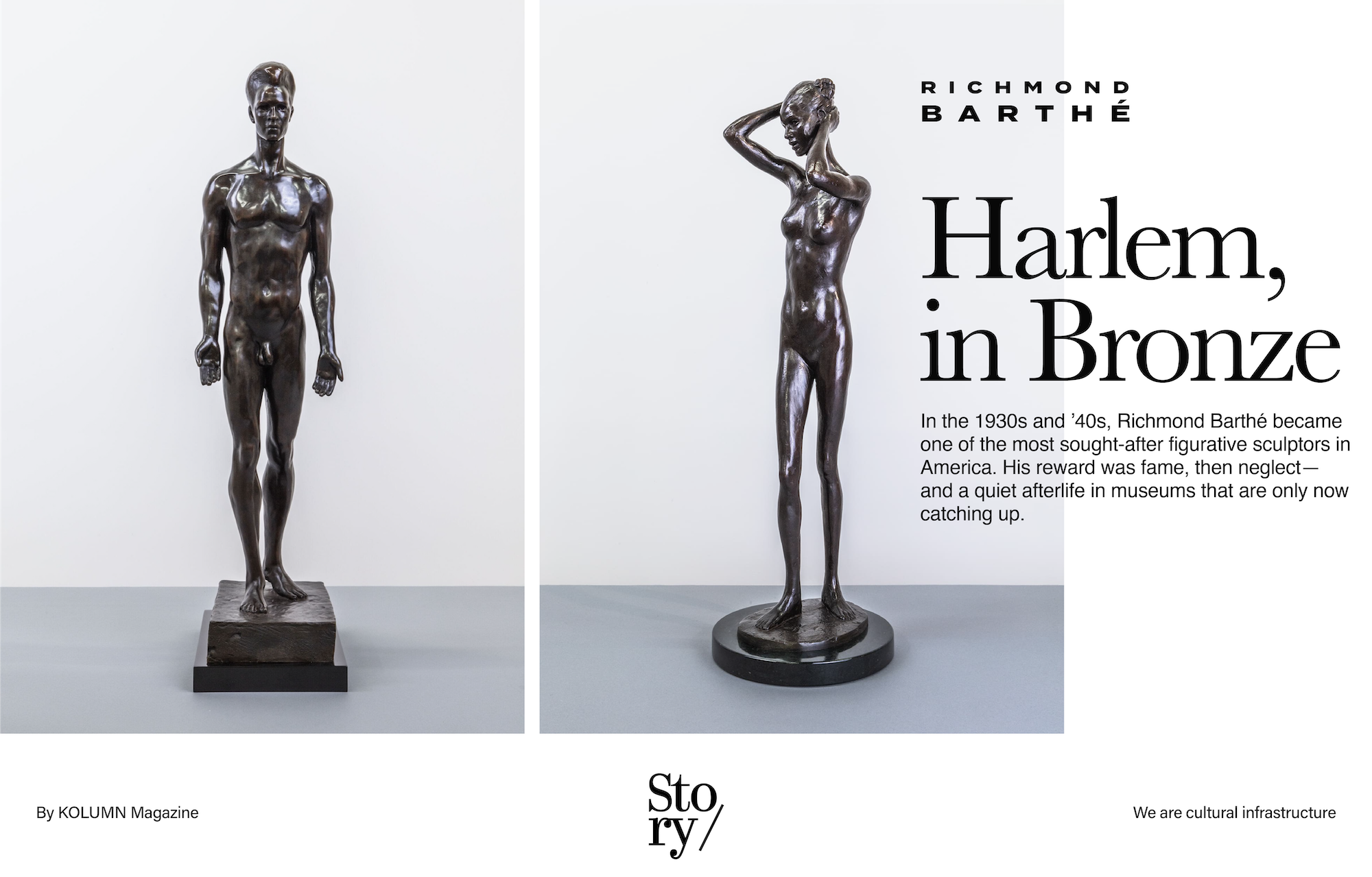
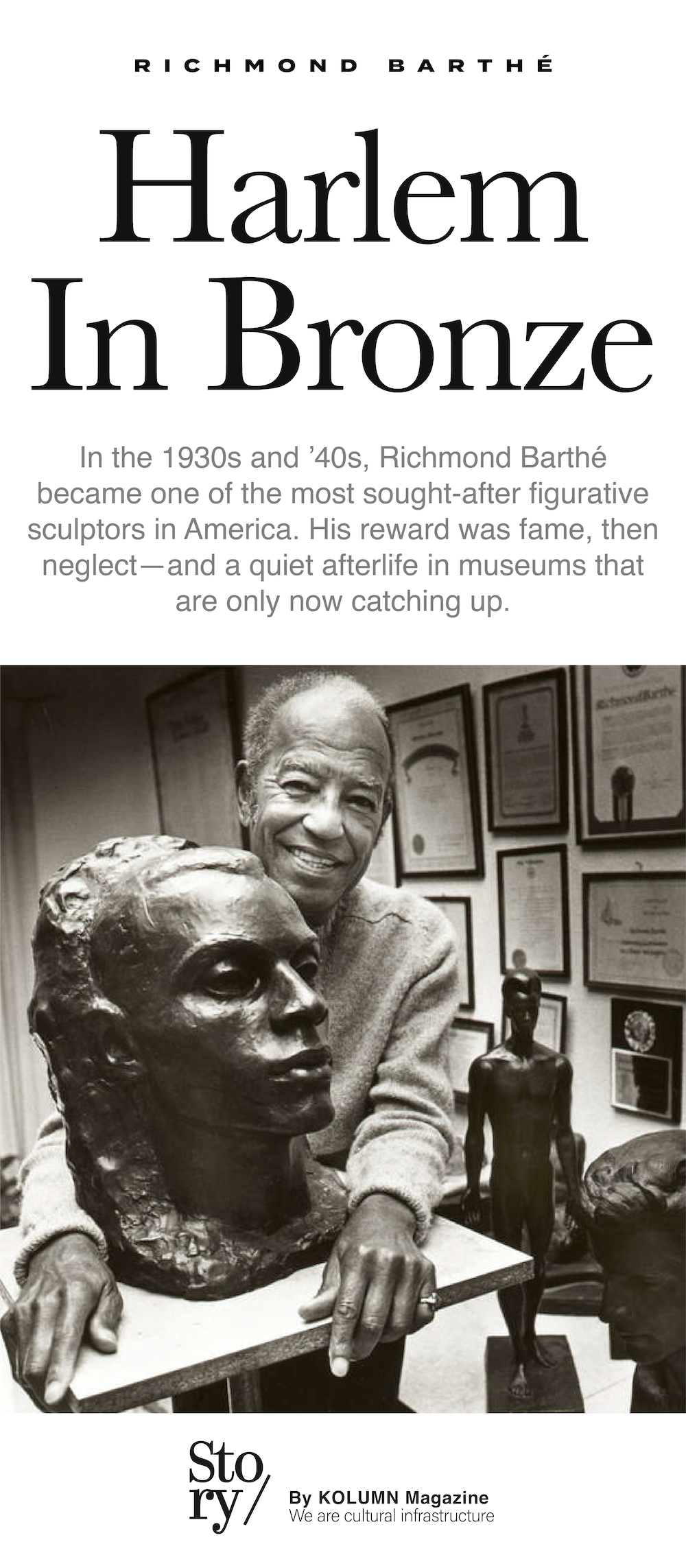
In the long argument over who counts in American art—who gets rendered as fully human, who is allowed complexity, who is granted a future—Richmond Barthé made his case in bronze, plaster, and quiet insistence. His subjects were Black dancers caught mid-breath, actors inhabiting character, anonymous sitters granted a gravity usually reserved for monuments. They were also saints and Christs, shaped by a devout Catholic imagination that treated the body not as spectacle but as vessel. Barthé’s work, at its best, offers an alternative archive of the early twentieth century: one that refuses the era’s cheap distortions and insists on interiority—on what it feels like to live inside a body that the country keeps trying to reduce.
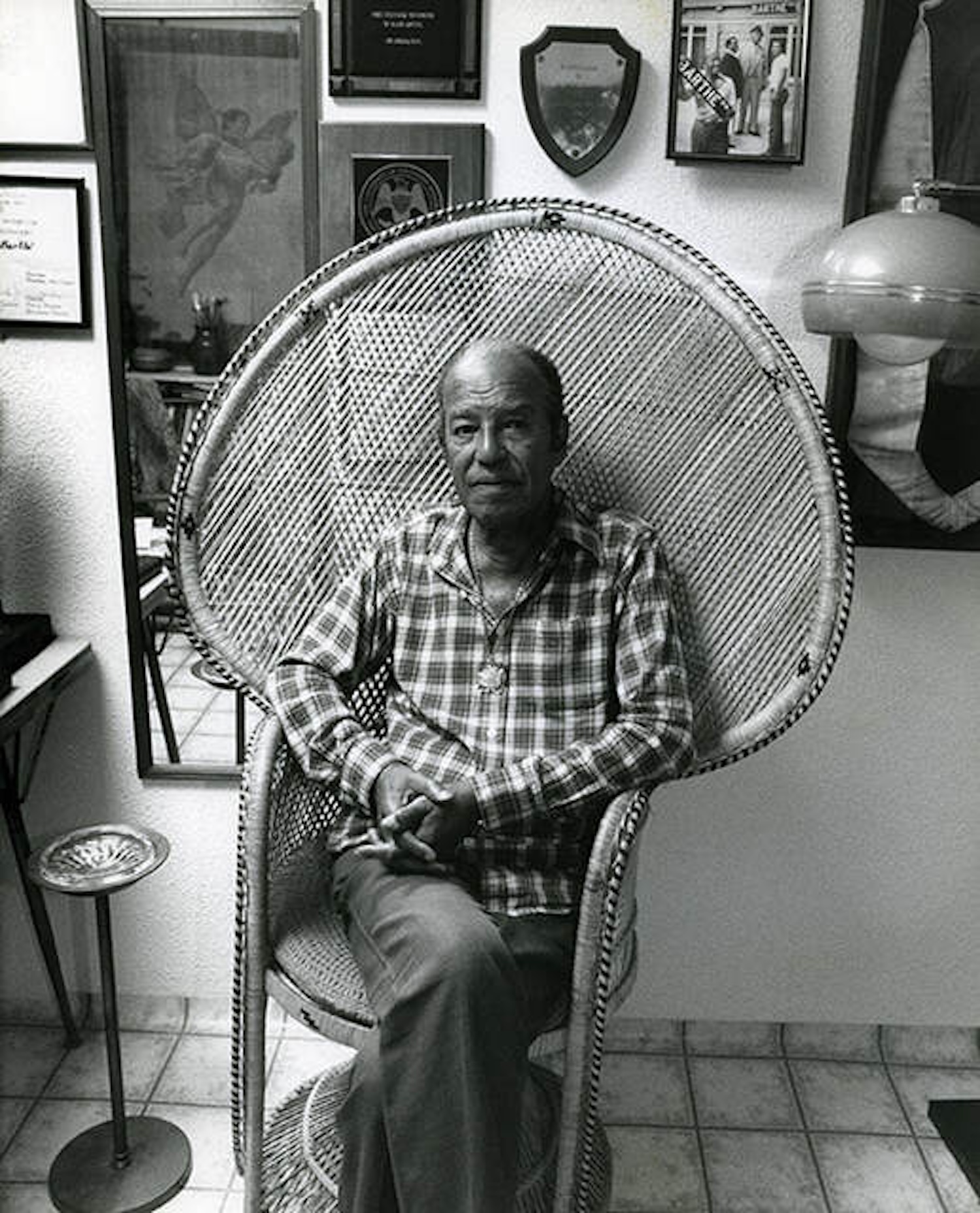
For a time, the country rewarded him. By the mid-century, Barthé was not merely respected; he was famous in the specific way a figurative sculptor could be famous then—collected, commissioned, discussed as a virtuoso of likeness and movement. The Smithsonian’s National Portrait Gallery notes that by 1946 he was “very well known in New York City,” famous enough to be painted in his studio with a major religious sculpture in progress. Yet the story of American fame is often also the story of American forgetting. In the decades after his peak, Barthé’s reputation thinned in the public imagination, surviving more reliably in specialist circles, archives, and the memories of communities who recognized what he had done: elevate Black subjects above the cartoonish scripts of the marketplace and the state.
That arc—recognition, then marginalization, then gradual return—helps explain why Barthé’s work feels newly urgent now. A new generation of curators and artists has been re-mapping the Harlem Renaissance as modernism rather than “uplift” ephemera, as international rather than provincial, as aesthetically complex rather than merely sociological. The Metropolitan Museum of Art’s recent framing of the period as a transatlantic modernist movement is part of that shift, insisting the Harlem Renaissance belongs to the story of global modern art rather than as a footnote to it. And in that remapped terrain, Barthé sits in a critical position: an artist whose devotion to the human figure looks conservative only if you ignore what he was doing with it—how he used classical training and meticulous modeling to insist that Blackness was neither problem nor prop, but subject.
A Catholic childhood, a Southern apprenticeship, and a first escape
Barthé was born in Bay St. Louis, Mississippi, in 1901, into a world structured by segregation and the afterlives of slavery. Accounts of his family background consistently emphasize a Creole and Catholic lineage that mattered to him not only culturally but spiritually; later institutional materials describe his parents as Louisiana Roman Catholic Creoles, a detail that helps explain the religious undertow of his later work and his lifelong attachment to Catholic imagery.
The early story is also a familiar one for Black artists of the period: talent recognized young, training constrained by where one is allowed to go. In the South, formal art education often operated as a segregated privilege. Barthé’s path ran instead through informal mentorship, local exposure, and the complicated patronage networks available to a gifted Black child with ambition. The Los Angeles Times obituary-style account of his life underscores both the early start—painting as a child—and the barriers: it notes that Southern art schools would not accept Black students, forcing him to study “where he could” until a Catholic priest helped send him to the Art Institute of Chicago.
Before Chicago, New Orleans shaped him. As a teenager, he left Mississippi for New Orleans and worked as a domestic servant, an arrangement that was common enough in the era to be almost banal, and yet freighted with what it meant for a Black adolescent to labor in white homes while privately building an artist’s eye. Secondary biographies emphasize that New Orleans provided access to teachers and connections that allowed him to keep developing as a painter before he made the pivotal choice to seek formal study in the North. The city’s performance culture—its theater, dance, music—would also seed a key element of his mature practice: his instinct to treat performers as modern muses and to look for sculpture’s truths onstage.
When Barthé arrived at the Art Institute of Chicago, he did so as a painter. Yet what he found there, according to multiple accounts, was that his aptitude for form—his anatomical knowledge, his ability to build volume, his sensitivity to the human figure—kept pulling him toward sculpture even if he did not initially identify himself as a sculptor. The LA Times notes a striking detail: he studied painting and anatomy but “never sculpture,” even as the trajectory of his career made sculpture inevitable. That contradiction is, in a way, a signature of Barthé’s early adulthood: he moved through institutions not designed for him, extracting what he needed—draftsmanship, anatomy, discipline—then repurposing it into a practice that exceeded the categories others tried to impose.
Harlem, the New Negro movement, and the politics of patronage
If Chicago gave Barthé technical grounding, New York gave him a stage. By the early 1930s, he entered a city in which Black writers, performers, intellectuals, and visual artists were in the midst of building a movement that was as much about representation as it was about aesthetics. In that ecosystem, Barthé’s sculptures did something both obvious and radical: they presented Black people as individuals with inner lives, not as sociological types or comic relief.
Barthé’s rise in New York also clarifies how artistic success worked then. It was not only about making; it was about networks—foundations, salons, collectors, critics, and the gatekeeping machinery that decided which Black artists could be legible to mainstream institutions. A recent institutional press release about one of Barthé’s signature works, The Negro Looks Ahead, points directly to the role of Alain Locke, the philosopher and critic associated with the “New Negro” movement, in promoting Barthé’s work. It also notes the Harmon Foundation’s role in circulating his pieces in juried traveling exhibitions—an infrastructure that helped create reputations in the era before the contemporary art market as we know it.
Locke’s support mattered because Locke was not simply a tastemaker; he was a theorist of Black modernity. When Locke argued for a new visual language of Black self-representation, Barthé supplied it in three dimensions. Their association has become a recurring reference point in later scholarship and exhibitions—so much so that contemporary reinterpretations of Locke’s legacy frequently loop Barthé back into view, using him as evidence of what Locke imagined Black visual culture could become.
But patronage was never neutral. The same institutions that elevated Barthé also defined the terms on which he could be celebrated: as “representational,” as “naturalistic,” as legible. Barthé understood that tension, and he navigated it with unusual pragmatism. He pursued contacts, studied collectors’ interests, and placed himself where he could survive as an artist. If that sounds like compromise, it was also strategy: the strategy of a Black artist in a market that routinely demanded either propaganda or exotica. Barthé offered neither. He offered precision—and spirit.
Sculpting performance: Dancers, actors, and the moving body
One of Barthé’s key innovations was to treat the Black performing body as a site of seriousness rather than novelty. When he sculpted dancers and actors, he did not turn them into entertainment for the viewer; he turned them into form—into line, weight, balance, breath. His subjects often read as mid-action, sculpted motion held still long enough to be studied. That sense of movement is one reason his work continues to circulate in museum contexts that link sculpture to dance history and to the Black modernist stage.
The Whitney Museum’s collection record for African Dancer—a work repeatedly exhibited in the museum’s modernism narratives and in recent programming—signals the continuing institutional appetite for Barthé as part of a broader reappraisal of early twentieth-century American art. The Whitney’s more recent contexts, including projects in and around the 2024 Biennial, have also folded Barthé into contemporary conversations about archives, diasporic aesthetics, and the afterlives of Harlem Renaissance intellectual life.
This is not simply a matter of museums “including” him. It is a recognition that his subject matter—Black performers as modern subjects—was itself a kind of argument. In a period in which Black bodies were routinely consumed as spectacle, Barthé insisted on craft, on detail, on the dignity of attention. He made the theater a studio, and he made the studio a site of cultural politics.
Public art, federal programs, and the question of who gets a monument
The Great Depression did not end the Harlem Renaissance; it altered its conditions. Federal art programs created new opportunities for artists, including Black artists, to secure commissions and visibility. Barthé’s most dramatic public-art commission of the period was a monumental frieze created for New York City housing—an eight-foot by eighty-foot bas-relief completed in 1939 for the Harlem River Houses, later installed at the Kingsborough Houses in Brooklyn.
That work’s history is instructive. Public art is never only art; it is bureaucracy, politics, and the contest over public space. Barthé’s frieze, with its biblical and communal resonances, shows how he could translate the expressive tenderness of his smaller figurative works into a civic scale. It also reveals the fragility of Black artists’ claims on the public realm: even when commissioned, works could be moved, renamed, reframed—made subject to institutional decisions that often ignored the artist’s intentions.
Barthé’s interest in monumental commemoration extended beyond commissions he actually completed. A Guardian essay reflecting on public monuments notes that in the late 1930s Barthé conceived a bronze youth—nude except for broken shackles—as a memorial to James Weldon Johnson intended for a major Harlem intersection, a proposal that was never realized due to political and moralistic resistance. That unrealized monument matters because it shows Barthé thinking directly about emancipation imagery, public memory, and the right of Black communities to define their own iconography—years before the contemporary “monument wars” made such debates mainstream.
The spiritual project: Christ, the saints, and a Black sculptor’s Catholic imagination
To speak of Barthé only as a Harlem Renaissance sculptor is to miss the arc of his spiritual work. He was a devoted Catholic, and in the 1940s especially, religious subjects became central to his practice. What makes this portion of his career unusual is not that he sculpted Christ—many artists did—but that he sculpted Christ as a living body with weight and presence, and that he did so while also sculpting Black subjects with a similar reverence. In his hands, the sacred and the secular were not opposites; they were parallel claims about what deserved tenderness.
A key work in this lineage is Come Unto Me, a sculpture significant enough that the National Portrait Gallery highlights it in the story of a 1946 painted portrait of Barthé at work. The museum notes that when he completed the piece in 1947, he donated it to St. Jude’s Church in Montgomery, Alabama. Even that donation reads as a quiet politics: a major artist placing a major work into a Southern religious institution, returning something of beauty to a region that had limited his early educational access.
Religious commissions also embedded Barthé in Catholic networks that are often absent from simplified narratives of Black modernism. A contemporaneous Catholic newspaper account describes the dedication of a Barthé Come Unto Me statue on a college campus in 1951, evidence of how his sacred work circulated beyond art-world circles and into devotional spaces. This matters because it complicates the way American art history often categorizes Black artists: either as race artists addressing social themes or as modernists abstracting identity away. Barthé did neither exclusively. He built a practice in which theology, anatomy, and Black self-representation were intertwined.
Leaving the United States: The Caribbean years, Haiti, and the expatriate’s bargain
Barthé’s later life is, in part, a story of departure. For many Black artists and intellectuals, expatriation offered both escape and constraint: escape from American racism, constraint in the form of new isolations and dependencies. Barthé spent significant time in the Caribbean, including Jamaica, and worked throughout the region for decades. The Smithsonian American Art Museum notes that he worked in “all parts of the Caribbean” from 1947 until 1969 and designed “many of the coins that are still used in Haiti.”
Haiti, in particular, became a major site of his monumental ambition. The broad outlines are well documented: Barthé completed major public sculptures there, including large-scale commemorative works connected to Haitian revolutionary history. Even secondary reference works emphasize his role in producing monumental statuary in Port-au-Prince and in shaping national iconography, alongside coin designs that extended his influence into everyday circulation. The meaning of that work is layered. On one level, it is an American sculptor finding large commissions abroad. On another, it is a diasporic artist participating in the visual language of the first Black republic—a symbolic counterweight to the United States, where Black artists often struggled to secure major public commissions without compromise.
The Caribbean years also left behind quieter, more intimate traces—work that complicates the assumption that Barthé simply “withdrew.” In 2022, The Guardian reported on a neglected oil painting that had long been misattributed or considered anonymous, newly identified as Barthé’s work. The report named the sitter as Lucian Levers, described as a domestic helper employed at Barthé’s Jamaica studio and home—an unusual moment of historical specificity, since Black sitters in historical portraits are often left unnamed due to scant documentation. The story is telling for two reasons. First, it reminds us Barthé never fully abandoned painting, even if sculpture became his signature. Second, it shows how domestic labor—so central to Barthé’s own early survival—remained entangled with his later life, now with Barthé on the employing end of the relationship. The painting becomes a document of intimacy and hierarchy, of care and dependence, of an artist’s private world that does not neatly align with celebratory narratives.
Queerness, discretion, and the coded archive
Barthé’s biography also sits inside another set of American constraints: the long twentieth-century demand that queer artists be legible only through inference. Many scholars and archives now treat Barthé as part of a Black queer modernist lineage, connected through networks of artists, writers, and patrons who moved between Harlem, Greenwich Village, and wider transatlantic circles. Public-facing LGBTQ historical projects place Barthé within that context, including discussion of his major public frieze and his broader life and work.
What matters, journalistically, is not to sensationalize but to recognize how sexuality shaped the conditions of a life: where one could live, who one could love openly, what one could risk. In Barthé’s case, the evidence often appears as letters, recollections, and networked references—an archive of implication rather than public declaration, typical of the era. And yet, those implications help explain the tenderness with which he treated bodies, the seriousness with which he modeled desire and spirituality without collapsing either into stereotype. His bronzes are rarely “about” sex in any explicit way, but they are often about sensuality as human fact, not moral failing—an attitude that reads differently once you recognize the personal risks embedded in such a stance.
The canon turns, and Barthé is left behind—until institutions begin to correct themselves
Why does an artist who was “very well known” in New York by 1946 become, by the late twentieth century, less visible in the mainstream story of American art? The answer sits at the intersection of race, medium, and narrative fashion. Figurative sculpture fell out of favor in certain critical circles as abstraction, conceptualism, and later postmodern strategies became canonized as the primary engines of innovation. Black artists were often either excluded from these narratives or included only when their work could be read as explicitly political in ways that matched the period’s critical appetites. Barthé’s work—devotional, sensual, classical, psychologically attentive—did not always fit the frames that gatekeepers preferred.
Even so, the evidence of institutional re-entry is now substantial. The Met’s broader reframing of the Harlem Renaissance as a core modernist movement created renewed space for artists like Barthé to be understood beyond the old binaries of “uplift” versus “avant-garde.” The Whitney’s continued exhibition history for works like African Dancer suggests Barthé is no longer being treated as a minor adjunct but as part of the museum’s account of American modernism’s figurative possibilities.
Market signals have followed, though market attention is never the same thing as historical justice. One tangible marker of renewed institutional confidence is the acquisition and promotion of The Negro Looks Ahead, framed by at least one museum as a signature Harlem Renaissance bronze and explicitly linked to Locke’s New Negro vision. That title alone reads like prophecy: a work about futurity, made in a period when Black futurity was under constant assault, now returning as museums attempt to build a less distorted national story.
The works themselves: What Barthé made possible
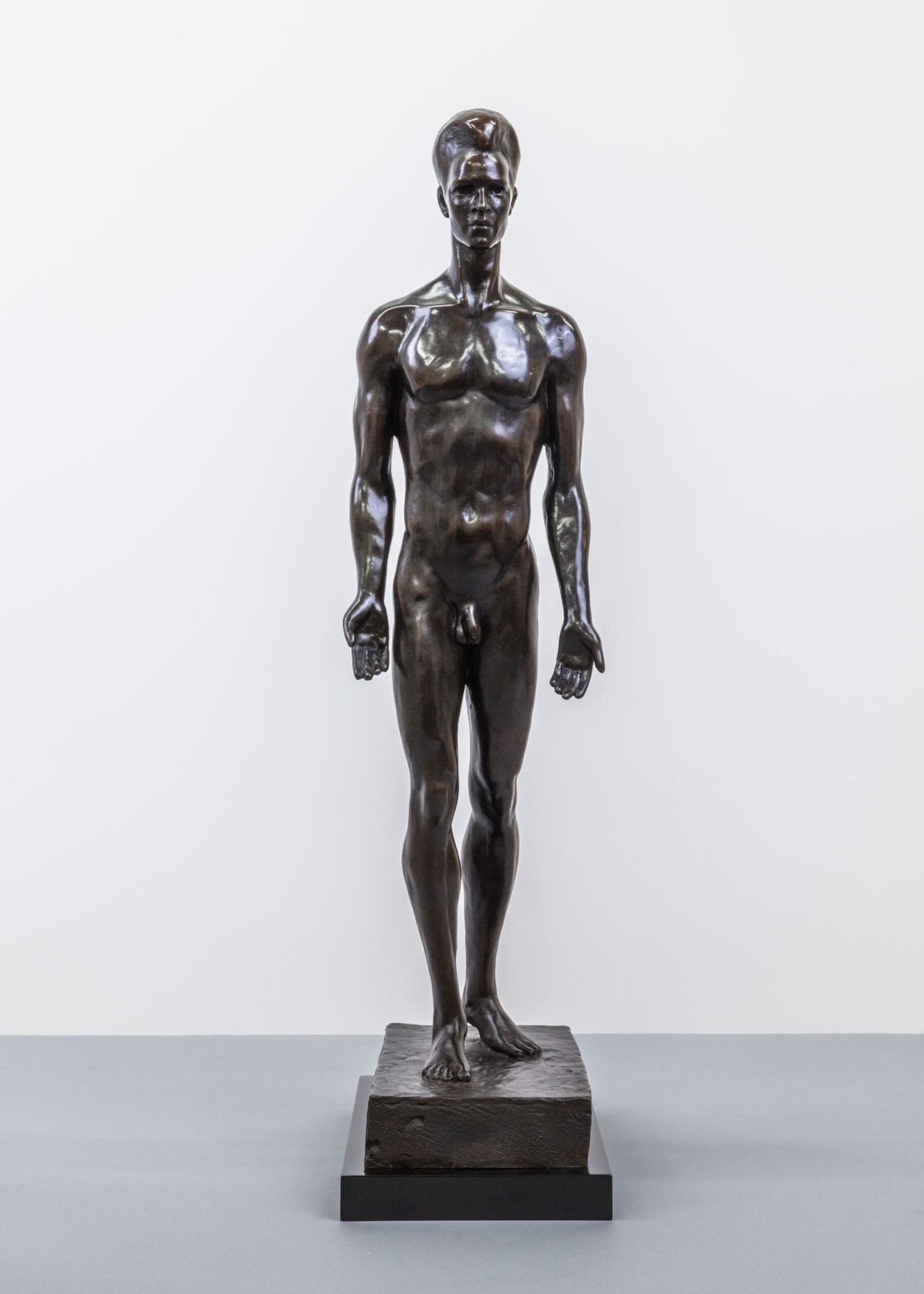
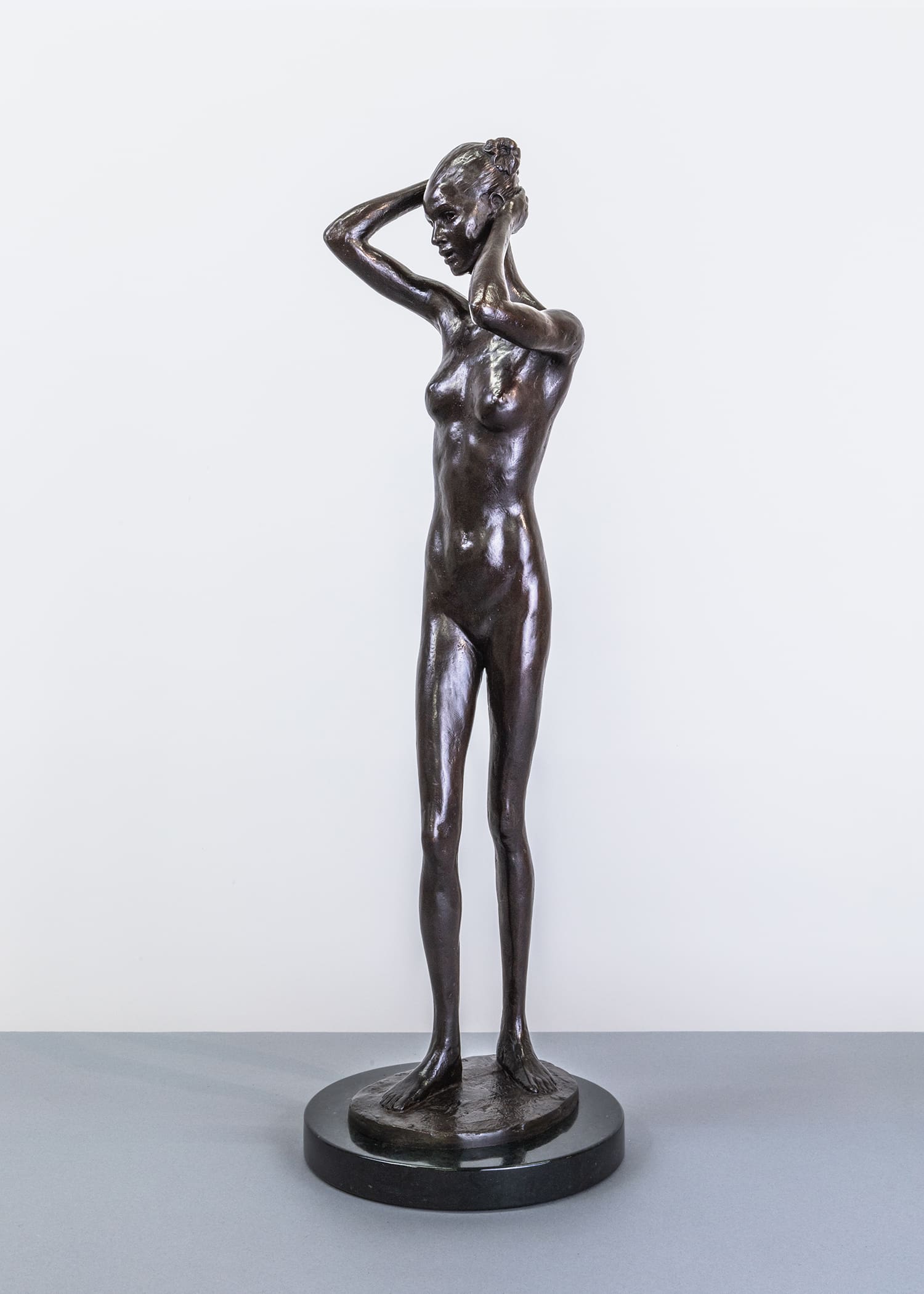
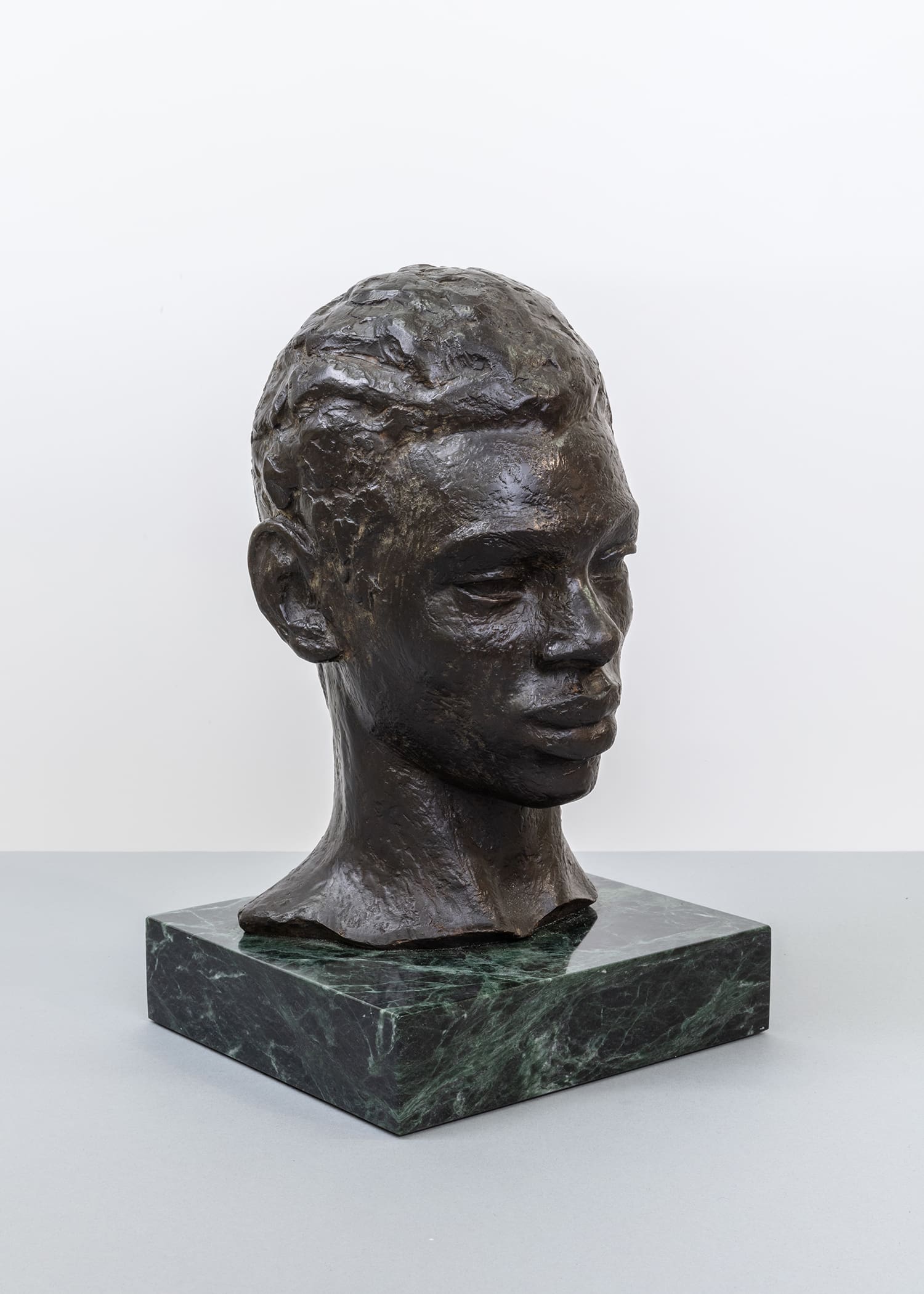
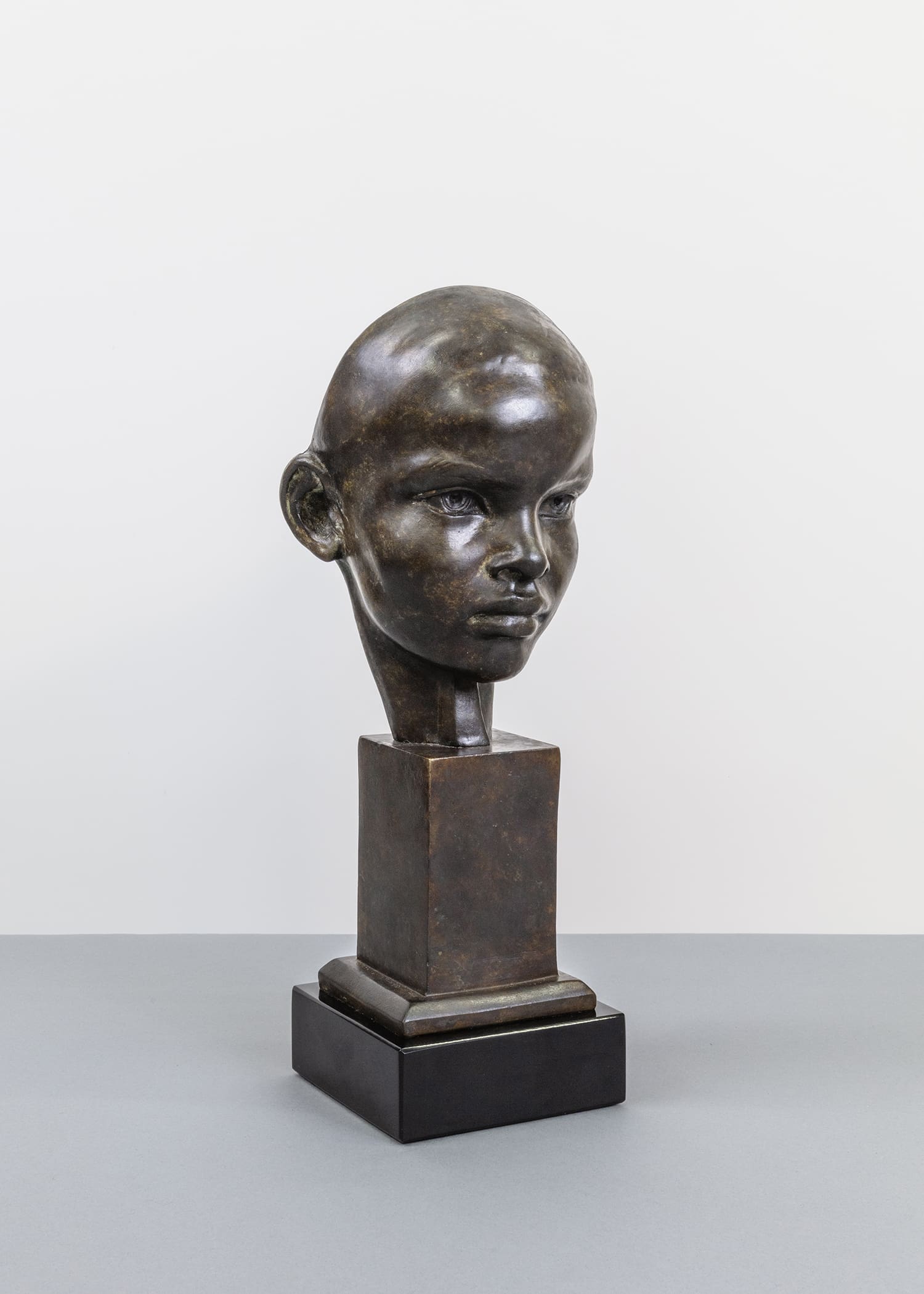
To describe Barthé’s significance only through biography would be to miss the aesthetic breakthrough that biography enabled. Barthé’s genius was not simply that he sculpted Black subjects; other sculptors did. His genius was how he sculpted them: the precision of anatomy, the sensitivity to musculature and bone beneath skin, the ability to convey thought as posture. He turned Black sitters into classical subjects without stripping away their specificity. He also refused the era’s insistence that Blackness in art must be either propaganda or stereotype. His figures can be heroic, but they are rarely hollowly heroic. They are attentive to the everyday—what it looks like to sit, to wait, to carry oneself in a world that is watching.
This is why certain works continue to function as anchors in museum collections. The Smithsonian American Art Museum highlights Blackberry Woman, a bronze modeled around 1930 and cast in 1932, as part of its African American art holdings. The title suggests the intimacy of ordinary labor and informal economy; the form suggests something else: the classical gravity of an everyday subject. Similarly, the Met’s collection record for Boxer situates Barthé within a sculptural vocabulary that could celebrate Black athleticism without reducing it to brute force or spectacle—another way Barthé made room for dignity where the broader culture often offered only fetish.
In these works, one also sees Barthé’s resistance to caricature as a technical matter. Caricature is easy; it thrives on exaggeration and shorthand. Barthé countered it with modeling—slow, patient attention to the particular. In a racist visual culture, that patience is political. It is also spiritual in Barthé’s sense: a way of honoring what he called, in widely circulated statements about his work, the “spiritual quality” he perceived in people. Museums that exhibit him now often emphasize that spiritual aim, not as a pious footnote but as a throughline that links his portraits, his dancers, and his sacred figures into a single project: to carve the human back out of the American image machine.
The scholar-curator lineage: Vendryes and the work of recovery
No reassessment happens by accident. Barthé’s renewed visibility is also the result of scholars and curators who treated him as a serious subject when the mainstream canon did not. Among the most frequently cited is Margaret Rose Vendryes, whose work is widely described as definitive on Barthé and whose authorship is noted in multiple institutional contexts.
Vendryes’s importance is not simply that she wrote a biography; it is that she helped build the interpretive frames that allow Barthé to be read beyond the limits imposed on him. Even in museum audio materials, she is positioned as a key voice contextualizing Barthé’s risk-taking around the nude and around representation—issues that sit at the intersection of aesthetics and racialized cultural politics. The presence of that kind of interpretation in museum programming is itself a shift: Barthé is no longer merely displayed; he is argued for.
Archives have also been crucial. The New York Public Library’s Schomburg Center lists artist files and collections related to Barthé, including exhibition catalogs, letters, clippings, and photographs—exactly the kind of documentary substrate needed to reconstruct a life that moved across regions and nations. If Barthé’s story sometimes reads fragmented, it is because the institutions that once profited from his visibility did not always preserve him with equal care. Recovery, then, becomes an ethical project: the work of rebuilding a narrative sturdy enough to hold the complexity of a life.
What Barthé’s life says about America’s artistic memory
In the end, Richmond Barthé’s life is not only a story about talent. It is a story about the costs of being legible—and the costs of refusing to be flattened. Barthé mastered the languages that gatekeepers respected: classical anatomy, figurative precision, portraiture. He also smuggled into those languages a set of claims the culture resisted: that Black bodies could be sacred without being sanitized, sensual without being degraded, ordinary without being disposable, monumental without being mythologized into abstraction.
His departures—from the South, from the United States, from the tight geography of Harlem—were not merely geographic. They were negotiations with the country’s limited imagination. The Caribbean years suggest a man seeking space to work and to live outside the constant American gaze, even as that distance risked reducing his visibility in the very canon he had helped widen. His religious sculptures suggest another kind of distance: a refusal to let modernity strip the sacred from the human figure.
And now, in an era when museums are under pressure—moral, intellectual, public—to tell fuller stories about American art, Barthé returns not as a token but as a corrective. Not because he fits neatly into contemporary categories, but because he complicates them. He was a Harlem Renaissance sculptor who cannot be contained by Harlem alone; a Black modernist who stayed figurative; a Catholic artist whose sacred works intersected with racial politics; a queer man whose life sits in an archive of discretion; a celebrity who became, for a time, an omission.
If American art history is, in part, the story of who gets preserved, Barthé teaches a more unsettling lesson: preservation is a choice, and forgetting is often policy by another name. The task now is not only to display his bronzes, but to read them as they ask to be read—with patience, with attention, with an insistence on the full humanity they were made to secure.
More great stories
Send Freedom House
March 1, 2026
No Comments
Sojourner Truth, Detroit, and the Price of a Key
February 28, 2026
No Comments