


The music did not simply make these names famous. These artists made their names believable. They taught the world how to say them—and what it meant when we did.
The music did not simply make these names famous. These artists made their names believable. They taught the world how to say them—and what it meant when we did.
By KOLUMN Magazine
In popular music, the moment an artist steps toward the microphone is also the moment the public begins to claim them. We do it with our applause, with our scrutiny, with our insistence that a voice belongs to the room. Names become the shorthand for that claim: the label on the record, the font on the marquee, the way a stranger calls you “like they know you.” But for many legendary Black American performers—especially those who came of age when gatekeepers were overwhelmingly white, when contracts were often predatory, and when a woman’s autonomy could be treated as negotiable—a name could not simply be a matter of taste. A name was strategy.
There is a tendency, in music lore, to treat stage names as trivia. A fun fact. A footnote. Yet the decision to rename oneself—or to accept a name that someone else bestows—has always carried weight. It can mark a break from the past, a protection of the private self, or a calculated entry into an industry that sells intimacy while demanding distance. And it can also be a way of turning the raw materials of a life—family, geography, faith, love, pain—into something that can withstand the lights.
This story is about legendary Black American music artists who changed their names and the motivations behind those changes: Etta James, Billie Holiday, Nina Simone, Patti LaBelle, Josephine Baker, Diana Ross, Chaka Khan, Tina Turner, and Donna Summer. The article also draws a clear distinction that often gets blurred in casual conversation: a full name change (often a professional or legal identity used consistently in public life) versus the adoption of a nickname (a tag of affection or reputation that can follow an artist without replacing their core name).
A stage name, in other words, is not the same as a nickname. “Lady Day” did not replace Billie Holiday; it floated around her like perfume—recognizable, intimate, and inseparable, yet still secondary to the name she signed to a record contract. A full professional name change, however, becomes the artist’s primary public identity: the name that anchors the catalog, the credits, the awards, the mythology. Eunice Waymon becomes Nina Simone in the clubs because she needs a veil between her mother’s church and the bar’s neon. Donna Gaines becomes Donna Summer, a small spelling shift that follows marriage, migration, and a reinvention that would come to define an era.
To read these choices only as branding is to miss their deeper function. In Black cultural history, naming has never been a neutral act. It carries the memory of forced renaming and the ongoing pressures of assimilation—pressures that do not vanish when the audience is adoring. In this context, a name can be a declaration: I will not be reduced to what you expect. Or, just as powerfully: I will be seen on my own terms.
What follows is not a catalog of gimmicks, but a set of portraits—nine artists, nine arcs of becoming—each illustrating how the act of naming can be both pragmatic and poetic. The mood here is intentionally positive, not because these lives were simple, but because the artistry of self-definition deserves to be read as triumph: not an escape from identity, but an insistence upon it.
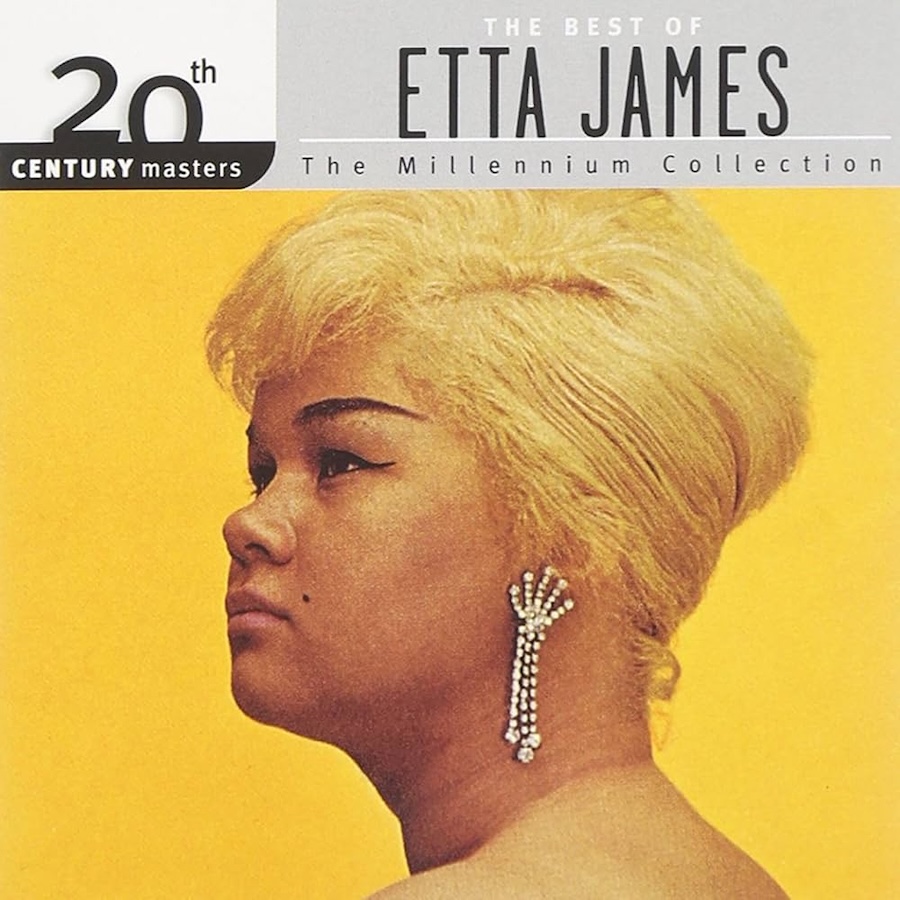
Etta James: Turning a given name into a grown name
Etta James was born Jamesetta Hawkins, a name that already contained its own music: the swing between “James” and “etta,” the way it sounded both formal and intimate. The professional name “Etta James” is, on its face, a refinement rather than a replacement—an edit that keeps the bones of the original while sharpening the silhouette. “Etta” reads as a natural distillation of Jamesetta; “James” arrives like an anchor, compact and declarative.
If you want to understand why that matters, consider the kind of career she built. James moved through gospel, blues, jazz, R&B, rock and roll, and soul with a voice that could sound like velvet one moment and sandpaper the next. Her name had to be able to hold all of that. A long birth name can feel young, almost familial; a shorter professional name can feel like a signature. “Etta James” is a name that fits on a marquee and still feels like a person.
There is also a subtle kind of protection in such an edit. By the time the public knows you, your name is no longer yours alone; it becomes searchable, chantable, collectible. A professional name can separate the artist who walks onstage from the woman who walks off it. In James’s case, that separation is not theatrical. It is practical. The stage name is close enough to the birth name to read as authentic, yet distinct enough to function as a boundary.
Her case also demonstrates a broader pattern among Black women performers in midcentury America: the need for a name that could move through radio playlists, club bookings, and record-label paperwork without being “too much” for an industry trained to simplify. In that era, “too ethnic,” “too long,” “too unfamiliar” could become excuses. Etta James is not an apology to that system; it is a refusal to let the system trip her at the starting line.
And then there is the artistry of it: “Etta James” sounds like a rhythm section—two short, percussive beats. It is a name that arrives like a downbeat and makes room for the voice to do what it came to do. That voice, in turn, made the name larger than any branding logic could predict. Once the catalog exists, the name becomes the container for everything inside it. James did not just rename herself; she built a world that could live inside the new name.
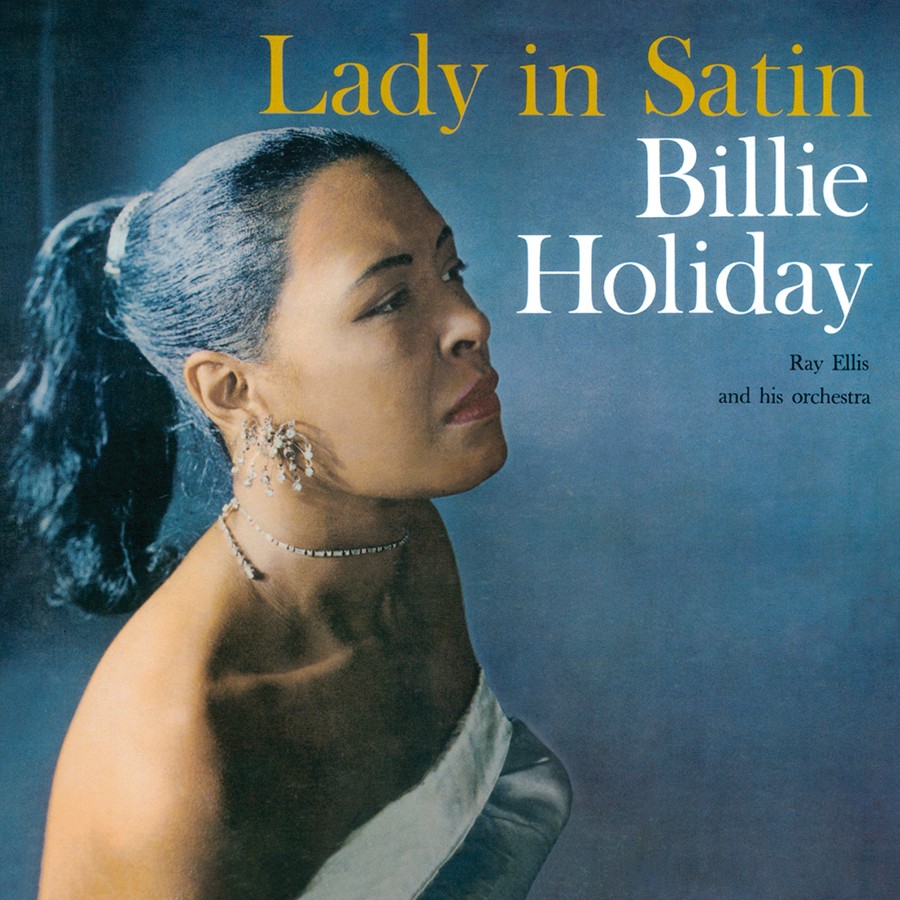
Billie Holiday: A professional pseudonym—and the nickname that became a legend
Billie Holiday’s story is unusually clear about the difference between a full professional name change and a nickname. She was born Eleanora Fagan. As a teenager in Harlem, she took a professional pseudonym that combined admiration and lineage: “Billie” from the actress Billie Dove, and “Holiday” from her father Clarence Halliday’s performing name (a name she initially spelled as “Halliday” before shifting to “Holiday”). The motivation is a tidy capsule of show-business reality: you borrow a little glamour, you keep a little family, and you create something that can be printed on a label.
But then comes “Lady Day,” the nickname given by her friend and musical partner Lester Young. That nickname is not a replacement identity; it is a coronation. “Billie Holiday” is what the business needs. “Lady Day” is what the music community offers back—the kind of title that recognizes an artist as an institution.
The two names perform different labor. “Billie Holiday” makes a young singer legible to the industry: short, memorable, built for a bandstand introduction. The name also lets Eleanora Fagan become someone else onstage—a person with a little more room to experiment, to be heard, to be mythologized. Meanwhile “Lady Day” suggests what happens when that experiment becomes history: the community names you again, not for convenience but for reverence.
This duality reveals something essential about naming in Black American music. There is the name you choose to enter the room. And then there is the name the room gives you once you change it.
Holiday’s case also underscores how much a name can contain. Her professional pseudonym did not erase her origin; it rearranged it. The surname “Holiday,” pulled from her father’s performing identity, braided family story with professional need. It is not difficult to imagine why that mattered for a young woman navigating a harsh world: names can be continuity when circumstances are not. Yet it is equally important that she did not keep the exact spelling—she moved from “Halliday” to “Holiday,” a small orthographic shift that suggests the same impulse that shaped so many stage names: take what is given, then make it yours.
And because the mood here is positive, it is worth lingering on the sweetness in the origin of “Billie.” Admiration is not nothing. For a Black girl coming up in Harlem, the act of choosing a name because you love the way another woman carries it is a form of aspiration. It is a quiet statement: I, too, will be someone worth watching.
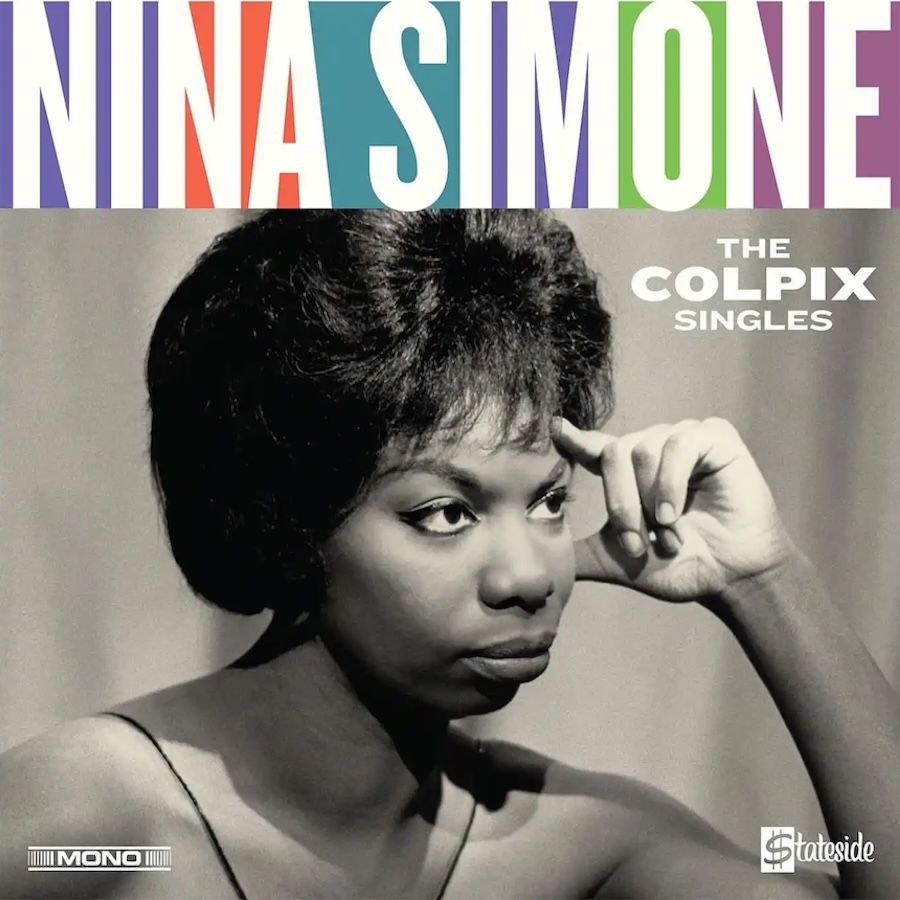
Nina Simone: A name built to protect the sacred—and expand the self
Nina Simone was born Eunice Kathleen Waymon. Her stage name is one of the most frequently cited examples of a purposeful disguise, and the reasoning is unusually explicit: while performing in Atlantic City, she adopted a new name in part because she feared her mother would disapprove of her playing “the Devil’s music” in bars. “Nina” came from a nickname (linked to niña, “little girl”), and “Simone” from the French actress Simone Signoret.
This is not reinvention for novelty’s sake. It is a carefully engineered boundary between the sacred world that raised her and the secular world that paid her tuition—between a preacher’s household and the late-night economy of American entertainment. In other words: Nina Simone is the name of an artist who refuses to make her mother’s faith collateral damage in her own survival.
At the same time, the name does more than hide. It opens. “Eunice Waymon” carries a particular geography and family context—North Carolina, church, discipline. “Nina Simone” carries possibility: a cosmopolitan aura, a hint of Europe, a sense that this pianist-singer might belong on a concert stage as much as in a club. That matters for an artist whose work so often crossed categories that the industry struggled to label her. The stage name becomes a frame that can hold classical ambition, jazz phrasing, political fire, and spiritual depth without collapsing into contradiction.
The most striking part of Simone’s naming story may be its emotional precision. The stage name is not an act of shame; it is an act of respect—respect for the mother’s beliefs and respect for the daughter’s calling. It is the sound of a young woman saying: I can love where I came from and still go where I must.
In the broader landscape of Black women’s artistry, Simone’s choice also reflects how often naming becomes a negotiation with surveillance. Black women performers have long been asked to be transparent—about their bodies, their pain, their personal lives—while receiving little privacy in return. A stage name can be a privacy technology, a way to keep one room in the house locked. Simone’s stage name locked that door just long enough for her to build the rest of the house.
And then, once built, the name became its own truth. Many stage names feel like costumes. Nina Simone never did. It reads like a person because she filled it with personhood—intellect, humor, rage, tenderness. The disguise became a home.
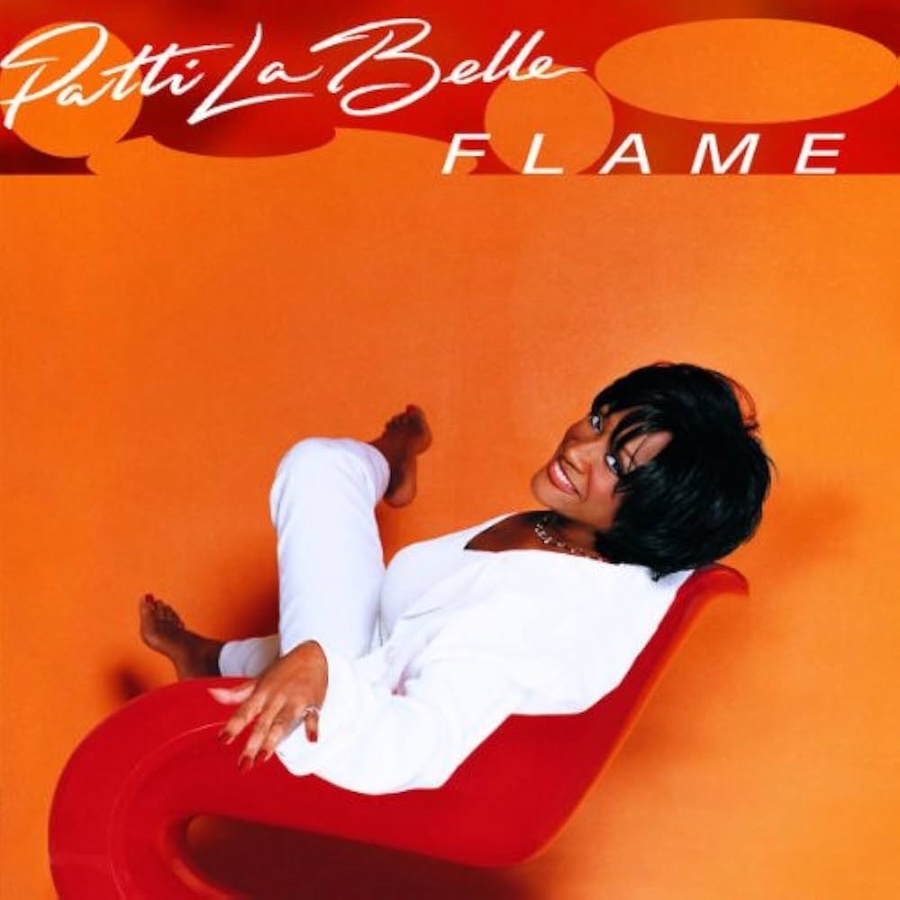


Patti LaBelle: A name given by the business, carried by the artist, made into a legacy
Patti LaBelle was born Patricia Louise Holte. Early in her career, as her group’s naming and management shifted, Harold Robinson gave her the name “LaBelle,” explicitly noting that it meant “the beautiful” in French. The group itself became “Patti LaBelle and the Blue Belles,” and Holte’s stage identity locked into place.
Here, the motivation is entangled with the machinery of the era: managers and labels often shaped names to match a sound, a look, a market. Yet LaBelle’s story is not one of being renamed and diminished. It is one of being renamed and elevated. “LaBelle” is aspirational—an insistence on glamour, on beauty, on elegance as a Black woman’s birthright rather than a borrowed costume.
Importantly, the stage name is not a rejection of Patricia Holte; it is a translation. It takes the ordinary and converts it into the extraordinary without denying the original. That conversion mirrors her artistry: a voice that can turn a simple melodic line into a cathedral.
Her case also offers a useful contrast with a nickname. Patti LaBelle has long carried honorifics—“Miss Patti,” among them—that function as affectionate titles rather than replacements for her public name. A nickname like that signals relationship: the audience is not merely consuming; it is caretaking, praising, placing her in a lineage of divas who are addressed with respect.
What makes LaBelle’s name story resonate is how decisively she filled it. “LaBelle” could have been a flimsy managerial flourish. Instead, she turned it into a standard. The name is now so fused to her artistry that it reads less like a French adjective and more like a genre: LaBelle as an aesthetic of vocal athleticism, emotional candor, and theatrical joy.
In a field where Black women have often been pressured to shrink, her name became a permission slip to expand. “The beautiful” is not just about appearance; it is about presence. Patti LaBelle’s career has been an extended argument that beauty can be loud.
Josephine Baker: Keeping a husband’s surname—and turning it into a global emblem
Josephine Baker was born Freda Josephine McDonald in St. Louis. Her “name change” story is a reminder that not all stage names are invented from scratch. Sometimes a performer carries a name through marriage and keeps it long after the marriage ends, because the name has become the vessel for a career.
Baker married Willie Baker in 1921 and retained the surname afterward, even following their divorce. The result is an identity that blends personal history with professional continuity: “Josephine” remains rooted in her given name; “Baker” becomes the banner under which she rises.
There is a temptation, in modern retellings, to read this only as old-fashioned convention. Yet for Baker, the name she carried became the passport into an international life. She built much of her career in Europe, particularly France, where she became a symbol of jazz-age modernity and later a figure of resistance and activism. The surname “Baker” may have originated in a teenage marriage, but it ultimately belonged to her—and, by the end, to history.
Her case also underscores the difference between a name and a persona. Baker’s artistry was famously theatrical; her image could be extravagant, provocative, playful. Yet the name “Josephine Baker” is almost plain compared to the spectacle. That plainness becomes part of its power: it lets the work speak. It is a stable label attached to a life that refused to stay within any one category.
It is also worth noting how her name change interacts with American ideas about race and belonging. An American-born Black woman taking the world by storm under a name that sounds both familiar and portable—Josephine Baker—allowed her to move across borders that were often closed to people who looked like her. This is not to say the name solved racism; nothing so simple. But it did give her an identity that could be printed in playbills and pronounced in multiple languages without losing its rhythm.
If nicknames orbit other artists in this story, Baker’s orbit included mythic descriptors—“star,” “spy,” “icon”—that function like cultural nicknames, titles assigned by history. Yet her core name remained consistent, which made it possible for the world to attach those titles to a single recognizable figure.
In a positive mood, the takeaway is bright: she kept the name, and then she made it mean something far larger than its origin. That is one of the hidden arts of legacy—taking a circumstance and turning it into a symbol.
Diana Ross: A clerical error becomes destiny—and the artist chooses to live in it
Diana Ross’s name story is unusually American: a bureaucratic mistake that becomes a star’s identity. Her mother named her Diane, but her birth certificate was mistakenly filled out with “Diana,” and she ultimately became Diana Ross to the world. Britannica’s student biography explicitly describes the misprint as the hinge between Diane and Diana.
This is not, strictly speaking, a stage name in the classic sense. It is closer to an administrative rename that the artist later inhabits. Yet the effect is the same: the public identity differs from the original intent, and the artist must decide what to do with that difference.
Ross’s decision to live publicly as “Diana” can be read as an act of acceptance with an edge of pragmatism. A name printed on official documents has a stubborn authority. But Ross’s career demonstrates that she did not merely accept the name; she made it luminous. “Diana Ross” is now inseparable from the idea of elegance in motion—Motown polish, pop sheen, and a charisma that feels architectural.
Her case also clarifies the boundary between nickname and name. “Diane” persisted in private life among family and old friends, according to biographical accounts, even as “Diana” became the public figure. That distinction matters: it suggests that a person can carry two names without fragmentation—one for the people who knew you before the spotlight, and one for the world that met you under it.
And there is something quietly poetic in the origin. The name “Diana” evokes mythology—goddess imagery, celestial associations. In another life, it might have felt like overreach. In Ross’s life, it fit. The typo became a kind of prophecy.
The positive mood here is not naïve; it is specific. The story is not that bureaucracy is magical. It is that the artist is. A mistaken letter on a form does not create greatness. But an artist can take that letter and turn it into a signature.
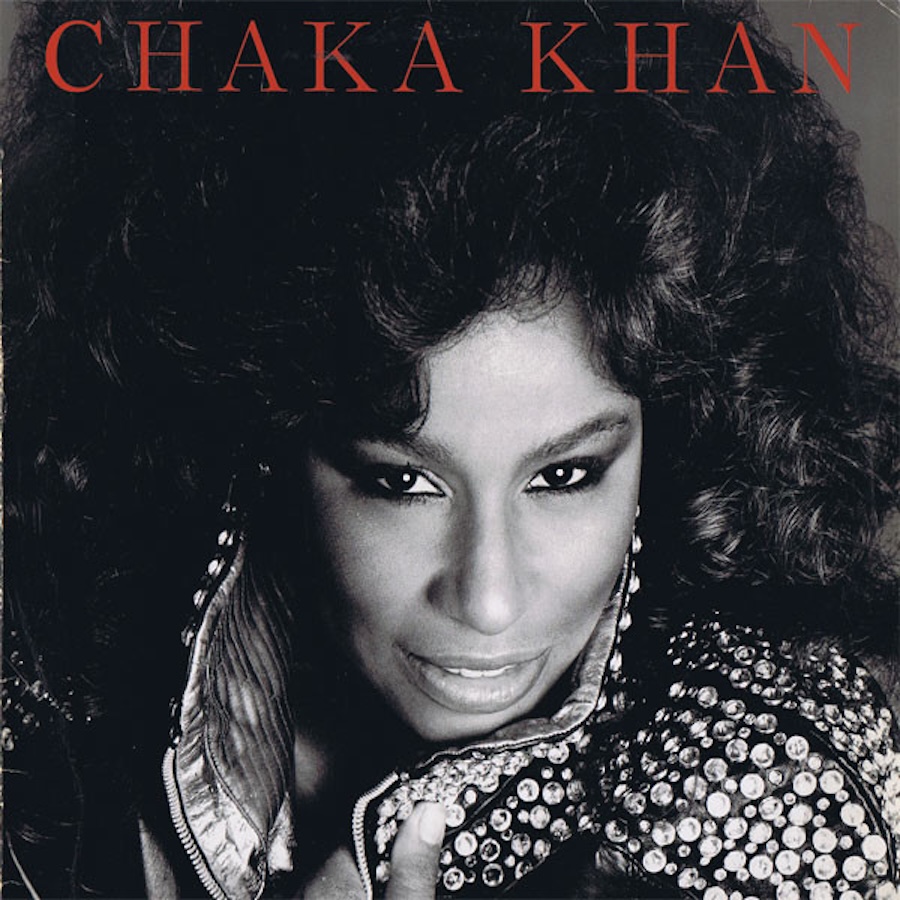


Chaka Khan: An African naming ceremony, political awakening, and a name that sounds like fire
Chaka Khan was born Yvette Marie Stevens. Her name change is among the most explicitly ideological in this group, tied to political consciousness and cultural reclamation. Both her Wikipedia biography and Encyclopaedia Britannica describe that, as a teenager involved in activism (including the Black Panther Party), she was given an African name by a Yoruba priest during a naming ceremony: Chaka Adunne Aduffe (and a longer ceremonial form), with “Chaka” glossed as “woman of fire.”
The motivation here is not primarily commercial; it is spiritual and political. For many Black Americans in the mid-to-late twentieth century, especially those shaped by the Black freedom struggle, African naming practices became a way of asserting identity beyond the confines of American racial categorization. A name could be a bridge: from the imposed narratives of the United States to a reclaimed sense of lineage and self-possession.
Khan’s story also highlights a sophisticated distinction between a full professional name and a nickname. “Chaka” begins as ceremonial; “Khan” enters through personal life (her biography notes a relationship and marriage to Hassan Khan in her early years). Over time, “Chaka Khan” becomes the public identity, the name under which the catalog accrues. It is not a nickname given by fans; it is a chosen alignment with a particular self-understanding.
What is striking is how perfectly the name fits the music. “Chaka Khan” is a percussive phrase, built for a shouted chorus, a radio drop, an arena call-and-response. The name carries heat before a note is sung. It does what the best artist names do: it announces an energy.
In positive terms, her naming story offers a model of becoming that is not about escaping the past but enlarging it. Yvette Stevens does not disappear; she is the foundation. Chaka Khan is the house built on top—bigger, louder, unapologetically visible.
Tina Turner: A name bestowed, trademarked, and ultimately reclaimed as her own
Tina Turner was born Anna Mae Bullock. Early in her career, she performed under the name “Little Ann,” before Ike Turner gave her the moniker “Tina Turner” around 1960. The Britannica account adds a detail that is crucial to the power dynamics of naming: Ike Turner reportedly trademarked the name so that another singer could perform under it if she left the band.
This is naming as control—naming as contract clause, as leverage. Yet Tina Turner’s ultimate relationship to the name is one of the most emphatically positive reversals in music history. What begins as a brand someone else tries to own becomes the name under which she stages one of popular culture’s great self-authored comebacks. The name survives the marriage, the partnership, the pain, and the industry’s doubts, and it emerges as a standalone emblem of endurance and performance mastery.
Her story also shows how a stage name can be simultaneously a mask and a mirror. “Tina Turner” was designed—partly inspired by pop-culture jungle heroines, per biographical accounts—to create a persona that felt fierce and marketable. But over time, the persona aligned with a real force: the artist’s own capacity to command a stage, to rebuild a life, to turn survival into spectacle without losing musical rigor.
The nickname dimension here is subtle but present in her early billing as “Little Ann,” which reads like a diminutive, almost a warm-up identity. That early name belongs to the apprenticeship stage, the period when the industry tries to keep a young woman small. “Tina Turner,” by contrast, becomes expansive—arena-sized.
A positive framing does not require denial of the harshness embedded in the origin story. It requires accuracy about what she did with it. She took a name that was meant to be transferable—replaceable—and she made it singular. She made it impossible to imagine on anyone else.
Donna Summer: A marriage name, a spelling change, and the making of a public identity
Donna Summer was born Donna Adrian Gaines (with some sources noting “LaDonna” as a childhood nickname, while biographical accounts emphasize “Donna” on her birth certificate). She married Helmut Sommer in 1973 and began performing under “Donna Sommer,” later anglicizing the spelling to “Donna Summer.”
This is not a nickname. It is a full professional identity that emerges from personal circumstance—migration and marriage—and then takes on an independent life. What begins as a surname borrowed from a spouse becomes, in the cultural imagination, a season. “Summer” is not merely a last name; it is an atmosphere, a promise of heat and release that matched the music she would make.
Her story also shows how small changes can be decisive. “Sommer” to “Summer” is a modest adjustment, but it performs real work: it makes pronunciation intuitive for an English-speaking market; it turns a European surname into an American pop word; it makes the name feel like the music feels—immediate. The artist does not have to explain her name before she sings it.
Donna Summer’s naming arc is also a reminder that stage names can carry joy without being frivolous. In an era when disco was too often reduced to caricature, her name suggested a seriousness of mood: summer is not only party; it is also intensity, sweetness, longing, and the ache of something fleeting. The name had room for the complexity of her voice.
If nicknames appear around Summer—“Queen of Disco” being among the most persistent—they function like an audience-bestowed title, not a replacement name. The core identity remains Donna Summer: a professional name that began as a life detail and ended as an era.
What these nine stories share: The name as instrument, not decoration
Across these nine artists, a pattern emerges that is more instructive than any one anecdote. Names in Black music history are rarely cosmetic. They are functional, sometimes protective, often aspirational. They help artists move through an industry that can be both opportunity and hazard.
Some of these changes are self-directed (Nina Simone’s deliberate disguise). Some are institution-directed (Berry Gordy’s christening of Little Stevie Wonder). Some are circumstance-directed (Diana Ross living inside a clerical error; Donna Summer anglicizing a marriage surname). Some are culturally directed (Chaka Khan’s African naming ceremony as a form of self-reclamation). And some begin as control but end as reclamation (Tina Turner taking a trademarked name and making it hers in the only way that matters: through art).
The distinction between full name change and nickname is not pedantic; it is ethical. A nickname implies intimacy and community—Lester Young calling Billie Holiday “Lady Day” is a musical kinship made audible. A stage name implies negotiation with the marketplace, sometimes with family, sometimes with one’s own privacy. Confusing the two can flatten the story, turning acts of agency into mere trivia.
These names are evidence of artistry that extends beyond melody. To choose, accept, edit, or reclaim a name is to compose identity under pressure. Each of these artists did it with a level of intention that mirrors the excellence of their catalogs.
In the end, the most moving truth may be this: the music did not simply make these names famous. These artists made their names believable. They taught the world how to say them—and what it meant when we did.