

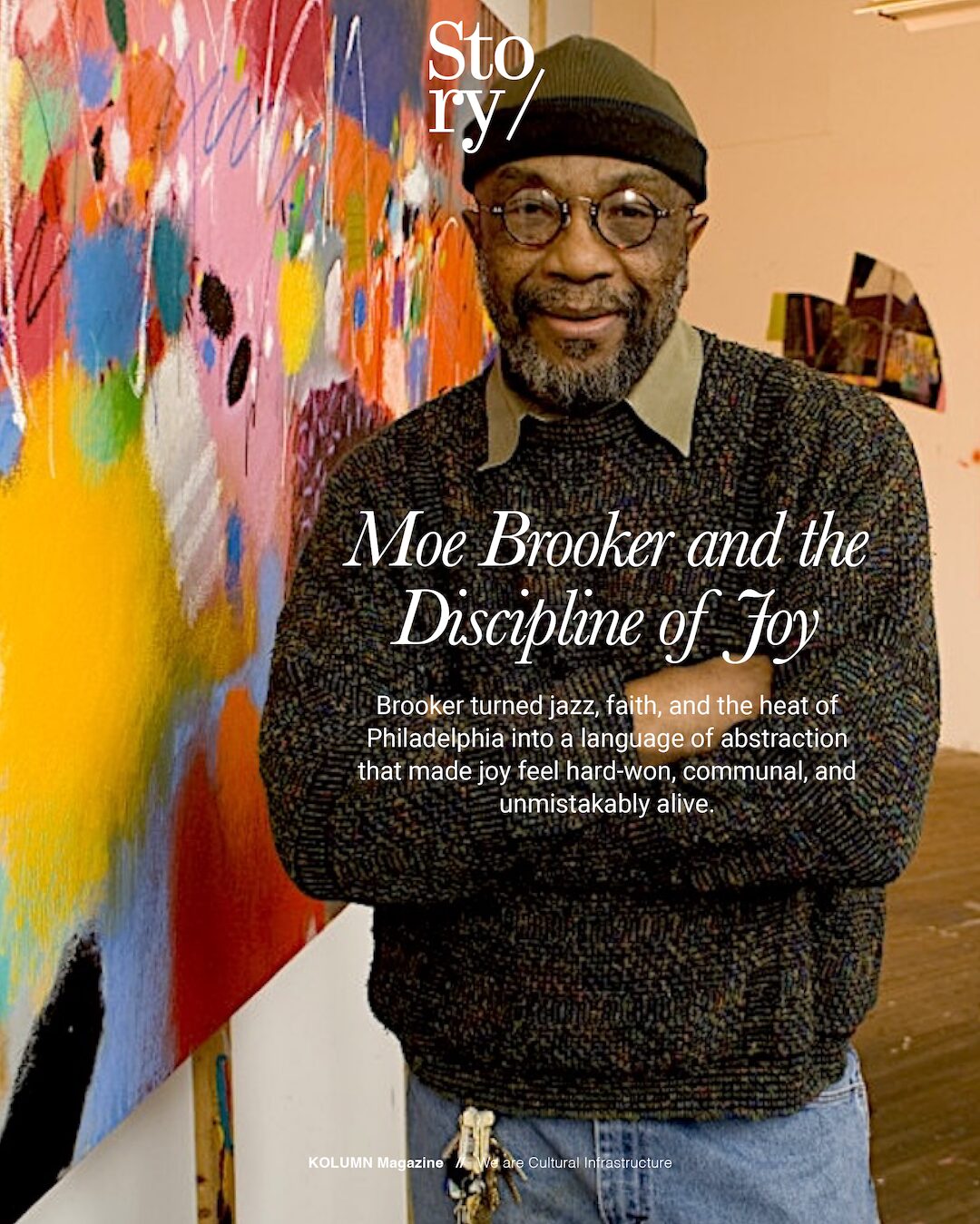
Moe Brooker and the Discipline of Joy
Brooker turned jazz, faith, and the heat of Philadelphia into a language of abstraction that made joy feel hard-won, communal, and unmistakably alive.
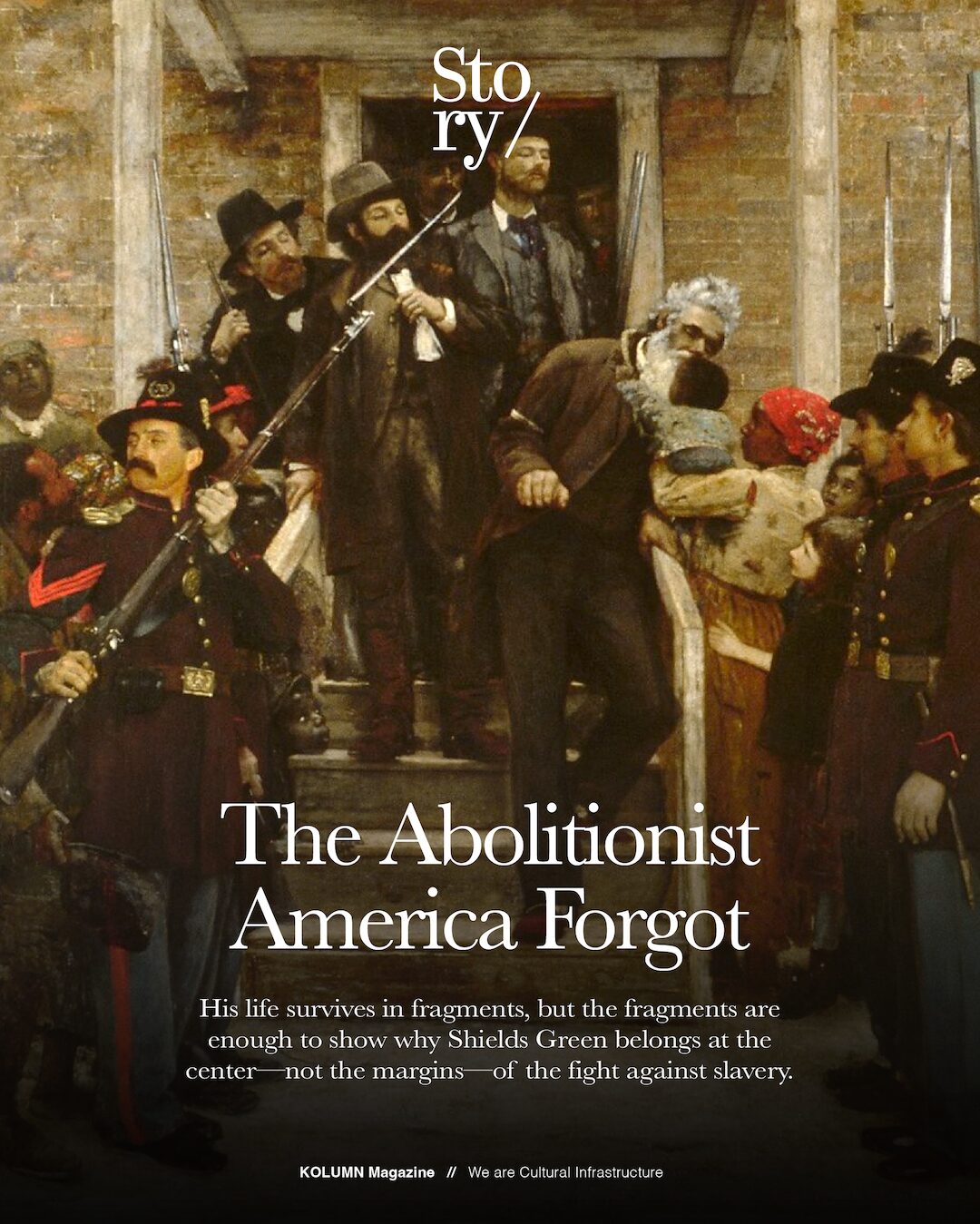
The Abolitionist America Forgot
His life survives in fragments, but the fragments are enough to show why Shields Green belongs at the center—not the margins—of the fight against slavery.
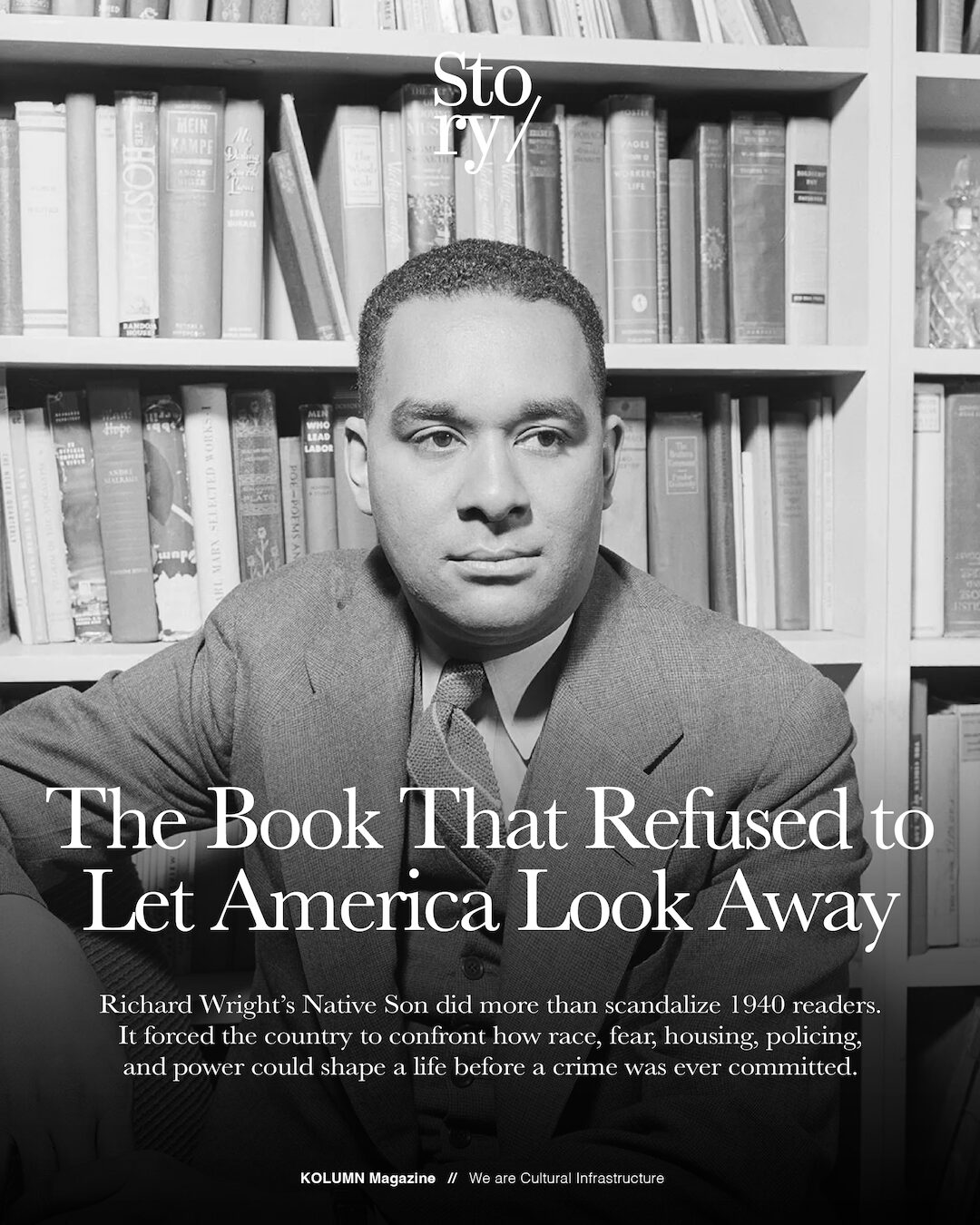
The Book That Refused to Let America Look Away
Richard Wright’s Native Son did more than scandalize 1940 readers. It forced the country to confront how race, fear, housing, policing, and power could shape a life before a crim
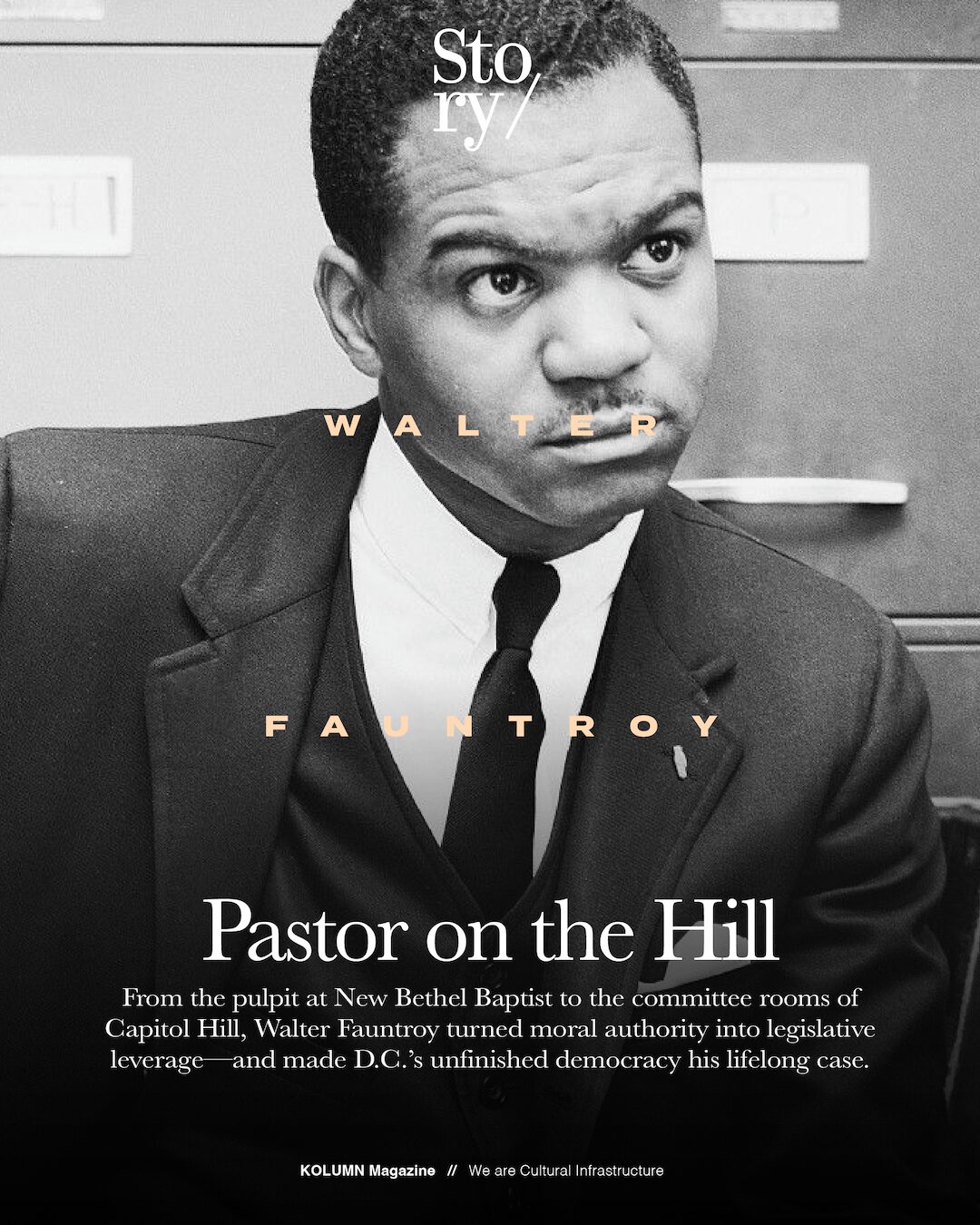
Pastor on the Hill
From the pulpit at New Bethel Baptist to the committee rooms of Capitol Hill, Walter Fauntroy turned moral authority into legislative leverage—and made D.C.’s unfinished democr
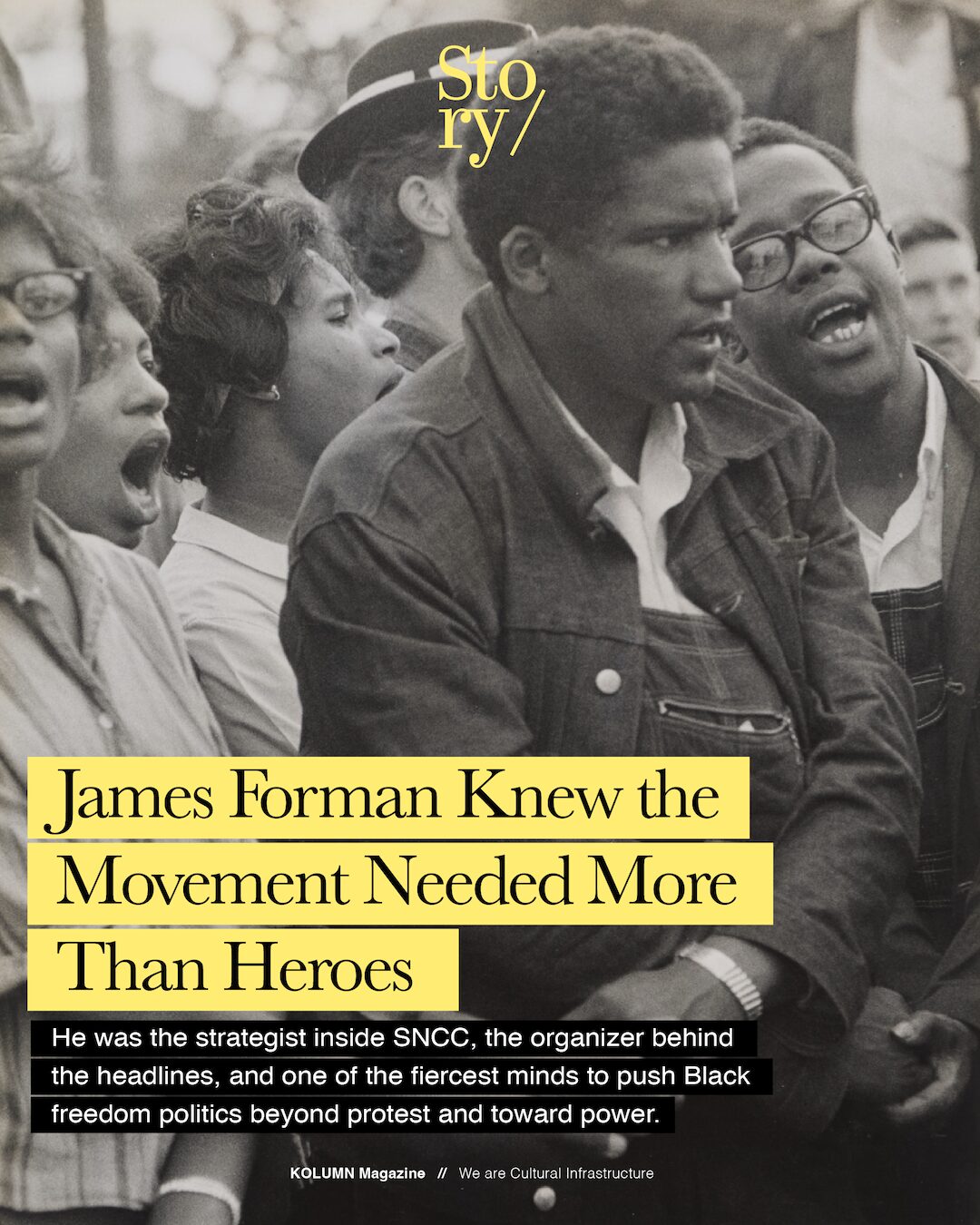
James Forman Knew the Movement Needed More Than Heroes
He was the strategist inside SNCC, the organizer behind the headlines, and one of the fiercest minds to push Black freedom politics beyond protest and toward power.
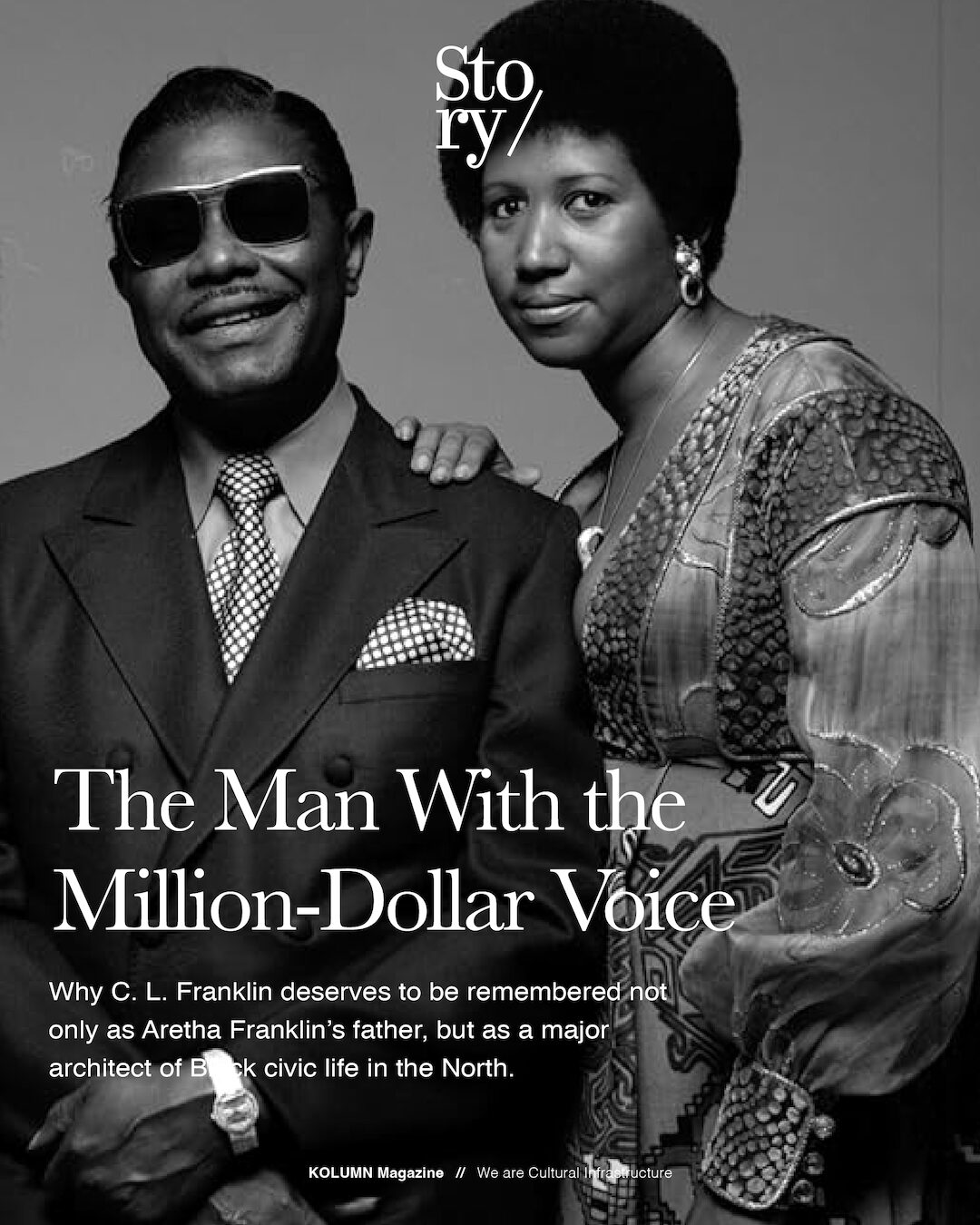
The Man With the Million-Dollar Voice
Why C. L. Franklin deserves to be remembered not only as Aretha Franklin’s father, but as a major architect of Black civic life in the North
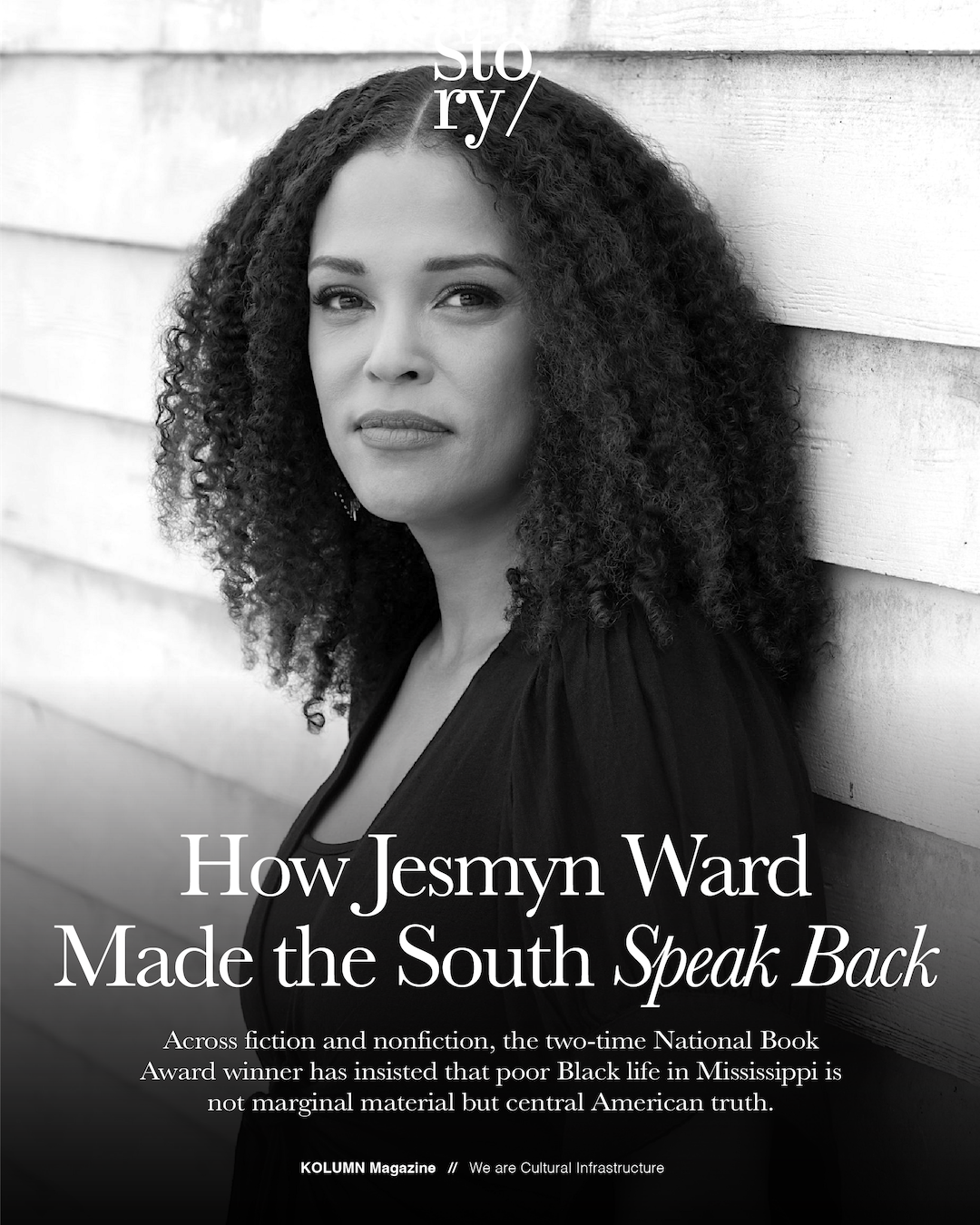
How Jesmyn Ward Made the South Speak Back
Across fiction and nonfiction, the two-time National Book Award winner has insisted that poor Black life in Mississippi is not marginal material but central American truth.
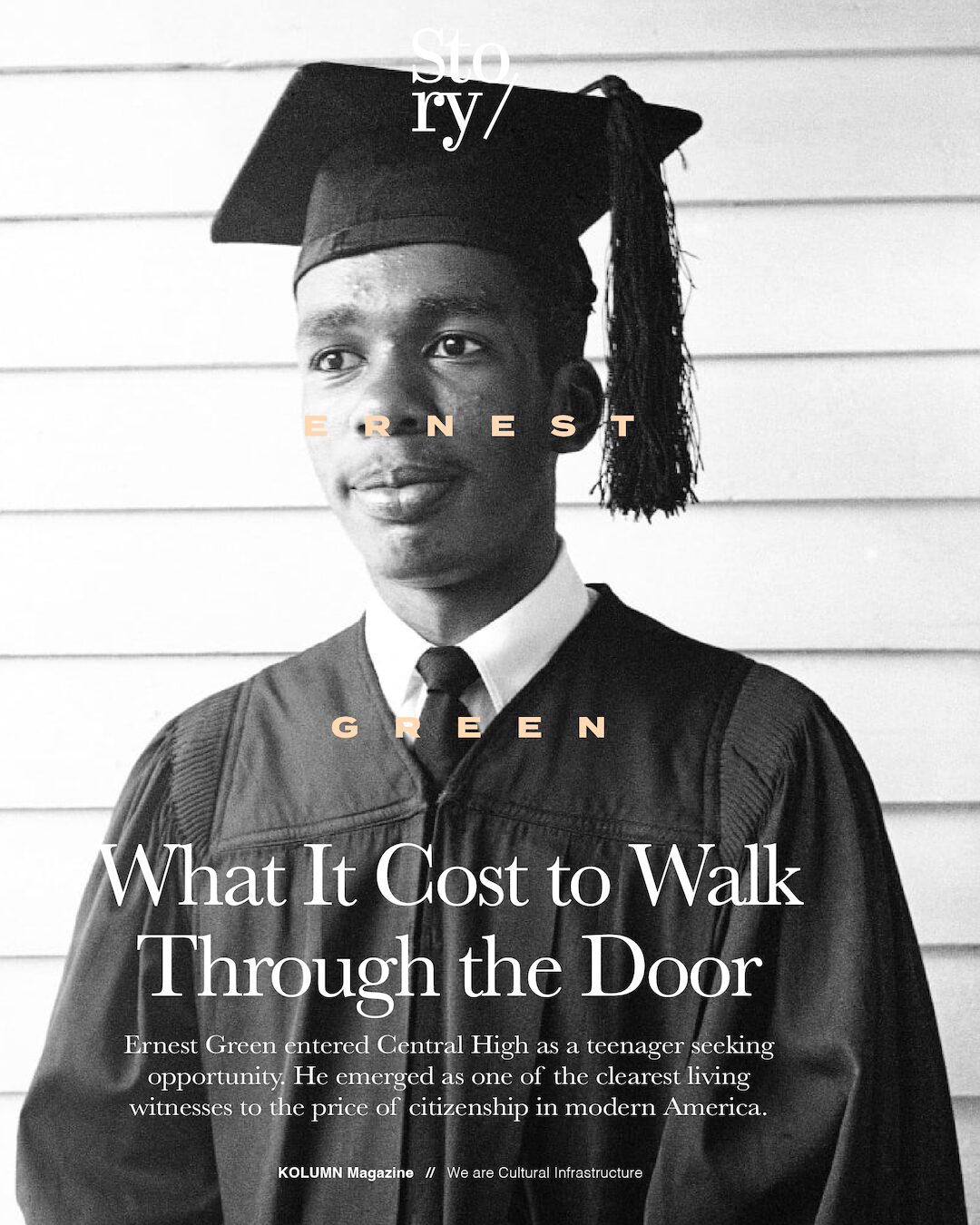
What It Cost to Walk Through the Door
Ernest Green entered Central High as a teenager seeking opportunity. He emerged as one of the clearest living witnesses to the price of citizenship in modern America.
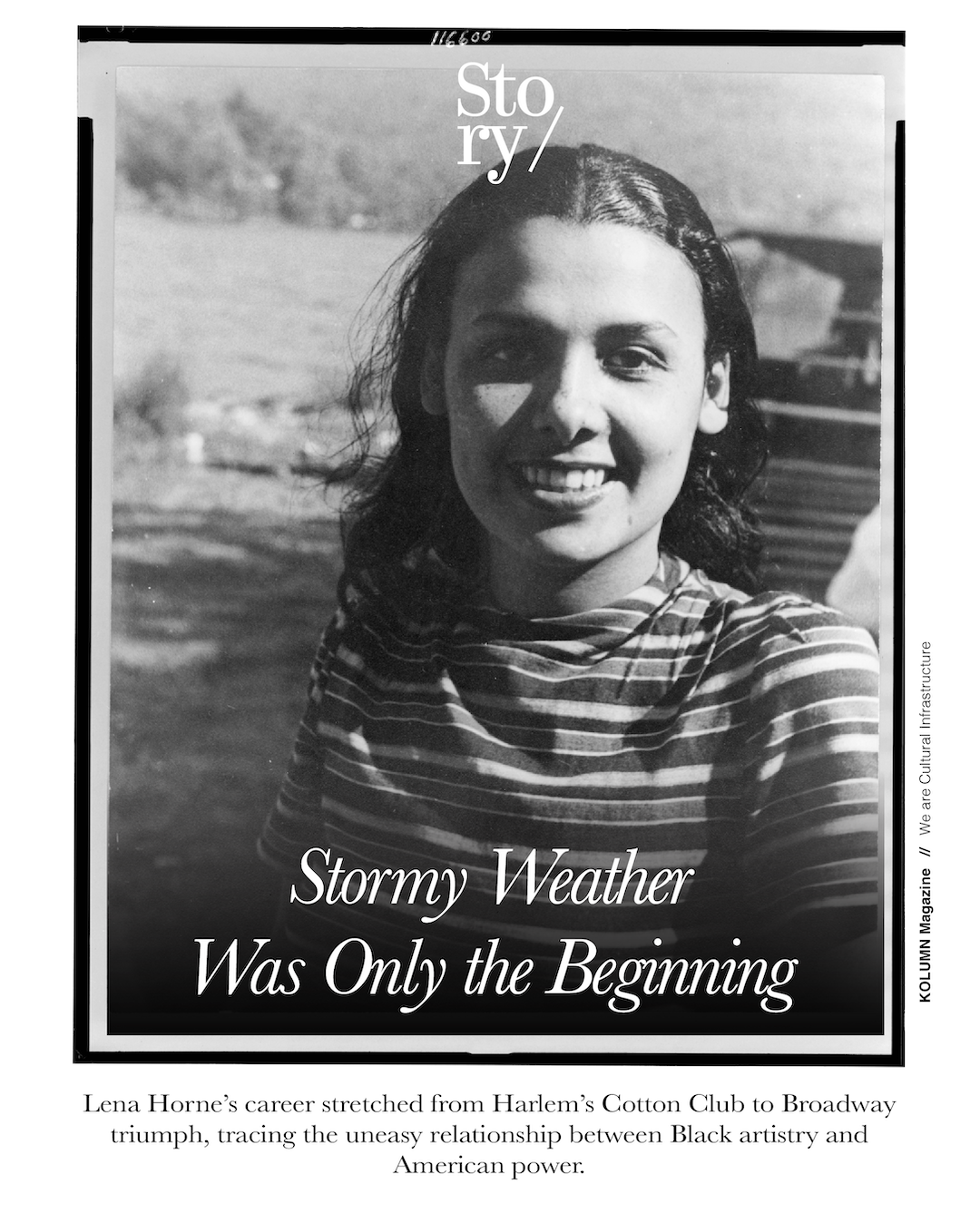
Stormy Weather Was Only the Beginning
Lena Horne’s career stretched from Harlem’s Cotton Club to Broadway triumph, tracing the uneasy relationship between Black artistry and American power.
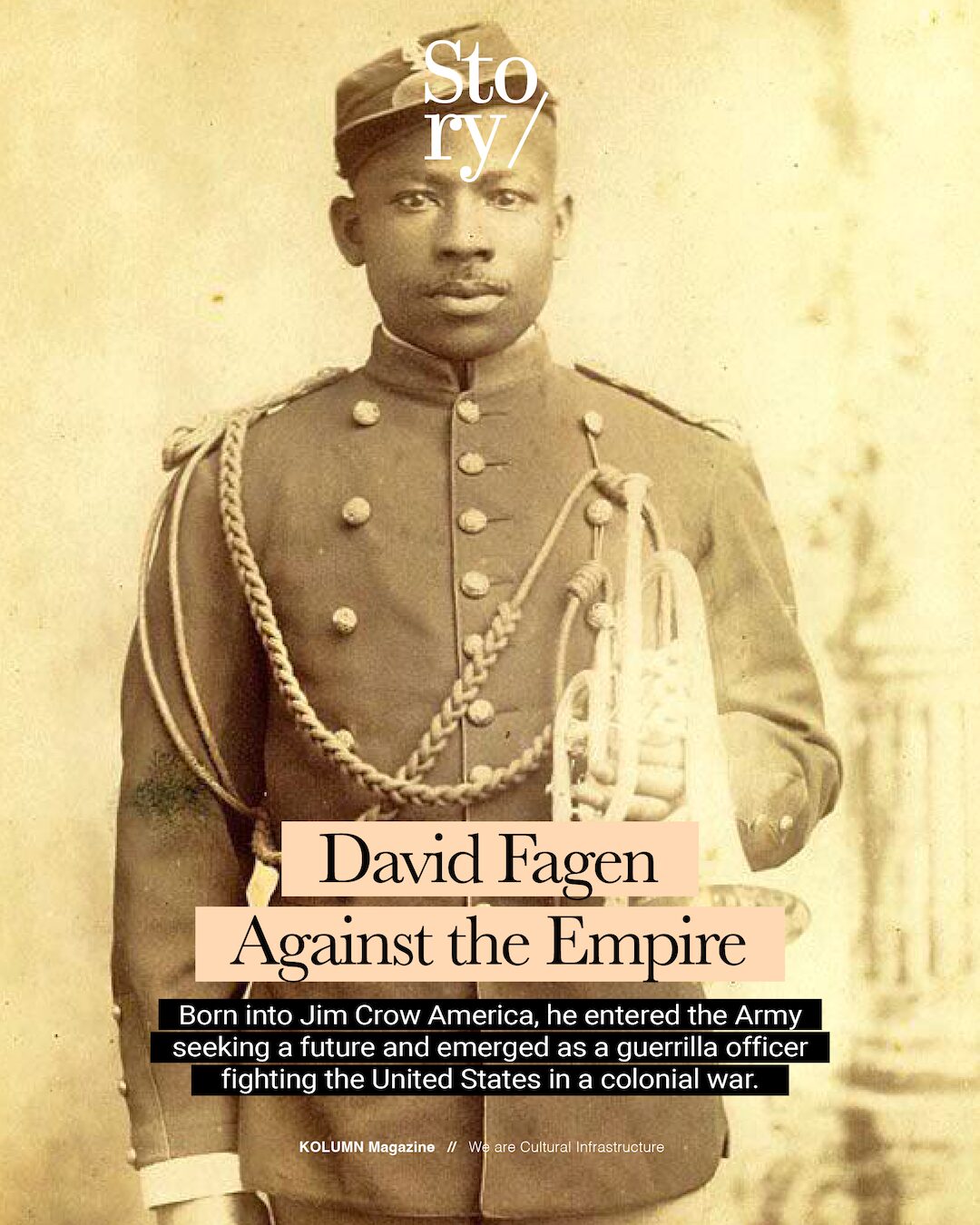
David Fagen Against the Empire
Born into Jim Crow America, he entered the Army seeking a future and emerged as a guerrilla officer fighting the United States in a colonial war.